Bordeaux vs Pinot Noir
The Powerhouse Blend vs. The Elegant Soloist: A Complete Guide to the World’s Most Iconic Reds.
Introduction: A Clash of Titans
If the wine world were a stage, Bordeaux would be the booming baritone commanding the room, while Pinot Noir would be the complex, whispering poet in the corner. Understanding the difference between Bordeaux vs Pinot Noir is not just about memorizing grape names; it is about choosing an experience.
Bordeaux is a region in France famous for powerful blends, primarily Cabernet Sauvignon and Merlot. Pinot Noir is a delicate grape variety that finds its spiritual home in Burgundy, France, but grows globally. One is built on structure and tannins; the other on acidity and aromatics.
Whether you are looking for wine gift ideas for her or stocking your cellar with the best affordable wines of 2025, knowing which of these two to pick is the first step. In this guide, we break down flavor profiles, food pairings, and the essential hardware you need to enjoy them.

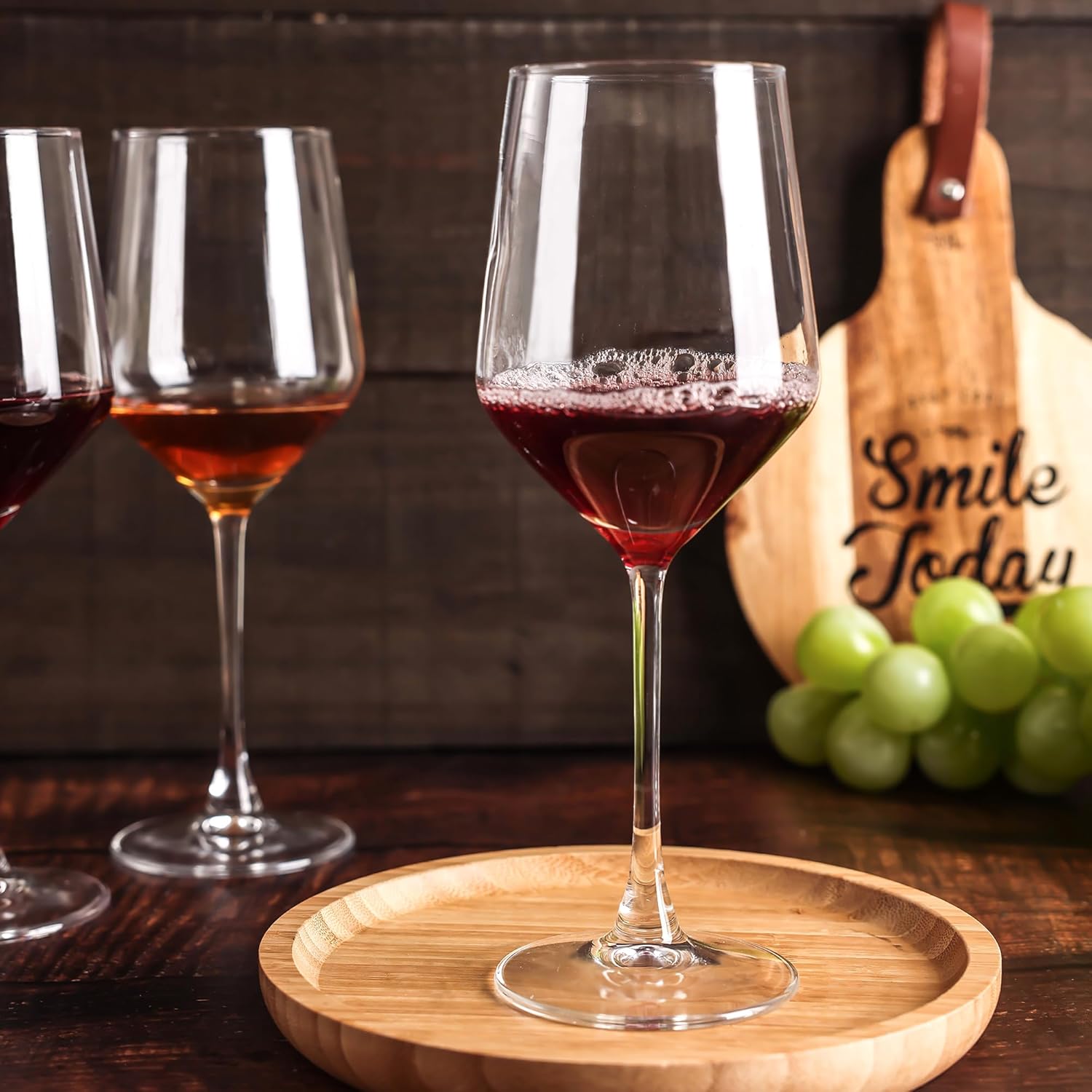
Start Your Journey: The Universal Glass Set
Can’t decide? Start with a high-quality universal glass that respects both varietals.
Check Price on AmazonAt a Glance: The Tale of the Tape
Before we dive deep, here is the cheat sheet for the differences between these two wine giants.
| Feature | Bordeaux (Red Blend) | Pinot Noir (Varietal) |
|---|---|---|
| Primary Grapes | Cabernet Sauvignon, Merlot, Cab Franc | 100% Pinot Noir |
| Body | Full-Bodied | Light to Medium-Bodied |
| Tannins | High (Drying sensation) | Low (Silky sensation) |
| Acidity | Medium | High |
| Key Flavors | Black currant, plum, graphite, cedar | Cherry, raspberry, mushroom, forest floor |
| Glassware | Tall, tapered bowl | Wide, balloon bowl |
| Best Food Pairing | Steak, Roast Lamb, Hard Cheeses | Duck, Salmon, Mushroom Risotto |
The Bordeaux Identity: Structure and Power
When we say “Bordeaux,” we are referring to a wine region in Southwest France, but the name has become synonymous with a specific style of wine. Red Bordeaux is rarely a single grape; it is almost always a blend.
The Grapes Behind the Blend
The “Bordeaux Blend” relies on thick-skinned grapes.
Left Bank: Dominated by Cabernet Sauvignon. These wines are tannic, acidic, and built for long aging.
Right Bank: Dominated by Merlot. These are softer, fleshier, and more approachable at a younger age.
The Flavor Profile
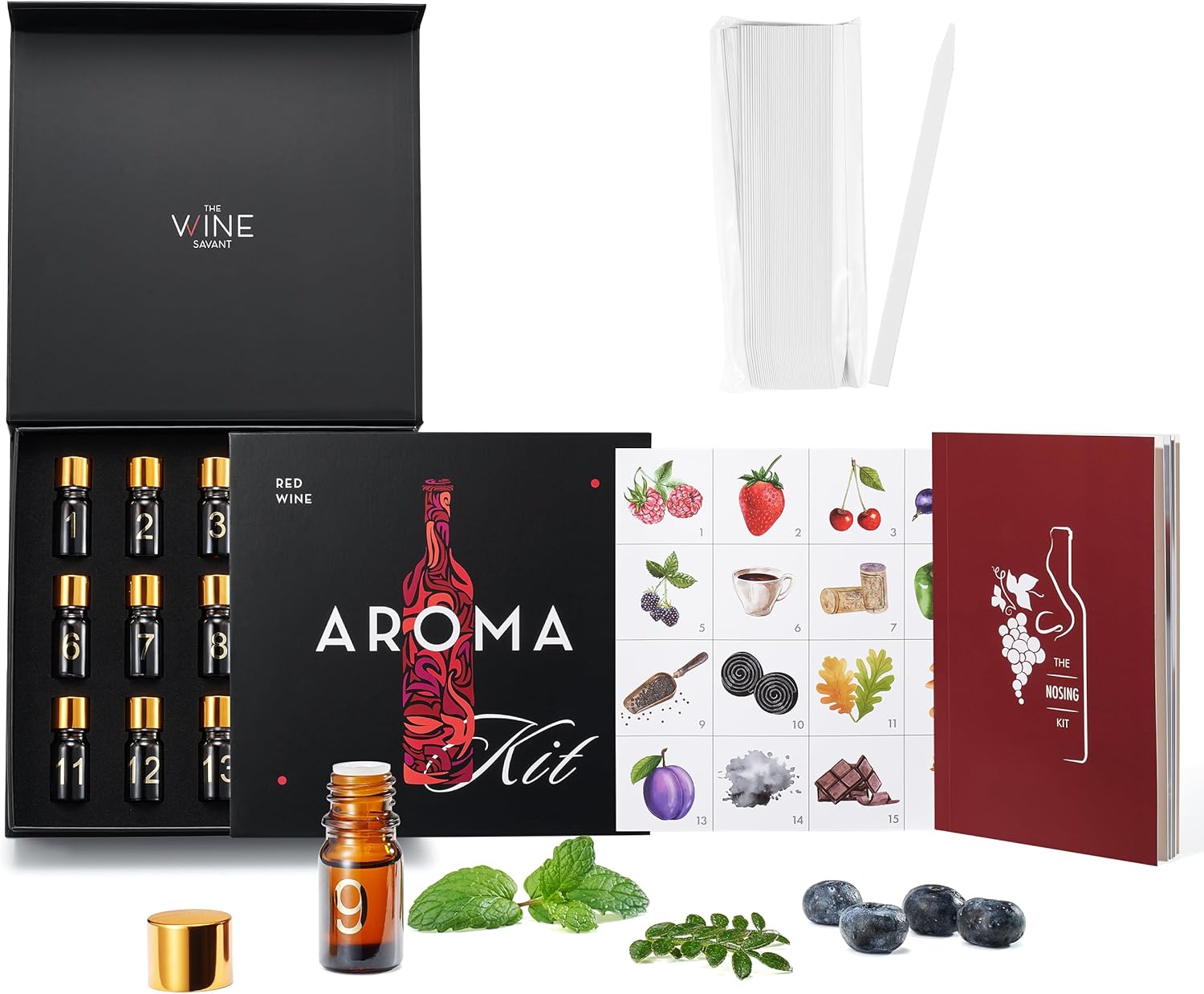
Expect bold flavors. Dark fruits like blackberries and plums take center stage. But the magic of Bordeaux lies in its secondary notes—pencil shavings (graphite), tobacco, leather, and wet gravel. These come from the terroir and the heavy use of oak barrels. If you are learning what is tannin in wine, pour a glass of young Left Bank Bordeaux; the drying sensation on your gums is unmistakable.
Serving Needs
Bordeaux needs oxygen. The tight structure of the wine means it often feels “closed” upon opening. Using one of the best wine decanters is highly recommended to soften those tannins. Without aeration, you might miss the complexity.

Essential for Bordeaux: Le Chateau Wine Decanter
Unlock the hidden aromas of your Cab blends with proper aeration.
Check Price on AmazonThe Pinot Noir Identity: Elegance and Aroma
Pinot Noir is often called the “heartbreak grape” because it is notoriously difficult to grow. It has thin skins, is susceptible to disease, and demands a cool climate. But when treated right, it produces the most ethereal wines on the planet.
The Varietal
Unlike Bordeaux, Pinot Noir is a single grape variety. While it originated in Burgundy (Bourgogne), France, fantastic examples now come from Oregon (Willamette Valley), California (Sonoma), and New Zealand (Central Otago).
The Flavor Profile
Pinot Noir is driven by red fruit—cranberries, raspberries, and cherries. It is lighter in color (often translucent) and lower in alcohol than Bordeaux. As it ages, it develops savory characteristics often described as “barnyard,” “forest floor,” or truffle. It relies on acidity rather than tannin for its structure, making it incredibly food-friendly and refreshing.
Serving Needs
Because Pinot Noir is delicate, temperature is critical. Serving it too warm (room temperature is often too hot) will make it taste like alcohol soup. It shines at cellar temperature (around 55-60°F). If you don’t have a cellar, check out our Whynter wine cooler review to keep your bottles precise.

Essential for Pinot: Wide Bowl “Burgundy” Glasses
The wide bowl captures the delicate floral notes that a standard glass misses.
Check Price on AmazonThe Glassware Dilemma: Why Shape Matters
You cannot fully appreciate the difference between Bordeaux and Pinot Noir if you drink them from the same glass. The physics of the glass changes the delivery of the wine.
- For Bordeaux: You need a tall glass with a broad bowl but a focused opening. This directs the wine to the back of the mouth, mitigating the bitterness of tannins.
- For Pinot Noir: You need a “Burgundy Glass” (fishbowl shape). The massive surface area allows the shy aromas to accumulate, and the shape directs the wine to the tip of the tongue to highlight sweetness and acidity.
For a detailed breakdown, read our comparison on Bordeaux glass vs Burgundy glass. Using the wrong glass for Pinot Noir is a common mistake that flattens its flavor.
Food Pairing: The Dinner Table Showdown
Knowing how to pair wine with food is a superpower. Here is how these two differ.
Pairing with Bordeaux
Bordeaux needs fat and protein. The tannins in the wine bind with protein molecules in meat, acting as a palate cleanser.
Perfect Match: Ribeye steak, roast lamb, venison, hard cheeses like Cheddar or Comté.
Avoid: Spicy foods (tannin makes spice burn), delicate fish.
Pairing with Pinot Noir
Pinot Noir is the most versatile red for pairing. Its high acidity cuts through fat without overpowering lighter dishes.
Perfect Match: Roast duck, grilled salmon, mushroom risotto, pork loin, Brie cheese.
Avoid: Heavy BBQ ribs or intensely peppery steaks (which overwhelm the wine).
Pros & Cons: Choosing Your Bottle
Still on the fence? Here is the practical breakdown of living with these wines.
Bordeaux Pros
- Age-ability: Can last 20-50 years in a cellar.
- Consistency: Big brands offer reliable quality.
- Availability: Easy to find anywhere.
Bordeaux Cons
- Patience Required: Often needs years to soften.
- Tannins: Can be harsh for new wine drinkers.
- Sediment: Older bottles require careful decanting.
Pinot Noir Pros
- Drinkability: Generally ready to drink sooner.
- Food Friendly: Pairs with almost anything.
- Low Tannin: No “drying” mouthfeel.
Pinot Noir Cons
- Price: Good Pinot is expensive to produce.
- Fragile: Spoils easily if stored poorly.
- Inconsistent: Cheap Pinot often tastes like jam.
Storage and Preservation
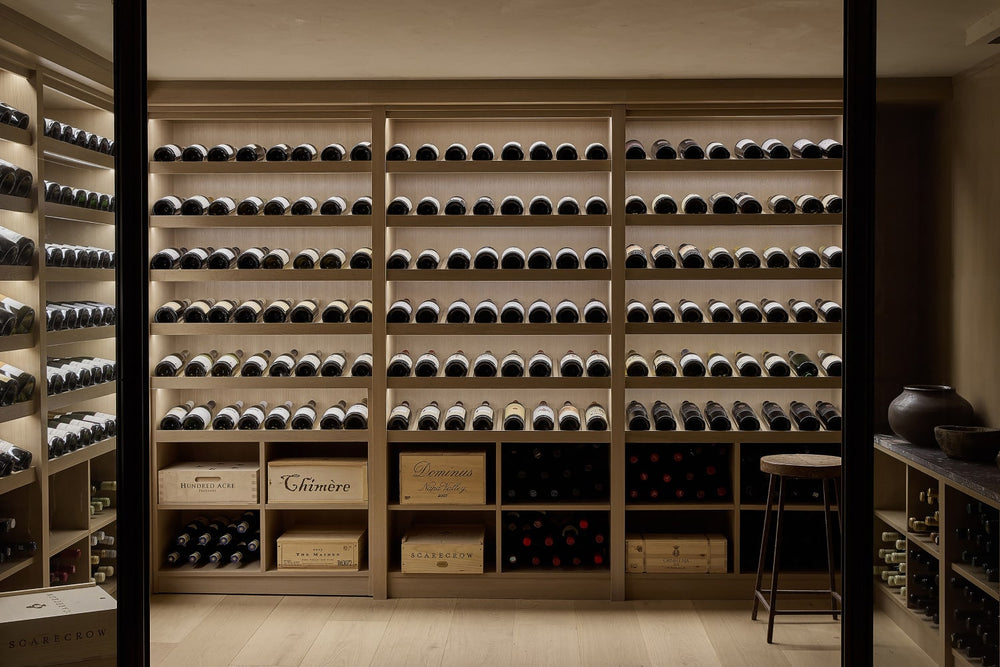
Because Bordeaux is robust, it is more forgiving of minor temperature fluctuations than Pinot Noir. Pinot is fragile. Heat damage will cook the delicate fruit flavors of a Pinot Noir overnight.
If you are serious about keeping Pinot, you need stable conditions. Read our guide on how to store wine at home. If you have opened a bottle and can’t finish it, use the best wine stoppers immediately. Pinot Noir oxidizes faster than Bordeaux, so plan to finish the bottle within 24 hours of opening.
Frequently Asked Questions
Both are technically dry red wines (very little residual sugar). However, New World Pinot Noir (from California) often has riper fruit flavors that can be perceived as “sweeter” than the earthy, mineral-driven profile of a French Bordeaux.
Go for Pinot Noir. It naturally has lower tannins, giving it a silky, smooth texture. Bordeaux can be smooth, but usually only after aging for several years.
Yes, absolutely. However, older bottles of Bordeaux often have fragile corks. In that case, an Ah-So opener or one of the best electric wine openers might be safer to prevent crumbling.
Supply and demand. Bordeaux estates are massive and produce thousands of cases. Burgundy vineyards are tiny, often family-owned plots producing very limited quantities of Pinot Noir.
Final Verdict: Which Wine Wins?
In the battle of Bordeaux vs Pinot Noir, the winner depends on the occasion.
Choose Bordeaux if: You are eating red meat, sitting by a fireplace, gifting a bottle to a collector, or want a wine that punches with authority and complexity.
Choose Pinot Noir if: You are having a lighter meal (poultry/fish), enjoying a warm summer evening, or want a wine that is intellectual, aromatic, and silky smooth.
To truly understand your preference, we recommend a side-by-side tasting. Grab a bottle of reliable Bordeaux Supérieur and a Willamette Valley Pinot Noir. Invite some friends, pour two glasses, and let your palate decide. Just make sure you have the right wine accessories every host needs to make the night a success.

Don’t Waste a Drop: Coravin Timeless Three
Want to compare both bottles without drinking them all at once? The Coravin lets you pour a glass without pulling the cork.
Check Price on Amazon