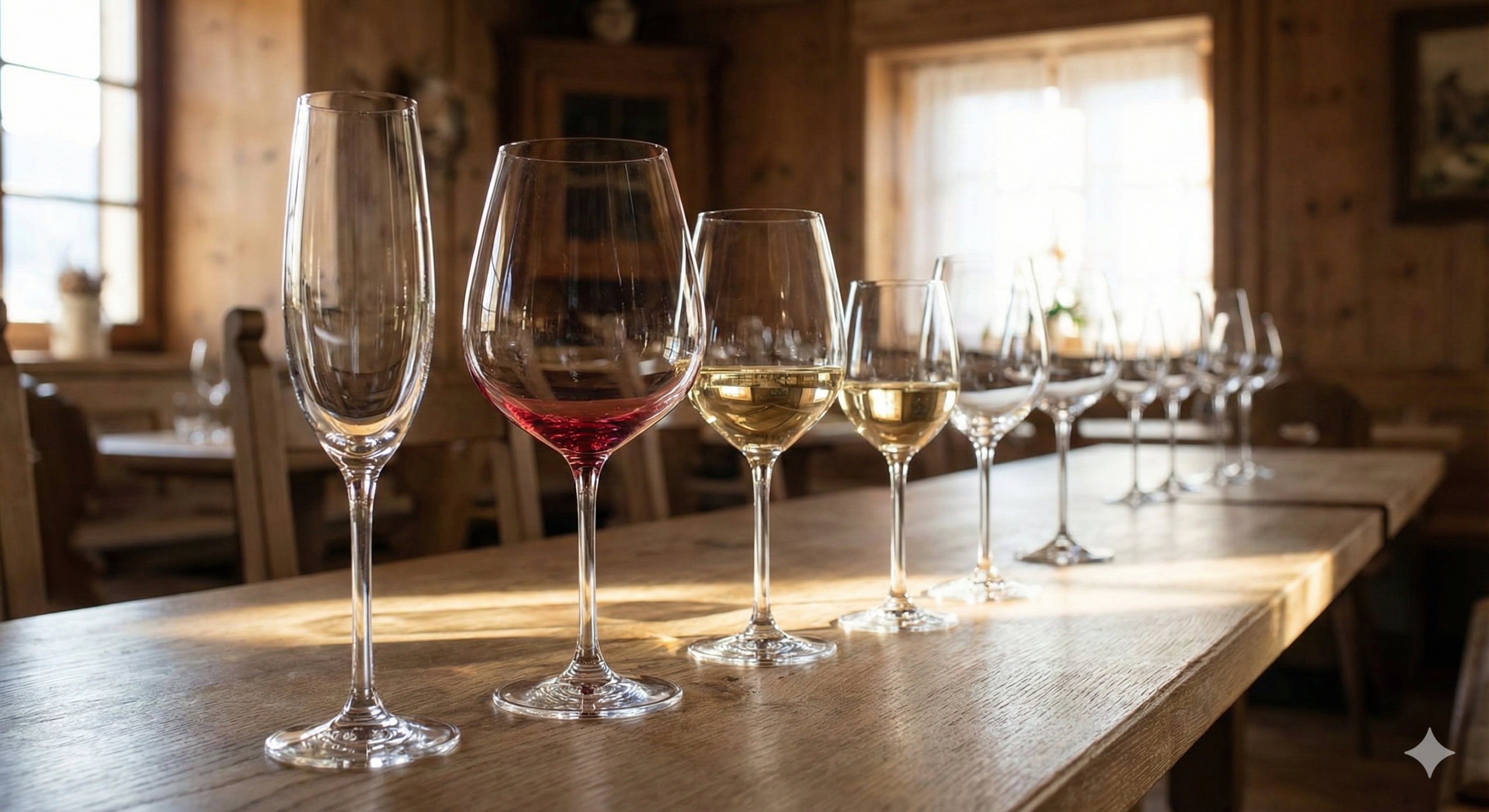
Kinds of Wine Glasses and Their Uses: The Ultimate Guide
Stop pouring your vintage Cabernet into a water goblet. Discover how the right stemware unlocks the hidden potential of your wine collection.
Introduction: Does the Glass Really Matter?
We have all been there—drinking wine out of a plastic cup at a picnic or a thick-rimmed mug at a friend’s house. While the wine might still be palatable, the experience is fundamentally different. If you have spent time learning complex wine terminology or investing in the best affordable wines of 2025, you owe it to your palate to use the right hardware.
The different kinds of wine glasses and their uses are not invented simply to clutter your cupboards. They are engineered based on physics and biology. The shape of the bowl controls oxidation; the rim diameter dictates where the liquid hits your tongue; the stem length preserves temperature.
In this comprehensive guide, we will break down the essential glass shapes, from the towering Bordeaux stems to the delicate Sherry copitas, helping you understand exactly what you need to host the perfect dinner party.
The Anatomy of a Wine Glass
Before diving into specific types, it is crucial to understand the “machine” itself. A wine glass has four key components:
- The Base (Foot): Keeps the glass standing.
- The Stem: This is arguably the most functional part. It allows you to hold the glass without your body heat warming the wine. This is critical for whites and champagnes.
- The Bowl: The reservoir for the wine. Its width determines the surface area for aeration.
- The Rim: The point of contact. A thin rim is essential for a seamless flow. Thick, rolled rims act as a speed bump for the wine.
Understanding these parts helps when reading reviews, such as our comparison of Bordeaux glass vs Burgundy glass.
1. Red Wine Glasses
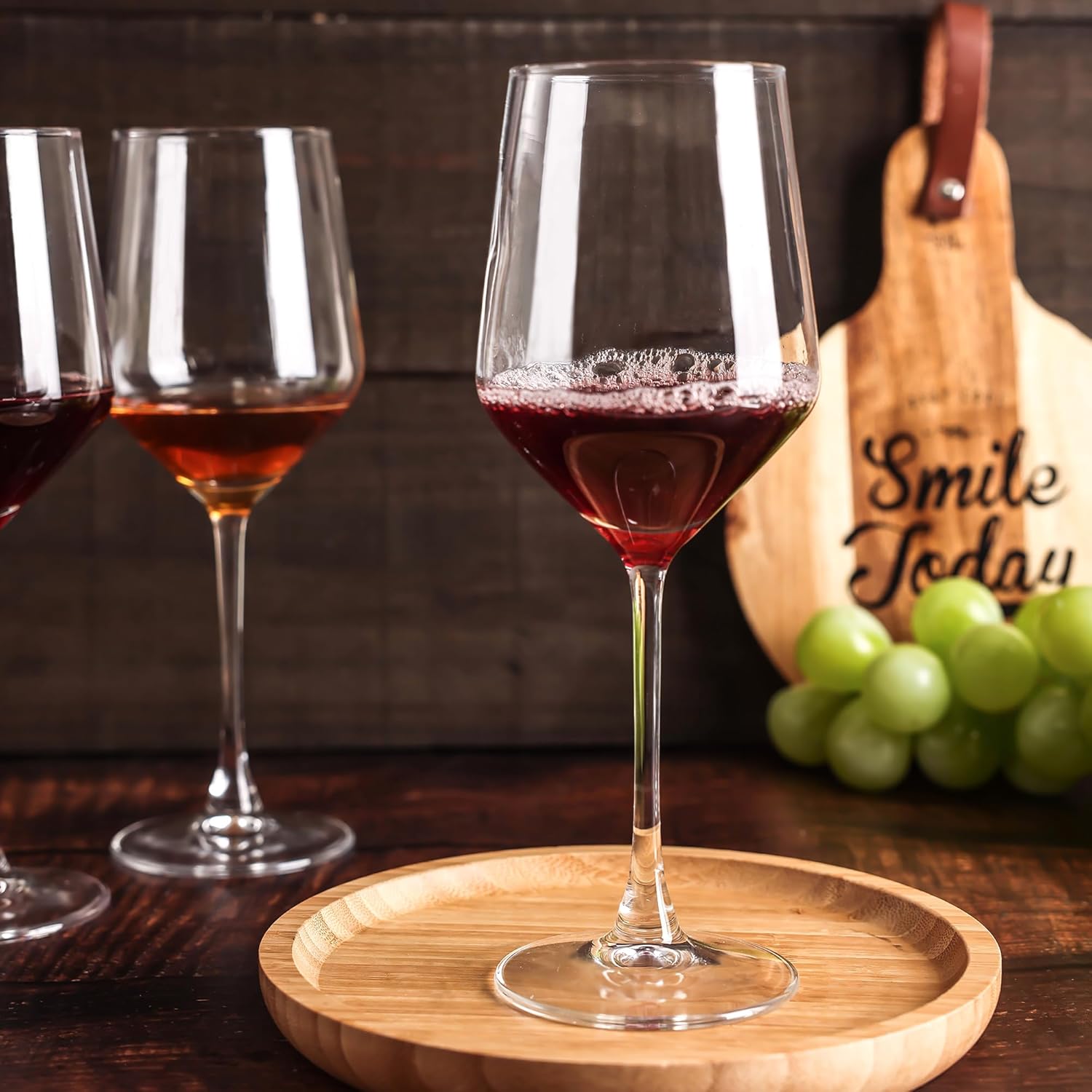
Red wines generally require more aeration than whites to soften their tannins and release complex aromas. As a result, red wine glasses typically have larger bowls and wider openings.
The Bordeaux Glass (Large & Tall)
Best for: Cabernet Sauvignon, Merlot, Syrah, Bordeaux Blends.
This is the tallest of the red glasses. It features a broad bowl that tapers gently toward the rim. The height creates distance between the wine and the nose, allowing ethanol vapors to dissipate in high-alcohol wines. The shape directs wine to the back of the mouth, minimizing the bitterness of tannins.
Related: Bordeaux vs Pinot Noir: A Complete Guide
The Burgundy Glass (Wide & Round)
Best for: Pinot Noir, Gamay, Nebbiolo, Oaked Chardonnay.
Often described as a “fishbowl,” this glass has a massive bowl width but a slightly narrower rim. This design increases the surface area significantly, which is vital for aromatic, delicate wines. It directs the flow to the tip of the tongue, highlighting the sweetness and fruitiness of the wine.
The Standard Red Glass
Best for: Zinfandel, Malbec, Shiraz.
If you don’t have space for varietal-specific glasses, a standard red glass (often called a “Cabernet” glass) serves as a middle ground. It is smaller than a Bordeaux glass but offers enough room for swirling.
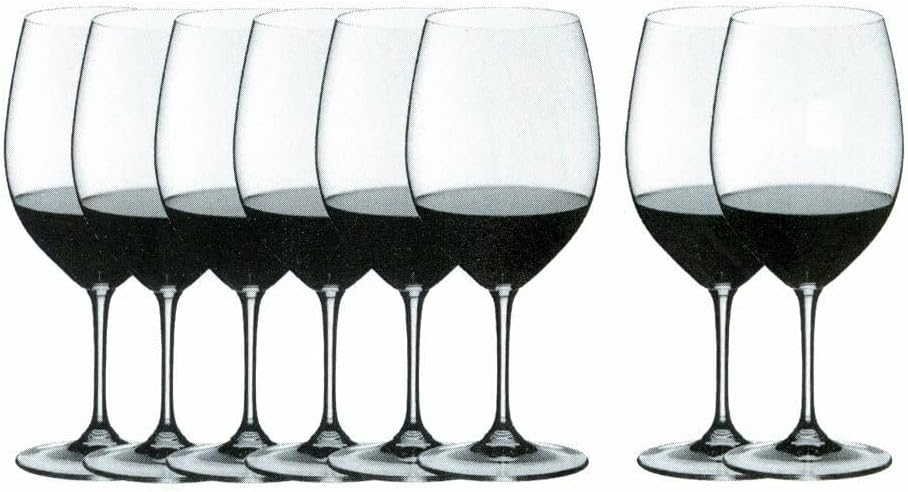
Our Top Pick: Riedel Vinum Bordeaux Set
The industry standard for enjoying full-bodied red wines.
Check Price on AmazonFor a deeper dive into red stemware, read our specific guide on the best wine glasses for red wine.
2. White Wine Glasses
White wines are typically served chilled and rely on acidity for their structure. The goal of white wine glassware is to preserve the temperature and concentrate delicate floral or citrus notes. See our full comparison on red wine glass vs white wine glass.
High-Acid White Glass (Standard)
Best for: Sauvignon Blanc, Riesling, Pinot Grigio.
This is the most common wine glass found in restaurants. It has a U-shaped bowl that is smaller than a red glass. The smaller volume keeps the wine cool (since you pour less and finish it faster). The rim directs the wine to the center of the tongue to balance the acidity.
Full-Bodied White Glass (Chardonnay)
Best for: Oaked Chardonnay, Viognier, White Burgundy.
These wines are creamy and rich. They need a bowl that is wider than the standard white glass—almost resembling a Burgundy red glass but shorter. This allows the heavy, creamy texture to breathe and prevents the oak flavors from becoming overpowering.
3. Sparkling Wine Glasses
The sound of a popping cork signals celebration. Whether you opened the bottle with a saber or learned how to open a wine bottle without a corkscrew, the glass you choose changes the bubbles.
The Flute
Best for: Prosecco, Cava, Non-vintage Champagne.
The classic choice. Its tall, narrow shape minimizes the surface area, keeping the carbonation active for longer. It is perfect for toasts and visual appeal, but the narrow opening can stifle the aroma of complex Champagnes.
The Tulip
Best for: Vintage Champagne, Franciacorta.
Similar to a flute but with a wider bowl that tapers back in at the top. This captures the bubbles while allowing the yeast and brioche aromas to circulate. This is the preferred glass for sommeliers.
The Coupe (Vintage Saucer)
Best for: Themed parties, sweet sparkling wines.
Popular in the 1920s Great Gatsby era. While stylish, the wide, shallow bowl causes bubbles and aromas to dissipate almost instantly. Use this for cocktails or desserts rather than fine Champagne.
4. Dessert and Fortified Wine Glasses
Dessert wines like Port, Sherry, and Sauternes are higher in alcohol and sugar. Because they are sipped slowly in small quantities, their glasses are significantly smaller.
The Port Glass
A miniature version of a Bordeaux glass. The small bowl focuses the fruit aromas while the narrow rim minimizes the burn of the alcohol vapors (Port is usually 20% ABV).
The Sherry Glass (Copita)
Small and tulip-shaped. It is designed to be held by the stem to prevent the hand from warming the Sherry.

Versatile Choice: Schott Zwiesel Tritan Crystal
Durable, titanium-infused crystal that resists breaking.
Check Price on Amazon5. The “Universal” Glass: One to Rule Them All?
If you have limited space in your modular wine rack system or small apartment, you might not want five different sets of glasses.
Enter the Universal Glass. Brands like Zalto and Gabriel-Glas have perfected a shape that sits squarely in the middle. It is wide enough for reds to breathe but narrow enough to keep whites fresh.
Who is it for?
The casual enthusiast who drinks various wine varietals throughout the week and prioritizes convenience and minimalism over extreme specialization.
Materials and Maintenance
The difference between a $5 glass and a $50 glass often comes down to the material.
Glass vs. Crystal
- Soda-Lime Glass: Thicker, durable, and dishwasher safe. It usually has a rolled lip. Great for everyday use but lacks elegance.
- Crystal (Lead or Lead-Free): Contains minerals that strengthen the material, allowing it to be spun incredibly thin. A thin rim enhances the tasting experience. Lead-free crystal (often using titanium or magnesium) is now the industry standard for safety and durability.
Care Instructions
If you invest in good crystal, wash it by hand with warm water and very little soap. Use a microfiber cloth to polish it dry immediately to prevent water spots. Store them upright in a dust-free cabinet. For long-term storage advice, check our guide on how to store wine at home.
Quick Reference Summary
| Glass Type | Bowl Shape | Best For | Key Benefit |
|---|---|---|---|
| Bordeaux | Large, Tall | Cabernet, Merlot, Syrah | Softens tannins, directs to back of mouth |
| Burgundy | Wide, Round | Pinot Noir, Nebbiolo | Accumulates delicate aromas |
| Standard White | U-Shaped, Small | Sauvignon Blanc, Riesling | Preserves acidity and temperature |
| Chardonnay | Wide, Short | Oaked Chardonnay | Allows creamy textures to open up |
| Flute | Tall, Narrow | Prosecco, Cava | Preserves carbonation |
| Universal | Medium Taper | All Wines | Versatility and space-saving |
Frequently Asked Questions
They work for casual drinking, but they are not ideal for fine wine. Your hand warms the bowl, which alters the temperature of the wine—disastrous for whites and eventually dulling for reds. They are, however, harder to break and easier to put in the dishwasher.
For a beginner, a set of 4 Universal glasses is sufficient. For an enthusiast, we recommend one set of Bordeaux glasses and one set of White/Universal glasses.
You *can*, but plastic often imparts a subtle flavor and feels terrible on the lip. If you need portability for a picnic, look for the best wine bags that have compartments for durable acrylic or travel-safe glasses.
You pay for the craftsmanship (mouth-blown vs machine-made), the clarity of the crystal, and the thinness of the rim. Brands like Zalto or Riedel Sommeliers series are hand-crafted pieces of art.
Conclusion: Elevate Your Experience
Choosing the right glass from the many kinds of wine glasses and their uses is the easiest “hack” to make your wine taste better immediately. You don’t need to be a certified sommelier to notice that a Pinot Noir smells sweeter in a Burgundy bowl or that a Champagne stays bubblier in a tulip.
Start with the basics. If you are building a home bar, consider adding wine accessories every host needs, like a good opener and a set of universal stems. As your palate develops and you start exploring organic and natural wines or aging vintage bottles, you can expand your collection to include specific shapes.
The wine maker spent months or years crafting the liquid in the bottle. Spending a few seconds choosing the right glass is the perfect way to honor that effort.

The Ultimate Upgrade: Zalto Denk’Art Universal Glass
Mouth-blown, feather-light, and suitable for almost any wine. The gold standard.
Check Price on Amazon