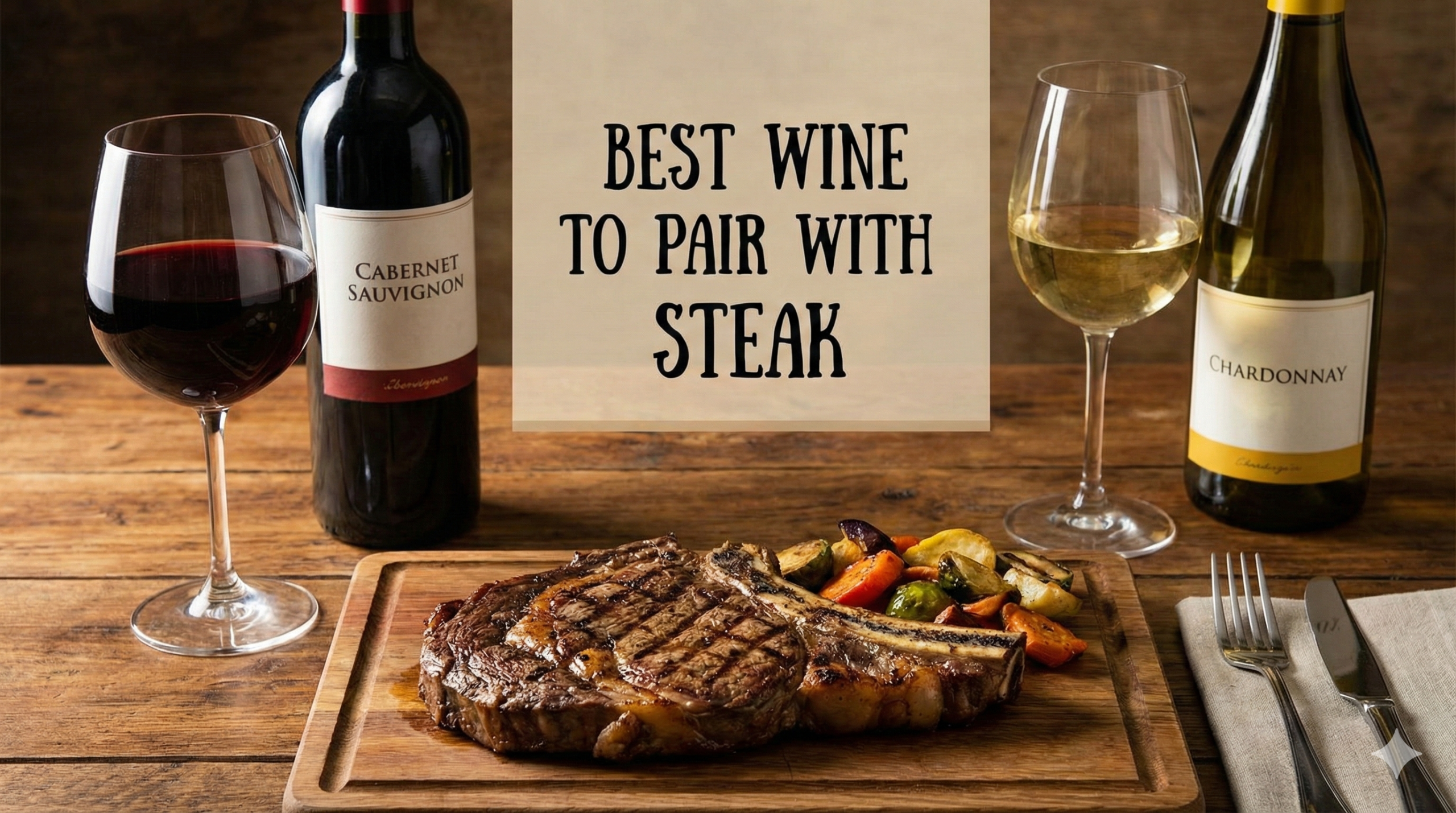
Best Wine to Pair with Steak: Mastering the Art of Red, White, and Beyond
There is perhaps no culinary marriage more celebrated than that of a perfectly seared steak and a glass of robust red wine. It is the quintessential dining experience, a ritual that signals celebration, comfort, and indulgence. But standing in the wine aisle or staring at a restaurant wine list can be daunting. Should you go for the bold Cabernet Sauvignon, the spicy Malbec, or perhaps a refined Pinot Noir?
The truth is, the “best” wine to pair with steak isn’t a single answer—it depends entirely on the cut of the beef, how it is cooked, and what sauce is draped over it. A fatty Ribeye demands a different partner than a lean Filet Mignon.
In this comprehensive guide, we will strip away the snobbery and dive deep into the mechanics of flavor. We will explore how tannins interact with animal fats, why acidity is your best friend, and give you concrete recommendations to ensure your next steak dinner is nothing short of legendary.

The Science: Why Steak Needs Wine
To understand the perfect pairing, we must first understand the chemistry happening on your palate. The relationship between steak and red wine is built on two primary pillars: Tannins and Acidity.
The Role of Tannins
If you’ve ever sipped a strong red tea or bitten into a grape skin, you’ve felt a drying sensation in your mouth. That is tannin. In wine, tannins come from grape skins, seeds, and stems, as well as oak barrels. You can learn more about this in our guide on what is tannin in wine.
When you eat a steak, your mouth becomes coated in fat and protein. If you were to drink water, that fat would simply become slippery. Tannins, however, bind to the protein and strip the fat from your tongue. This “cleansing” effect refreshes your palate, making the next bite of steak taste just as rich and flavorful as the first. This is why high-tannin wines like Cabernet Sauvignon are the classic choice for fatty steaks.
The Role of Acidity
Acidity in wine acts much like a squeeze of lemon on a piece of fish. It cuts through heaviness. A wine with good acidity lifts the flavors of the meat, preventing the meal from feeling too heavy or rich. Without acidity, a steak dinner can feel lethargic; with it, the meal sings.
For a broader overview of these principles, check out our article on how to pair wine with food.
Pairing by Cut: Fat Content Matters
Not all steaks are created equal. The fat content (marbling) and texture of the cut are the most critical factors in choosing your wine.
1. Ribeye (High Fat)
The Steak: The King of Steaks. Ribeye is incredibly marbled, rich, and flavorful. It melts in your mouth but leaves a heavy coating of fat.
The Wine: Cabernet Sauvignon or Barolo.
You need a heavyweight boxer here. A bold Napa Valley Cabernet or a tannic Italian Barolo has the structure to stand up to the richness of a Ribeye. The high tannins cut through the fat, while the fruit intensity matches the savory umami of the meat.
2. New York Strip (Medium-High Fat)
The Steak: A bit firmer than a Ribeye but still packing plenty of flavor and a decent fat cap.
The Wine: Malbec or Syrah (Shiraz).
A New York Strip bridges the gap between tenderness and flavor. A Malbec from Argentina offers lush fruit and a velvety texture that complements the strip perfectly without overpowering it. Alternatively, a peppery Syrah mirrors the savory notes often found in the sear.
3. Filet Mignon (Low Fat, High Tenderness)
The Steak: The most tender cut, but also the leanest. It has a mild, subtle beef flavor.
The Wine: Merlot or Pinot Noir.
This is where many people go wrong. If you pair a massive Cabernet with a delicate Filet, you will wash out the flavor of the meat. You need a wine with lower tannins and softer fruit. An aged Merlot or a sophisticated Pinot Noir (especially from Burgundy or Oregon) adds elegance without dominating the plate.
4. Sirloin / Flank / Skirt (Lean & Chewy)
The Steak: These cuts are often grilled and can be a bit tougher, but they are packed with beefy flavor.
The Wine: Zinfandel or Grenache.
These cuts are often served with marinades or chimichurri. A Zinfandel, with its bold spice and fruit-forward profile, matches the rustic nature of these cuts perfectly. A Spanish Garnacha is also a fantastic, affordable option.

Pairing by Preparation & Sauce
Often, the sauce dominates the flavor profile more than the meat itself. If you are saucing your steak, pair the wine to the sauce.
Peppercorn Sauce (Au Poivre)
The Pairing: Syrah / Shiraz or Cabernet Franc.
When your steak is coated in crushed black peppercorns, you need a wine that echoes that spice. Syrah is famous for its black pepper notes, making it a “congruent pairing”—flavors that match rather than contrast.
Béarnaise or Hollandaise
The Pairing: Oaked Chardonnay or White Burgundy.
Yes, white wine with steak! Béarnaise is a rich, creamy, buttery sauce with herbs. A full-bodied, oaked Chardonnay has the acidity to cut the creaminess and the body to stand up to the beef. It is a revelation if you’ve never tried it.
Sweet BBQ Sauce
The Pairing: Zinfandel or Australian Shiraz.
Sugar in food kills the fruit in wine, making it taste bitter. You need a wine with “jammy” fruitiness and perhaps a hint of sweetness (residual sugar) to handle BBQ sauce. Zinfandel is the undisputed champion of the BBQ.
Chimichurri or Salsa Verde
The Pairing: Carmenere or Chianti.
These sauces are highly acidic and herbal. A Chilean Carmenere often has “green” herbal notes (bell pepper, jalapeño) that complement the parsley and cilantro in the sauce beautifully.
Top 5 Wine Varietals for Steak
If you want a cheat sheet for the wine shop, these are the five safest bets for a steak dinner.
- Cabernet Sauvignon: The global standard. Black currant, cedar, and high tannins. Perfect for fatty cuts.
- Malbec: The crowd-pleaser. Plum, cocoa, and velvet texture. Ideal for leaner cuts or those on a budget.
- Syrah/Shiraz: The spice bomb. Dark fruit, smoke, and pepper. Great for grilled or peppered meats.
- Zinfandel: The fruit punch. Raspberry, tobacco, and high alcohol. Excellent for charred or sweet-sauced steaks.
- Bordeaux Blends: The sophisticated choice. A mix of Cab and Merlot offering structure and earthiness.
Serving Essentials: Temperature & Glassware
Buying the right wine is only half the battle. How you serve it can change the taste by 50%.
Temperature
Red wine should rarely be served at “room temperature” (which is usually 72°F/22°C in modern homes). This makes the alcohol taste hot and the flavors muddy. Aim for 60°F – 65°F (15°C – 18°C). Put your bottle in the fridge for 20 minutes before serving.
Decanting
Young, bold red wines (like a 2021 Cabernet) are “tight.” They need oxygen to open up and release their aromas. Pouring your wine into a decanter 30 to 60 minutes before dinner softens the tannins and improves the mouthfeel. For more on this, read our guide on best wine decanters.
Glassware
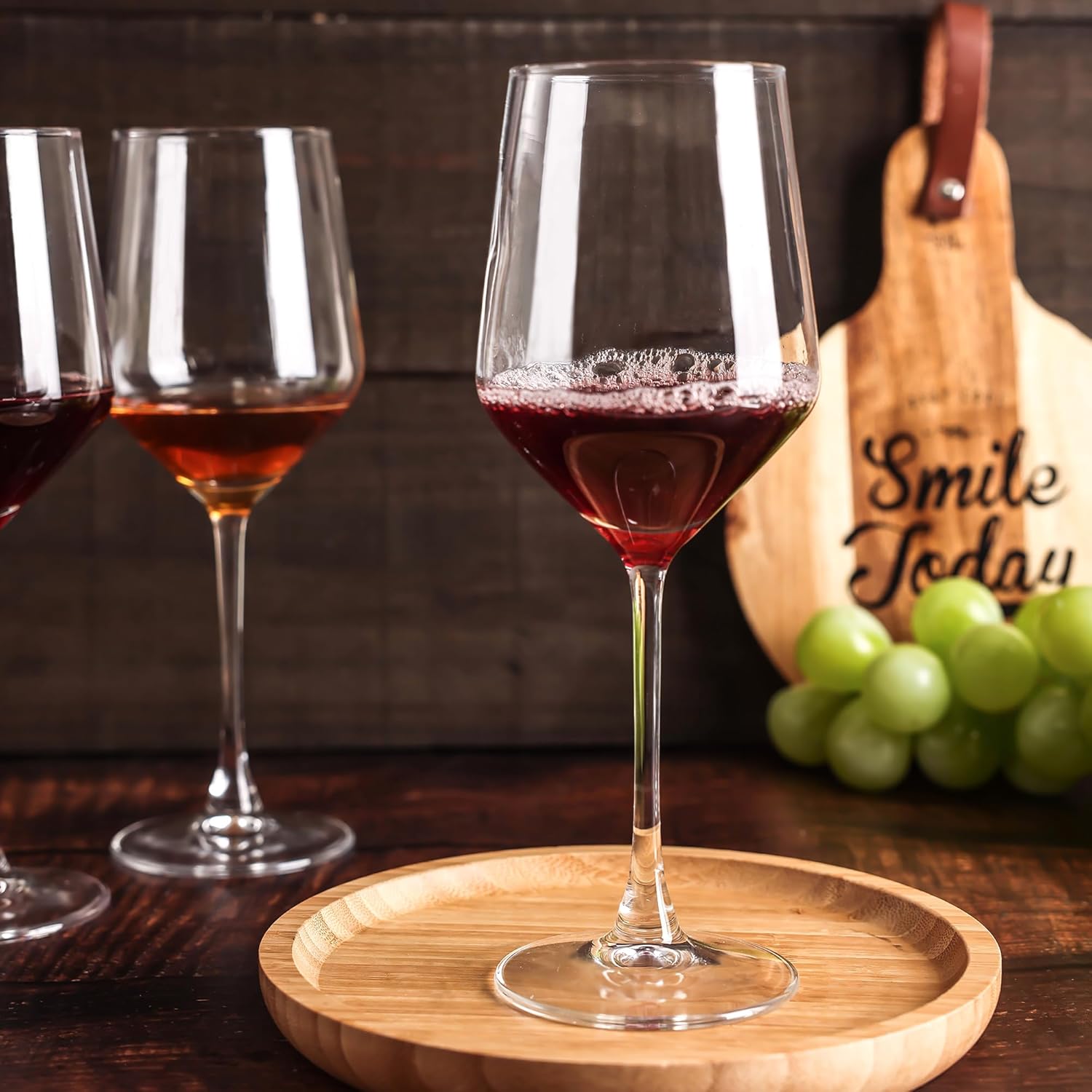
Does the glass matter? Absolutely. A large bowl allows the ethanol to evaporate and directs the wine to the right part of your palate. Drinking a $50 Cabernet out of a coffee mug or a tiny water glass is a tragedy. Ensure you have proper stems. We have a detailed breakdown of this in our article on best wine glasses for red wine.

Can You Drink White Wine with Steak?
While red is the tradition, rules are meant to be broken. If you suffer from red wine headaches or simply prefer white, you can pair it with steak—if you choose carefully.
Avoid light whites like Pinot Grigio or Sauvignon Blanc; they will taste like water against a steak. Instead, look for:
- White Rioja (Aged): Nutty, oxidative, and full-bodied.
- Oaked Chardonnay (California or Australia): Buttery and rich enough to handle veal or a filet mignon with béarnaise.
- Vintage Champagne: The high acidity cuts fat (think fried chicken and bubbles) and the toasted brioche notes complement the sear.
Best Value Picks for 2025
You don’t need to spend $100 to get a great steak wine. Here are three regions offering incredible value right now:
- Mendoza, Argentina (Malbec): You can find 90+ point wines here for under $20. Look for “Reserva” on the label.
- Columbia Valley, Washington (Cabernet): Often outperforms California Cabs at half the price. Intense fruit and great structure.
- Côtes du Rhône, France (Grenache/Syrah Blend): Rustic, spicy, and incredibly food-friendly, often available for $15-$20.