
Can Wine Cause a Yeast Infection? Sugar, Alcohol, Gut Balance & What the Science Actually Says
If you’ve ever noticed a yeast infection emerging after a few nights of wine — or if you keep getting recurring infections and someone suggested cutting back on alcohol — you’re not imagining things. The connection between wine and yeast infections is real, though it’s more nuanced than most people realize.
Wine doesn’t directly give you a yeast infection the way a pathogen does. But through several interconnected biological pathways — sugar content, alcohol’s effect on gut bacteria, immune suppression, and hormonal disruption — regular wine consumption can create the internal environment in which Candida albicans, the fungus responsible for most yeast infections, is more likely to overgrow.
This guide breaks down the full picture: the science of how wine interacts with your body’s yeast balance, which types of wine carry the most risk, what the clinical research actually shows, and what practical steps can help you enjoy wine without repeatedly dealing with uncomfortable infections.
1. What Is a Yeast Infection — and What Causes One?
A yeast infection — medically known as candidiasis — is an overgrowth of the fungus Candida albicans (or, less commonly, other Candida species) in a warm, moist environment in the body. The most common sites are the vagina (vulvovaginal candidiasis), the mouth and throat (oral thrush), and skin folds. Gut candidiasis — an overgrowth in the digestive tract — is also recognized, though it is more controversial in terms of diagnosis.
The Normal State: Balance
Candida is a normal resident of the human body. It lives in small numbers in the gut, mouth, vagina, and on skin without causing any problems. It is kept in check by the immune system, by the acidic pH of certain environments (particularly the vagina), and most importantly by the microbiome — the community of bacteria that coexist with Candida and outcompete it for resources.
A yeast infection occurs when this balance is disrupted: Candida is allowed to overgrow because its competitors (primarily Lactobacillus species in the vagina and various beneficial bacteria in the gut) are reduced, because the immune system is temporarily suppressed, or because the local environment becomes more hospitable to fungal growth.
Classic Triggers
- Antibiotics — kill beneficial bacteria alongside the target pathogen, giving Candida space to expand
- High blood sugar / diabetes — excess glucose feeds Candida and impairs immune function
- Hormonal changes — estrogen fluctuations (menstrual cycle, pregnancy, birth control pills) affect vaginal pH and Candida adhesion
- Corticosteroids or immunosuppressant medications — reduce the immune surveillance that limits Candida
- Tight synthetic clothing — creates a warm, moist local environment
- Chronic stress — cortisol suppresses immune function and may alter gut microbiome
- Dietary factors — high sugar intake, refined carbohydrates, and — relevant to this article — alcohol consumption
🔬 Key Point
Yeast infections are caused by Candida overgrowth, not infection from an outside source. Wine doesn’t introduce new yeast into your body — it creates conditions that allow the yeast already present to multiply beyond the level your body normally keeps it at.
2. The Yeast–Alcohol Connection: Why This Question Makes Biological Sense
The connection between alcohol and yeast is, at its most basic level, a production relationship: wine is made by yeast. Saccharomyces cerevisiae — brewer’s and baker’s yeast — ferments grape sugar into ethanol during winemaking. By the time wine reaches the bottle, most of these yeast cells are dead or removed, but the products of their metabolism (ethanol, organic acids, and other metabolites) remain.
More importantly for health, your own body’s relationship with yeast is affected by what you drink. The ethanol in wine has measurable effects on the gut microbiome, on immune function, on blood sugar regulation, and on the hormonal environment — all of which interact with the Candida that already lives in your body.
Candida’s Relationship with Ethanol
Here’s a fact that surprises many people: Candida albicans itself can produce ethanol as a metabolic byproduct. Some research has explored the relationship between Candida overgrowth and elevated blood ethanol levels (the so-called “auto-brewery syndrome”). More relevant to wine drinkers is the reverse: ethanol from wine acts as a direct carbon source and potentially as a growth stimulus for Candida under certain conditions. In a laboratory setting, sub-lethal concentrations of ethanol have been shown to alter Candida gene expression in ways that can increase its virulence and adhesion to mucosal surfaces.
The Fermentation Parallel
Wine also contains trace amounts of live or dead yeast cells, residual fermentation metabolites, and compounds like acetaldehyde that are produced during fermentation and also generated in the body as alcohol is metabolized. Some researchers have proposed that these fermentation byproducts may interact with gut Candida in ways that are distinct from other alcoholic beverages — though this area of research is still developing. Understanding how wine gets its character through fermentation — which we cover in our wine glossary for beginners — also helps understand why wine’s biological composition is more complex than just “alcohol and water.”
3. The Four Ways Wine Can Contribute to Yeast Infections
Wine doesn’t cause yeast infections through a single mechanism. There are four distinct biological pathways through which regular wine consumption can shift conditions in favour of Candida overgrowth — and understanding each one helps you make smarter choices.
Pathway 1: Sugar Feeding Candida Directly
Candida feeds primarily on sugar. Glucose is its preferred carbon source, and in the presence of abundant glucose, Candida grows rapidly and switches from its relatively harmless yeast form to a more invasive, biofilm-forming hyphal (thread-like) form that is harder for the immune system to clear.
Wine contains varying amounts of residual sugar depending on the style — from less than 1 gram per litre in bone-dry wines to over 200 grams per litre in dessert wines. Even moderate wine consumption contributes to blood sugar fluctuations, and regular consumption of sweeter wine styles can meaningfully elevate average glucose availability in the gut — creating a more hospitable environment for Candida.
Pathway 2: Disruption of the Gut Microbiome
The gut microbiome is the primary line of defence against Candida overgrowth in the digestive tract. Beneficial bacteria — particularly Lactobacillus and Bifidobacterium species — compete with Candida for colonisation sites, produce organic acids that lower the gut pH (making it less hospitable for fungal growth), and stimulate immune responses that keep Candida in check.
Alcohol disrupts this ecosystem. Research has consistently shown that chronic alcohol consumption reduces populations of beneficial gut bacteria, increases intestinal permeability (the so-called “leaky gut” phenomenon), and can promote the growth of pro-inflammatory microbial communities. When the bacterial competitors are reduced, Candida is less constrained and can begin to overgrow.
Pathway 3: Immune Suppression
The immune system — particularly the activity of neutrophils, macrophages, and T-cells — is what ultimately limits Candida growth in most healthy people. Alcohol has well-documented immunosuppressive effects: it reduces neutrophil function, impairs macrophage killing of Candida cells, and affects the production of cytokines (immune signalling molecules) that coordinate antifungal defence.
Even moderate alcohol consumption has been shown to temporarily reduce aspects of immune function. For most healthy people, this temporary dip is not enough to cause problems. But for people who are already at elevated Candida risk (due to stress, recent antibiotic use, hormonal changes, or other factors), the added immunosuppression from regular wine drinking can tip the balance toward overgrowth.
Pathway 4: Hormonal and pH Disruption
In people with a vagina, estrogen plays a central role in maintaining the acidic pH of the vaginal environment (typically pH 3.8–4.5) that keeps Candida in check. Alcohol affects estrogen metabolism — it both elevates circulating estrogen levels (by inhibiting the liver enzyme that breaks estrogen down) and interferes with the feedback systems that regulate estrogen production. Estrogen at elevated levels actually promotes Candida adhesion to vaginal epithelial cells, which is one reason hormonal changes during the menstrual cycle and pregnancy increase yeast infection risk.
Additionally, alcohol’s diuretic effect and disruption of fluid balance can alter the local pH environment in vaginal tissue, creating conditions that are less hostile to Candida.
⚠️ The Compounding Effect
Each of these four pathways is individually manageable. The problem arises when they operate simultaneously — which is exactly what happens with regular wine consumption. Sugar feeding Candida, a disrupted microbiome failing to contain it, reduced immune surveillance, and an altered hormonal environment all occurring at once creates a substantially elevated risk environment for people already prone to yeast infections.
4. Sugar in Wine: The Most Direct Risk Factor
Of the four pathways, sugar content is the most direct and quantifiable link between wine and Candida overgrowth. Not all wines are equal in this regard — the difference between a bone-dry Sauvignon Blanc and a sweet Riesling or dessert wine is enormous from a Candida-feeding perspective.
| Wine Style | Residual Sugar (g/L) | Sugar per 150ml Glass | Candida Risk Level |
|---|---|---|---|
| Bone-dry white/red (e.g. Brut Nature Champagne, dry Riesling) | 0–3 g/L | <0.5g | 🟢 Lowest sugar risk |
| Dry table wine (most reds, dry whites) | 3–9 g/L | 0.5–1.4g | 🟢 Low sugar risk |
| Off-dry wine (Prosecco Extra Dry, off-dry Riesling) | 10–30 g/L | 1.5–4.5g | 🟡 Moderate sugar risk |
| Semi-sweet / medium-sweet wines | 30–80 g/L | 4.5–12g | 🟠 Elevated sugar risk |
| Sweet wines (Moscato, late harvest, ice wine) | 80–150+ g/L | 12–22g+ | 🔴 High sugar risk |
| Dessert wines (Sauternes, TBA, PX Sherry) | 150–400+ g/L | 22–60g+ | 🔴 Highest sugar risk |
The Blood Sugar Spike Mechanism
Even dry wines, despite their low residual sugar, cause blood sugar fluctuations. Ethanol is metabolised by the liver in a way that initially impairs the liver’s ability to release glucose into the bloodstream (causing hypoglycaemia), followed by a rebound period. This blood sugar volatility — particularly the glucose spike that can follow alcohol metabolism — provides periodic bursts of available glucose that Candida can exploit.
For people with pre-diabetes, insulin resistance, or Type 2 diabetes, this effect is dramatically amplified. Uncontrolled blood sugar is one of the strongest independent risk factors for recurrent yeast infections, and alcohol’s effect on glycaemic control makes this worse.
Fructose: The Other Wine Sugar
Wine contains both glucose and fructose as residual sugars (in roughly equal proportions in unfermented grape must). Fructose is metabolised differently from glucose — it goes primarily to the liver and does not raise blood glucose as sharply — but Candida can also use fructose as a carbon source. In addition, high fructose intake contributes to fatty liver, which impairs liver function including the ability to properly metabolise oestrogen and immune signalling molecules.
5. Which Types of Wine Carry the Highest Yeast Infection Risk?
Not all wine is equally problematic. Here’s a practical breakdown of common wine styles and their relative risk profile for people concerned about Candida overgrowth.
Sweet & Dessert Wines
Moscato, Sauternes, ice wine, late harvest, PX Sherry. Very high residual sugar directly feeds Candida. Avoid entirely if prone to yeast infections.
Sparkling (Off-Dry)
Prosecco Extra Dry, Demi-Sec Champagne, sweet Cava. Combines moderate sugar with carbonation that speeds alcohol absorption. Double concern for gut balance.
Commercial Reds & Whites
Many mass-market wines add residual sugar beyond fermentation. Check labels — “smooth” reds often have 10–20 g/L hidden sugar. Higher alcohol also means more immune impact.
Dry Red Wine
Cabernet, Malbec, Shiraz, Pinot Noir. Low residual sugar but high in tannins and alcohol. Immune suppression and microbiome disruption are the main concerns — not sugar.
Bone-Dry White & Natural Wines
Dry Sauvignon Blanc, unoaked Chardonnay, dry Riesling, many natural/orange wines. Lowest sugar content. Lower alcohol styles reduce immune impact. Still not risk-free.
Non-Alcoholic Wine (0.0% ABV)
Eliminates alcohol’s immune and microbiome effects. Choose dry-style 0.0% to also minimise sugar. Best option during or after a yeast infection.
Understanding the difference between wine styles — their sugar levels, alcohol content, and production methods — is key to making better choices. Our guide to wine varietals and their characteristics covers the natural acidity, sugar, and alcohol profiles of major grape varieties in detail.
🍷 Watch Out for “Smooth” Mass-Market Wines
Many popular commercial wines — particularly mid-price reds and sweeter white blends — are back-sweetened after fermentation to improve palatability. These wines can contain 10–30 g/L of residual sugar that is not obvious from the label. If you are yeast-infection prone, choose wines from producers who disclose their residual sugar levels, or look for “brut” or “dry” designations that are regulated in sparkling wines.

Culturelle Probiotics — contains Lactobacillus rhamnosus, widely studied for supporting vaginal and gut microbiome balance
👉 Check Probiotics on Amazon As an Amazon Associate, WineArmy may earn from qualifying purchases6. Wine, the Gut Microbiome, and Candida Overgrowth
The gut microbiome is arguably the most important factor in determining whether Candida remains commensal (harmless) or becomes pathogenic (infection-causing). Recent research has dramatically expanded our understanding of how what we eat and drink shapes this ecosystem — and wine’s effects are complex and sometimes contradictory.
The Polyphenol Paradox
Wine — particularly red wine — is rich in polyphenols including resveratrol, quercetin, and various flavonoids. Some of these compounds have documented antifungal properties in laboratory settings: resveratrol has been shown to inhibit Candida biofilm formation, and certain wine polyphenols can disrupt Candida cell membrane integrity.
At the same time, the alcohol that carries these polyphenols actively disrupts the beneficial bacteria that compete with Candida. The net effect on gut Candida balance from wine drinking appears to depend heavily on the quantity consumed, the individual’s microbiome resilience, and baseline gut health. The polyphenol benefit of red wine does not appear to outweigh the alcohol-mediated disruption at typical consumption levels — particularly for people already susceptible to yeast infections. This is a nuanced area explored further in our piece on organic and natural wines, which tend to have higher polyphenol counts and lower intervention levels.
Alcohol and Intestinal Permeability
One of the most well-documented effects of regular alcohol consumption on gut health is increased intestinal permeability — colloquially known as “leaky gut.” Alcohol disrupts the tight junction proteins between intestinal epithelial cells, allowing bacterial and fungal products (including Candida toxins like candidalysin and mannoproteins) to pass into the bloodstream in greater quantities. This triggers systemic inflammation and immune activation that can paradoxically exhaust the immune responses that would otherwise contain local Candida populations.
The Microbiome–Vaginal Axis
There is growing evidence of a gut–vaginal microbiome axis: the composition of your gut bacteria influences the composition of your vaginal microbiome. Women with Lactobacillus-dominated gut microbiomes tend also to have Lactobacillus-dominated vaginal microbiomes — the protective state associated with low Candida infection risk. Disrupting gut Lactobacillus populations through regular alcohol consumption may therefore have downstream effects on vaginal Candida susceptibility, not just on gut candidiasis.
7. Alcohol, Immune Suppression, and Candida Vulnerability
The immune system’s role in controlling Candida cannot be overstated. People with severely compromised immune systems — HIV/AIDS patients, transplant recipients, those on high-dose chemotherapy — are at risk of life-threatening systemic candidiasis. This represents the extreme end of the immune-Candida relationship. For the general population, immune function sits on a spectrum, and regular alcohol consumption nudges it measurably toward the more vulnerable end.
Neutrophil Function
Neutrophils are the white blood cells primarily responsible for killing Candida cells through phagocytosis (engulfing and destroying them). Studies have shown that even moderate alcohol consumption reduces neutrophil recruitment to sites of Candida colonisation and impairs their killing efficiency. This effect is most pronounced in the 24–48 hours following significant alcohol consumption — which aligns with the experience many women report of yeast infection symptoms emerging 1–2 days after a night of heavy wine drinking.
Mucosal Immunity
The vaginal and gut mucosae (the inner lining surfaces) have their own localised immune systems, including secretory IgA antibodies and tissue-resident immune cells that monitor Candida levels and respond quickly to overgrowth signals. Alcohol reduces secretory IgA production and impairs the function of mucosal dendritic cells — the sentinels that coordinate the early immune response to Candida. This degradation of mucosal immunity is where many believe the most clinically meaningful alcohol–Candida interaction occurs.
The Stress–Alcohol–Cortisol Loop
Many people drink wine as a stress-management strategy. Ironically, chronic alcohol use disrupts cortisol regulation in a way that can leave cortisol chronically elevated — and cortisol is itself immunosuppressive. The combination of stress, elevated cortisol, and alcohol’s direct immunosuppressive effects creates a compounding vulnerability to Candida overgrowth that is greater than either factor alone.
8. Who Is Most at Risk of Wine-Related Yeast Infections?
Wine affects everyone’s Candida risk environment to some degree, but certain groups face substantially elevated risk when they drink regularly.
| Risk Factor | Why It Amplifies Wine’s Effect | Risk Level |
|---|---|---|
| History of recurrent yeast infections | Suggests baseline Candida susceptibility; any additional trigger (including wine) more likely to tip balance toward overgrowth | 🔴 Very high |
| Recent antibiotic use | Antibiotics already deplete protective bacteria; alcohol compounds microbiome disruption | 🔴 Very high |
| Diabetes or pre-diabetes | Already elevated blood glucose; alcohol worsens glycaemic control further | 🔴 Very high |
| Pregnancy | Hormonal changes already elevate Candida risk; alcohol adds immune and pH disruption | 🔴 Very high (alcohol also contraindicated in pregnancy) |
| Hormonal contraceptives (high-estrogen) | Estrogen promotes Candida adhesion; alcohol elevates estrogen further | 🟠 High |
| Chronic stress | Cortisol already suppressing immunity; alcohol compounds immune impairment | 🟠 High |
| Immunosuppressive medications | Already reduced immune capacity; alcohol further reduces antifungal defences | 🟠 High |
| Poor diet (high refined carbs/sugar) | Diet already feeding Candida; wine’s sugar content adds further fuel | 🟠 High |
| Generally healthy adults — occasional wine | Resilient microbiome and immune system can manage occasional alcohol exposure | 🟢 Low–moderate |
9. What the Research Actually Shows
It’s important to be honest about what science has and hasn’t established about wine and yeast infections specifically — because much of the online conversation overstates the directness of the connection.
What Is Well-Established
- Alcohol consumption disrupts gut microbiome composition, reducing beneficial Lactobacillus populations — this is supported by multiple human and animal studies
- Alcohol impairs neutrophil and macrophage function against Candida in vitro (laboratory) and in animal models
- High sugar intake is independently associated with increased Candida infection risk, particularly in diabetic populations
- Alcohol elevates circulating oestrogen levels by inhibiting hepatic oestrogen metabolism
- Chronic heavy alcohol use is associated with significantly increased risk of invasive candidiasis in hospitalised patients
What Is Suggestive But Not Proven
- Moderate wine consumption causing clinically significant increase in vaginal yeast infection risk in healthy individuals — direct human trial data is limited
- The gut–vaginal microbiome axis as a direct route from wine-induced gut dysbiosis to vaginal Candida overgrowth — plausible but not yet confirmed in controlled trials
- Wine-specific compounds (as opposed to ethanol in general) having unique effects on Candida virulence in humans
The Honest Assessment
There is no randomised controlled trial that has enrolled healthy women, given them wine, and measured rates of yeast infection. What we have is robust mechanistic evidence (alcohol impairs the systems that contain Candida), epidemiological associations (heavy drinkers have higher rates of candidiasis), and a large body of patient-reported correlations. The scientific picture is consistent: wine creates conditions that favour Candida overgrowth. But the strength of that effect in any individual depends heavily on baseline risk factors.

Monistat 7 — the most widely recommended over-the-counter treatment for vaginal yeast infections
👉 Check Monistat on Amazon As an Amazon Associate, WineArmy may earn from qualifying purchases10. Wine and Recurring Yeast Infections: The Pattern Many Women Notice
One of the most common patterns reported by women with recurrent yeast infections is a temporal association between wine consumption and symptom onset — typically with symptoms appearing 24–72 hours after a night of heavier wine drinking. Understanding why this pattern occurs helps address it.
Why the Delay?
Candida overgrowth doesn’t happen instantaneously. After a wine-related disruption to immune function and microbiome balance, Candida needs time to multiply to the population size that produces symptoms. The immune suppression from alcohol peaks within hours and largely resolves within 24–48 hours, but by that point Candida may have already begun an overgrowth cycle that continues even as alcohol clears the system.
The Cumulative Pattern
For many women, a single evening of wine doesn’t cause a yeast infection. The problem tends to be cumulative — several consecutive evenings of wine drinking, or weeks of regular consumption, progressively deplete the microbiome and tire the immune response until Candida finally gains the upper hand. This cumulative pattern makes it harder to identify wine as the cause, since the infection seems to arrive “out of nowhere” rather than immediately after a specific trigger event.
The Antibiotic + Wine Combination
The highest-risk scenario for wine-triggered yeast infections is the combination of recent antibiotic use and regular wine drinking. Antibiotics dramatically reduce the protective bacteria that contain Candida; alcohol then further impairs the immune mechanisms that would compensate for that microbial loss. This combination is far more likely to produce a symptomatic yeast infection than either factor alone, and it is surprisingly common — many women take antibiotics for respiratory or urinary tract infections while continuing to drink wine socially without recognising the compounded risk.
Hormonal Timing and Wine
The luteal phase of the menstrual cycle (the week before menstruation) is already the period of highest yeast infection risk due to progesterone dominance and glycogen availability in vaginal tissue. Women who drink more wine during this phase — perhaps at weekend social events — may find that infections cluster premenstrually, misattributing the timing to hormones alone when wine is also a contributing factor.
11. How to Reduce Your Risk While Still Enjoying Wine
You don’t necessarily have to eliminate wine entirely to reduce your yeast infection risk — but if you are prone to recurrent infections, strategic changes to how and what you drink can make a meaningful difference.
Choose Dry, Low-Sugar Styles
The most direct risk-reduction step is switching to genuinely dry wines with low residual sugar. Bone-dry whites (Muscadet, dry Riesling, Picpoul de Pinet, classic Chablis) and dry reds have minimal sugar content. Avoid sweet whites, off-dry Prosecco, and dessert wines entirely if you are in a high-risk period. Reading wine labels carefully — a skill covered in our guide to reading wine labels quickly — can help you identify sugar levels and make better-informed choices at the bottle.
Moderate the Quantity
Immune suppression from alcohol is dose-dependent. One glass of dry wine two or three evenings a week has a substantially smaller effect on immune function and microbiome balance than nightly drinking or weekend-heavy patterns. If you drink daily, even reducing to 4–5 evenings a week may be enough to allow your protective bacteria to recover between exposures.
Support Your Microbiome with Probiotics
Taking a high-quality probiotic — particularly one containing Lactobacillus rhamnosus GR-1 and Lactobacillus reuteri RC-14, which are the strains with the most clinical evidence for vaginal health — can help counteract wine’s disruptive effects on beneficial bacteria. Taking probiotics on the same days you drink wine, and particularly after a course of antibiotics combined with wine consumption, provides meaningful protection.
Eat Before and During
Drinking wine with food rather than on an empty stomach slows alcohol absorption, reduces peak blood alcohol concentration, and buffers the impact on blood sugar. The mechanical stimulation of eating also supports healthy gut motility, which helps maintain microbiome diversity. Pairing wine thoughtfully with food is both a pleasure and, in this context, a genuine health strategy. Our guide on pairing wine with food has all the principles you need.
Hydrate Between Glasses
Alternating glasses of wine with water reduces the total alcohol absorbed per hour, counteracts the dehydrating effect, and helps maintain the fluid balance that keeps vaginal mucous membranes healthy. It’s a simple habit with measurable benefits for both your gut and vaginal health.
Avoid Wine During or After Antibiotics
If you are on or have recently finished a course of antibiotics, give your microbiome time to recover before resuming wine drinking. This means ideally 1–2 weeks of no or minimal alcohol after completing antibiotics — which is also the most common window for yeast infection emergence. Taking a quality probiotic during and after antibiotic treatment, alongside minimising wine, gives your protective bacteria the best chance of re-establishing before Candida fills the gap.
Maintain Good Blood Sugar Control
If you have pre-diabetes or diabetes, managing blood glucose is the single most impactful step for yeast infection prevention — more so than any wine choice. Keeping blood sugar stable through diet, exercise, medication compliance, and moderate alcohol consumption reduces the glucose availability that fuels Candida most directly.
Consider Natural or Organic Wines
Some practitioners who work with candidiasis patients suggest choosing natural, organic, or low-intervention wines — which tend to have fewer additives, lower sulfite levels, and often lower residual sugar and alcohol. The evidence that organic wine specifically reduces Candida risk is not established, but the general principle of minimising chemical additives aligns with supporting a healthy microbiome.
12. Can You Drink Wine During Yeast Infection Treatment?
If you currently have a yeast infection and are using antifungal treatment, the question of wine comes up practically. Here’s what you need to know.
Topical Antifungal Treatments (Monistat, Canesten)
For over-the-counter topical treatments (clotrimazole, miconazole creams or suppositories), there is no direct drug interaction with alcohol. The antifungal is applied locally and is not significantly absorbed into the bloodstream. However, continuing to drink wine while treating a yeast infection with topical antifungals is counterproductive in a broader sense: you are simultaneously treating the infection and continuing to create the conditions (immune suppression, sugar feeding, microbiome disruption) that allowed it to occur in the first place. Most healthcare providers recommend avoiding alcohol during active treatment as a general measure to support recovery.
Oral Antifungal Medication (Fluconazole / Diflucan)
Fluconazole is the most commonly prescribed oral antifungal for vaginal yeast infections. It is processed by the liver. Alcohol also competes for hepatic metabolism and places additional burden on the liver. While there is no absolute contraindication between fluconazole and moderate alcohol consumption, drinking wine while taking fluconazole can reduce the drug’s efficacy (by competing for the same metabolic pathways), increase the risk of side effects including nausea and dizziness, and place unnecessary strain on the liver. Avoid or significantly limit alcohol while taking oral antifungal medications, and follow your prescriber’s specific guidance.
Long-Term Antifungal Treatment
For patients on long-term suppressive antifungal therapy (used for recurrent vulvovaginal candidiasis — defined as four or more infections per year), regular alcohol consumption is particularly inadvisable. Long-term antifungal regimens are attempting to break an overgrowth cycle; continuing to consume alcohol that feeds the very conditions driving that cycle undermines the entire treatment strategy.
💊 Always Check With Your Prescriber
Drug–alcohol interactions vary by specific medication, dose, and individual liver function. If you have been prescribed any antifungal medication, ask your prescriber or pharmacist specifically about alcohol consumption before continuing to drink wine.
13. Lower-Risk Wine Choices for Candida-Prone Individuals
If you love wine and want to continue enjoying it while managing your susceptibility to yeast infections, here are the most practical choices — ranked from most to least Candida-friendly.
| Wine Choice | Sugar Level | Alcohol | Additional Notes | Candida Risk |
|---|---|---|---|---|
| 0.0% ABV dry non-alcoholic white | Very low (dry style) | None | Eliminates immune suppression and ethanol effects entirely | ✅ Lowest |
| Bone-dry still white (Muscadet, Chablis, dry Riesling) | Under 3 g/L | Low–moderate (10–12%) | Choose lower-alcohol styles to further reduce immune impact | 🟢 Low |
| Dry light red (Pinot Noir, Gamay, Frappato) | Under 3 g/L | Low–moderate | Lower tannins and alcohol than heavy reds; moderate polyphenol content | 🟢 Low–moderate |
| Dry rosé (Provence style) | 2–5 g/L | Moderate | Low sugar, moderate alcohol; a reasonable choice | 🟡 Moderate |
| Brut Champagne / Brut Nature sparkling | Under 12 g/L (Brut) | Moderate | Carbonation accelerates absorption; choose Brut Nature (0–3 g/L) for lowest sugar | 🟡 Moderate |
| Full-bodied oaked red (Cabernet, Shiraz) | Low sugar | High (13.5–15%) | Higher alcohol = more immune impact per glass | 🟠 Moderate–high |
| Moscato, off-dry whites, sweet rosé | 30–100 g/L | Low–moderate | High sugar directly feeds Candida | 🔴 High |
| Dessert wines, ice wine, PX Sherry | 100–400+ g/L | Variable | Extremely high sugar; avoid entirely if yeast-infection prone | 🔴 Highest |
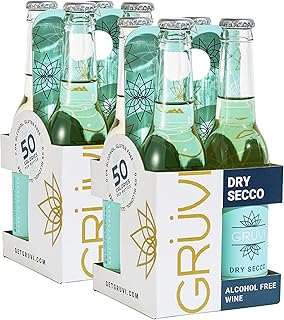
Torres Natureo — a verified 0.0% ABV wine with minimal sugar, ideal for Candida-conscious wine lovers
👉 Shop Torres Natureo on Amazon As an Amazon Associate, WineArmy may earn from qualifying purchases14. Summary: Wine Risk Factors for Yeast Infections at a Glance
✅ Factors That Reduce Risk
- Choosing genuinely dry, low-sugar wines
- Drinking in moderation (1–2 glasses, not nightly)
- Drinking wine with food
- Alternating wine with water
- Taking a quality Lactobacillus probiotic
- Allowing microbiome recovery between drinking occasions
- Choosing lower-alcohol wine styles (10–12% ABV)
- Avoiding wine entirely during and after antibiotic courses
- Maintaining good blood sugar control
- Using 0.0% non-alcoholic wine as a substitute
❌ Factors That Increase Risk
- Sweet, dessert, or off-dry wines with high residual sugar
- Daily or heavy wine drinking
- Drinking on an empty stomach
- Combining wine with recent antibiotic use
- High-alcohol wines (13.5%+ ABV) — more immune impact per glass
- Sparkling wines — carbonation accelerates alcohol absorption
- Commercial “smooth” reds with hidden back-sweetening
- Pre-existing conditions: diabetes, hormonal imbalances, chronic stress
- Drinking wine during active yeast infection treatment
- Poor overall diet high in refined carbohydrates
Frequently Asked Questions
Wine does not directly cause yeast infections the way a pathogen does. Instead, it creates biological conditions that favour Candida overgrowth: the sugar in wine feeds Candida directly, alcohol disrupts the gut microbiome that normally contains it, alcohol suppresses the immune responses that limit it, and alcohol alters oestrogen metabolism in ways that promote Candida adhesion. For people already prone to yeast infections, wine can be a meaningful trigger — but it works through these indirect mechanisms rather than introducing new yeast into the body.
The comparison is nuanced. Dry red wine typically has very low residual sugar — so from a direct Candida-feeding perspective, it is similar to dry white wine. However, red wine generally has higher alcohol content (and therefore greater immune suppression per glass) and higher levels of polyphenols that have mild antiplatelet and anti-inflammatory properties. Sweet white wines like Moscato or off-dry Riesling carry higher risk than dry reds purely due to sugar content. The highest-risk wines are sweet styles regardless of colour, and the lowest-risk alcoholic options are bone-dry whites and light reds with low alcohol percentages.
If wine is a contributing trigger, symptoms typically appear 24–72 hours after the wine-drinking event, sometimes up to several days later. This delay occurs because Candida needs time to multiply to the population size that produces noticeable symptoms after the window of immune suppression opens. The connection is often missed because symptoms appear to arrive “out of nowhere” rather than immediately after drinking. For women who experience recurring infections, keeping a diary of wine consumption alongside symptom onset often reveals this pattern clearly.
Sparkling wines carry additional risk beyond their alcohol and sugar content because carbonation accelerates alcohol absorption, causing blood alcohol to peak faster and higher per unit consumed. This produces more pronounced immune suppression per glass compared to still wine with equivalent alcohol content. Dry sparkling wines (Brut Nature, Extra Brut, Brut) have low sugar and are less problematic than off-dry sparkling options (Extra Dry, Sec, Demi-Sec), but the absorption speed remains a concern. Choosing still dry wine over sparkling is a reasonable risk-reduction step for Candida-prone individuals.
It is advisable to avoid or significantly limit alcohol while taking fluconazole (Diflucan). Both alcohol and fluconazole are metabolised by the liver, and concurrent use can reduce the drug’s effectiveness, increase the risk of side effects including nausea and dizziness, and place unnecessary stress on hepatic function. More broadly, continuing to drink wine while treating a yeast infection is counterproductive regardless of medication type — you are simultaneously treating the infection and recreating the conditions that caused it. Always ask your prescriber for specific guidance on alcohol with any antifungal medication.
Cutting out wine is unlikely to cure recurring yeast infections on its own, but it can be a meaningful part of a broader management strategy. Recurrent vulvovaginal candidiasis (four or more infections per year) typically has multiple contributing factors. Eliminating wine removes several of the conditions that favour overgrowth simultaneously, and many women with recurring infections report improvement when they reduce alcohol alongside dietary changes, probiotic support, and addressing other risk factors. If you have recurrent infections, work with a healthcare provider to identify all contributing factors — a comprehensive approach is more effective than any single change.
Probiotics — particularly strains of Lactobacillus rhamnosus GR-1 and Lactobacillus reuteri RC-14 — have good clinical evidence for reducing recurrent vaginal yeast infections. Taking a quality probiotic does not eliminate the risk from wine consumption, but it can meaningfully counteract alcohol’s disruptive effects on the beneficial bacteria that contain Candida. Think of probiotics as supporting the microbiome resilience that wine drinking erodes. They are most valuable when taken consistently (not just reactively after an infection) and particularly during and after antibiotic courses when microbiome depletion is most severe.
Yes — men can develop Candida infections too, most commonly on the penis (balanitis candidiasis), in the mouth (oral thrush), or in the gut. The same mechanisms apply: alcohol disrupts gut microbiome balance, suppresses immune function, and elevates blood sugar, all of which can contribute to Candida overgrowth in men. Penile yeast infections are more common in men with diabetes, those who are uncircumcised, or those whose partner has an active vaginal yeast infection. Men who drink heavily and have one or more of these risk factors face comparable elevated Candida risk from alcohol as women.
Non-alcoholic wine with 0.0% ABV eliminates the immune suppression and microbiome disruption caused by ethanol — the two most significant wine-related Candida risk mechanisms. However, some non-alcoholic wines contain added sugar to compensate for the flavour lost during dealcoholisation, so choosing a dry-style 0.0% product with low residual sugar is important. Brands like Torres Natureo (dry white), Leitz Eins Zwei Zero (Riesling), and Oddbird (sparkling) offer genuinely dry, low-sugar options that are substantially safer than conventional wine for Candida-prone individuals. Still, non-alcoholic wine is not entirely risk-free if it contains significant sugar.
In most healthy adults with robust immune function and a healthy gut microbiome, the sugar in a glass or two of wine is unlikely to cause a yeast infection on its own. The sugar from a dry wine (under 3 g/L) is modest — less than half a gram per glass. However, for someone who already has elevated Candida from other causes, or who regularly drinks sweet wines (which can have 12–60g of sugar per glass), the direct glucose availability can be meaningful. Sugar becomes a more significant risk factor when combined with alcohol’s immune and microbiome effects, and especially when blood sugar control is already compromised by diabetes or pre-diabetes.
Conclusion: Wine Doesn’t Directly Cause Yeast Infections — But It Can Tip the Balance
The relationship between wine and yeast infections is indirect but real. Wine doesn’t introduce Candida into your body — that yeast is already there. What wine does is weaken the biological systems that keep it in check: the gut microbiome, the immune response, blood sugar stability, and the hormonal environment that maintains an inhospitable pH for Candida.
For most healthy people who drink wine occasionally and in moderation, this weakening is temporary, modest, and well within the body’s ability to manage. For people with underlying susceptibility — a history of recurrent infections, recent antibiotic use, diabetes, hormonal imbalances, or chronic stress — wine can be the tipping point that pushes an already-stressed system into a symptomatic overgrowth.
The practical takeaways are straightforward: choose dry, low-sugar wine styles; drink moderately and with food; support your microbiome with probiotics; avoid wine during and after antibiotic courses; and consider switching to quality 0.0% non-alcoholic wine entirely if infections are recurring. These steps don’t require giving up wine culture — they require being thoughtful about how, when, and what you drink.
If you experience recurring yeast infections regardless of these changes, please consult a healthcare provider. Recurrent candidiasis can have underlying causes — including undiagnosed diabetes, immune system conditions, or resistant Candida strains — that require proper medical assessment.
Explore Low-Sugar, Dry Wine Options
Find genuinely dry wines and premium 0.0% ABV alternatives that minimise Candida risk without sacrificing the pleasure of wine.
🛒 Shop Dry Non-Alcoholic Wines on Amazon As an Amazon Associate, WineArmy may earn from qualifying purchases