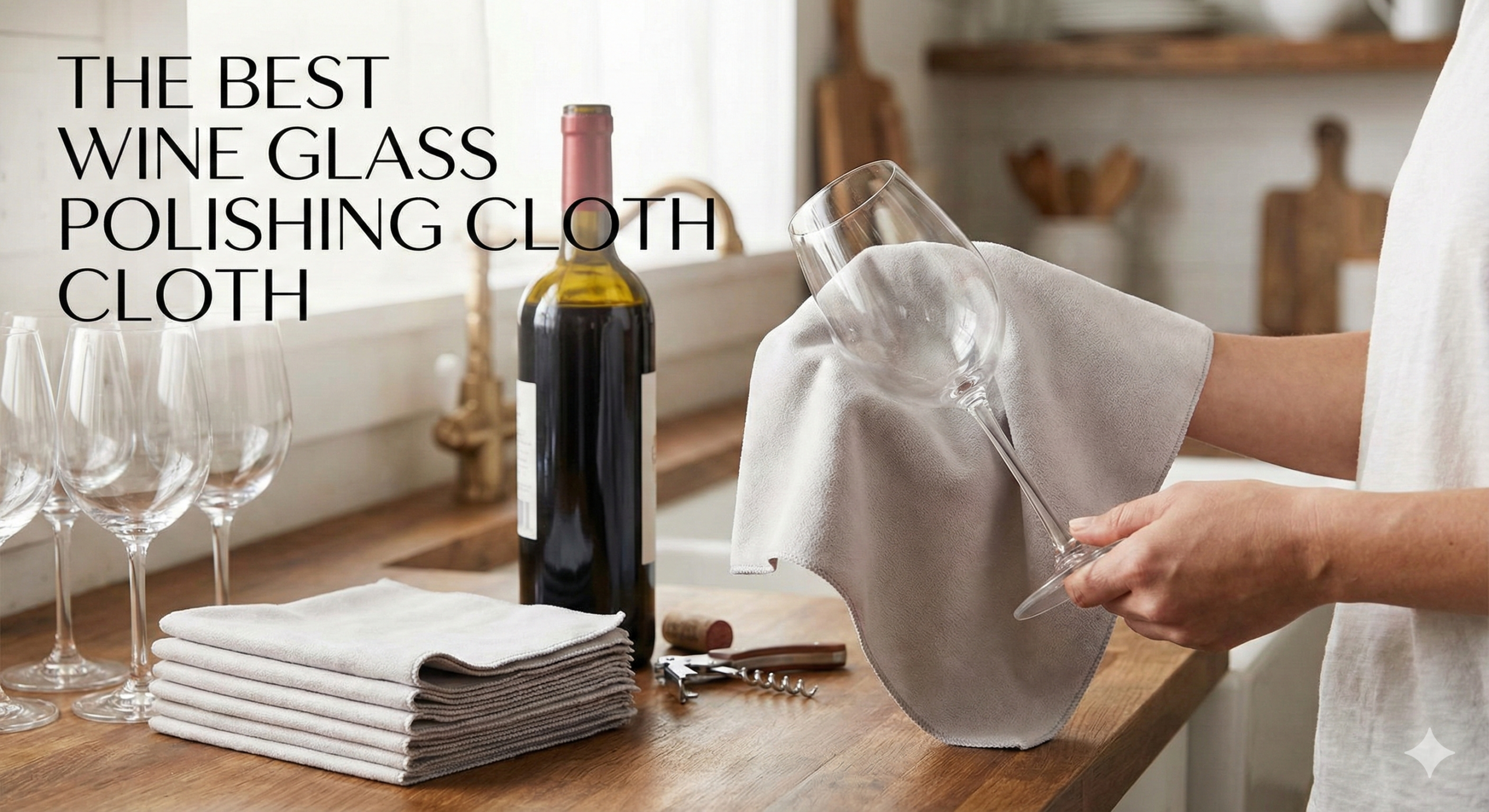
Best Wine Glass Polishing Cloth Review: The Secret to Crystal Clarity
There is a specific kind of heartbreak known only to wine lovers: pulling a beautiful, expensive crystal glass from the cabinet, holding it up to the light, and seeing… spots. Dried water droplets, cloudy mineral deposits, and the faint, greasy smudge of a fingerprint. It ruins the aesthetic, but more importantly, it can ruin the wine.
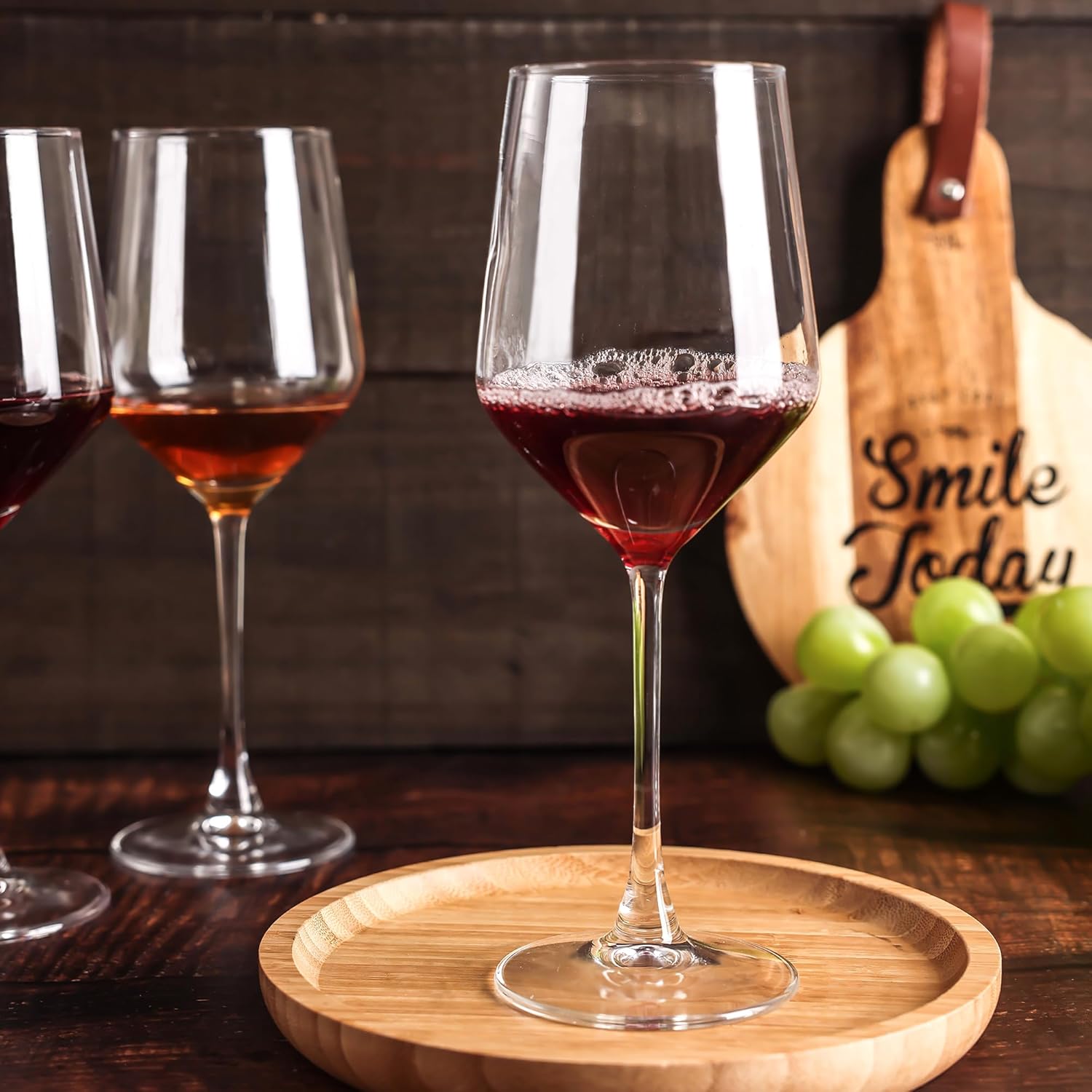
Residue on a glass isn’t just ugly; it’s a flavor killer. Detergent film can flatten the bubbles in Champagne. Musty odors from a damp towel can mask the delicate aromas of a Pinot Noir. If you have invested in the best wine glasses, maintaining them with the proper tools is not optional—it is essential.
The secret weapon of sommeliers worldwide is not a fancy dishwasher or a chemical spray; it is the polishing cloth. But not all cloths are created equal. Some leave lint, some don’t absorb water, and some are too small to cover the bowl. In this comprehensive review, we have tested the market leaders to bring you the absolute best wine glass polishing cloths available today.
Top Pick: Riedel Large Microfiber Polishing Cloth
Riedel Microfiber Polishing Cloth
When it comes to crystal glassware, Riedel is the name to beat. It makes sense that they would engineer the perfect tool to care for their products. This isn’t just a rebranded towel; it is a specialized tool designed for the unique contours of wine glasses.
Why It Wins:
- Size Matters: At 20″ x 25″, it is massive. This is crucial because it allows you to hold the base of the glass with one hand (covered by the cloth) while polishing the bowl with the other hand (also covered). Your skin never touches the glass.
- Lint-Free Guarantee: Many “microfiber” cloths shed tiny plastic fibers. The Riedel cloth is tightly woven to ensure zero particulate matter is left behind.
- Absorbency: It can dry a damp glass instantly without leaving streaks.
If you own premium stemware or a complex wine decanter, this is the only cloth you should trust.

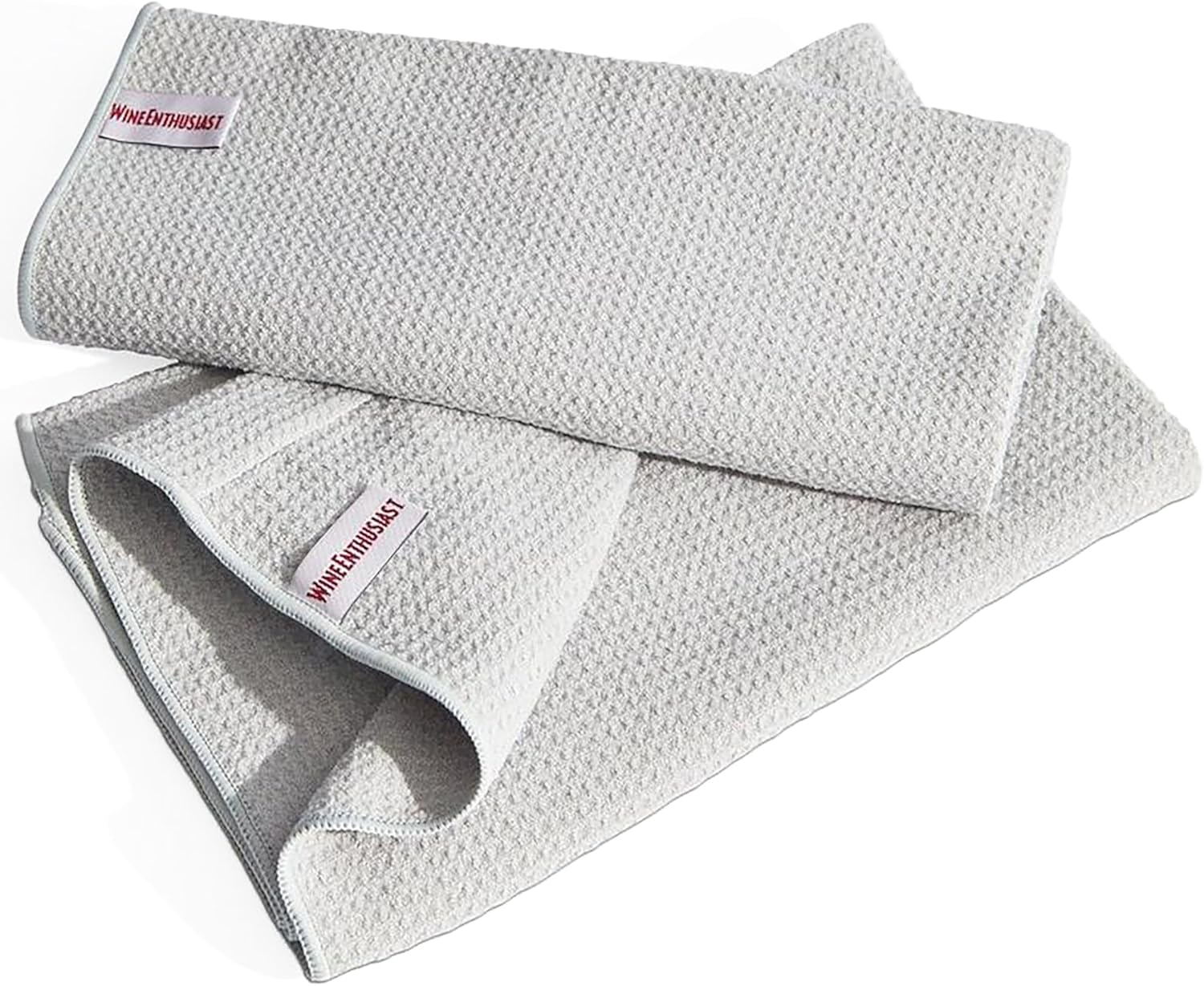
Runner Up: Wine Enthusiast Large Microfiber
Wine Enthusiast Stemware Cloth
Coming in a close second is the offering from Wine Enthusiast. While slightly less luxurious in feel than the Riedel, it performs 95% of the work for a slightly lower price point.
Key Features:
- Texture: It has a slightly “grippier” texture than the silky Riedel, which some users prefer for scrubbing away stubborn lipstick marks on the rim.
- Durability: These cloths hold up exceptionally well to repeated washing without losing their static-fighting properties.
- Size: Still oversized, allowing for the proper “two-hand” polishing technique.
This is an excellent addition to any collection of essential wine accessories.
Budget Pick: Flour Sack Towels (100% Cotton)
Before microfiber took over the world, sommeliers used linen or cotton. Specifically, “flour sack” towels. These are thin, lint-free cotton towels traditionally used for baking.
Pros: They are incredibly cheap (you can buy a pack of 12 for the price of one Riedel cloth). They are natural fibers, so no microplastics. They are highly absorbent.
Cons: They do not polish as effectively as microfiber. They absorb water, but they don’t have the static charge that pulls dust off dry glass. They also wrinkle terribly and often require ironing to be usable for polishing.
Material Guide: Microfiber vs. Linen vs. Cotton
Why does material matter? It comes down to two things: Lint and Absorption.
Microfiber (Synthetic)
Microfiber is a blend of polyester and polyamide. The fibers are split, creating millions of tiny hooks that grab dirt, dust, and water.
Verdict: The best for streak-free shine and dust removal.
Linen (Natural)
The traditional choice. Linen is strong, absorbent, and naturally lint-free because the fibers are long. However, it is stiff when dry and expensive.
Verdict: Excellent, but high maintenance (needs ironing).
Cotton (Natural)
Cotton terry cloth (standard kitchen towels) is the enemy. It sheds lint like crazy. Avoid standard towels at all costs. Only high-quality flour sack cotton is acceptable.
Verdict: Good for drying, bad for polishing.
The Proper Polishing Technique
Having the best cloth is useless if your technique snaps the stem. Here is the sommelier standard method.
- Steam: Boil a kettle. Hold the glass upside down over the steam for 3 seconds. This provides the perfect amount of distilled moisture.
- Base First: Hold the glass by the base using one corner of your large cloth. Polish the base with the other hand.
- The Stem: Gently run the cloth up and down the stem. Never twist the base and bowl in opposite directions. This torque is the #1 cause of breakage.
- The Bowl: Cradle the bowl in one hand (cloth between hand and glass). Use the other hand to stuff the cloth inside the bowl and gently rotate.
For tougher cleaning jobs, like removing sediment from decanters, check our guide on how to clean a wine decanter properly.
How to Wash Your Cloths
You can ruin a $15 polishing cloth in one wash cycle. Here is the golden rule:
NEVER use fabric softener or dryer sheets.
Fabric softeners coat fibers in a thin layer of wax/oil to make them feel soft. If you use this on a polishing cloth, you are essentially smearing that wax all over your wine glass. The result is a hydrophobic, streaky mess.
Wash Instructions: Hot water. Mild detergent (fragrance-free). Air dry or tumble dry low with no sheets.
Common Mistakes to Avoid
- Using Dirty Cloths: If you drop the cloth, wash it. It has picked up grit from the floor that will scratch your crystal.
- Polishing Dry: Friction on dry glass creates static (attracting dust) and stress on the glass. Always steam first.
- Touching with Bare Hands: Your hands have oils. If you touch the bowl after polishing, you’ve wasted your time. Use the cloth as a barrier.