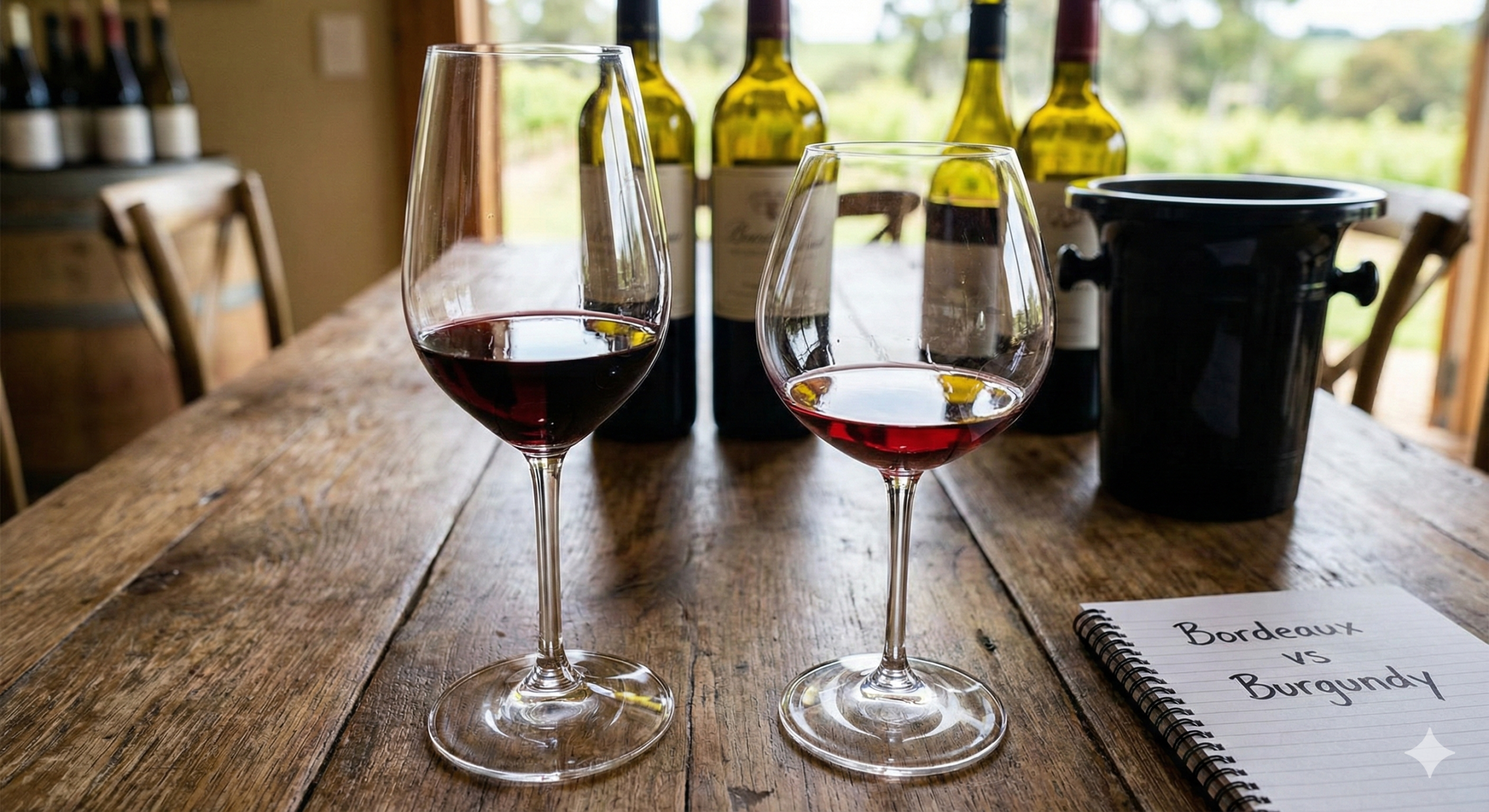
Bordeaux Glass vs Burgundy Glass: The Battle of the Bowls
Unlocking the physics of flavor: Why the shape of your stemware dictates the potential of your Pinot and the character of your Cabernet.
Introduction: More Than Just Aesthetics
For the uninitiated, the wall of glassware at a premium kitchen store can be intimidating. Is it really necessary to have a different glass for every varietal? If you are just drinking table wine on a Tuesday, perhaps not. But if you have invested in the best affordable wines of 2025 or are pulling a vintage bottle from your cellar, the vessel matters immensely.
The debate of Bordeaux glass vs Burgundy glass is the most critical distinction in the red wine world. While we have previously covered the broad differences in red wine glass vs white wine glass, the nuances between specific red varietals are where the true science of sommelier-grade service comes into play.
These two glasses are designed to handle tannins, acidity, and alcohol vapors in fundamentally different ways. The Bordeaux glass is the workhorse of the red world—tall, broad, and imposing. The Burgundy glass is the artist—wide, tapered, and delicate. In this comprehensive guide, we will break down the anatomy, the physics, and the practical applications of each, ensuring you never pour a delicate Pinot Noir into a tannin-taming Bordeaux chimney again.
At a Glance: The Tale of the Tape
Before we dive into the fluid dynamics, here is a quick reference guide to help you identify the differences instantly.
| Feature | Bordeaux Glass | Burgundy Glass |
|---|---|---|
| Bowl Shape | Tall, broad, slightly tapered | Wide, balloon-like, “Fishbowl” |
| Rim Diameter | Medium-wide | Narrower relative to bowl width |
| Height | Generally Taller | Generally Shorter stem, wider bowl |
| Primary Function | Directs wine to back of mouth (tannin control) | Directs wine to tip of tongue (flavor precision) |
| Ideal Wines | Cabernet Sauvignon, Merlot, Syrah | Pinot Noir, Gamay, Nebbiolo |
| Aeration Speed | Moderate | Fast (High surface area) |
The Bordeaux Glass: The King of Tannins
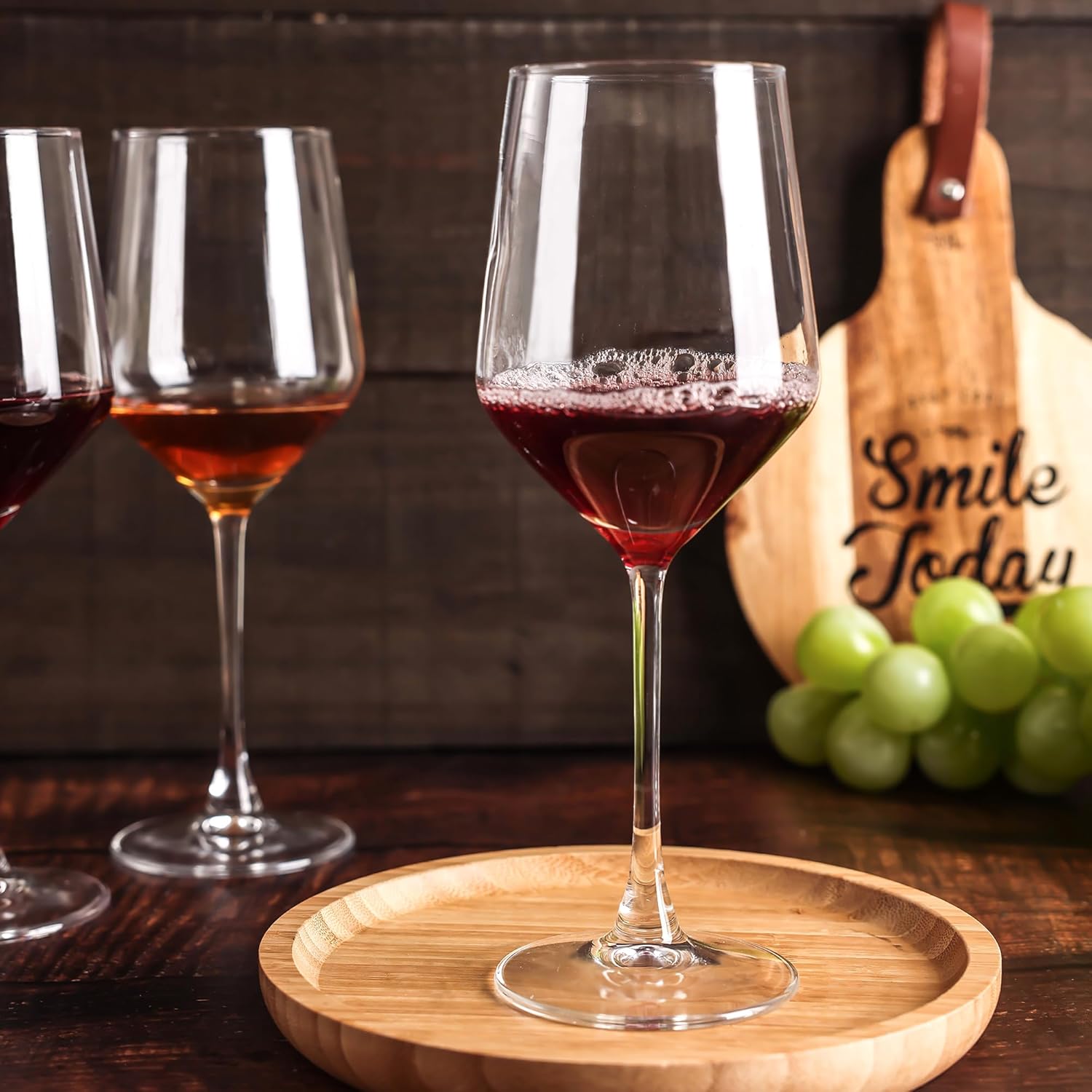
The Bordeaux glass is likely what you picture when you think of a “red wine glass.” It is the tall, majestic vessel seen on steakhouse tables worldwide. But its design is not just about looking regal; it is an engineering marvel designed for heavy hitters.
The Anatomy of the Chimney
Bordeaux wines (blends of Cabernet Sauvignon, Merlot, and Cabernet Franc) are known for being full-bodied and high in tannins. What is tannin in wine? It is that drying sensation that coats your gums. If a wine is too young, tannins can be harsh and bitter.
The Bordeaux glass features a tall bowl with a broad base that tapers gently upward. This height creates a distance between the wine and your nose, allowing ethanol vapors (which can burn the nose in high-alcohol wines) to dissipate slightly before you inhale the aroma.
Fluid Dynamics on the Palate
The most crucial aspect of the Bordeaux glass is the rim opening. It is designed to direct the flow of wine to the back of the tongue. By sending the wine straight to the back, it bypasses the sides of the tongue (often associated with acidity) and minimizes the initial contact with the gums, thereby reducing the perception of astringency. This makes a bold, tannic Cabernet taste smoother and more velvety.
Best Wines for this Glass:
Cabernet Sauvignon, Merlot, Bordeaux Blends, Malbec, Syrah/Shiraz, and Petit Verdot.
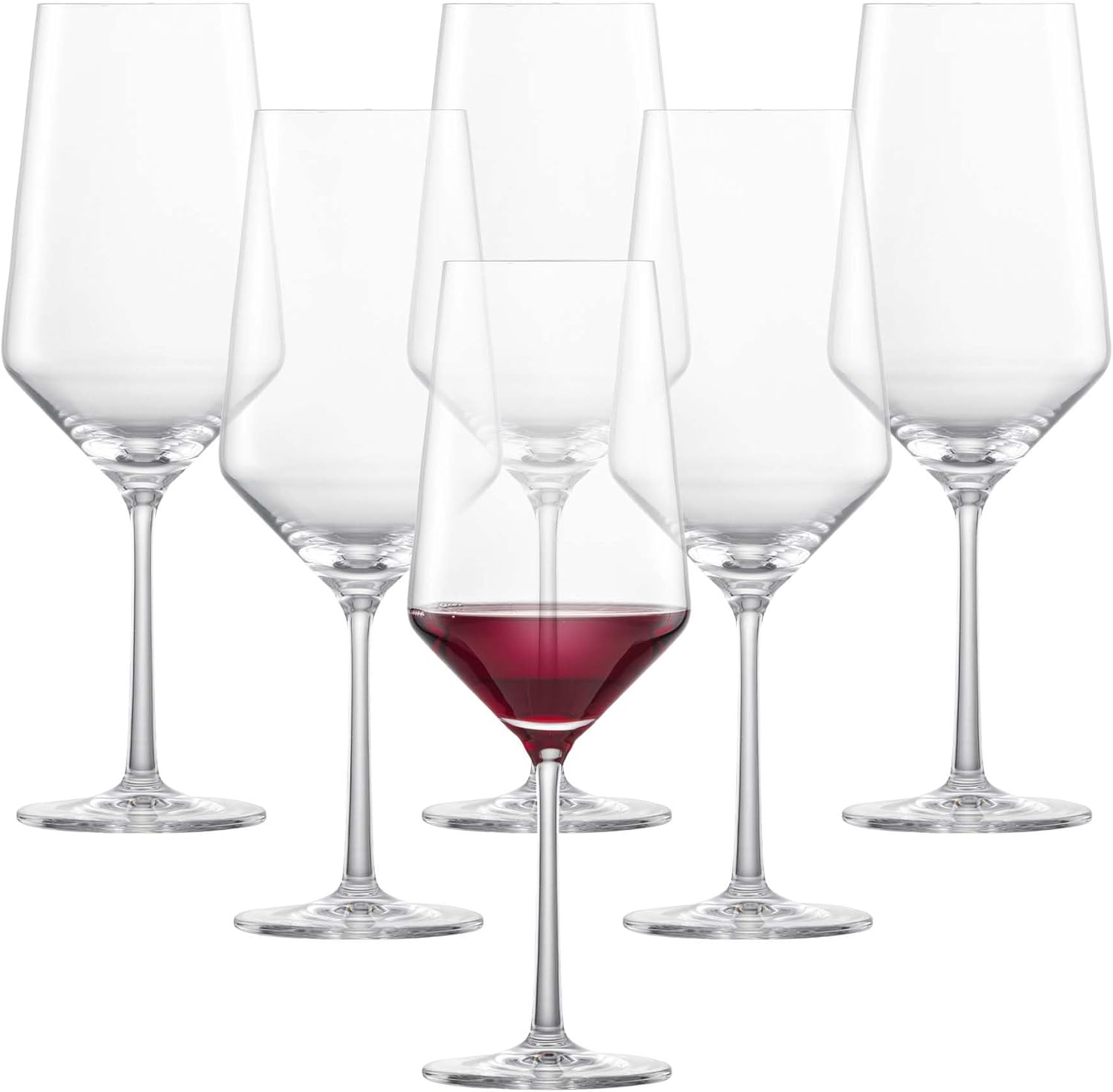
Our Top Pick: Riedel Vinum Bordeaux (Set of 2)
The industry standard for enjoying heavy reds. Crafted from fine crystal to perfectly balance tannin and fruit.
Check Price on AmazonThe Burgundy Glass: The Aroma Collector
If the Bordeaux glass is a skyscraper, the Burgundy glass is a stadium. It is shorter, but significantly wider. To the unobservant eye, it looks like a fishbowl on a stem. This unique shape is vital for wines that are driven by aromatics rather than power.
The Balloon Bowl Effect
Wines like Pinot Noir and Nebbiolo are lighter in color and lower in tannin but possess incredibly complex, volatile aromas (floral, earthy, red fruit). These aromas are delicate. If you put them in a tall Bordeaux glass, they might get lost in the “chimney.”
The massive surface area of the Burgundy bowl allows the wine to breathe rapidly. As you swirl, the wine coats the vast sides of the glass, encouraging evaporation. The rim, however, is tighter than the bowl. This traps the bouquet inside the glass, concentrating it right under your nose. When you stick your nose in, you get an explosion of scent that you would miss in a narrower glass.
The Tip of the Tongue
Unlike the Bordeaux glass, the Burgundy glass has a lip that tends to direct the flow of wine to the tip of the tongue. This is where we perceive sweetness. By hitting this area first, the glass highlights the delicate fruit flavors of the wine before the acidity kicks in, creating a balanced, elegant sip.
Best Wines for this Glass:
Pinot Noir, Red Burgundy, Gamay (Beaujolais), Nebbiolo (Barolo), and even high-end Oaked Chardonnay.
If you are exploring these varietals, check out our guide on wine varietals explained to understand which grapes fit this flavor profile.

The Enthusiast’s Dream: Zalto Denk’Art Burgundy
Mouth-blown, feather-light, and designed to unlock every hidden note in your Pinot Noir.
Check Price on AmazonDetailed Comparison: Functionality & Use Cases
Choosing between these two often comes down to your personal drinking habits. Let’s break down the pros and cons to help you decide which set deserves shelf space in your home.
Bordeaux Glass
Pros
- Versatility: Can successfully serve 80% of red wines.
- Tannin Management: Essential for young, bold wines.
- Durability: Often slightly sturdier due to shape mechanics.
- Aesthetics: Looks classic and formal on a table.
Cons
- Aroma Loss: Delicate scents can escape the wide opening too fast.
- Size: Tall stems can be difficult to fit in standard dishwashers.
Burgundy Glass
Pros
- Aromatic Intensity: Unbeatable for smelling complex wines.
- Aeration: The wide bowl acts like a mini decanter.
- Elegant Feel: The round shape feels luxurious in hand.
- Dual Use: Excellent for vintage Champagne and Oaked Chardonnay.
Cons
- Storage Issues: The wide bowl takes up significant cabinet width.
- Fragility: The wide expanse of glass is prone to cracking if tipped.
- Over-Aeration: Can make older, fragile wines fall apart too quickly.
Storage Considerations
Before buying a set of Burgundy glasses, measure your cabinets! The bowls can be 4 to 5 inches wide, meaning a standard shelf might only hold three glasses abreast. If space is tight, consider a modular wine rack system or hanging racks that accommodate wide bases. Proper storage is key—not just for wine bottles as discussed in how to store wine at home, but for the hardware that serves them.
Can’t I Just Use One Glass?
If you live in a small apartment or are looking for practical wine gift ideas, buying two distinct sets of crystal might seem excessive. You have options.
The Universal Glass
Brands like Gabriel-Glas, Zalto, and Glasvin have popularized the “Universal” glass. This shape is a hybrid. It has the slight taper of a Bordeaux glass but a wider bowl curve reminiscent of a Burgundy glass (though smaller). It is designed to be the “Jack of all trades.”
- Verdict: A high-quality Universal glass is better than a cheap varietal-specific glass.
The Decanter Solution
If you own Bordeaux glasses but want to drink Pinot Noir, you can compensate for the lack of bowl width by decanting. Using the best wine decanters allows the wine to oxygenate fully before it even hits the glass. Conversely, if you have a bold Cab and only a smaller glass, using an aerator can mimic the effect of a large Bordeaux bowl.
Caring for Your Crystal
Whether you choose Bordeaux or Burgundy, high-end glassware requires respect. Crystal is porous and can absorb odors.
- Washing: Avoid standard dish soap if possible; it leaves a residue that kills bubbles in sparkling wine and alters flavor. Use hot water and a dedicated brush.
- Drying: Never air dry. Water spots are minerals that can etch the glass over time. Use a microfiber cloth.
- Handling: Hold by the stem, not the bowl. This prevents fingerprints and keeps your body heat away from the wine.
For a full list of tools to keep your glassware pristine, consult our guide on wine accessories every host needs.
Frequently Asked Questions
Here are the answers to the most common questions regarding the Bordeaux vs. Burgundy debate.
In a pinch, yes. However, the large bowl will cause the white wine to warm up quickly and may over-oxidize crisp whites like Pinot Grigio. It works better for heavy Chardonnays.
You are paying for the material (crystal vs. glass) and the manufacturing. Mouth-blown crystal is incredibly thin, which fundamentally changes the tasting experience by removing the “barrier” between the wine and your palate.
Usually nothing. They are synonyms in the glassware world. Both refer to the tall, large-bowled glass designed for full-bodied red wines.
Stemless glasses are casual and durable, but they warm the wine because your hand cups the bowl. For serious tasting of fine wines, stemmed is always preferred.
Final Verdict: Which One Wins?
The battle of Bordeaux glass vs Burgundy glass ends in a draw because they fight in different weight classes.
Buy the Bordeaux Glass If:
You love Napa Cabs, French Bordeaux, Malbecs, and hearty dinner wines. This is the safe bet for the majority of red wine drinkers. It handles tannins beautifully and is versatile enough for most occasions.
Buy the Burgundy Glass If:
You are a “Pinotphile,” a lover of Barolo, or someone who spends 10 minutes smelling the wine before taking a sip. If you drink wines for their nose rather than their power, this glass is non-negotiable.
Ultimately, the best glass is the one that contains a wine you love. Whether you are using the best electric wine opener for a quick glass after work or decanting a 20-year-old bottle, the right tool enhances the art. Cheers!

Best Starter Set: Schott Zwiesel Tritan Crystal
Get the best of both worlds with this durable, high-clarity crystal set that offers tremendous value.
Check Price on Amazon