Can Sumoi Wine: The Complete Guide to Catalonia’s Most Exciting Natural Winery & the Sumoll Grape Revival
If you’ve stumbled across the name “Can Sumoi” and are wondering what it is — you’re about to discover one of the most compelling wine projects in Spain today. Can Sumoi (pronounced “can soo-MOY”) is a high-altitude natural wine estate in the Penedès region of Catalonia, built around one of Spain’s most obscure and nearly extinct indigenous grapes: the Sumoll.
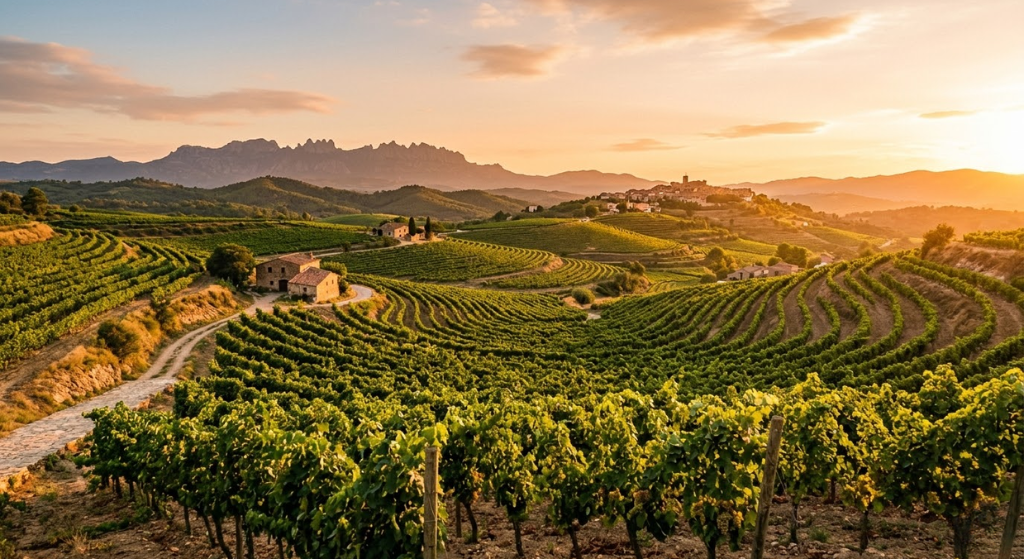
The winery sits at 600 metres above sea level in the Serra de l’Home mountain range, run by Pepe Raventós of the celebrated Raventós i Blanc family, alongside his childhood friend Francesc Escala. Their wines — pale, aromatic, food-friendly, and refreshingly low in alcohol — have earned a devoted following among sommeliers in New York, London, and beyond. They are frequently called “the Pinot Noir of the Mediterranean.”
This guide covers everything: the story of Can Sumoi, the Sumoll grape’s history and near-extinction, tasting notes for every wine in the range, food pairing advice, aging potential, where to buy, and everything you need to know before your first bottle.
1. What Is Can Sumoi Winery?
Can Sumoi is a certified organic and biodynamic wine estate located in the Massís del Montmell area of Baix Penedès, Catalonia — the northeast corner of Spain, within the broader Penedès DO wine region best known for producing Cava. The winery takes its name from the old Catalan farm (a “can” is a Catalan farmhouse) and from the Sumoll grape variety that grows there.
Can Sumoi is the high altitude and low intervention project from Pepe Raventós of the celebrated Raventós i Blanc winery. Can Sumoi follows three pillars of production: organic and biodynamic principles in the vineyards and cellar, the exclusive use of indigenous varieties, many of which were planted 80 or more years ago, and vineyards worked entirely by man and animal, with no machinery.
The wines were first released in 2017 and have since been listed by Wine & Spirits magazine as among the 100 best wineries in the world — a remarkable achievement for a project barely a decade old. What makes them special is the combination of a genuinely extraordinary terroir, a commitment to indigenous varieties that nobody else was working with, and a winemaking philosophy of radical non-intervention.
🍷 Quick Facts
Location: Massís del Montmell, Baix Penedès, Catalonia, Spain
DO: Penedès DO
Winemaker: Pepe Raventós & Francesc Escala
Viticulture: Certified organic and biodynamic
Grapes grown: Sumoll, Xarel·lo, Parellada, Garnatxa Negre, Garnatxa Blanca, Montonega
First vintage: 2017
Style: Natural wines — no additives, no filtration, minimal or zero sulfur
2. The Man Behind It: Pepe Raventós
To understand Can Sumoi, you need to understand Pepe Raventós. He comes from one of Catalonia’s most storied winemaking dynasties — the Raventós family of Raventós i Blanc, whose lineage in Catalan viticulture dates back 21 generations to the 15th century. They are credited with creating the first sparkling wine in Catalonia, and their main estate in Sant Sadurní d’Anoia is one of the region’s most celebrated properties.
But Pepe’s passion, beyond the family legacy, has always been natural wine and indigenous varieties. Born to the vine and enamored of the hills and sprawling vineyards of Catalan wine country, Raventós spent his childhood picking grapes where 21 generations of his family have lived. He searched for years before finding the Can Sumoi estate — a thousand-acre woodland and farm between the towns of Sant Jaume dels Domenys and Pla de Manlleu.
His philosophy at Can Sumoi is explicitly different from conventional winemaking. “To express origin, you really need to bring a lot of life into your farm. The principle is simple: The more diversity on your property, the more richness there is, the more resistant and strong your vines will be. The fewer treatments they need, the more authentic the wine will be. I left the idea of making perfect wine a long time ago. I think my duty is to make the most authentic wine possible.”
That commitment to authenticity over technical perfection is exactly why Can Sumoi’s wines taste unlike anything else in Spain — and why they’ve attracted the attention they have.
3. The Estate: History, Terroir & What Makes It Unique
Can Sumoi is an agricultural farm dating to 1645, located in Massís del Montmell, 600 metres above sea level. The estate has 400 hectares of land of which 30 are vineyards planted with Parellada, Xarel·lo and Sumoll; the rest is forest of oak, white pines, tall oaks and old stone walls that surround the winery and three farmhouses from the end of the 17th century, where wine used to be made.
The Geology: Limestone Over Fossils
The soils at Can Sumoi are limestone-rich clay-calcareous soils at altitude — exactly the type of geology that produces wines with pronounced mineral character and natural acidity. The majority of the Can Sumoi vineyards are planted atop fossils of prehistoric sea creatures — a remarkable geological footnote that speaks to the ancient marine sediment that makes up the Montmell massif. This fossil-rich limestone is part of what gives Can Sumoi whites their signature salinity and their reds their distinctive mineral edge.
The Altitude Advantage
Sitting at 600 metres above sea level — the highest estate in all of Penedès — Can Sumoi benefits from dramatic diurnal temperature variation. Hot Mediterranean days develop full phenolic ripeness and aromatic complexity in the fruit, while cool mountain nights preserve natural acidity and extend the ripening period. The result is wines that are simultaneously ripe and fresh: one of the defining characteristics of the Can Sumoi house style.
Forest and Biodiversity
The stunning 400-hectare estate of Can Sumoi sits at over six hundred metres of altitude in the Serra de l’Home mountain range. Its 350-year-old farmhouse and stone walls encompass thirty hectares of old-vine Montonega, Xarel·lo, Garnatxa Blanca and Negre, and Sumoll vines while forests of oak and white pine shade the rest of the property. The 370 hectares of surrounding forest are not incidental — Raventós considers them essential to the estate’s ecological integrity. A herd of sheep and goats grazes semi-freely among the vines, and all compost is produced on-site from estate materials.
4. What Is the Sumoll Grape? A Near-Extinct Variety Making a Comeback
The Sumoll grape (also spelled Sumoi, Sumoy, Somoi, or Ximoll in various Catalan dialects) is the indigenous red grape that gives the Can Sumoi project its name and its most distinctive wines. Its story is one of near-extinction followed by passionate revival — and it mirrors the broader story of heritage grape recovery happening across southern Europe.
History and Origins
The Sumoll is a black grape variety. It is a rustic variety, native from the Penedès region in Catalonia, drought resistant and with uniform development. Its former presence is also evident in the number of different names in Catalan dialects: sumoi, chimoi, saumoll, somoi, sumoy, ximoll, somoll, ximoy, xemoll, among others. The name is related to the local slang term sumollar, which means maturing or withering, from the Latin verb submolliare.
Before phylloxera devastated European vineyards in the late 19th century, Sumoll was one of the dominant red grapes across all of Catalonia. It thrived in the warm, dry Mediterranean climate and limestone soils of the region for centuries. After phylloxera and the subsequent replanting of vineyards, Sumoll was largely replaced by higher-yielding international varieties. The entrance to the European Union in 1986 accelerated the discredit of local varieties, which were not considered able to make good and competitive wines.
The Revival: From 100 Hectares to Recognition
By the time of its modern revival, barely 100 hectares of Sumoll remained planted anywhere in the world. As has happened in recent times with many obscure and nearly extinct grapes, someone decided it had untapped potential and started a revival. In this case, it was Heretat MontRubí, a small Penedès winery, which released the first single-variety Sumoll. Can Sumoi, with its significant Sumoll plantings and passionate advocacy for the variety, has since become the most internationally visible champion of the grape.
Today Sumoll is an authorised variety within the Catalunya, Pla de Bages, and Tarragona DOs. It has also found its way into Australian vine breeding programs: in Australia four crossings have been created from Cabernet Sauvignon and Sumoll — Cienna, Vermillion, Rubienne, and Tyrian — with the purpose of adapting Sumoll qualities to suit the Australian climate.
Viticulture: A Difficult but Rewarding Grape
The variety gives large grapes but low yields and is quite difficult to work with. That said, Sumoll is particularly drought-resistant. It is a late-ripening variety, which at Can Sumoi’s altitude means harvest happens later than at lower-elevation Penedès properties — allowing for extended hang time that builds complexity without losing freshness. In order to produce high quality wines with the Sumoll varietal, the harvest is done late when the grape has reached optimal ripening.
🍇 The Sumoll–Sumoi Name Confusion
“Sumoi” and “Sumoll” refer to the same grape. “Sumoi” is the common spelling used in the context of the Can Sumoi winery and in many wine shop and restaurant listings. “Sumoll” is the standard ampelographic (grape science) spelling used in regulatory documents and most wine reference works. Both are correct; the variation reflects Catalan dialect differences across the region.

Can Sumoi La Rosa — the winery’s iconic bone-dry rosé blending Sumoll, Parellada and Xarel·lo
👉 Check Can Sumoi Wines on Amazon As an Amazon Associate, WineArmy may earn from qualifying purchases5. Tasting Notes: What Does Can Sumoi Wine Taste Like?
Can Sumoi’s wines have a distinctive house style that cuts against the dominant trend in Spanish winemaking toward concentration and power. These are wines of freshness, transparency, and energy — much closer to the wines of Burgundy or the Loire Valley in philosophy than to Rioja or Priorat.
The Sumoll Character
Sumoll wines seem to have a distinctive nature. They are relatively pale, yet aromatic. They are high in acids, which imparts a sensation of freshness, and have full tannins and complex dark floral and herbal qualities, with plum and licorice being mentioned. It might not be too extreme to say that they bear some resemblance to Nebbiolos.
The aroma of Sumoll has notes of raspberries, black fruits such as blackberries, cocoa and an earthiness. Wines made of Sumoll have good acidity with a bitter finish that fades slowly. There are also recurring mentions of wild herbs, dried florals, fresh leather, and a distinctive savoury mineral quality that critics attribute to the fossil-rich limestone soils.
Across the Range
The white wines from Can Sumoi — particularly the Xarel·lo — show bright lemon and green apple character, a distinctive saltiness from the altitude and limestone, and a textural richness from extended lees contact. The rosé La Rosa is described as crisp, bone-dry, and packed with notes of red currant, pink grapefruit, cranberry and a touch of salt — essentially a rosé for year-round imbibing, with the kind of mineral precision that makes it work beautifully with food.
The reds — whether the Garnatxa-Sumoll blend or the single-variety Sumoll in certain vintages — sit firmly in the lighter-bodied, higher-acid style. Think transparent ruby colour, bright red cherry, wild strawberry, dried herbs, a slight earthy funk, and a finish that is savoury, long, and compulsively refreshing.
| Characteristic | Can Sumoi Reds (Sumoll) | Can Sumoi La Rosa (Rosé) | Can Sumoi Xarel·lo (White) |
|---|---|---|---|
| Colour | Pale to mid ruby, transparent | Pale salmon-pink | Pale lemon-gold |
| Aromas | Wild strawberry, dried herbs, leather, plum, minerals | Red currant, grapefruit, cranberry, sea salt | Lemon zest, green apple, saline minerals, light cream |
| Palate | Medium body, bright acidity, grippy tannins, bitter finish | Bone-dry, crisp, light body, mineral texture | Medium body, creamy texture, bright acid, long saline finish |
| Alcohol | 11.5–12.5% ABV | 11.5–12% ABV | 11.5–12% ABV |
| Style comparison | Nebbiolo meets Gamay — Mediterranean freshness | Provençal meets Catalan — drier and more mineral | Muscadet meets Chablis — Atlantic salinity at Mediterranean latitude |
6. The Full Can Sumoi Wine Range
Can Sumoi produces a small, tightly focused range of wines — all from indigenous Catalan varieties, all natural, all from the single estate in Montmell. Here is every wine in the current portfolio.
Can Sumoi Xarel·lo
Grapes: 100% Xarel·lo
ABV: ~12%
Ageing: Malolactic fermentation, 3 months bâtonnage
The flagship white. Vineyards at 550m on clay-calcareous soils. Zero sulfur. Vivid salinity and lemon-cream texture. An extraordinary expression of a variety most people only know from Cava blends.
Can Sumoi Perfum
Grapes: Montonega (local white variety)
ABV: ~11.5%
Ageing: Stainless steel, minimal intervention
Montonega (also called Macabeu locally) gives a fragrant, floral white with pear and white blossom character. The name translates as “perfume” — a fitting description for the aromatic lift this wine delivers.
Can Sumoi La Rosa
Grapes: Sumoll, Parellada, Xarel·lo
ABV: ~11.5%
Ageing: Stainless steel, no sulfur
The most widely distributed Can Sumoi wine. Organic and biodynamic vineyards on limestone soils at 600m altitude. Hand-harvested, carefully selected, fermented spontaneously at 18–20°C for 15–20 days. Bottled without fining, filtering or added sulfur. A benchmark dry Catalan rosé.
Can Sumoi Garnatxa-Sumoll
Grapes: 50% Garnatxa (Grenache), 50% Sumoll
ABV: ~12.5%
Ageing: 9 months stainless steel + 3 months bottle
Sourced from Montmell in Penedès. Only 29% of the wine underwent barrel aging. This reductive red features undergrowth and blood orange aromas, along with hints of dried flowers and herbs. Dry and fairly rich on the palate with a glycerol mouthfeel that wraps up the tannins. The Garnatxa nicely buffers the rusticity of Sumoll. Rated 93 points by Vinous.
Can Sumoi Ancestral Sumoll
Grapes: 100% Sumoll
ABV: ~10.5%
Style: Pét-nat (méthode ancestrale)
A pétillant naturel (pét-nat) made by bottling the wine before fermentation is complete, allowing residual CO₂ to create gentle bubbles. Rustic, cloudy, and wildly characterful — bright red fruit, herbal edge, and a fizz that feels alive. One of the most distinctive pét-nats from Spain.
Can Sumoi Ancestral Montonega
Grapes: 100% Montonega
ABV: ~10.5%
Style: Pét-nat (méthode ancestrale)
The white counterpart to the Sumoll pét-nat. Fragrant, delicately fizzy, and intensely aromatic with pear, apple blossom and a gentle creaminess. Lower alcohol makes it genuinely sessionable and exceptional as an aperitif.
7. Can Sumoi’s Natural Winemaking Philosophy
Can Sumoi is one of the most committed natural wine producers in Spain. Understanding their approach helps explain both why their wines taste the way they do — and why they occasionally show the kind of variation between bottles that characterises natural wine.
In the Vineyard
All viticulture is certified organic. No synthetic pesticides, herbicides, or fertilisers are used. Biodynamic practices are followed, including timing vineyard activities to lunar calendars, using biodynamic preparations (including the famous horn-manure “500” and horn-silica “501” preparations), and maintaining the estate as a self-sustaining ecosystem. Vineyards are worked entirely by man and animal — no machinery. The estate’s flock of sheep and goats provides natural weeding and manure, completing the agricultural cycle without external inputs.
In the Winery
The winemaking at Can Sumoi follows what Pepe calls “minimum intervention” principles. Grapes are hand-harvested and sorted. Fermentation is spontaneous — using only the wild yeasts present on the grape skins and in the winery, with no commercial yeast additions. The resulting wines are produced without additives, stabilisation or filtration, alongside minimal or zero additions of sulfur.
This approach means the wines are genuinely alive — they continue to evolve in the bottle, and occasional slight variation between bottles or between shipments is a natural consequence of the minimal intervention philosophy. It also means they should be stored cool and consumed within a few years of vintage for peak expression, though the Garnatxa-Sumoll blend shows capacity for medium-term ageing.
Natural Wine and the Wine Lover
Can Sumoi’s wines sit comfortably in the natural wine world without the faulty or oxidative characteristics that give some natural wines a bad reputation. They are clean, precise, and expressive — wines that taste of their place and their varieties without the intervention of technology. For wine lovers who want to understand natural wine at its best, Can Sumoi is an excellent entry point. Our glossary of key wine terms for beginners covers terms like “pét-nat,” “bâtonnage,” and “spontaneous fermentation” that appear regularly in discussions of natural wine.

A quality wine aerator can help open up Can Sumoi’s naturally reductive reds and bring out their full aromatic complexity
👉 Shop Wine Aerators on Amazon As an Amazon Associate, WineArmy may earn from qualifying purchases8. The Penedès Region: Context for Can Sumoi
Penedès is a large, diverse DO (Denominació d’Origen) in Catalonia, spanning from the Mediterranean coast inland to mountain elevations above 800 metres. It is most famous internationally as the heartland of Cava production — Spanish sparkling wine made by the traditional method from Xarel·lo, Macabeu, and Parellada grapes. But Penedès is far more than Cava.
Three Sub-Zones
There are three sub-regions of the DO: Baix Penedès on the coast, Mitja-Penedès with rolling countryside and good southeastern exposure to the sun (the majority of the DO’s production is here), and the Alt-Penedès which rises to 800 metres on the fringes of the central meseta. Can Sumoi sits in Baix Penedès but at an unusually high elevation within that zone — giving it characteristics more typically associated with Alt-Penedès in terms of freshness and acidity retention.
Innovation in Penedès
The Penedès has long been associated with innovative vineyards and wineries. In the 1970s, it became the first area in Spain to use stainless steel equipment and cold-fermentation. Since then, Penedès producers have been making excellent modern wines blending native with French varieties. Can Sumoi represents a newer wave of innovation — turning away from international varieties and back toward indigenous grapes, and away from technological intervention toward biological farming and minimal-addition winemaking.
The Penedès Natural Wine Scene
Penedès has become one of Spain’s most exciting natural wine zones, with a cluster of producers working with indigenous varieties, biodynamic viticulture, and minimal-sulfur winemaking. Can Sumoi is perhaps the most internationally recognised of these, but it sits within a broader movement that includes producers like Pardas, Clos Lentiscus, Bodegas Carelio, and Glop. Together they are redefining what Penedès wine can be — moving well beyond Cava into a conversation about terroir-driven, variety-specific natural wine.
9. Sumoll vs. Other Spanish Red Grapes
One of the best ways to understand Sumoll is to compare it with the Spanish red grape varieties that wine lovers are more familiar with. Where does it sit in the Spanish red wine landscape?
| Grape | Region | Body | Acidity | Tannins | Key Flavours | vs. Sumoll |
|---|---|---|---|---|---|---|
| Sumoll | Penedès, Catalonia | Light–medium | High | Medium, grippy | Wild cherry, herbs, leather, minerals | — |
| Tempranillo | Rioja, Ribera del Duero | Medium–full | Medium | Medium–high | Plum, leather, tobacco, vanilla (oak) | Fuller, oakier, less fresh than Sumoll |
| Garnacha (Grenache) | Priorat, Aragón, Penedès | Medium–full | Low–medium | Low | Red fruit, spice, alcohol warmth | Richer, rounder; Sumoll has more tension |
| Mencía | Bierzo, Ribeira Sacra | Light–medium | High | Medium | Blueberry, violet, slate minerals | Most similar in style — both fresh, aromatic, mineral |
| Monastrell (Mourvèdre) | Jumilla, Valencia | Full | Low | High | Black fruit, meat, earthy, spice | Much heavier; the opposite of Sumoll’s style |
| Cariñena (Carignan) | Priorat, Empordà | Medium–full | High | High | Dark fruit, iron, herbs, rustic depth | Both high-acid; Carignan is darker, coarser |
Winemakers should demand wider recognition of Sumoll — it is so different and rather more interesting than Tempranillo. Sumoll wines appeal due to their freshness and low alcohol, according to two Masters of Wine who championed the variety in the British wine trade. The comparison to Mencía is particularly apt — both are Atlantic-influenced (or altitude-cooled), aromatic, transparent reds with high natural acidity and a mineral backbone. If you enjoy the wines of Bierzo or Ribeira Sacra, Sumoll from Can Sumoi is an almost guaranteed favourite.
Understanding how these Spanish varieties relate to each other is part of building genuine wine knowledge. Our guide on wine varietals explained provides a broader framework for navigating the world of grape varieties beyond the standard international selections.
10. Can Can Sumoi Wine Age Well?
This is one of the most common questions about Can Sumoi and about Sumoll wines more broadly. The answer is nuanced — and depends on which wine you are talking about.
The Sumoll Grape and Ageing
Young wine from Sumoll grape has a slight roughness that disappears with aging. This observation captures an important truth about the variety: Sumoll is not immediately approachable in the way that Garnacha or Pinot Noir can be. The high acidity and grippy tannins that feel a little rough in the first year or two integrate beautifully with two to four years of bottle age, producing wines of greater complexity and harmony without losing their fundamental freshness.
Can Sumoi Wines Specifically
Because Can Sumoi wines are made without sulfur additions or filtration, they are more sensitive to storage conditions than conventional wines. They must be kept cool (ideally 12–14°C), horizontally, and away from light and vibration. Given proper storage:
- La Rosa (rosé): Best consumed within 1–2 years of vintage. Freshness is its primary virtue and does not improve with extended cellaring.
- Xarel·lo & Perfum (whites): Can develop interestingly over 2–3 years, gaining textural complexity while retaining acidity. Beyond 3–4 years requires exceptional storage.
- Garnatxa-Sumoll (red blend): The most age-worthy wine in the range. Rewarding at 3–5 years from vintage; structured enough to potentially develop well at 7+ years with ideal storage.
- Ancestral pét-nats: Drink young — within 1–2 years of vintage. These are fresh, lively wines designed for immediate enjoyment.
🏠 Storage Tip
Natural wines like Can Sumoi’s are particularly sensitive to temperature fluctuation and light exposure. For the best ageing results, use a dedicated wine storage space or wine fridge set to 12–14°C. Our guide to storing wine at home covers all the key parameters — temperature, humidity, light, and vibration — in detail.
11. Food Pairing Guide for Can Sumoi Wines
Can Sumoi wines are, without exception, food wines. Their bright acidity, moderate alcohol, and complex savoury character make them extraordinarily versatile at the table — arguably more food-friendly than most Spanish reds at twice the price.
La Rosa (Rosé) — The All-Rounder
The bone-dry, mineral La Rosa is one of the most food-friendly rosés available. Its combination of crisp acidity, red fruit, and saline mineral finish makes it work beautifully with the kind of food you’d typically struggle to pair with red or white wine alone: charcuterie and cured meats, salt cod (bacallà) dishes, grilled sardines, Catalan escalivada (roasted vegetables), light pasta dishes, and fresh goat cheese. Think of it as a more sophisticated, mineral Provençal rosé with a Catalan character.
Xarel·lo (White) — Seafood and Salt
The Xarel·lo’s distinctive salinity and crisp lemon-lime acidity make it a natural partner for anything from the sea. Oysters, razor clams, grilled prawns, sea bass with herbs, bouillabaisse, and salt-crusted fish all pair beautifully. It is also excellent with younger cheeses, light salads with citrus dressings, and chicken or rabbit prepared with Mediterranean herbs. Our comprehensive guide to seafood and wine pairing gives all the principles that apply perfectly to the Xarel·lo.
Garnatxa-Sumoll (Red) — The Table Red
Dry, acidic and thirst-quenching, this is a pleasing red that is very easy to love and enjoy abundantly, should you preferably pair it with tasty and rich dishes, grilled meats, rich stews, meaty and garlic tapas or creamy cheeses. Its natural acidity cuts through richness beautifully — making it ideal for fatty, well-seasoned dishes that would overwhelm a lighter wine. Think: lamb chops with herbs, rabbit with romesco, duck confit, aged sheep’s milk cheese (Manchego, Idiazábal), mushroom-heavy pasta dishes, or a classic Catalan fricandó (veal braised with wild mushrooms).
For those who enjoy cheese and wine pairing, Can Sumoi’s reds are outstanding with the aged and semi-aged Spanish sheep’s milk cheeses. Our cheese and wine pairing chart gives a broader framework that applies well to Sumoll-based reds.
Ancestral Pét-Nats — Aperitif and Tapas
Both Ancestral wines — the Sumoll red and the Montonega white — are perfect aperitif wines. Serve them lightly chilled (the Sumoll at around 14°C, the Montonega at 8–10°C) alongside simple tapas: jamón ibérico, anchovies, olives, pa amb tomàquet (bread with tomato), or patatas bravas. Their gentle fizz and lower alcohol make them effortless company before dinner without dulling the appetite.
| Wine | Serve At | Best Food Pairings | Avoid With |
|---|---|---|---|
| La Rosa (Rosé) | 8–10°C | Charcuterie, salt cod, grilled fish, Catalan vegetables, goat cheese | Very heavy stews, powerful blue cheese |
| Xarel·lo (White) | 8–10°C | Oysters, grilled seafood, salt-crusted fish, light pasta, fresh cheese | Red meat, very rich cream sauces |
| Garnatxa-Sumoll (Red) | 14–16°C | Grilled lamb, rabbit romesco, duck, aged sheep’s cheese, mushroom dishes | Delicate fish, subtle sushi |
| Ancestral Sumoll (Pét-nat) | 12–14°C | Jamón ibérico, anchovies, patatas bravas, light tapas | Very tannic or heavily spiced dishes |
| Ancestral Montonega (Pét-nat) | 8–10°C | Oysters, fresh vegetables, mild cheeses, light starters | Very rich or heavily sauced dishes |
12. Where to Buy Can Sumoi Wine
Can Sumoi wines are distributed internationally but are not yet as widely available as large commercial Spanish brands. Here is where to find them.
In the United States
Can Sumoi is imported in the US by Skurnik Wines & Spirits, one of America’s most respected natural wine importers. The wines are distributed across major US markets including New York, California, Illinois, Texas, and Florida. Specialist natural wine shops and fine wine retailers in these markets are the most reliable source. Platforms like Vivino, Wine-Searcher, and Total Wine’s website can help you locate the nearest stockist.
In the United Kingdom
Can Sumoi has strong UK distribution and is available through specialist wine merchants including those focusing on Spanish and natural wine. The wines have been featured by multiple Master of Wine writers and have good visibility in London’s natural wine bar scene.
In Spain
The wines are available direct from specialist Catalan wine shops and from select restaurants in Barcelona, where they are a natural fit on any wine list focused on local, natural, and organic producers.
Online
Wine-Searcher.com is the most comprehensive global price comparison tool for finding Can Sumoi wines near you or available to ship to your region. Prices typically range from around $15–20 for the Perfum and La Rosa, to $22–30 for the Xarel·lo and Garnatxa-Sumoll, with pét-nats in the $18–25 range depending on market.

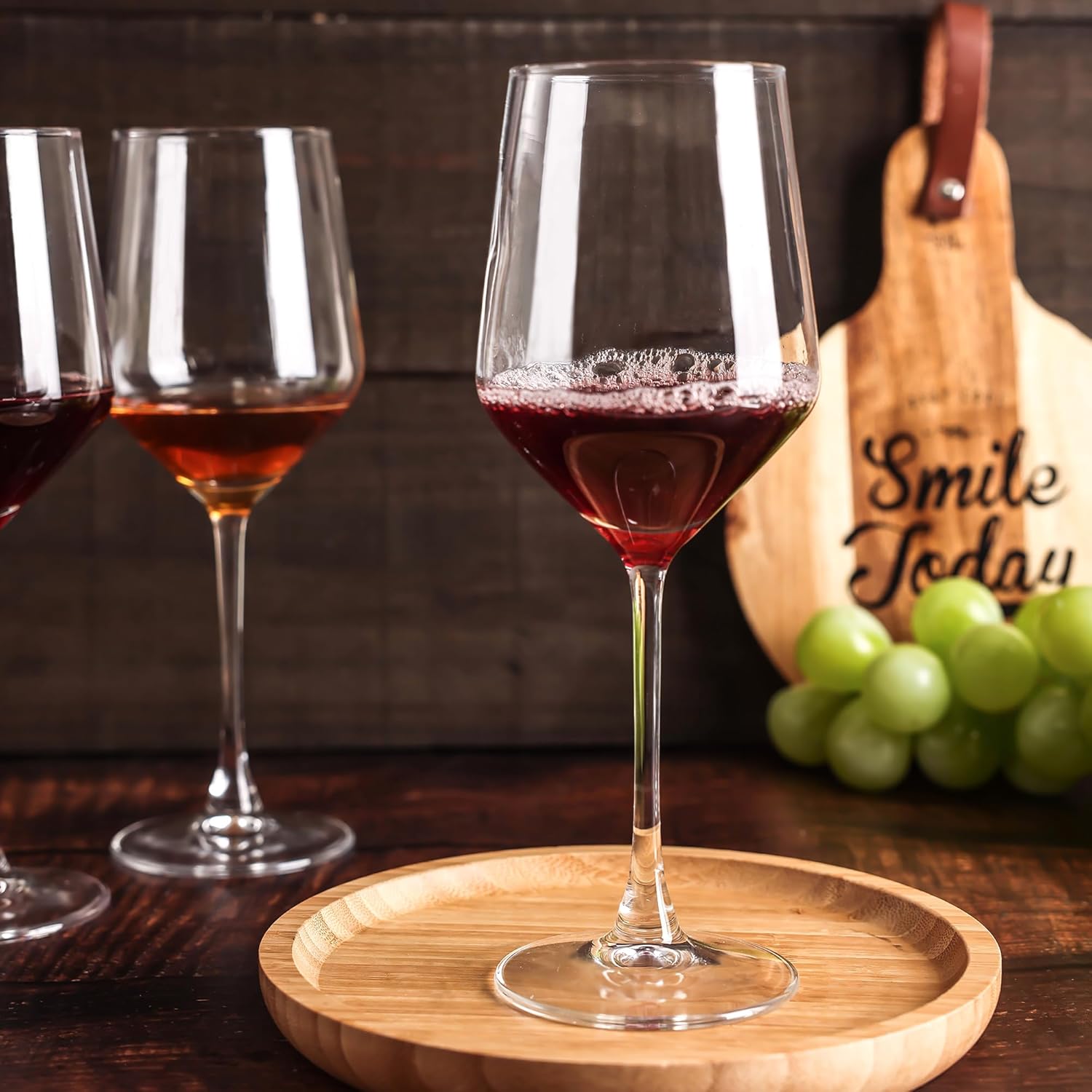
Riedel Pinot Noir glasses are ideal for Can Sumoi’s pale, aromatic Sumoll-based reds — their wide bowl enhances the floral and herbal aromatics
👉 Shop Riedel Pinot Noir Glasses on Amazon As an Amazon Associate, WineArmy may earn from qualifying purchases13. Pros & Cons: Is Can Sumoi Right for You?
✅ Why You’ll Love Can Sumoi
- Genuinely unique — no other winery in the world makes Sumoll this way
- Exceptionally food-friendly across the entire range
- Lower alcohol (11–12.5%) makes them elegant and approachable
- Certified organic and biodynamic farming
- Natural wine without the faults — clean, precise, expressive
- Strong value for quality, especially La Rosa and Xarel·lo
- Supporting heritage grape conservation and sustainable viticulture
- Made by one of Spain’s most respected winemaking families
- Excellent critical reception — 93 points (Vinous) for the red blend
⚠️ Things to Know Before Buying
- Not widely available — requires specialist retailer access
- Natural wine: slight bottle variation is normal and expected
- The reds can be tannic and austere when very young — benefit from 30 mins decanting
- Unfined and unfiltered — wines may show light sediment or cloudiness
- Not for those who prefer powerful, oaky, concentrated reds
- Pét-nats should be opened carefully (refrigerate first) — some pressure builds
- Storage requires cool, stable conditions — not a warm-kitchen wine
Frequently Asked Questions
Can Sumoi is a certified organic and biodynamic natural wine estate in the Penedès region of Catalonia, Spain, run by Pepe Raventós (of the celebrated Raventós i Blanc sparkling wine dynasty) and his childhood friend Francesc Escala. The estate dates to 1645 and sits at 600 metres above sea level. It produces a small range of natural wines — whites, rosé, reds, and pét-nats — exclusively from indigenous Catalan grape varieties, with no additives, no filtration, and minimal or zero sulfur. Their wines have earned international critical acclaim and are considered among Spain’s finest natural wine producers.
Sumoll wines are pale in colour, aromatic, and high in natural acidity. Expect flavours of wild cherry, dried herbs, fresh leather, plum, licorice, and earthy minerals. They have full but grippy tannins and a long, savoury, slightly bitter finish that fades slowly. They bear some resemblance to Nebbiolo or Mencía in style — transparent, food-friendly, and built for the table rather than for power. Lower alcohol (typically 11.5–12.5% ABV) makes them refreshing and elegant rather than heavy.
Yes — La Rosa is widely considered one of the finest dry rosés from Spain and an excellent alternative to Provençal rosé. Made from a blend of Sumoll, Parellada, and Xarel·lo from certified organic vineyards at 600m altitude, it is bone-dry, crisp, and mineral, with notes of red currant, pink grapefruit, cranberry, and sea salt. It is bottled without fining, filtration, or added sulfur. Its texture and minerality make it genuinely food-friendly rather than just a refreshing warm-weather drink.
Serve whites and rosé (and pét-nats) well-chilled at 8–10°C. The red Garnatxa-Sumoll is best at 14–16°C — slightly cooler than many red wines, which preserves its freshness and floral character. For young Sumoll-based reds, 30 minutes of decanting is strongly recommended to soften the tannins and open up the aromatics. Use a wide-bowl Burgundy or Pinot Noir glass to maximise the aromatic experience. Avoid heavy crystal decanters for the pét-nats — simply open, pour gently, and enjoy immediately.
All Can Sumoi wines are excellent food wines. La Rosa (rosé) pairs beautifully with charcuterie, salt cod, grilled fish, and fresh goat cheese. The Xarel·lo (white) is outstanding with oysters, grilled seafood, and salt-crusted fish. The Garnatxa-Sumoll (red) shines with grilled lamb, duck, rabbit with romesco, aged sheep’s milk cheese, and mushroom-based dishes. The pét-nats are ideal aperitif wines with jamón ibérico, anchovies, and light tapas. The combination of high acidity, moderate tannins, and lower alcohol makes all these wines exceptionally food-versatile.
Yes — Can Sumoi is certified organic and practices biodynamic viticulture. The estate uses no synthetic pesticides, herbicides, or chemical fertilisers. Vineyards are tended using natural compost, biodynamic preparations timed to lunar calendars, and animal grazing among the vines. In the winery, wines are made with no additives, no fining, no filtration, and minimal or zero sulfur additions. They are a genuinely natural wine producer, not simply an organic-label wine.
The Garnatxa-Sumoll red is the most age-worthy wine in the range and can develop well for 3–7 years from vintage with proper storage. The Xarel·lo white can improve over 2–3 years. La Rosa (rosé) and the pét-nats are best consumed young — within 1–2 years of vintage. Because all Can Sumoi wines are made without preservative sulfur additions, they are more sensitive to temperature fluctuation than conventional wines and require cool, stable storage at 12–14°C to age well.
Pepe Raventós is a member of the Raventós family, one of Catalonia’s most historically significant winemaking dynasties, credited with creating the first sparkling wine in Catalonia and founders of Raventós i Blanc — one of Spain’s most respected sparkling wine estates. Pepe co-founded Can Sumoi with his childhood friend Francesc Escala as a separate project focused on natural wines, indigenous varieties, and high-altitude terroir. Can Sumoi wines were first released in 2017 and have since earned international acclaim independently of the Raventós i Blanc name.
Sumoll, Sumoi, Sumoy, Somoi, Ximoll, and several other spellings all refer to the same indigenous Catalan black grape variety. The variation in spelling reflects the different Catalan dialects spoken across the regions where the grape was historically grown. “Sumoll” is the standardised ampelographic (grape science) spelling used in regulatory and academic documents. “Sumoi” is the common informal spelling used by the Can Sumoi winery and in much of the wine trade. Both are equally correct — the grape is the same regardless of spelling.
Yes — Can Sumoi wines are vegan-friendly. The wines are made without any fining agents, and no animal-derived fining products (such as egg whites, casein, isinglass, or gelatin — which are used in conventional winemaking to clarify wine) are used in production. The wines are left to settle and clarify naturally, which is consistent with their broader no-additives, no-intervention philosophy. This makes them suitable for vegan consumers.
Conclusion: Why Can Sumoi Is One of Spain’s Most Important Wine Projects
Can Sumoi represents something genuinely rare in the modern wine world: a producer who has taken a nearly extinct grape variety, a historically significant but long-abandoned estate, and a philosophy of radical non-intervention — and produced wines that are not only compelling expressions of their place, but are internationally competitive at their price points.
The Sumoll grape, once written off as incapable of making wines worth drinking, turns out to make some of the most distinctive, food-friendly, and refreshing wines in all of Spain. These wines are different, incredibly food friendly and of very high quality — they are the very essence of new wave Spain. That description, from a Master of Wine who championed them in the UK, still holds perfectly.
Whether you start with the iconic La Rosa — Spain’s answer to Provençal rosé, at a fraction of the price — or go straight for the Garnatxa-Sumoll red that earned 93 points from Vinous, you are drinking a wine with a story: a story of revival, of altitude, of fossil-rich limestone, and of one winemaker’s refusal to give up on a grape variety that everyone else had abandoned.
Can Sumoi is the kind of discovery that changes how you think about Spanish wine — and about what natural wine can be at its best. If you haven’t tried them, start with a bottle of La Rosa with dinner this week.
Ready to Explore Can Sumoi Wines?
Find bottles of La Rosa, the Garnatxa-Sumoll red, Xarel·lo white, and the Ancestral pét-nats from Catalonia’s most exciting natural wine estate.
🛒 Shop Can Sumoi on Amazon As an Amazon Associate, WineArmy may earn from qualifying purchases