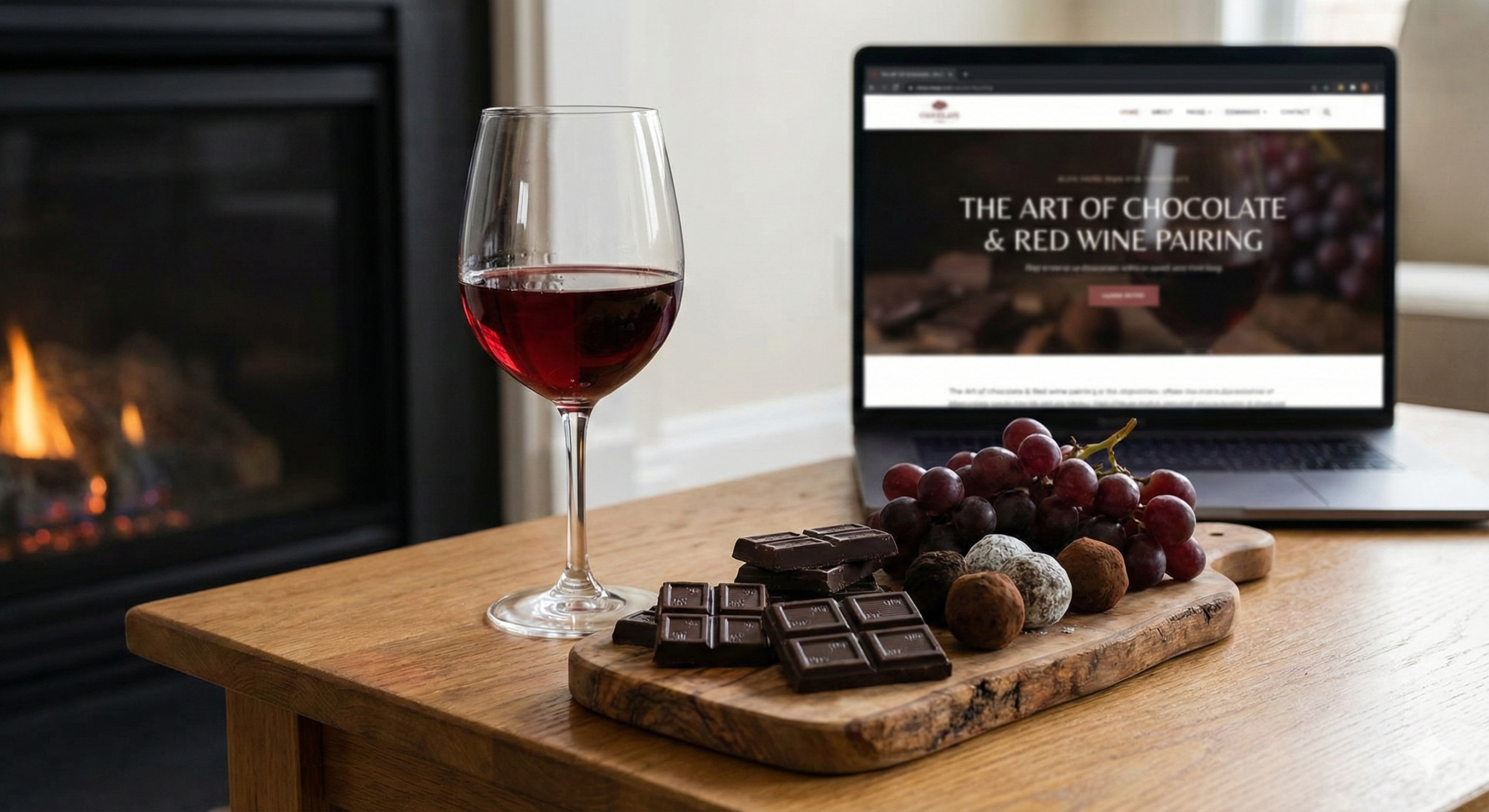
Mastering the Art of Chocolate and Red Wine Pairing: A Match Made in Heaven?
There is perhaps no romantic culinary duo more famous—yet more misunderstood—than chocolate and red wine. It is the cliché of Valentine’s Day, the staple of luxury gift baskets, and the go-to comfort for a Friday night in. Yet, if you have ever taken a bite of dark chocolate followed by a sip of Cabernet, you may have noticed something unexpected: a bitter, sour clash that leaves your palate dry and confused.
The truth is, chocolate and red wine pairing is notoriously difficult. Both contain intense flavors, high tannins, and complex chemical structures that often fight for dominance rather than harmonizing. But when you get it right? It is nothing short of transcendent.
In this comprehensive guide, we will strip away the myths and dive into the mechanics of flavor. We will explore why sweetness levels matter, how to navigate tannins, and which specific bottles unlock the hidden potential of your favorite cocoa treats. Whether you are planning a tasting party or just treating yourself, this is your roadmap.

The Science: Why It’s Harder Than You Think
To master this pairing, you must understand the chemistry happening on your tongue. The primary culprit in a “bad” pairing is tannin.
Both red wine (especially grapes like Cabernet Sauvignon and Syrah) and dark chocolate are rich in polyphenols—specifically tannins. Tannins are what cause that drying, astringent sensation in your mouth. When you pair a high-tannin wine with a high-tannin bittersweet chocolate, the effect is cumulative. The bitterness spikes, the fruit disappears, and your mouth feels like you’ve been chewing on cotton.
Furthermore, the sweetness in chocolate can strip the fruitiness from a dry red wine, making it taste thin and acidic. To combat this, we need to balance sugar, fat (cocoa butter), and alcohol carefully. For a deeper dive into the mechanics of wine structure, read our guide on what is tannin in wine.
The 3 Golden Rules of Chocolate Pairing
Before buying bottles, memorize these three principles to avoid palate disasters.
1. The Wine Must Be Sweeter Than the Chocolate
This is the cardinal rule of dessert pairing. If the chocolate is sweeter than the wine, the wine will taste bitter and sour. This is why dry reds are so hard to pair with sweet milk chocolate.
2. Match Intensity (Body)
Delicate chocolates need delicate wines; intense chocolates need bold wines. A light Pinot Noir will be crushed by a 90% cacao bar. A heavy Port will drown out a delicate white chocolate truffle.
3. Consider the Texture
Cocoa butter coats the tongue. You need a wine with enough acidity or alcohol to cut through that fat, or enough textural richness (like a luscious Zinfandel) to match it.
White Chocolate Pairings
The Profile: Technically not “chocolate” as it lacks cocoa solids, white chocolate is pure cocoa butter, sugar, and milk solids. It is creamy, buttery, and very sweet with notes of vanilla and honey.
The Strategy: You need acidity to cut the fat, or fruitiness to complement the vanilla.
- Pinot Noir: A New World Pinot (like one from California) often has notes of strawberry and cherry. Pairing this with white chocolate creates a “strawberries and cream” effect.
- Ice Wine / Moscato d’Asti: The intense sweetness and tropical fruit notes of Ice Wine mirror the honeyed profile of white chocolate beautifully.
- Rosé Port: A trendy and delicious option. The red berry flavors pop against the creamy backdrop of the chocolate.

Milk Chocolate Pairings
The Profile: The most popular chocolate. It contains cocoa solids (usually 30-45%), milk, and significant sugar. It is mellow, creamy, and caramel-like.
The Strategy: Because it is sweet and has moderate cocoa, you need a wine that is medium-bodied, fruit-forward, and lower in tannin.
- Merlot: A soft, fruit-forward Merlot is often the safest bet. The plum and cocoa notes in the wine bridge the gap perfectly without overwhelming the chocolate.
- Pinot Noir: Similar to white chocolate, a fruitier Pinot Noir works here, highlighting the creaminess.
- Ruby Port: The vibrant red berry sweetness of Ruby Port is a classic match. It adds a “fruit-dipped-in-chocolate” vibe.
- Rutherglen Muscat: If you love caramel and toffee notes, this fortified wine from Australia transforms milk chocolate into a decadent dessert experience.
If you are exploring different wine types for this category, check our breakdown of wine varietals explained.
Dark Chocolate Pairings (50% – 70%)
The Profile: Here we enter the danger zone. As cocoa percentage rises, sugar decreases and natural bitterness (tannins) increases. The flavor is intense, earthy, and sometimes fruity.
The Strategy: You need a wine with bold fruit, higher alcohol (to cut the intensity), and perhaps a touch of residual sugar (perceived sweetness).
- Zinfandel: Often the best dry red pairing. Zinfandel is jammy, spicy, and often has higher alcohol. The “fruit bomb” nature of Zin counteracts the bitterness of the dark chocolate.
- Shiraz (Australian): Bold, spicy, and fruity. The pepper notes in Shiraz can complement the earthiness of the cocoa.
- Cabernet Sauvignon: Proceed with caution. Look for a warm-climate Cab (Napa or Australia) which will have riper fruit and softer tannins. Avoid austere French Bordeaux here.
The Secret Weapon: Fortified Wines
When you reach Extra Dark Chocolate (70% – 90% Cacao), dry red wines almost always fail. The chocolate is simply too bitter and intense. This is where fortified wines shine.
Fortified wines have distilled spirit added to them, halting fermentation and leaving natural grape sugars behind. This creates a wine that is sweet, high in alcohol, and full-bodied—the perfect match for intense chocolate.
- Vintage Port: The king of chocolate pairings. Intense, sweet, and tannic enough to stand up to anything.
- Banyuls: A French fortified wine made from Grenache. It is often called the “chocolate wine” because it naturally tastes like strawberries and cocoa. It is arguably the best pairing on this list.
- Pedro Ximénez (Sherry): Like liquid raisins and molasses. Pour this over vanilla ice cream with dark chocolate shavings for a life-changing dessert.
Serving Tips & Temperature
Just like cheese, temperature matters. If your chocolate is frozen, you won’t taste it. If your wine is too warm, it tastes boozy.
- Chocolate Temp: Serve at room temperature. Cold chocolate is waxy and lacks flavor release.
- Wine Temp: Serve your reds slightly cooler than room temp (60-65°F). This keeps the alcohol in check, which is crucial when pairing with the heat of chocolate. Learn more about storage in our guide on how to store wine at home.
- Tasting Order: Sip the wine first to coat your palate. Then, take a bite of chocolate and let it melt slightly. Sip the wine again while the chocolate is still on your tongue to experience the merger of flavors.