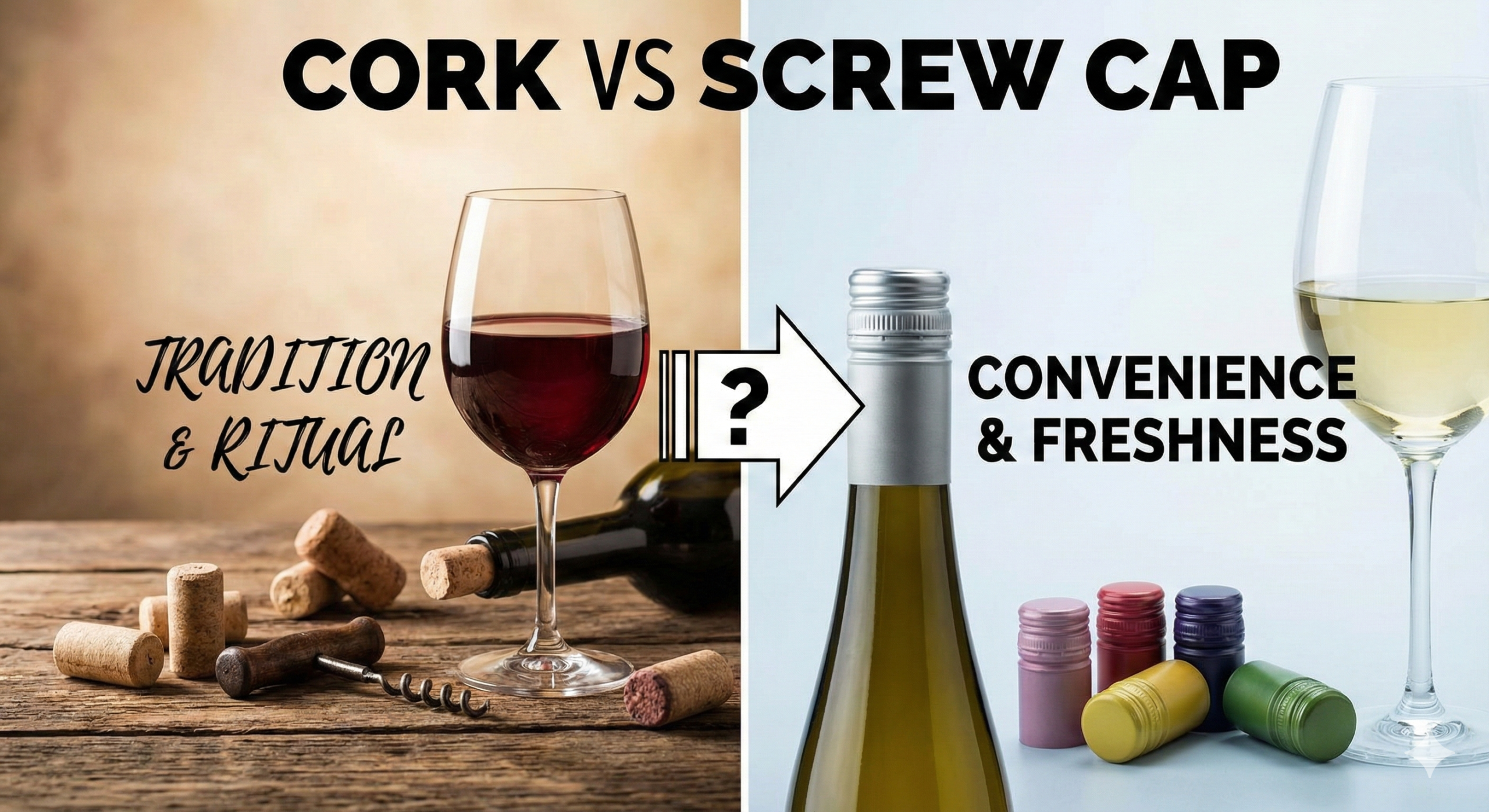
For decades, the sound of a cork popping has been synonymous with celebration, quality, and the start of a good evening. But recently, a new sound has entered the sommelier’s symphony: the sharp crack of a screw cap. The debate of cork vs screw cap is one of the most heated topics in the wine world, dividing traditionalists and modernists alike.
Is a screw cap a sign of cheap plonk, or is it actually the superior closure for keeping your wine fresh? Does cork really help wine age, or is it just a gamble with “cork taint”? In this comprehensive guide, we strip away the snobbery and look at the science.
Tradition vs. Technology: A Brief History
Natural cork has been the gold standard since the 17th century. It comes from the bark of the cork oak tree (Quercus suber), primarily harvested in Portugal and Spain. It’s natural, renewable, and has a romantic allure that plastic and metal simply cannot match.
However, the 20th century brought a problem: TCA (2,4,6-trichloroanisole). This chemical compound, often formed by fungi in the cork, causes “cork taint,” leaving wine smelling like wet cardboard or a damp basement. At its peak, nearly 5-10% of all wine bottles were spoiled by bad corks. Enter the **Stelvin closure** (the technical name for screw caps) in the 1960s—a solution designed to eliminate taint and ensure every bottle tastes exactly as the winemaker intended.
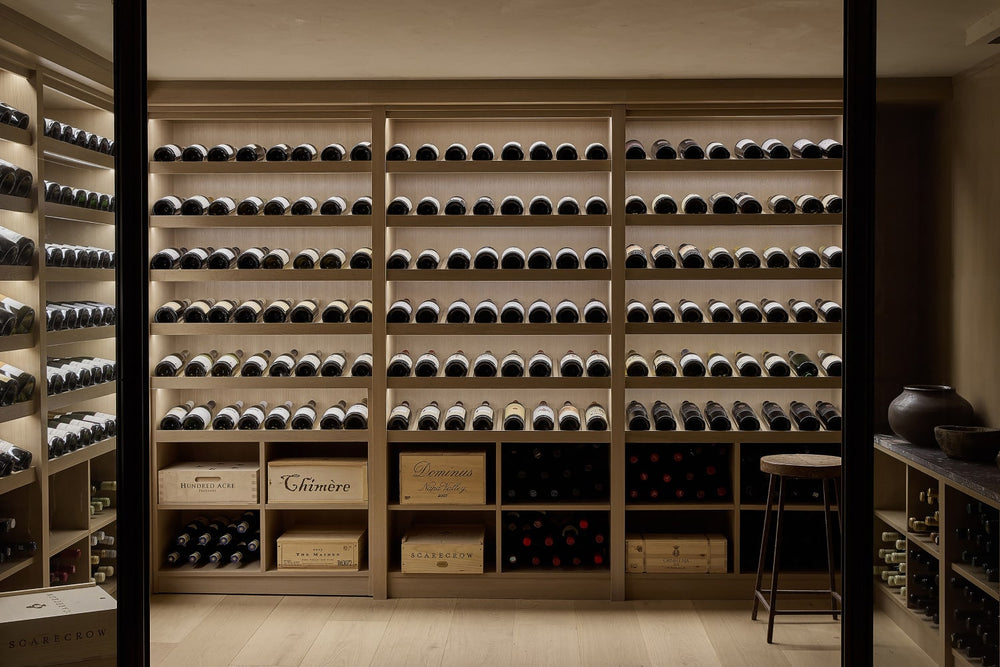
If you’re buying bottles to lay down for historical purposes, you need to understand the environment they live in. Check out our guide on how to store wine at home to ensure your corks don’t dry out.

Coravin Timeless Three+ Wine Preservation System
Love corks but hate committing to the whole bottle? The Coravin allows you to pour a glass without ever pulling the cork, keeping the rest of the bottle fresh for years.
Check Price on AmazonThe Case for Natural Cork
Why do premium wineries (especially in Bordeaux and Napa) stick with cork? It comes down to one word: Oxygen.
Natural cork is not perfectly airtight. It allows a microscopic amount of oxygen to interact with the wine over time. This process, known as micro-oxygenation, softens harsh tannins and helps develop tertiary flavors (leather, tobacco, dried fruit) in age-worthy red wines.
Pros of Cork
- Proven Aging: Centuries of track record for aging wines 20+ years.
- Sustainability: Cork forests support biodiversity and are a renewable resource.
- The Romance: The ritual of using a corkscrew is part of the wine experience.
Cons of Cork
- Taint (TCA): Risk of spoiling the wine (though rates have dropped significantly).
- Variance: No two corks are identical, meaning two bottles from the same case might age differently.
- Fragility: Corks can dry out, crumble, or leak if stored improperly.
Dealing with a crumbling cork is a nightmare. If you find yourself in a bind without your tools, see our tips on how to open a wine bottle without a corkscrew.
The Screw Cap Revolution
New World wine regions—specifically Australia and New Zealand—led the charge against cork. Today, nearly 90% of Australian wines and almost all New Zealand Sauvignon Blancs are sealed under screw cap. Why? Because they prioritize fruit preservation.
Screw caps create a near-hermetic seal. This means no oxygen gets in, and no freshness gets out. For aromatic whites (like Riesling or Sauvignon Blanc) and light reds meant to be drunk young (like Rosé or Beaujolais), screw caps are objectively superior.
| Feature | Natural Cork | Screw Cap (Stelvin) |
|---|---|---|
| Oxygen Transfer | Variable (allows breathing) | Consistent (very low) |
| Taint Risk | Low to Moderate (TCA) | Zero (No TCA) |
| Aging Potential | Excellent for long-term | Good for short/medium term |
| Opening | Requires tool | Twist and pour |

Secura Electric Wine Bottle Opener
Even if you prefer screw caps, you’ll eventually meet a cork. Make it effortless with this electric opener that removes corks in seconds with zero physical effort.
Check Price on AmazonThe Science of Aging: Can Screw Caps Age Wine?
A common myth is that wines under screw cap cannot age. This is false. While screw caps don’t “breathe” like natural cork, modern technology has introduced liners with calculated oxygen permeability rates. Winemakers can now choose a screw cap that allows a specific amount of oxygen ingress per year.
However, the aging process under a screw cap is slower and different. It tends to preserve primary fruit flavors longer, whereas cork accelerates the development of savory, secondary notes. For a wine collector, this predictability is actually a huge asset—you know exactly what you are getting when you open a 10-year-old bottle.
If you do open a younger red that has been sealed tight under a screw cap, it might need help opening up. This is where aeration helps. Check out our reviews of the best wine decanters to help your wine breathe instantly.
The Final Verdict: What Should You Buy?
Stop judging the bottle by its top. In 2026, a screw cap is no longer a sign of cheap wine; it is a sign of a winemaker who wants to guarantee that the liquid inside tastes fresh, vibrant, and free of faults.
Choose Cork If:
- You are buying expensive reds (Cabernet, Nebbiolo) to cellar for 10+ years.
- You value the traditional ceremony of opening wine.
- You enjoy the subtle variations that natural aging brings.
Choose Screw Cap If:
- You are buying white wines, Rosé, or fruit-forward reds.
- You plan to drink the wine within 1-5 years of purchase.
- You want a guarantee that the wine is not “corked.”
- You are taking wine on a picnic or hike (no tools required!).
Regardless of the closure, finding great value is key. Don’t miss our curated list of the best affordable wines of 2025, featuring top picks in both cork and screw cap formats.

Wine Enthusiast 32-Bottle Dual Zone Wine Cooler
Whether cork or screw cap, temperature fluctuation kills wine. Protect your investment with this dual-zone fridge perfect for both reds and whites.
See Best DealFrequently Asked Questions
Yes, slightly. Because the screw cap provides a tighter reseal than jamming a cork back in, it can keep the wine fresh in the fridge for an extra day or two compared to a recorked bottle.
Absolutely. High-end producers in Australia (like Penfolds) and New Zealand bottle wines costing over $100 under screw cap to ensure quality consistency.
Synthetic corks are plastic stoppers designed to look like cork. They eliminate taint but can be difficult to remove and do not offer the aging benefits of natural cork. They are generally used for wines meant to be consumed within a year.
That is “cork taint” caused by TCA (trichloroanisole). It happens when fungi in natural cork interact with chlorides. It has nothing to do with the quality of the grapes, only the closure.
It is not necessary. Cork bottles must be stored horizontally to keep the cork moist. Screw cap bottles can be stored vertically or horizontally without affecting the seal.
Generally, yes. Cork is biodegradable and renewable (the tree is not cut down). Aluminum screw caps are recyclable, but their production and mining have a higher carbon footprint.
Actually, screw caps can sometimes cause “reduction” (a smell like rotten eggs) if the seal is too tight and the wine lacks oxygen. Winemakers must prepare the wine differently for screw caps to avoid this.
Australia and New Zealand are the leaders, with over 90% adoption. The UK and US are increasingly accepting them, while France and Italy remain the most resistant due to tradition.