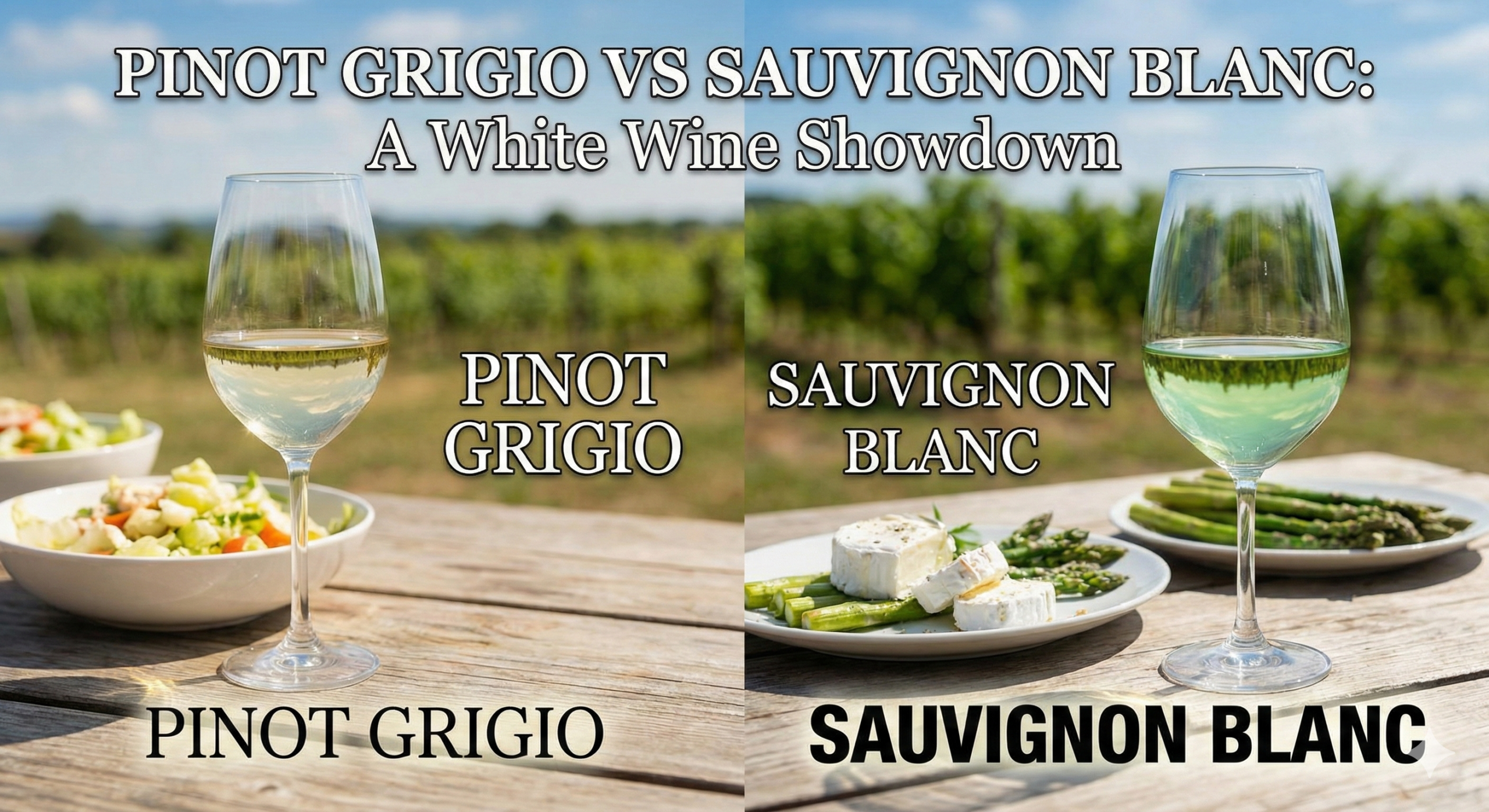
Pinot Grigio vs. Sauvignon Blanc: Which Crisp White Wins?
From the rolling hills of Italy to the zest of New Zealand, we break down every nuance of these two summer staples.
It is the quintessential dilemma of the summer patio, the seafood dinner, and the wedding reception open bar: Pinot Grigio vs. Sauvignon Blanc. To the uninitiated, they might look identical—pale, chilled, and served in the same glass. But lift them to your nose, and you are transported to two completely different worlds.
While both are “dry white wines,” they cater to very different palates. One is a master of subtlety and refreshment, famously easy-drinking and neutral. The other is loud, aromatic, and aggressive, punching you with notes of fresh herbs and tropical fruit. Understanding the difference isn’t just wine snobbery; it’s the key to ensuring you don’t accidentally ruin your dinner pairing.
The Cheat Sheet: At A Glance
If you are standing in the wine aisle right now and just need to know what to buy, this table is for you. We compare the “Standard” style of each (typically Italian Pinot Grigio vs. New Zealand Sauvignon Blanc).
| Feature | Pinot Grigio | Sauvignon Blanc |
|---|---|---|
| Primary Flavors | Lemon, Green Apple, Pear, White Blossom | Grapefruit, Lime, Passion Fruit, Fresh Cut Grass |
| Acidity | Medium-High (Crisp) | Very High (Zesty/Tart) |
| Aromatic Intensity | Low / Neutral | High / Pungent |
| Body | Light-Bodied | Light to Medium-Bodied |
| Best Food Pairing | Delicate Fish, Salads, Chicken | Goat Cheese, Spicy Thai, Herb Sauces |
Deep Dive: Sauvignon Blanc
Sauvignon Blanc is not a wine for the shy. The name translates roughly to “Wild White,” and it lives up to the moniker. Originating in the Bordeaux and Loire Valley regions of France, it has found a second, explosive home in Marlborough, New Zealand.
The “Green” Factor
What makes Sauvignon Blanc unique is a chemical compound called pyrazines. These are flavor compounds also found in bell peppers and jalapeños. This gives the wine its signature “green” aroma—think fresh-cut grass, gooseberry, and nettle. In cooler climates (like New Zealand), this is accompanied by aggressive tropical fruit notes like passion fruit and grapefruit.
It is a high-acid wine, meaning it makes your mouth water instantly. This acidity is why it cleanses the palate so effectively after fatty or herbaceous foods.

Keep The Zest Cold
Sauvignon Blanc loses its trademark “zing” if it gets too warm. This Le Creuset cooler sleeve keeps the bottle at the perfect 45°F on your patio table.
Check PriceDeep Dive: Pinot Grigio (and Pinot Gris)
Pinot Grigio is the comfort food of the wine world. It is reliable, refreshing, and rarely offensive. Born from a mutation of the red Pinot Noir grape (the skins are actually grayish-purple, hence “Gris” or “Grigio”), this wine is all about texture and delicacy.
Two Names, Two Styles
It is crucial to understand that Pinot Grigio and Pinot Gris are the same grape, but the names imply different styles:
- Italian Style (Grigio): Harvested early to retain acidity. It is light, neutral, and drinks like “alcoholic lemonade.” Perfect for hot days.
- French Style (Gris): Primarily from Alsace. These grapes are left on the vine longer. The resulting wine is richer, fuller-bodied, more oily in texture, and often has notes of honey, ginger, and spice.
Most of what you find in American supermarkets is the Italian style: crisp, dry, and simple.
Regional Differences: Old World vs. New World
Climate dictates flavor. The battle between Pinot Grigio and Sauvignon Blanc changes drastically depending on where the grapes were grown.
Sauvignon Blanc Regions
- Loire Valley, France (Sancerre): The holy grail. Mineral-driven, flinty, elegant, and less “fruity.”
- Marlborough, New Zealand: A fruit bomb. Massive acidity, huge passion fruit, and intense grassy notes.
- California (Napa): Often aged in oak (sometimes called Fumé Blanc), giving it a creamy, peachy richness.
Pinot Grigio Regions
- Alto Adige, Italy: The best Italian stuff comes from here. Mountain air creates high acidity and minerality.
- Veneto, Italy: The source of mass-market, watery Pinot Grigio. Cheap, but simple.
- Oregon, USA: Produces a “Pinot Gris” style that bridges the gap—fruitier than Italy, but lighter than Alsace.
The Ultimate Pairing Guide
This is where the rubber meets the road. Choosing the wrong wine can make your food taste metallic or bland. Because Sauvignon Blanc has such high herbal notes, it is the king of “green” food pairings.
When to choose Sauvignon Blanc:
- Goat Cheese: This is the classic pairing. The acid cuts the creaminess. Check out our Cheese Pairing Chart for more details.
- Sushi & Sashimi: The wasabi and ginger love the zest of the wine.
- Green Sauces: Pesto pasta, chimichurri on steak, or salsa verde.
- Spicy Food: Thai curries or Mexican dishes (the fruitiness balances the heat).
When to choose Pinot Grigio:
- Shellfish: Mussels, clams, or scallops. The wine is neutral enough not to overpower delicate seafood. Read more on Seafood Pairing.
- Light Pastas: Spaghetti alle Vongole or a simple lemon-butter chicken.
- Salads: A light vinaigrette salad that would be overwhelmed by a heavy wine.
Serving Temperature & Glassware
Both wines suffer if served too warm (they become flabby and alcoholic) or too cold (the flavors mute). The sweet spot is 45°F to 49°F (7°C – 9°C). This is slightly warmer than your kitchen fridge, so take the bottle out 15 minutes before serving.
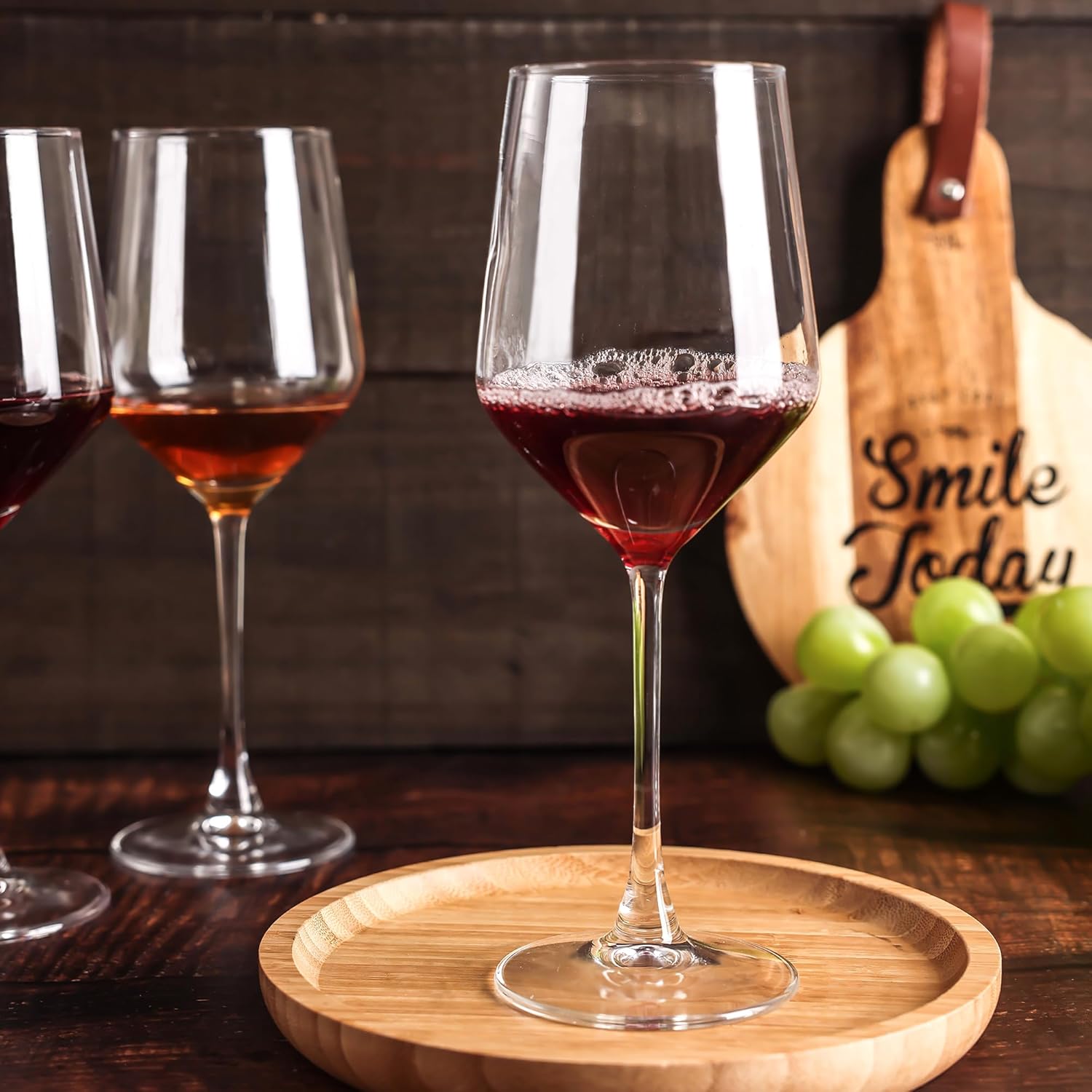
For glassware, shape matters. You generally want a smaller bowl to concentrate delicate aromas and direct the wine to the front of the tongue to highlight acidity. Our guide on Red vs White Wine Glasses explains the physics behind this.

The Specialist Glass
Riedel makes a glass specifically for Sauvignon Blanc. The shape directs the flow of wine to minimize tartness and highlight the fruit.
See the GlassIf you are serious about maintaining these temperatures, especially for a dinner party, relying on a standard ice bucket can be messy. Investing in proper storage is key. See our reviews for the best freestanding wine refrigerators to keep your collection ready to pour.
Frequently Asked Questions
Generally, both are dry wines with very little residual sugar. However, Sauvignon Blanc often tastes fruitier (due to tropical notes), which some beginners confuse for sweetness. Pinot Grigio is typically drier and more neutral.
They are almost identical. A standard 5oz glass of either wine contains about 120-125 calories and 3-4 grams of carbs. The driest versions (low alcohol) will have slightly fewer calories.
Yes. Fumé Blanc is a marketing term invented by Robert Mondavi in California. It refers to Sauvignon Blanc that has been aged in oak barrels, giving it a smokier, richer profile.
Believe it or not, this is considered a mark of quality! The compound (p-mentha-8-thiol-3-one) is natural to the grape. In wine tasting circles, we politely call this “boxwood” or “blackcurrant leaf,” but it indicates a high-quality, pungent Sauv Blanc.
Pinot Grigio is the ultimate cooking wine. Its neutrality adds acid without altering the flavor of your dish. Sauvignon Blanc can be risky for cooking because its strong herbal flavors might clash with your ingredients.