Red Wine Glass vs White: The Ultimate Guide to Stemware Logic
Is it just marketing, or does the glass really change the wine? We break down the science, the shapes, and the best choices for your cellar.
Introduction: Why the Vessel Matters
For the casual drinker, a glass is just a vessel—a way to move liquid from the bottle to the mouth without making a mess. But for anyone who has begun to explore the complex terminology of wine, the realization hits quickly: the hardware matters just as much as the software.
The debate of red wine glass vs white wine glass is not about etiquette or snobbery; it is about physics and chemistry. The interaction between ethanol, oxygen, and your olfactory senses changes depending on the surface area and the rim diameter of your stemware.
If you have invested in the best affordable wines of 2025 or have a vintage bottle resting in your cellar, pouring it into a thick-rimmed water goblet is a disservice to the winemaker’s craft. In this comprehensive comparison, we will dissect the anatomy of wine glasses, explain why reds demand “room to breathe,” why whites prefer a tighter embrace, and help you decide which stemware deserves a spot in your cabinet.
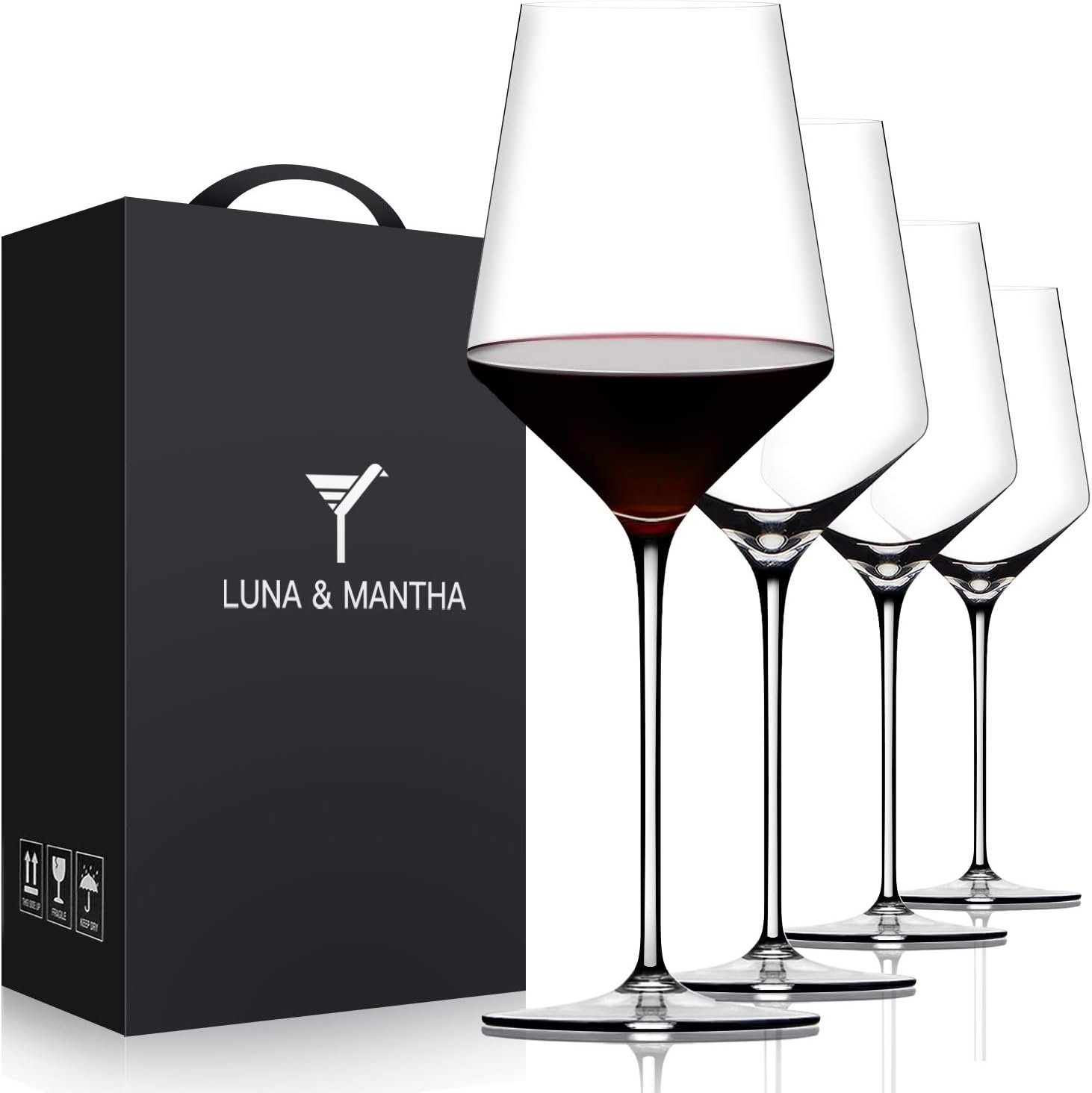
At a Glance: Red vs. White Wine Glasses
Before we dive into the molecular details, here is the high-level breakdown of the primary differences between these two essential tools.
| Feature | Red Wine Glass | White Wine Glass |
|---|---|---|
| Bowl Size | Large, wide, round | Smaller, U-shaped, narrower |
| Rim Opening | Wide to allow dipping the nose | Narrow to concentrate aromas |
| Stem Length | Standard to Long | Typically longer to prevent heat transfer |
| Primary Function | Aeration and oxidation | Temperature preservation |
| Effect on Flavor | Softens tannins, reduces burn | Enhances acidity, preserves fruit |
| Aeration Needs | High (Needs to breathe) | Low (Needs to stay fresh) |
The Anatomy of Flavor: How Glassware Works
To understand the “vs,” we must first understand the machine. A wine glass is composed of three distinct parts, each playing a role in how you experience the wine. This is particularly relevant if you are learning how to pair wine with food, as the delivery system affects the palate.
1. The Bowl
This is the chamber where the wine sits. The width of the bowl determines the surface area of the wine exposed to air.
Red Glasses: Feature wide bowls to maximize oxidation.
White Glasses: Feature narrower bowls to minimize oxidation and keep the temperature low.
2. The Rim
The rim is arguably the most critical component. A thin, cut rim (laser-cut) allows the wine to flow smoothly onto the tongue. A thick, rolled rim (common in cheap glasses) creates a barrier. Furthermore, the angle of the rim directs the wine to specific parts of your tongue (tip for sweetness, sides for acidity, back for bitterness).
3. The Stem
The stem prevents your body heat from warming the wine. While stemless glasses are trendy for casual drinking, they are disastrous for temperature-sensitive whites. If you are learning how to store wine at home correctly, you know temperature is king. The stem ensures that your 98.6°F hand stays away from your 50°F Sauvignon Blanc.
Deep Dive: Red Wine Glasses
Red wines are generally bolder, higher in alcohol, and richer in tannins than whites. What is tannin in wine? It is the textural element that makes wine taste dry and astringent. To mitigate the harshness of tannins and allow complex flavor compounds to release, red wine needs air.
The Logic of the Large Bowl
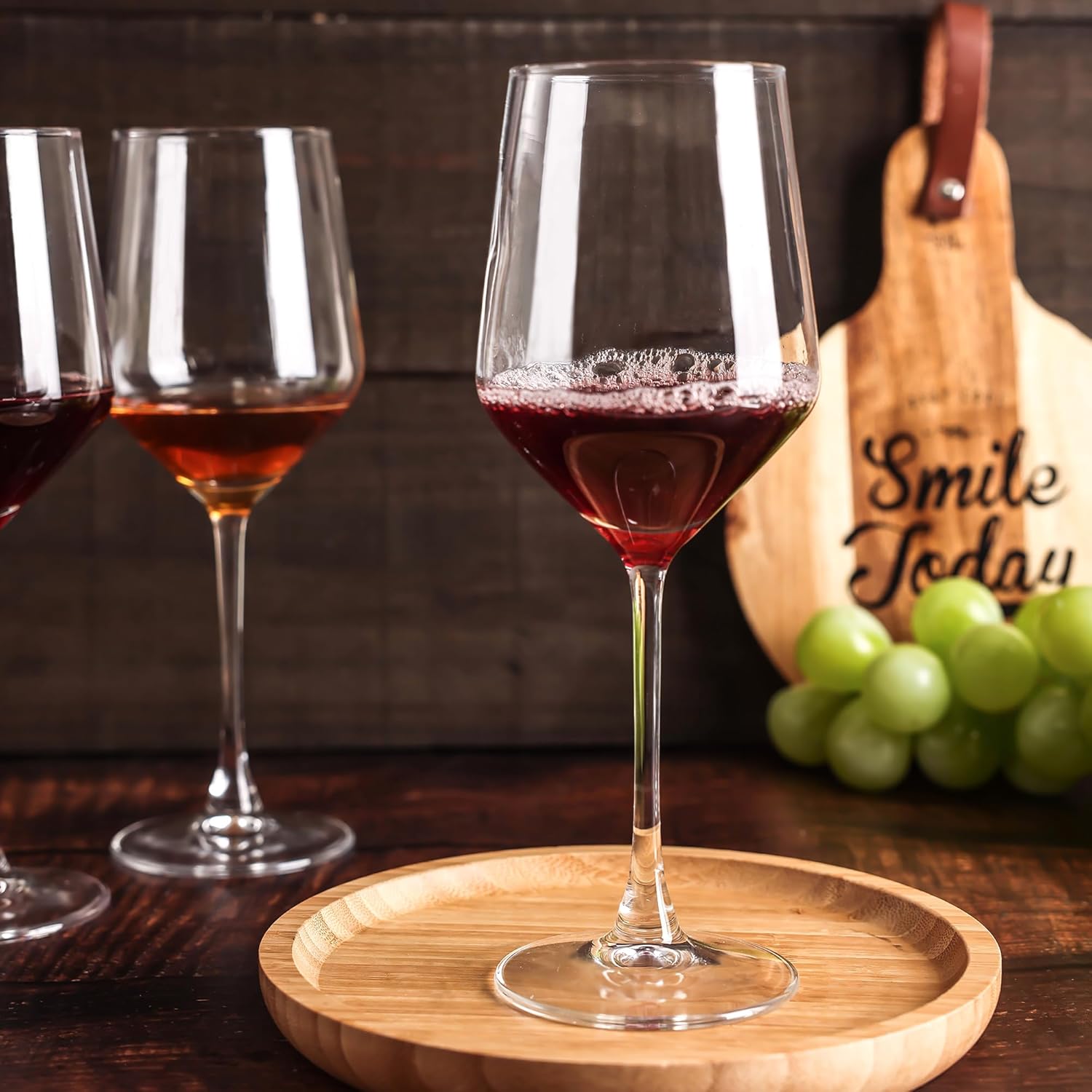
Red wine glasses are characterized by a larger, rounder bowl. This increases the surface area, allowing more ethanol to evaporate. As the alcohol evaporates, it carries the wine’s aromatic compounds toward your nose. This process is essentially “decanting in the glass.”
If you don’t have time to use one of the best wine decanters, swirling red wine in a large glass is the next best thing. It introduces oxygen, which “opens up” the wine, making it taste smoother.
Types of Red Wine Glasses
- Bordeaux Glass: This is the tallest red glass with a broad bowl but not as wide as the Burgundy. It is designed for full-bodied, high-tannin wines like Cabernet Sauvignon, Merlot, and Syrah. The shape directs wine to the back of the mouth, minimizing the bitterness of tannins.
- Burgundy Glass: This glass has a massive, fishbowl-like shape. It is designed for lighter, more delicate reds like Pinot Noir and Gamay. The wide bowl allows delicate aromas to accumulate, while the thinner rim directs the wine to the tip of the tongue to highlight sweetness and fruitiness.
For a detailed breakdown of specific models, check our guide on the best wine glasses for red wine.

Deep Dive: White Wine Glasses
White wines operate on a different spectrum. They are generally served chilled and rely on acidity and fruit for their structure rather than tannins. Because of this, the design goals for white wine glasses are almost the opposite of reds.
Preservation Over Oxidation
Oxidation is often the enemy of crisp white wines. Too much air can make a vibrant Sauvignon Blanc taste flat. Consequently, white wine glasses have a “U” shape and are more upright. This smaller bowl reduces the surface area exposed to air, preserving the wine’s carbonation (if present) and fresh characteristics.
Temperature Control
Since white wine is best served between 45°F and 50°F, keeping it cool is vital. A smaller glass means a smaller pour, which means you finish the glass before it has a chance to reach room temperature. This is why you rarely see oversized goblets for Pinot Grigio.
Types of White Wine Glasses
- High-Acid White Glass: The standard white wine glass. It has a small opening to direct the wine to the tip of the tongue (sweet receptors) to balance the high acidity of wines like Riesling or Sauvignon Blanc.
- Full-Bodied White Glass: Used for oaked Chardonnays or Viognier. These glasses are slightly wider (approaching a red wine shape) to allow the creamy, rich textures to breathe slightly, but they are still shorter than red glasses.
Looking for a place to keep those whites chilled before serving? Consider investing in a dedicated cooler. Check out our Ivation wine cooler reviews or the Whynter wine cooler review for storage ideas.

The Head-to-Head: Which Should You Buy?
If you are building a home bar or looking for wine gift ideas for her, you might be wondering if you really need to buy two separate sets of glasses. Let’s break down the pros and cons.
Red Wine Glasses
Pros:
- Essential for aeration of tannic wines.
- Provides a luxurious aromatic experience.
- Can double as water goblets in a pinch.
- Looks elegant on a dinner table.
Cons:
- Harder to store (they take up more space).
- More fragile due to larger surface area.
- Not suitable for sparkling wines.
White Wine Glasses
Pros:
- Keeps wine cooler for longer.
- Preserves delicate floral aromas.
- More durable and easier to wash.
- Takes up less cabinet space.
Cons:
- Can “choke” a big red wine (prevents breathing).
- Makes swirling difficult without spilling.
- Less visually imposing.
The “Universal” Alternative
In recent years, glassmakers have pushed the concept of the “Universal” glass. This is a hybrid shape—somewhere between a Riesling glass and a small Cabernet glass.
Is it worth it? If you have limited space, absolutely. A high-quality universal glass (like the Gabriel-Glas or Zalto Universal) handles 90% of wines beautifully. However, if you regularly drink heavy vintage reds or organic and natural wines that often require significant aeration to blow off reduction, a dedicated large-bowl red glass is superior.
Materials matter: Crystal vs. Glass
The “Red vs. White” debate is incomplete without mentioning material. Whether you choose a red or white shape, the composition of the glass changes the tasting experience.
- Standard Glass: Usually has a rolled rim (a bump at the lip). It is durable and cheap but interferes with the flow of wine. Good for casual use.
- Crystal (Lead or Titanium): Crystal is stronger than glass, which sounds contradictory, but this strength allows it to be spun incredibly thin. A thin rim is the hallmark of a great wine glass. It also has a rougher microscopic surface, which helps agitate the wine to release more aroma.
Care and Maintenance
Regardless of the shape, you must keep them clean. Soap residue is a wine killer. We recommend washing with hot water and minimal detergent. If you are hosting a party, check our guide on wine accessories every host needs, which includes polishing cloths to keep your stemware spotless.
Have you opened a bottle but didn’t finish it? Don’t let the wine go bad in the glass. Learn how long wine lasts after opening and consider using the best wine stoppers to preserve it.
Frequently Asked Questions
Here are the most common questions we get regarding wine glass selection.
Does the glass really change the taste?
Yes. A Japanese medical group actually used a special camera to image ethanol vapors leaving different glasses. They proved that the shape of the glass alters how vapors hit your nose, which changes the perceived flavor profile entirely.
Can I use a stemless glass?
Stemless glasses are great for casual settings and are less likely to break in the dishwasher. However, your hand warms the wine. For reds, this is manageable. For whites, it is a problem. If you use stemless, try to hold the glass at the very top or set it down between sips.
What about sparkling wine? Flute vs. White Glass?
Traditionally, flutes are used for Champagne to preserve bubbles. However, modern sommeliers prefer using a white wine glass for high-quality Champagne. The wider bowl allows the complex brioche and nutty aromas of vintage Champagne to express themselves, which a narrow flute suppresses.
How do I store my glasses?
Store them upright to prevent chipping the delicate rim. If you are tight on space, consider a modular wine rack system or hanging racks. For those with dedicated cellars, check out our wine cellar essentials.
Final Verdict: Which Glass Wins?
There is no single winner in the battle of red wine glass vs white wine glass because they are tools designed for different jobs. You wouldn’t use a hammer to tighten a screw, and you shouldn’t use a flute to drink a Bordeaux.
The Ideal Setup for Beginners:
Start with a set of 4 high-quality “Universal” glasses. This covers all bases.
The Ideal Setup for Enthusiasts:
Invest in one set of large-bowl Bordeaux glasses for your reds and one set of smaller white wine glasses for your whites and rosés.
Remember, the glass is the stage, and the wine is the performance. A great glass cannot make bad wine taste good, but a bad glass can certainly make great wine taste mediocre. Equip yourself correctly, pour a glass of one of the many wine varietals available, and taste the difference for yourself.