Seafood and Wine Pairing Guide: Mastering the Perfect Catch
The old adage “white wine with fish” is one of the first rules we learn in the culinary world. And while it is a safe starting point, it is woefully incomplete. Treating a delicate poached sole the same as a blackened salmon steak or a buttery lobster tail is a missed opportunity for gastronomic bliss.
Seafood offers a spectrum of textures and flavors that is arguably wider than meat. From the briny, metallic slap of a raw oyster to the rich, steak-like density of swordfish, the ocean provides endless variety. Consequently, the world of seafood and wine pairing must be equally diverse.
In this guide, we are going to dive deep beyond the generic advice. We will explore how texture dictates wine body, why acidity is the most important tool in your arsenal, and yes, how you can absolutely drink red wine with fish. Whether you are planning a beachside feast or an elegant dinner party, this is your roadmap.
The 3 Golden Rules of Seafood Pairing
Before memorizing specific fish types, understand the mechanics. These principles act as your compass.
1. Acid is Your “Invisible Lemon”
Why do we squeeze lemon onto fish? Because the acid cuts through the oil and salt, brightening the flavors. High-acid wines perform the exact same function. A crisp Sauvignon Blanc or Muscadet acts as a liquid garnish. If the fish is fatty or fried, you need high acidity to scrub the palate clean. For more on these mechanics, review our guide on how to pair wine with food.
2. Match the Weight
Delicate fish needs delicate wine. A heavy, oaky Chardonnay will crush the flavor of a light tilapia fillet. Conversely, a rich Lobster Thermidor will make a light Pinot Grigio taste like water. Match the body of the wine to the texture of the seafood.
3. The Sauce Dictates the Wine
Often, the preparation matters more than the protein. Shrimp cocktail needs a different wine than shrimp scampi. If the sauce is heavy (cream, butter), go for a fuller white. If the sauce is spicy or acidic (tomato, citrus), go for a high-acid, fruity wine. See how we apply this logic in our spicy food pairing guide.
Lean & Flaky Fish
Examples: Cod, Halibut, Sole, Flounder, Tilapia, Sea Bass.
These fish are mild, sweet, and delicate. They are often poached, steamed, or lightly sautéed. The goal is to highlight their freshness without overpowering them.
- Pinot Grigio / Pinot Gris: Clean, crisp, and neutral. It respects the delicate flavor of the fish.
- Sauvignon Blanc: Excellent for flaky fish served with herbs or citrus sauces. The herbal notes of the wine mirror the garnish.
- Grüner Veltliner: An Austrian white with white pepper and green apple notes that pairs beautifully with lighter white fish.
- Albariño: The seafood wine of Spain. It has a saline quality that pairs perfectly with the ocean flavors.
Meaty & Oily Fish
Examples: Salmon, Tuna, Swordfish, Mahi-Mahi, Mackerel.
These fish have a steak-like texture and higher oil content. They can stand up to wines with more body, fruitiness, and even light tannins.
- Oaked Chardonnay: The holy grail for salmon. The creamy texture of the wine matches the oily richness of the fish.
- Viognier: A floral, full-bodied white that works wonders with grilled Swordfish or Mahi-Mahi.
- Dry Rosé: The bridge between white and red. It has the acidity of a white but the red fruit flavors that complement the meatiness of tuna. Ideally, choose a Provence style.
- Pinot Noir: Yes, a red. See the section below on “Red Wine with Fish” for why this works so well with Salmon.
If you are serving these fish raw, the rules change slightly. Check our sushi pairing guide for raw preparations.

Shellfish Pairing
Shellfish falls into two categories: the sweet/rich (lobster/crab) and the briny/salty (oysters/clams).
Oysters, Clams & Mussels
These are pure essence of the sea. You need high acid and minerality.
- Muscadet: The classic French bistro pairing. It is bone-dry and saline.
- Champagne / Sparkling Wine: The bubbles provide a textural contrast to the silky oyster, and the acidity cleanses the palate.
- Chablis (Unoaked Chardonnay): Crisp, chalky, and mineral-driven. Perfection with clams.
Lobster, Crab & Scallops
These are sweet, rich, and often dipped in butter. You need a wine that mimics that richness.
- White Burgundy (Oaked Chardonnay): The ultimate indulgence with lobster. The butter notes in the wine harmonize with the drawn butter.
- Chenin Blanc: A fuller-bodied white with notes of honey and apple that complements the natural sweetness of crab and scallops.
Pairing by Sauce & Preparation
As mentioned, the cooking method can change everything.
- Fried Seafood (Fish & Chips, Calamari): You need bubbles. Prosecco, Cava, or Champagne cuts right through the grease and batter.
- Tomato-Based (Cioppino, Bouillabaisse): Tomatoes are acidic. You need a high-acid wine to match. A dry Rosé or a light Italian red like Sangiovese works wonders.
- Spicy (Cajun Shrimp, Thai Curry): Alcohol amplifies heat. Go for a low-alcohol, off-dry wine like Riesling or Gewürztraminer. The slight sweetness tames the fire.
- Cream Sauces: A full-bodied white like Chardonnay or a white Rhône blend (Roussanne/Marsanne) has the weight to stand up to heavy cream.

Breaking the Myth: Red Wine with Fish
The rule “no red wine with fish” exists because tannins (the drying compound in red wine) react with fish oils to create a metallic flavor. However, if you choose low-tannin reds, you can absolutely make it work.
The Best Reds for Fish:
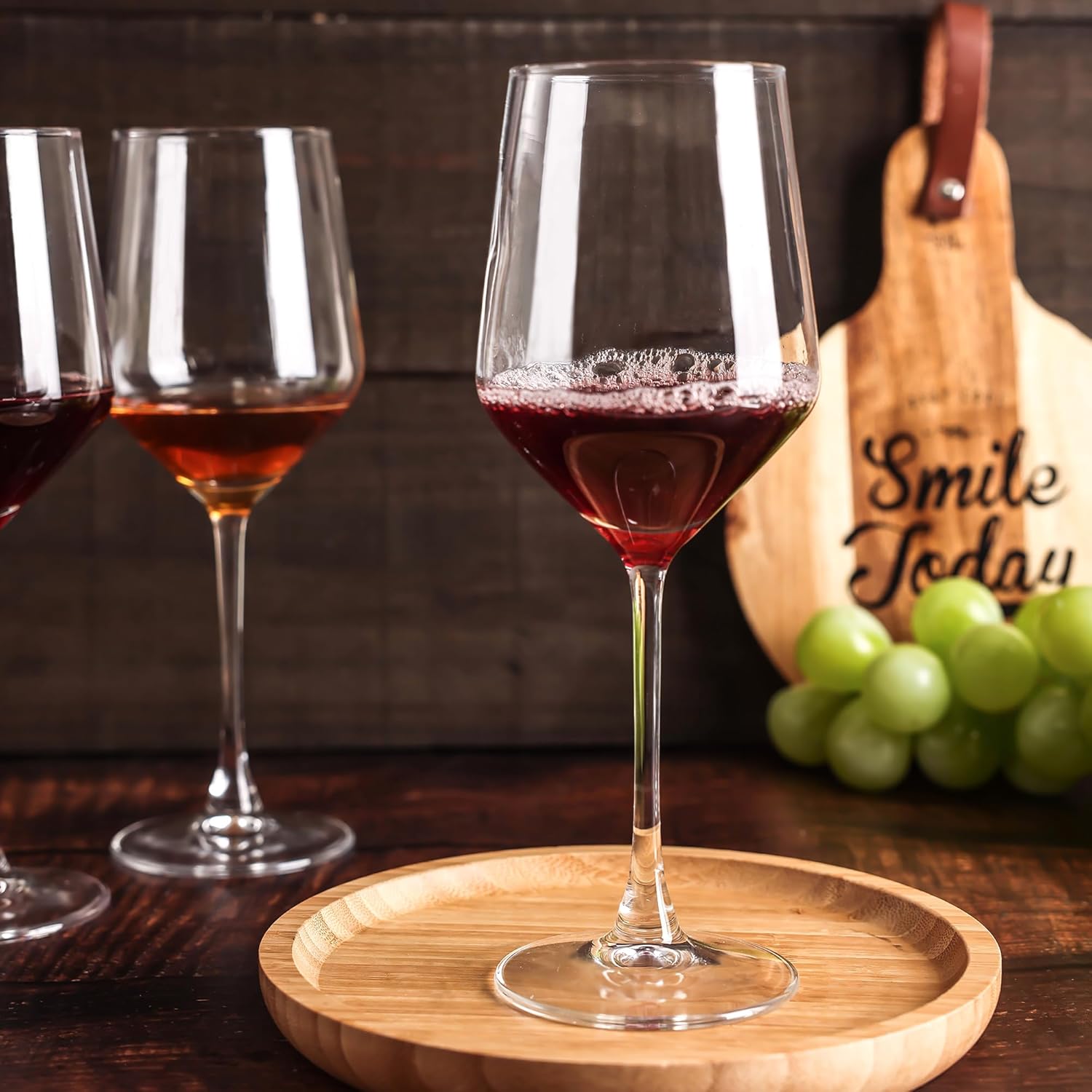
- Pinot Noir: The classic match for Salmon. The earthy, mushroom notes pair perfectly with the richness of the fish, especially if grilled or plank-roasted. Make sure to use the proper glass to appreciate the aromatics.
- Gamay (Beaujolais): Serve it slightly chilled. It is fruity, low-tannin, and works great with Tuna or seared meaty fish.
- Grenache / Garnacha: A lighter style Grenache works well with stewed fish dishes or Mediterranean preparations involving tomatoes and olives.
Serving Essentials
Don’t ruin a great pairing with bad service.
- Temperature: White wines should be chilled (45-50°F), but rich whites like Chardonnay are better slightly warmer (50-55°F) to release their aromas. If you serve them ice cold, you lose the flavor.
- Glassware: A smaller bowl maintains the cool temperature of white wines. However, for a complex White Burgundy, a wider bowl helps.
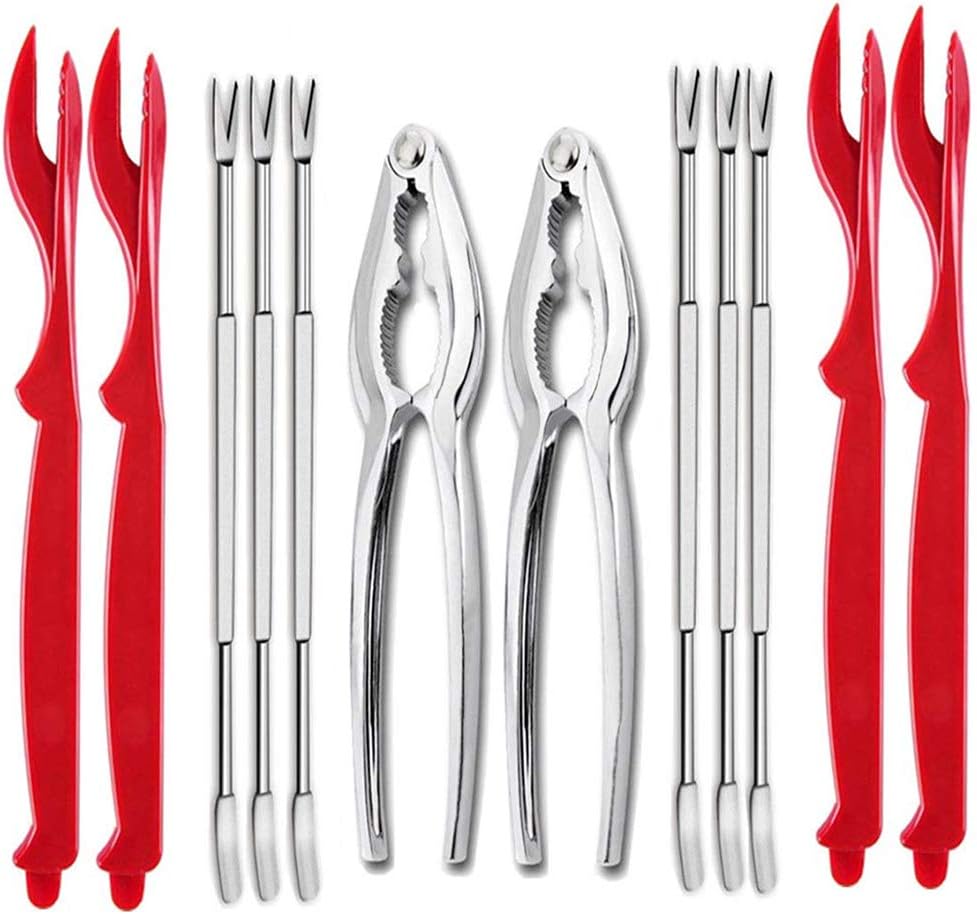
- Tools: If you are serving shellfish, ensure you have the right crackers and forks. If you are serving a nice bottle, consider using a good opener to avoid breaking the cork.