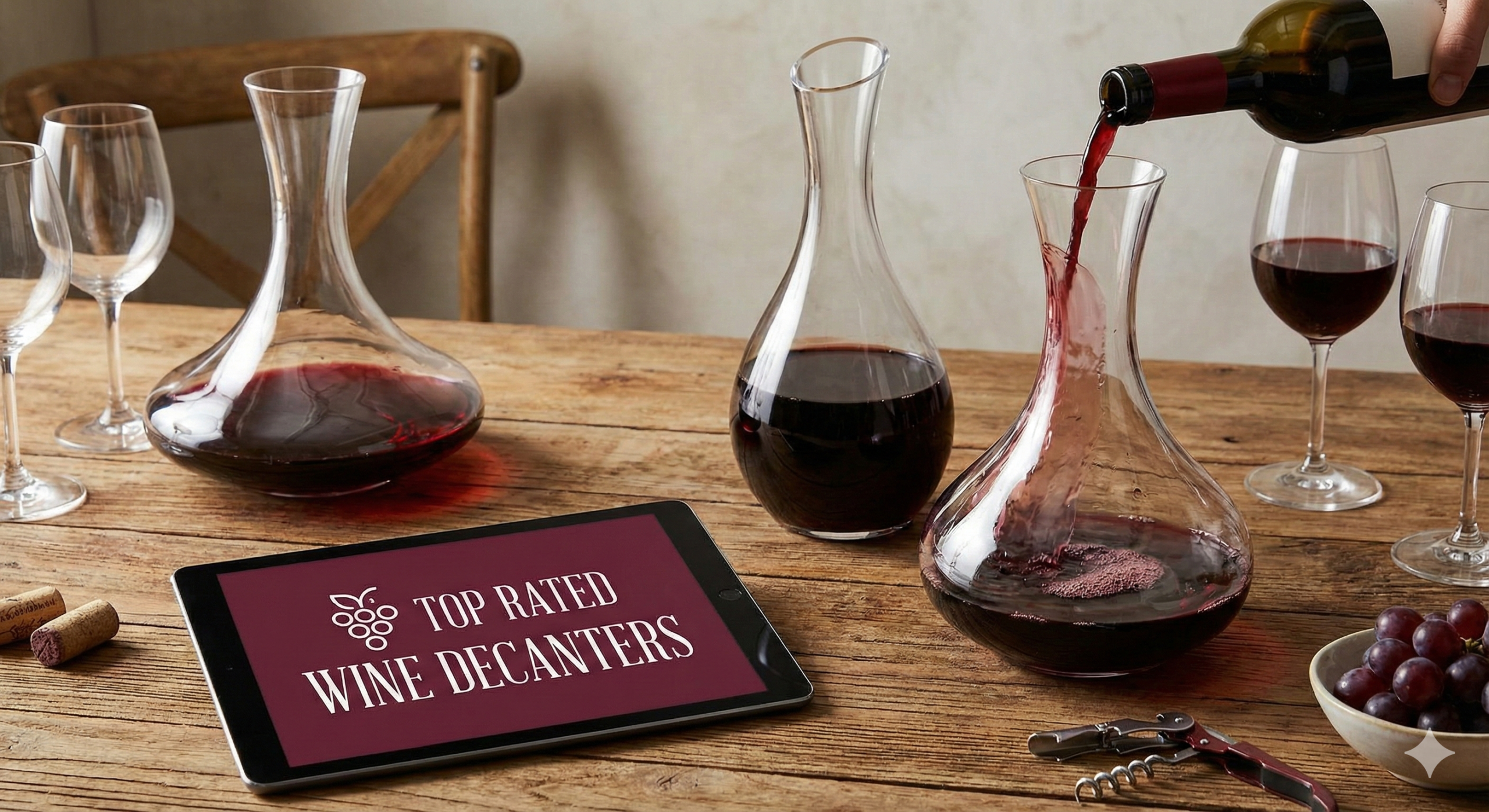
Top Rated Wine Decanters: Elevate Your Pour
Transform your wine from “good” to “unforgettable.” We review the best vessels to aerate tannins, separate sediment, and look stunning on your table.
Introduction: The Art of Breathing
There is a moment of theater when a host pours a bottle of red wine into a sweeping, crystalline vessel. It looks beautiful, certainly, but it is not just for show. The top rated wine decanters are functional tools designed to alter the chemistry of your wine before it even hits your lips.
Whether you are uncorking one of the best affordable wines of 2025 or a vintage collector’s item, decanting serves two primary purposes: aeration and sediment removal. For young wines, oxygen exposure softens astringent tannins. For older wines, the vessel allows you to separate the clear liquid from the bitter solids that accumulate over time.
While you might be tempted to use a top rated wine aerator for speed, nothing beats the gentle, controlled evolution that happens in a decanter. In this guide, we’ve tested the market leaders—from classic wide-base shapes to modern U-shaped designs—to find the perfect centerpiece for your next dinner party.
At a Glance: The Best Decanters of 2025
Different shapes serve different wines. Here is a quick breakdown of our top picks based on style and function.
| Model Style | Material | Best Application | Pour Difficulty |
|---|---|---|---|
| Wide-Base (Captain’s) | Lead-Free Crystal | Young, bold reds (Cabernet, Syrah) | Easy |
| Swan / U-Shape | Hand-Blown Crystal | Elegant presentation & pouring | Medium (Requires practice) |
| Standard Carafe | Glass | White wines & Casual reds | Very Easy |
| Breather (Hybrid) | Glass/Silicone | Quick double-decanting | Easy |
1. The Classic Wide-Base: Le Chateau Wine Decanter
When you picture a wine decanter, this is likely the shape you imagine. The wide base is engineered for maximum surface area. When you pour a standard 750ml bottle into this vessel, the wine sits at the widest point of the bowl, exposing the maximum amount of liquid to oxygen.
Performance: Ideally suited for young, tight wines. If you are drinking a heavy Bordeaux blend that feels “closed off,” 45 minutes in this decanter will open up the nose significantly. The slanted spout ensures a drip-free pour, protecting your tablecloth.
Design: Made from 100% lead-free crystal, it is lightweight yet feels substantial. It pairs perfectly with large Bordeaux glasses.
Pros
- Maximum aeration surface area.
- Lead-free crystal is safe and brilliant.
- Slanted top makes pouring easy.
Cons

2. The Swan Shape: Riedel Cornetto
If you want to impress guests, the Swan (or Cornetto) shape is the way to go. It mimics the long neck of a bird, which serves a functional purpose: the long neck creates a strong vacuum when pouring, and it acts as a handle.
Performance: This shape introduces less oxygen than the wide-base models, making it better for older, more fragile wines that might oxidize too quickly in a large bowl. It is also excellent for Burgundy varietals like Pinot Noir.
Ergonomics: While it looks tricky, holding the neck allows for a very precise pour. It is a favorite among sommeliers for separating sediment from vintage Port or aged wines.
Pros
- Stunning, artistic design.
- Easier to hold and pour than wide bases.
- Takes up less horizontal table space.
Cons

Buying Guide: Features That Matter
Before you buy, consider where and how you will use the decanter. It is not just about the glass; it is about the logistics of your home bar.
1. Material: Crystal vs. Glass
Crystal is more porous (microscopically) than standard glass, which some argue helps aeration. It is also stronger, allowing for thinner rims. Standard Glass is thicker and more durable (often dishwasher safe), making it better for daily table wines. Check our guide on wine cellar essentials for more on material choices.
2. Size and Surface Area
- Wide Base: Best for aeration. Choose this for young, bold reds.
- Medium Base: Best for medium-bodied reds like Merlot or Sangiovese.
- Narrow Base: Best for old wines or white wines where you want to minimize oxidation and maintain temperature.
3. Cleaning and Maintenance
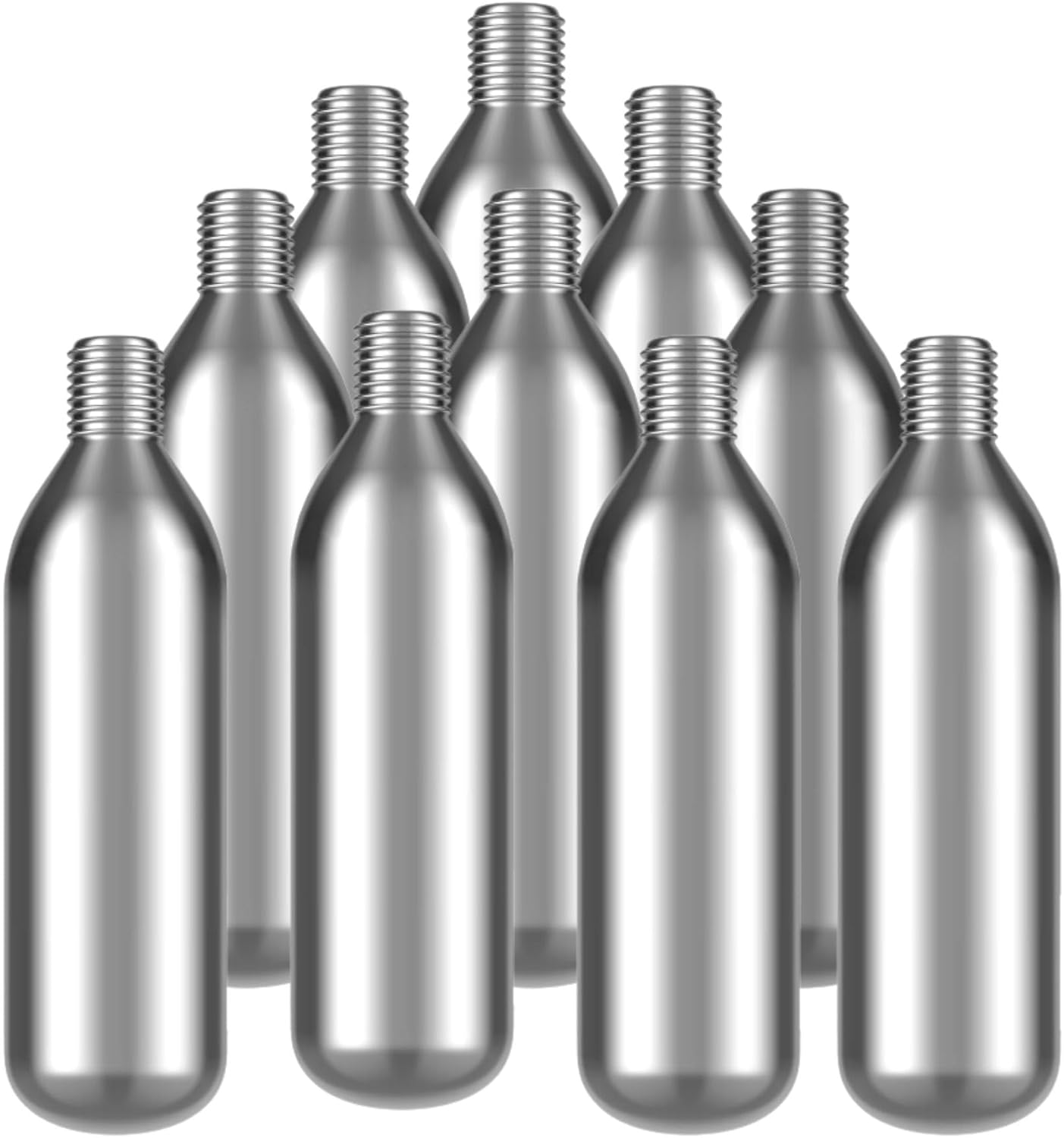
This is the biggest pain point. A decanter with a narrow neck is nearly impossible to dry with a towel. We recommend investing in cleaning beads (stainless steel pellets) and a drying stand. Without these, you will get water spots. Proper maintenance ensures your setup looks as professional as the ones discussed in our Wine Enthusiast cooler reviews.
Decanter vs. Aerator: Do You Need Both?
We have covered this extensively in our wine aerator vs decanter comparison, but here is the summary:
Use a Decanter if:
– You have an older wine with sediment.
– You want the beautiful presentation.
– You have 30+ minutes before serving.
Use an Aerator if:
– You are drinking a young, cheap wine that needs “softening” immediately.
– You are only pouring one glass.
– You are in a rush.
Pro Tip: For the ultimate result on a budget red, pour the wine through an aerator into the decanter. This is called “hyper-decanting.”
The Sediment Technique
If you have a bottle aged 10+ years, sediment is likely. This grit is harmless but unpleasant. To decant properly:
- Stand the bottle upright for 24 hours before opening (link: how to store wine at home).
- Open the bottle carefully using a top rated wine opener that won’t shake the bottle.
- Pour slowly into the decanter in a well-lit area. Watch the neck of the bottle.
- Stop pouring the moment you see dark sediment reach the neck.
Frequently Asked Questions
Usually, no. The shape makes it hard for dishwasher jets to reach the inside, and the heat can crack delicate crystal. Hand washing with warm water is best. Use special cleaning beads for tough stains.
If wine is stored in a lead crystal decanter for months (like whiskey), yes, it can be dangerous. However, for decanting wine over the course of a dinner (3-4 hours), the risk is negligible. That said, most modern “crystal” is lead-free (using titanium or magnesium) to be safe.
Wine oxidizes quickly in a decanter. If you can’t finish it, pour it back into the bottle using a funnel and seal it with good wine stoppers. Don’t leave it in the decanter overnight.
Mouth-blown crystal is an art form. Brands like Riedel or Zalto employ artisans to create each piece by hand, resulting in incredibly thin, light, and perfectly balanced vessels. Machine-made glass is cheaper but heavier.
Final Verdict: Which Decanter Should You Choose?
Selecting the right decanter comes down to what you drink and how much space you have.
For the Everyday Drinker:
The Le Chateau Wide-Base is unbeatable. It is durable, effective, and affordable. It handles everything from Tuesday night Merlot to Saturday night Syrah.
For the Collector:
Invest in a Riedel piece. The specific shapes designed for varietals like Cabernet or Pinot Noir really do refine the tasting experience, and they double as art pieces for your home.
Whichever you choose, make it a habit. Even a modest wine tastes better with a little air. Equip yourself with the right host accessories, pour with confidence, and enjoy the full potential of your cellar.
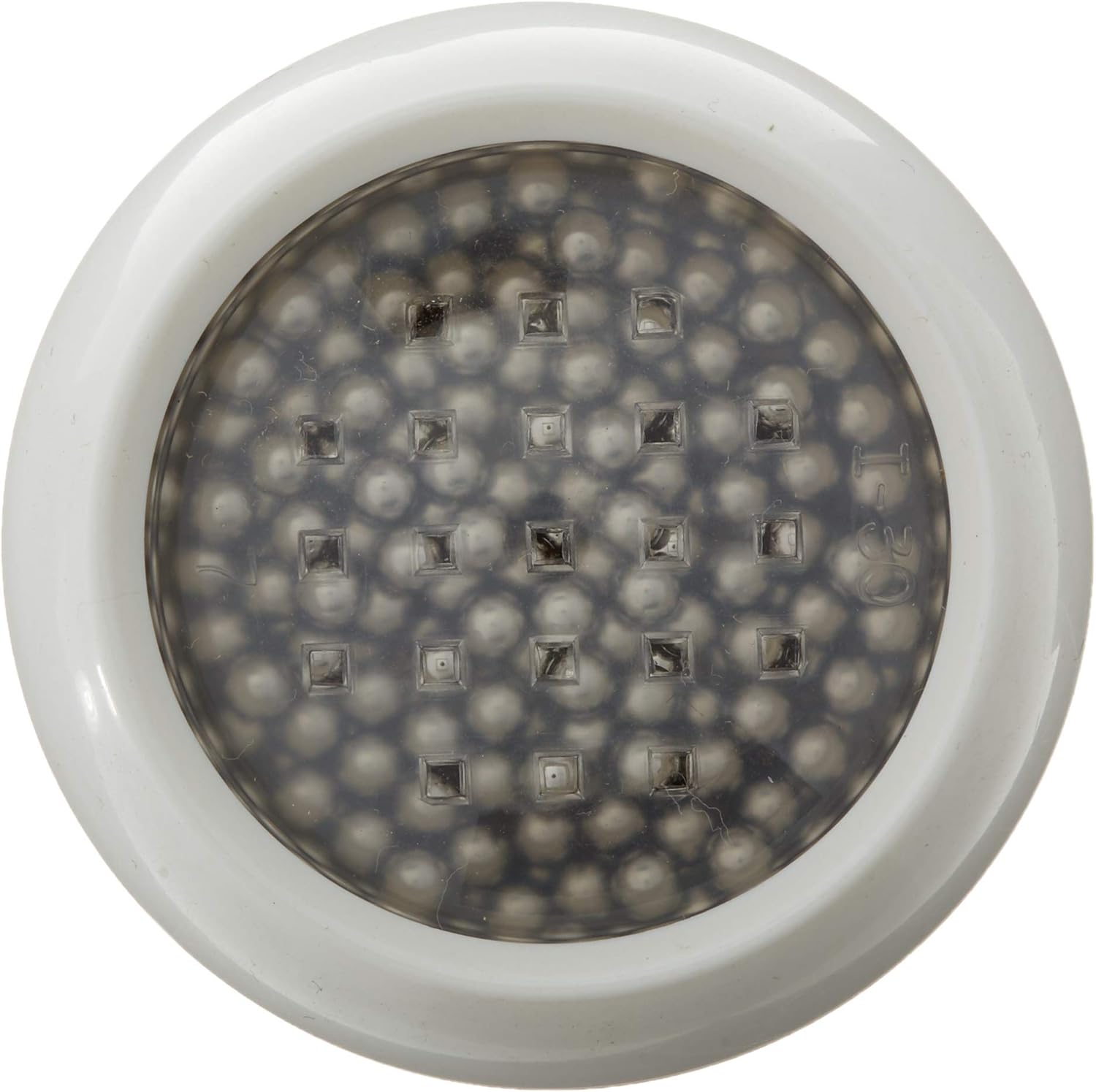
Don’t Forget Maintenance: Stainless Steel Cleaning Beads
Keep your crystal sparkling without using harsh chemicals.
Check Price on Amazon