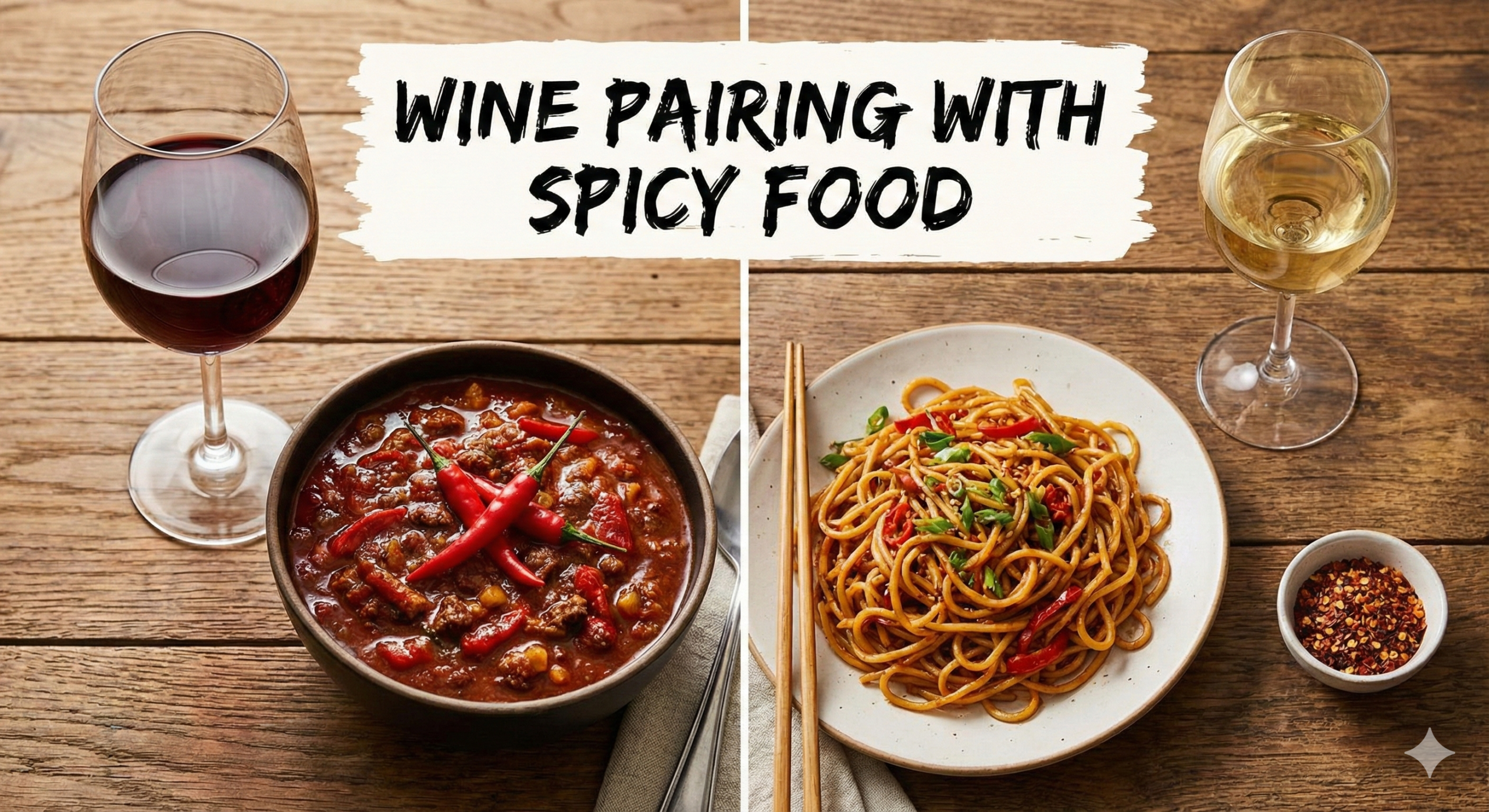
Wine Pairing with Spicy Food: How to Balance Heat and Flavor
For decades, the conventional wisdom in the wine world regarding spicy food was simple: “Don’t.” Sommeliers would shudder at the thought of pairing a fine vintage with a fiery Vindaloo or a Sichuan stir-fry. The fear was that the aggressive heat of chili peppers would obliterate the nuances of the wine, leaving nothing but a burning sensation and a metallic aftertaste.
Fortunately, times have changed. As our palates have become more adventurous and global cuisine has become a staple of modern dining, the art of wine pairing with spicy food has evolved from a culinary taboo into an exciting frontier. The truth is, the right wine cannot only survive the heat—it can tame it, refresh your palate, and unlock layers of flavor in your dish that you never knew existed.
Whether you are digging into Taco Tuesday, ordering Thai takeout, or cooking a complex Indian curry, this guide will equip you with the knowledge to choose the perfect bottle. Forget the old rules; it’s time to embrace the heat.

The Science: Capsaicin vs. Alcohol
To master the art of pairing, we must first understand the chemistry at play. The compound responsible for the heat in chili peppers is called capsaicin. Unlike sugar or salt, which dissolve in water, capsaicin is soluble in alcohol and fat. This is where things get tricky.
The Alcohol Burn
High alcohol content amplifies the burning sensation of capsaicin. If you sip a bold, high-alcohol Cabernet Sauvignon (15% ABV) after biting into a jalapeño, the alcohol acts as a solvent for the capsaicin, spreading it around your mouth and intensifying the burn. Instead of a pleasant warmth, you get a forest fire. This is why low-alcohol wines are generally preferred.
The Sugar Soothe
Sugar creates a coating on the tongue that acts as a barrier against heat. It essentially “puts out the fire.” This is why spicy cuisines often incorporate sweet elements (like palm sugar in Thai food or chutney with Indian curry). A wine with residual sugar (off-dry or semi-sweet) will balance the spice and bring the fruit flavors forward.
The Acid Refresh
Acidity in wine induces salivation. This natural reaction helps wash the palate, refreshing your mouth between bites of rich, spicy food. Without acidity, the heavy oils and spices can fatigue your taste buds quickly. To better understand these components, you can read our guide on how to pair wine with food properly.
4 Golden Rules of Pairing Wine with Spice
Before we dive into specific bottles, memorize these four commandments. If you stick to these, you will almost never go wrong, regardless of the cuisine.
- 1. Low Alcohol is Best: Aim for wines under 13% ABV. The lower, the better. High alcohol equals high burn.
- 2. Chill it Down: Temperature plays a massive role. Cold wines are physically refreshing and help numb the sting of the spice. Warm red wines will make the heat feel oppressive.
- 3. Sweetness is Your Friend: Do not fear “Off-Dry” wines. A hint of sweetness counters the heat and complements exotic spices like cardamom, ginger, and lemongrass.
- 4. Avoid Tannins: Tannins (the bitter, drying compounds in red wine) clash violently with capsaicin. The combination creates a bitter, metallic taste that ruins both the food and the wine.
Best White Wines for Heat
White wines are the undisputed champions of spicy food pairing. Their natural acidity, lower alcohol, and potential for sweetness make them the perfect firefighters for your palate.
Riesling: The Undisputed King
If you only buy one wine for spicy food, make it a German Riesling. Look for the terms Kabinett or Spätlese on the label. These wines have high acidity (like biting into a crisp green apple) and just enough residual sugar to wrap around the heat of a chili pepper. The aromatics of apricot, jasmine, and lime zest harmonize beautifully with Asian spices.
Gewürztraminer: The Aromatic Queen
For dishes that are aromatic but not fiercely hot (think yellow curry or ginger chicken), Gewürztraminer is magic. It smells of lychee, rose petals, and exotic spices. Its texture is often oily and rich, which stands up well to coconut milk-based sauces. Learn more about these specific grapes in our wine varietals guide.
Chenin Blanc (Vouvray)
From the Loire Valley in France, Chenin Blanc offers a honeyed texture with razor-sharp acidity. An off-dry Vouvray pairs exceptionally well with sweet-and-spicy dishes like General Tso’s Chicken or BBQ pork.
Can You Drink Red Wine with Spice?
This is the most common question, especially from die-hard red wine lovers. The answer is yes—but you must be selective. The rule of thumb here is Low Tannin, High Fruit.
When pairing with steak, we look for tannins to cut the fat (see our guide on the best wine to pair with steak). But with spicy food, those same tannins are the enemy. Instead, look for lighter reds that can be served slightly chilled.
Best Red Options:
- Gamay (Beaujolais): Light, fruity, and practically tannin-free. It tastes like fresh strawberries and raspberries. Serve it chilled for a delightful pairing with spicy Korean BBQ.
- Grenache / Garnacha: A fruit bomb with white pepper notes. It handles smoky spice (like Chipotle) very well.
- Zinfandel (with caution): While often high in alcohol, a fruit-forward Zinfandel can work with sweet-spicy BBQ sauces. Just be careful of the burn.
- Lambrusco: A sparkling red from Italy. It’s bubbly, fruity, slightly sweet, and served cold. It is shockingly good with spicy pizza or tacos.
The Magic of Bubbles and Rosé
Never underestimate the power of carbonation. Sparkling wines act as a scrubbing brush for your tongue. The bubbles physically lift the heavy oils and spices off your palate, leaving you ready for the next bite. Prosecco, Cava, or a demi-sec Champagne are fantastic with fried spicy foods (like Nashville Hot Chicken).
Rosé is the universal donor of wine pairings. It has the acidity of a white but the berry fruit flavors of a red. A darker, fruitier Rosé (like a Tavel or a Spanish Rosado) can handle substantial spice levels and pairs brilliantly with Indian curries where a white might feel too light.
Pairing by Cuisine Type
Not all “spicy” is created equal. The numbing heat of Sichuan peppercorns is different from the sharp bite of a habanero. Here is a quick cheat sheet for your next takeout order.
Thai & Vietnamese
Flavor Profile: Lime, lemongrass, chili, cilantro, sugar. High acid and high heat.
The Pick: Off-dry Riesling or Pinot Gris. The sweetness balances the fish sauce and lime juice perfectly.
Indian Cuisine
Flavor Profile: Cumin, coriander, turmeric, cream, tomato. Deep, savory spice.
The Pick: Gewürztraminer for creamy Kormas; a fruity Rosé or a light Syrah for tomato-based Vindaloos.
Mexican & Tex-Mex
Flavor Profile: Cumin, fresh chilis, lime, cilantro, cheese.
The Pick: Sauvignon Blanc for salsa verde/fish tacos (the herbal notes match the cilantro); Sangria or Zinfandel for heavy beef burritos.
Sichuan Chinese
Flavor Profile: Numbing heat (peppercorns), oil, garlic, chili oil.
The Pick: Sparkling Moscato or a semi-sweet Riesling. You need sugar and bubbles to cut through the heavy chili oil.
If you’re stocking up for a variety of cuisines, check out our list of the best affordable wines for 2025 to keep your cellar versatile without breaking the bank.

Serving Temperature & Glassware
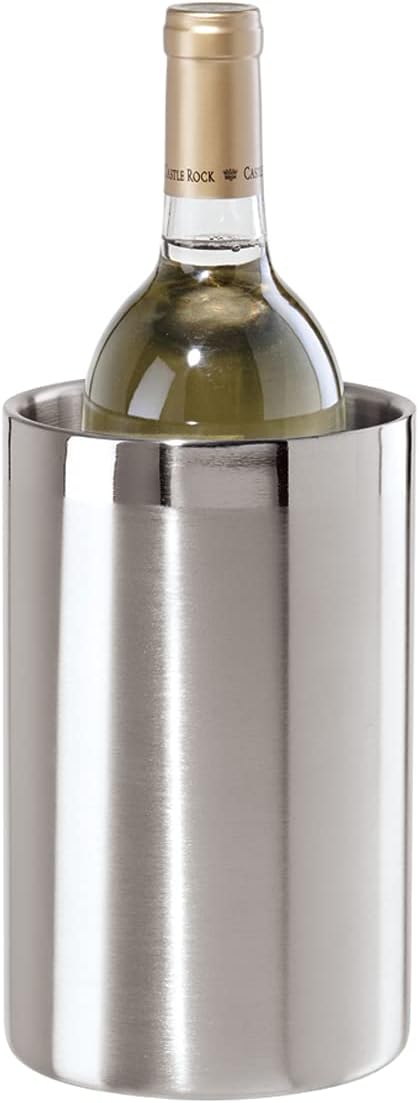
When serving wine with spicy food, err on the side of colder. White wines should be fridge-cold (45-50°F). Even red wines intended for spicy pairings should be put in the fridge for 20-30 minutes before serving (55-60°F). The cool temperature helps mitigate the physical heat of the capsaicin.
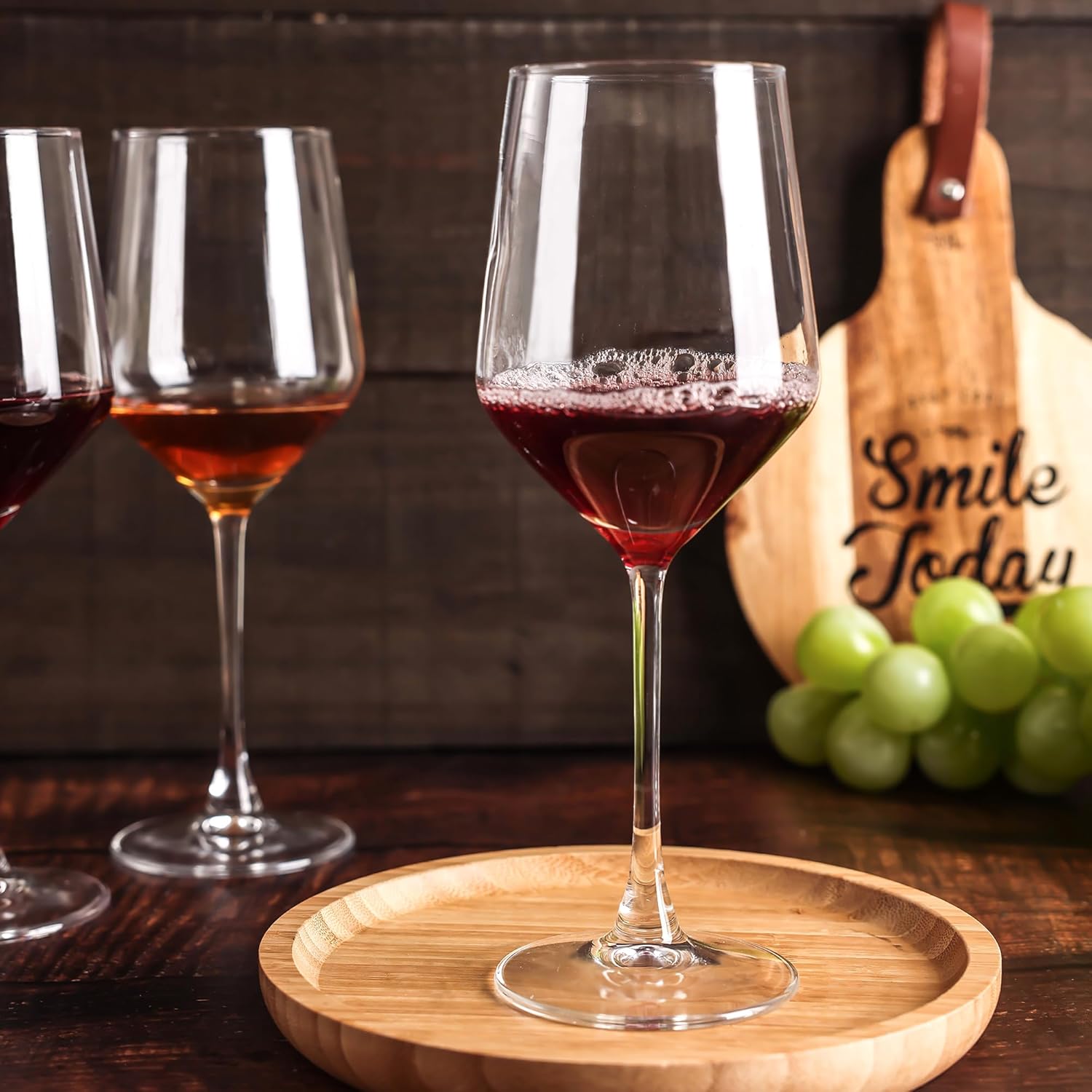
Avoid using your best, oversized Bordeaux glasses. The large bowl concentrates alcohol vapors, which you want to minimize here. Stick to standard white wine glasses or universal tulip shapes to keep the focus on fruit and freshness.