Can I Drink White Wine After Teeth Whitening? The Complete Guide to Timing, Risks & Damage Control
You just finished a teeth whitening treatment — in-office, at-home strips, or a bleaching tray — and your smile is looking noticeably brighter. Then comes the evening, and the instinct to pour a glass of white wine. After all, it’s not red wine, right? It won’t stain. Can you get away with it?
The answer is more complicated than most people expect. White wine after teeth whitening is not a simple yes or no situation — it depends on the type of whitening treatment you had, how many hours have passed, your individual enamel sensitivity, and critically, what it is about white wine that makes it problematic even without any dark pigment.
This guide breaks down everything you need to know: the science of enamel porosity after whitening, exactly how white wine affects freshly treated teeth, what dentists recommend, and how to enjoy wine responsibly if you absolutely can’t wait.
1. How Teeth Whitening Works — and Why It Leaves Teeth Vulnerable
To understand why white wine is problematic after whitening, you need to understand what whitening actually does to your enamel at a microscopic level.
The Chemistry of Bleaching
Most whitening treatments use either hydrogen peroxide or carbamide peroxide as the active bleaching agent. These compounds penetrate the outer enamel layer and reach the dentin underneath, where they break apart the long-chain carbon molecules responsible for tooth discoloration through an oxidation reaction. The result is whiter-looking dentin and a more translucent enamel.
This process is effective — but it comes with a temporary trade-off. The peroxide used in whitening treatments temporarily increases the porosity of your enamel. The microscopic tubules in your enamel widen slightly during treatment, and they remain more open than normal for a period afterward — typically 24 to 72 hours depending on the concentration of peroxide used and the individual’s enamel structure.
The Open Enamel Window
During this post-treatment window, your teeth are significantly more susceptible to two things: staining from chromogens (colored molecules) and erosion from acids. Both of these are directly relevant to wine consumption — and especially to white wine, which many people assume is safe purely because it doesn’t contain dark pigment.
🦷 Key Fact
Freshly whitened enamel has temporarily widened pores that remain open for 24–72 hours after treatment. During this window, teeth absorb staining compounds and acidic damage far more easily than normal. This period is commonly called the “white diet window” or “porous enamel window.”
Why This Matters More Than Most People Realize
Most patients focus on the staining risk of dark beverages like red wine, coffee, and tea after whitening. What they miss is that the acid exposure from any wine — red or white — during this open enamel period can cause enamel erosion that is both irreversible and counterproductive to the whitening results they just paid for.
2. Why Wine Is Risky After Whitening — Even White Wine
White wine earns a reputation as the “safer” post-whitening drink because it lacks the tannins and deep anthocyanin pigments found in red wine. But that logic misses two important mechanisms of damage that apply equally to white wine.
Mechanism 1: Acid Erosion
All wine — red, white, rosé, and sparkling — is acidic. Wine pH typically ranges from 2.9 to 3.9, which is highly acidic relative to the neutral pH of 7.0 and the critical threshold of pH 5.5 below which enamel begins to dissolve. White wines, particularly crisp styles like Sauvignon Blanc, Pinot Grigio, Riesling, and sparkling wines (Champagne, Prosecco, Cava), tend to have lower pH (higher acidity) than many red wines.
When acidic wine contacts freshly whitened, porous enamel, the acid penetrates the open tubules more readily than it would normal enamel, potentially causing micro-erosion. Repeated exposure during the post-whitening window can undermine enamel integrity and, paradoxically, make teeth look less white over time — the opposite of what you spent money to achieve.
Mechanism 2: Chromogen Absorption (Yes, Even in White Wine)
White wine contains a less obvious class of staining compounds called tannins and flavonoids — the same category of polyphenols discussed in our guide to tannins in wine. While white wine tannins are far less concentrated and less intensely colored than those in red wine, they are still present — particularly in oak-aged whites like Chardonnay. These compounds can absorb into the widened enamel pores during the post-whitening window and cause subtle yellowing over the following hours.
Sparkling wines present an additional concern: carbonation lowers the pH of the beverage further, making even a seemingly innocuous glass of Champagne or Prosecco more corrosive than a still white wine of equivalent grape composition.
⚠️ The Double Threat
White wine after teeth whitening poses two simultaneous risks: acid erosion from its naturally low pH (typically 3.0–3.5), and chromogen absorption into the temporarily porous enamel. Most people only worry about staining from dark drinks — but acid damage is the real long-term threat.
Mechanism 3: Dehydration of Enamel
Alcohol is a diuretic and contributes to oral dehydration. Saliva plays a critical protective role after whitening — it contains bicarbonate ions that neutralize acid and calcium and phosphate ions that help remineralize enamel. Drinking alcohol reduces saliva production, removing a key protective barrier precisely when you need it most.
3. White Wine vs. Red Wine After Whitening: A Direct Comparison
So how does white wine actually stack up against red wine when it comes to post-whitening risk? The answer is nuanced — white wine is in some ways safer and in some ways just as problematic.
| Risk Factor | White Wine | Red Wine | Verdict |
|---|---|---|---|
| Deep staining pigments (anthocyanins) | Minimal | Very high | White wine safer |
| Tannin content | Low–medium (higher in oaked whites) | High | White wine safer |
| Acidity / pH | pH 3.0–3.5 (very acidic) | pH 3.3–3.9 (acidic) | White wine often MORE acidic |
| Enamel erosion risk | High (due to higher acidity) | High | Roughly equal |
| Staining via open enamel pores | Low–moderate | Very high | White wine safer |
| Saliva reduction (dehydration) | Yes | Yes | Equal risk |
| Reverse staining over time | Yes — white wine can actually make teeth look yellow over time via acid erosion exposing dentin | Yes — direct dark staining | Different mechanisms, similar outcome |
The Counterintuitive Finding
Research published in dental literature has found something that surprises most wine drinkers: regular white wine consumption can actually make teeth appear yellower over time — not because of direct pigment staining, but because the high acid content erodes the outer enamel layer, making the naturally yellow dentin underneath more visible. This is called “acid erosion yellowing” and it is irreversible without restorative dental treatment.
In the post-whitening window, this process is dramatically accelerated because the enamel is already in a temporarily more porous, vulnerable state.
Which White Wines Are the Most and Least Risky?
| White Wine Style | Typical pH | Tannin Level | Post-Whitening Risk |
|---|---|---|---|
| Champagne / Sparkling | 2.8–3.1 | Low | 🔴 Highest risk (carbonation lowers pH further) |
| Sauvignon Blanc | 3.0–3.3 | Very low | 🔴 High risk (very high acidity) |
| Pinot Grigio | 3.0–3.4 | Very low | 🔴 High risk |
| Riesling (dry) | 2.9–3.2 | Low | 🔴 High risk (especially dry styles) |
| Unoaked Chardonnay | 3.1–3.5 | Low | 🟠 Moderate–high risk |
| Oaked / Buttery Chardonnay | 3.3–3.6 | Low–medium | 🟠 Moderate risk (malolactic fermentation raises pH slightly) |
| Viognier / Roussanne | 3.3–3.6 | Low–medium | 🟡 Lower risk among whites (higher pH, more body) |
If you want to learn more about what makes different white wine styles distinct — including their acidity profiles — our comparison of Pinot Grigio vs. Sauvignon Blanc acidity gives a thorough breakdown of why these high-acid whites are particularly aggressive on tooth enamel.
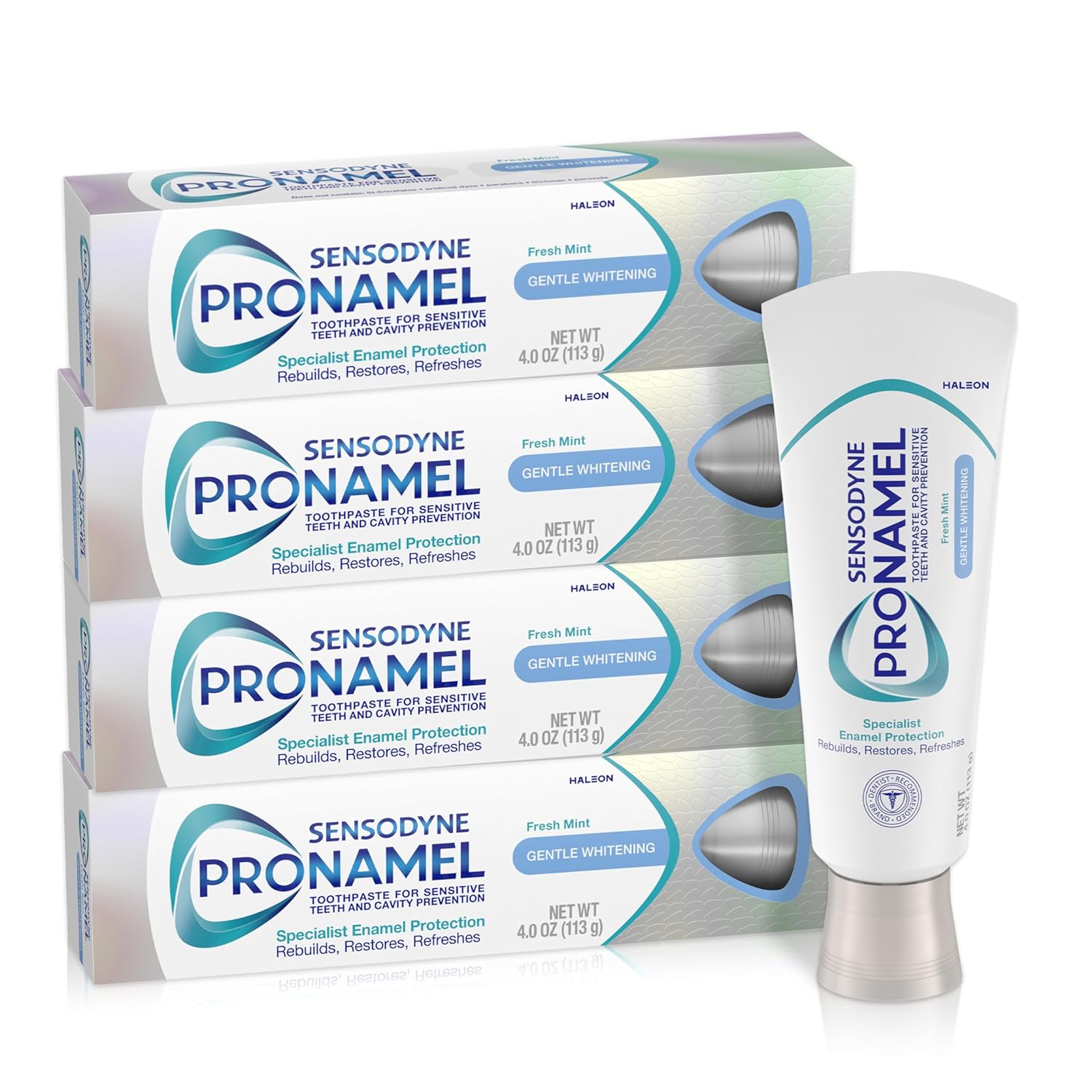
Sensodyne Pronamel — recommended by dentists after whitening to strengthen and remineralize enamel
👉 Check Pronamel on Amazon As an Amazon Associate, WineArmy may earn from qualifying purchases4. How Long Should You Wait Before Drinking White Wine?
This is the question most people actually want answered — and the honest answer is that the recommended waiting period varies by treatment type, peroxide concentration, and your individual enamel sensitivity. Here is the guidance that most cosmetic dentists and dental hygienists follow.
- 0–24 hrs Avoid all wine completely The first 24 hours represent the period of maximum enamel porosity. The whitening agents are still active or just finishing their work, and enamel tubules are at their most open. No wine of any type should be consumed during this window. This applies to in-office treatments and at-home bleaching trays alike.
- 24–48 hrs Still high risk — avoid if possible Enamel is beginning to remineralize but is still significantly more porous than baseline. If you absolutely must drink, the least acidic white wine options (fuller-bodied oaked Chardonnay) in small quantities with food are the lowest-risk choice. Still not recommended by most dentists.
- 48–72 hrs Moderate risk — proceed with care Enamel porosity is returning closer to normal. The risk from white wine drops meaningfully here, though acid erosion potential remains. If you drink, use the damage-control strategies outlined in Section 7 of this guide.
- 72 hrs+ Lower risk — enjoy normally After 72 hours, enamel has substantially remineralized and returned to normal porosity. You can enjoy white wine as you normally would. Be aware that ongoing frequent white wine consumption still contributes to enamel erosion over the long term.
⏱️ Treatment-Specific Waiting Times
These are general guidelines. High-concentration in-office treatments (Zoom!, KöR) may require the full 72-hour waiting period. Low-concentration at-home strips (Crest Whitestrips) may allow a shorter 24–48 hour window. Your dentist’s specific instructions always take precedence over general guidance.
The “White Diet” Principle
Most cosmetic dentists recommend following a “white diet” for 24–48 hours after whitening: consuming only white, cream, or clear-colored foods and beverages. This approach avoids all chromogens during the open enamel window. Water, milk, plain yogurt, white rice, chicken breast, and clear sparkling water are all safe. Wine — even white — falls outside the white diet due to its acid content and trace pigments.
5. What Dentists Actually Say About Wine After Whitening
Professional dental opinion on this topic is fairly consistent, though the details vary between practitioners depending on treatment type and patient circumstances.
The Conservative Position
Most cosmetic dentists recommend avoiding all wine — red or white — for a minimum of 48 hours after any professional whitening treatment and 24 hours after at-home strip treatments. Their reasoning covers both the staining risk (which applies primarily to red wine) and the acid erosion risk (which applies equally to white wine and is often the more medically significant concern).
The Moderate Position
Some dentists take a more pragmatic view, acknowledging that patients will often drink regardless of advice. Their guidance typically includes: wait at least 24 hours, choose the least acidic white wine available, drink with food, use a straw to minimize direct contact with teeth, rinse with water immediately afterward, and avoid brushing for at least 30 minutes post-consumption (brushing while enamel is softened by acid causes abrasion).
Where Dentists Universally Agree
- Sparkling wines (Champagne, Prosecco, Cava) should be avoided for at least 48 hours due to their extremely low pH
- High-acid whites (Sauvignon Blanc, dry Riesling, Pinot Grigio) carry the greatest enamel erosion risk
- Red wine should be avoided for the full 48–72 hours without exception
- The first 24 hours after any whitening treatment are sacrosanct — nothing acidic or chromogenic should contact the teeth
- Sensitivity toothpaste containing potassium nitrate or fluoride should be used during the post-whitening recovery window
6. Different Whitening Methods — How Each Affects the Waiting Period
Not all whitening treatments create the same degree of enamel porosity. Understanding what type of whitening you had determines how cautious you need to be.
| Treatment Type | Peroxide Concentration | Enamel Porosity Window | Recommended Wait Before White Wine |
|---|---|---|---|
| In-office (Zoom!, KöR, BriteSmile) | 25–40% hydrogen peroxide | 48–72 hours | Minimum 48 hrs; ideally 72 hrs |
| Custom dentist take-home trays | 10–22% carbamide peroxide | 24–48 hours per session | 24–48 hrs after final session |
| OTC whitening strips (Crest 3D Whitestrips) | 6–10% hydrogen peroxide | 12–24 hours | Minimum 24 hrs; 48 hrs recommended |
| Whitening toothpaste (daily use) | Low (abrasive, not peroxide-based) | Minimal | No specific waiting period; standard acid-awareness applies |
| Charcoal / natural whitening products | None (mechanical) | Minimal to moderate (depends on abrasion) | 24 hrs as precaution if abrasive |
| LED whitening kits (home) | Varies (3–35% depending on product) | Depends on concentration | Follow product instructions; typically 24–48 hrs |
The higher the peroxide concentration, the more aggressively the enamel pores open and the longer they take to remineralize. Professional in-office treatments are the most powerful — and therefore require the most conservative post-treatment care.

Crest 3D Whitestrips Professional Effects — a popular at-home treatment with a 24–48 hr wine-free recovery window
👉 Check Crest Whitestrips on Amazon As an Amazon Associate, WineArmy may earn from qualifying purchases7. Damage Control: If You Do Drink White Wine After Whitening
Life happens. Sometimes you’ve had a whitening treatment and there’s a wedding, a celebration, or a dinner party you can’t avoid. If you find yourself in a situation where you drink white wine earlier than the recommended window, here are evidence-based strategies to minimize the damage.
Use a Straw
Drinking through a straw directs the liquid to the back of the mouth, significantly reducing direct contact between the wine and your front teeth. This won’t eliminate the risk — wine still reaches your teeth via tongue and throat movement — but it meaningfully reduces chromogen and acid exposure to the most visible enamel surfaces. Use a reusable glass or stainless steel straw for environmental responsibility.
Eat Food Simultaneously
Eating alongside wine stimulates saliva production, which buffers the acid, remineralizes enamel, and dilutes chromogen concentration in the mouth. The mechanical action of chewing also physically cleans tooth surfaces. The classic wine-and-food pairing isn’t just about flavor — it’s also better for your teeth. Our guide on pairing wine with food has all the principles you need to create great combinations that also naturally increase saliva flow.
Drink Water Between Glasses
Alternating sips of still water with wine dilutes the acid environment in your mouth and encourages salivary flow. This is excellent practice for dental health generally — and especially important in the post-whitening window.
Rinse (But Don’t Brush) Immediately After
After finishing wine, rinse your mouth thoroughly with plain water. This removes residual acid and chromogens from the tooth surface. Do NOT brush your teeth for at least 30–45 minutes after drinking wine — brushing while enamel is softened by acid causes abrasion that removes enamel permanently. Wait, then brush gently with a soft-bristle brush and a fluoride or remineralizing toothpaste.
Use Remineralizing Products
Products containing hydroxyapatite, fluoride, or calcium phosphate (like MI Paste, Sensodyne Pronamel, or GC Tooth Mousse) help accelerate enamel remineralization after acid exposure. Applying these after whitening — and after any wine consumption during the recovery window — meaningfully reduces the damage.
Choose the Right White Wine
If you must drink, choose a fuller-bodied, lower-acid white wine. A warm-climate, oak-aged Chardonnay that has undergone malolactic fermentation tends to have a higher pH (lower acidity) than crisp, high-acid Sauvignon Blancs or sparkling wines. Avoid Champagne and Prosecco entirely — their combination of carbonic acid and fruit acidity makes them particularly harsh on vulnerable enamel. Understanding the varietal differences — such as those explored in our wine varietals guide — can help you make a more tooth-friendly choice.
8. Safe Drinks After Teeth Whitening
The best way to protect your whitening results is to stick to genuinely tooth-friendly beverages during the recovery window. Here’s what’s actually safe — and what isn’t as safe as you might think.
| Beverage | pH | Staining Risk | Safe During 0–48 hr Window? |
|---|---|---|---|
| Still water | 7.0 | None | ✅ Ideal choice |
| Milk | 6.3–6.6 | None | ✅ Excellent — slightly alkaline, contains calcium |
| Coconut water | 5.0–5.5 | Low | ✅ Generally acceptable |
| Herbal tea (light color, no tannins) | 6.0–7.0 | Very low | ✅ Acceptable if pale/white (chamomile, rooibos) |
| Non-alcoholic white wine (0.0% ABV) | 3.0–3.5 | Low–moderate | ⚠️ Still acidic — reduce but not eliminate risk |
| Sparkling water | 5.5–6.5 | None | ⚠️ Slightly acidic; acceptable in moderation |
| White wine | 3.0–3.5 | Low–moderate | ❌ Not recommended in first 48 hrs |
| Sparkling wine / Champagne | 2.8–3.1 | Low | ❌ Highest enamel erosion risk of all wines |
| Red wine | 3.3–3.9 | Very high | ❌ Absolutely avoid for 48–72 hrs |
| Coffee | 4.5–5.5 | High | ❌ Avoid for 48 hrs (staining + acid) |
| Black / green tea | 4.9–5.5 | High (tannins) | ❌ Avoid for 48 hrs |
💡 The Non-Alcoholic Wine Option
Interestingly, non-alcoholic wine is not a safe substitute after whitening. While it eliminates the alcohol (which contributes to dehydration), dealcoholized wine retains the acid profile of conventional wine. The pH is nearly identical to alcoholic wine. If you’re curious about non-alcoholic wine options more broadly, the same acid considerations apply to these products as to regular wine.
9. Foods and Drinks to Avoid After Teeth Whitening (Full List)
White wine is just one of many things your dentist’s aftercare sheet will typically list. Here’s the comprehensive picture of what to avoid and why during the post-whitening recovery window.
Avoid for 48–72 Hours
- All wine — red, white, rosé, sparkling (acid + pigments)
- Coffee and espresso — strong chromogens, moderate acidity
- Black and green tea — high tannin content causes staining
- Dark berries — blueberries, blackberries, cherries (intense pigments)
- Tomato-based sauces — pasta sauce, ketchup, pizza (acid + pigments)
- Dark sodas — Coca-Cola, Pepsi (acid + caramel coloring)
- Soy sauce, balsamic vinegar — highly concentrated chromogens
- Beetroot — some of the most intense natural pigment found in food
- Curry and turmeric — strong yellow pigments that stain readily
- Citrus fruits and juices — very high acid, can erode enamel
- Sports drinks and energy drinks — acid + artificial coloring
- Colored candy, popsicles, ice cream — artificial dyes
The White Diet: What You CAN Eat
- Still water and still mineral water
- White rice, pasta, and bread
- White or cream-colored cheeses
- Chicken breast, turkey, white fish
- Bananas, pears, and peeled apples
- Plain yogurt (white/unflavored)
- Milk and cream-based sauces (no tomato)
- Eggs (scrambled or poached)
- Cauliflower, potatoes, parsnips
- Pale herbal teas (chamomile, mint)
GC Tooth Mousse — a dentist-recommended remineralizing paste to use after whitening and after wine consumption
👉 Shop GC Tooth Mousse on Amazon As an Amazon Associate, WineArmy may earn from qualifying purchases10. Managing Tooth Sensitivity After Whitening
Tooth sensitivity is the most common side effect of whitening treatments, affecting roughly 30–40% of patients. Understanding it helps you make better decisions about wine timing — because sensitivity and enamel porosity are related.
Why Sensitivity Happens
The same peroxide that opens enamel pores for whitening also temporarily irritates the dental nerve (pulp) through the dentinal tubules. This produces heightened sensitivity to hot, cold, sweet, and acidic stimuli — sometimes severely so. The presence of sensitivity after whitening is a reliable indicator that your enamel is still in the vulnerable post-treatment state.
Sensitivity as a Wine Warning Signal
If your teeth are still sensitive after a whitening treatment — even a day or two later — that sensitivity is telling you something important: your enamel has not fully remineralized and your dental nerve is still irritated. Drinking acidic wine in this state is both physically uncomfortable (the acid will cause sharp pain) and genuinely damaging to your enamel recovery. Use sensitivity as a practical guide: if it still hurts to drink cold water, it is definitely too early to drink wine.
Products That Help
- Potassium nitrate toothpaste (Sensodyne Rapid Relief) — desensitizes nerve endings within the tubules
- Fluoride varnish — applied by your dentist to seal tubules and accelerate remineralization
- Hydroxyapatite toothpaste — bio-identical to tooth mineral; fills open tubules and reduces sensitivity
- MI Paste / GC Tooth Mousse — contains casein phosphopeptide-amorphous calcium phosphate (CPP-ACP) to accelerate remineralization
- Avoid NSAIDs pre-whitening — some dentists recommend taking ibuprofen before in-office treatments to reduce post-treatment inflammatory sensitivity
11. Pros and Cons: Drinking White Wine After Teeth Whitening
✅ Arguments For (After 48+ Hours)
- Enamel substantially remineralized after 48–72 hrs
- White wine has significantly less staining pigment than red
- Lower-acid whites (oaked Chardonnay) are relatively gentle
- Damage-control strategies meaningfully reduce risk
- Ongoing moderate white wine consumption is manageable with good oral hygiene
- Social and enjoyment value is real and legitimate
❌ Arguments Against (Within 48 Hours)
- Acid erosion during open enamel window is irreversible
- Sparkling wines have dangerously low pH for whitened enamel
- High-acid whites (Sauvignon Blanc, dry Riesling) are especially damaging
- Alcohol reduces saliva — removing the mouth’s natural acid buffer
- White wine can cause long-term yellowing via acid exposure of dentin
- Undoes investment in whitening treatment prematurely
- Heightens sensitivity if enamel is still recovering
The Bottom Line on Timing
| Time After Whitening | White Wine (Still, Low-Acid) | White Wine (High-Acid / Sparkling) | Red Wine |
|---|---|---|---|
| 0–24 hours | ❌ Avoid | ❌ Avoid | ❌ Absolutely avoid |
| 24–48 hours | ⚠️ Not recommended | ❌ Avoid | ❌ Avoid |
| 48–72 hours | ⚠️ Proceed cautiously | ⚠️ Still risky | ⚠️ Still not recommended |
| 72 hours+ | ✅ Generally fine | ✅ Fine (normal caution) | ✅ Fine (normal caution) |
Frequently Asked Questions
No. Drinking white wine the same day as teeth whitening — even a few hours after treatment — is one of the worst things you can do for your results and enamel health. The first 24 hours represent the period of maximum enamel porosity, when whitening agents have left the tubules fully open. Even a small amount of white wine will deposit acid and trace chromogens directly into the unprotected enamel. Wait at least 24 hours for at-home strips, and at least 48 hours for professional in-office treatments.
In terms of direct staining, red wine is worse — its deep anthocyanin pigments will cause immediate visible discoloration of freshly whitened enamel. But in terms of acid erosion, white wine is often equally or more damaging because most white wine styles have a lower pH (higher acidity) than red wines. The real comparison is: red wine causes more visible short-term staining, while white wine causes more enamel erosion. Both should be avoided for 48–72 hours after whitening.
Using a straw significantly reduces direct contact between wine and the front teeth surfaces, making it one of the most effective practical damage-control strategies. It does not eliminate risk entirely — wine still reaches the tooth surfaces via normal mouth movement — but it meaningfully reduces the exposure area and concentration. Using a straw with a fuller-bodied, lower-acid white wine, alongside food, after the 48-hour window has passed, is a reasonable approach for wine lovers.
Sparkling wine is the worst type of wine to drink after whitening. Champagne and Prosecco have an extremely low pH (typically 2.8–3.1) because the carbonation process adds carbonic acid on top of the natural fruit acidity. This combination makes sparkling wines more corrosive to enamel than still white wines. For whitening aftercare, avoid all sparkling wine for at least 48 hours after at-home strips and 72 hours after professional in-office treatments.
If you must drink white wine after the 48-hour window has passed, the safest choices are fuller-bodied, warm-climate, oak-aged Chardonnay that has undergone malolactic fermentation (which converts harsher malic acid to softer lactic acid, raising the wine’s pH). Viognier and Roussanne are also lower-acid options. Avoid Sauvignon Blanc, Pinot Grigio, dry Riesling, and all sparkling wines — these are the most acidic white wine styles and the most damaging to enamel in the post-whitening recovery period.
Do NOT brush immediately after drinking wine at any time — especially after whitening. The acid from wine temporarily softens enamel, and brushing while enamel is in this softened state causes abrasive damage (removal of enamel mineral). Wait at least 30–45 minutes after wine consumption before brushing. Immediately after drinking, rinse your mouth with plain water to remove the acid and help neutralize the oral environment, then wait and brush gently with a soft-bristle brush and a remineralizing toothpaste.
Enamel porosity increases immediately upon whitening and returns to near-normal within 24–72 hours as the tooth remineralizes from saliva exposure. The exact timeline depends on the peroxide concentration used: high-concentration professional treatments (25–40% hydrogen peroxide) keep enamel porous for up to 72 hours, while lower-concentration at-home products (6–10% hydrogen peroxide) may normalize within 24 hours. Using remineralizing products (fluoride toothpaste, MI Paste, hydroxyapatite toothpaste) after treatment can speed up the recovery process.
Yes — research has shown that regular white wine consumption over time causes enamel erosion that gradually exposes the naturally yellow dentin layer beneath, making teeth appear yellower even without direct pigment staining. This “acid erosion yellowing” is the same mechanism that makes highly acidic foods and drinks damaging over time. If you regularly drink white wine, using a remineralizing toothpaste, drinking with food, and maintaining good dental hygiene helps mitigate this long-term effect. It does not, however, eliminate it entirely.
There’s no aftercare restriction on drinking wine before whitening — the protective enamel window applies only after treatment. Some patients deliberately schedule their whitening treatment for the morning after a dinner with wine the night before for this reason. However, if you drink significant amounts of wine in the hours immediately before whitening, the acid-softened enamel may affect how the whitening agent penetrates. Ideally, brush and allow time for enamel to remineralize before your appointment.
Rosé wine sits between red and white on the staining-and-acid spectrum. It contains more pigment (anthocyanins) than white wine but far less than red wine, and its acidity is generally similar to white wine. During the post-whitening window, rosé should be treated the same as white wine — avoided for 48 hours after professional treatments. If you are choosing between rosé and still white wine after the recovery window, pale, dry rosé from Provence is a reasonable choice, while deeper-colored, fruitier rosé styles carry more staining risk.
Conclusion: Protect Your Investment, Then Enjoy Your Wine
The short answer to “can I drink white wine after teeth whitening?” is: not for at least 48 hours after professional treatment, and not for at least 24 hours after at-home strips. After that window closes, white wine can be enjoyed — with awareness.
The nuances matter. White wine is less of a staining risk than red, but it is equally — sometimes more — damaging to enamel through acid erosion. The highest-acid whites (Sauvignon Blanc, Pinot Grigio, dry Riesling, all sparkling wines) should be the last choice in the post-whitening period. Fuller-bodied, lower-acid styles like a warm-climate oaked Chardonnay are your best option once the recovery window has passed.
If you’re a regular wine drinker who also whitens frequently, build good long-term habits: drink with food, alternate with water, use a straw for highly acidic wines, wait 30–45 minutes before brushing, and use a remineralizing toothpaste daily. These practices protect both your whitening results and your long-term enamel health simultaneously.
Enjoy your wine — just give your freshly whitened teeth the 48-hour head start they deserve.
Protect Your Smile — Shop Dental Care Essentials
From remineralizing toothpaste to sensitivity relief and whitening aftercare kits — find the products dentists recommend.
🛒 Shop Whitening Aftercare on Amazon As an Amazon Associate, WineArmy may earn from qualifying purchases