Why Does Red Wine Make Me Sleepy? The Complete Science Behind Wine Fatigue
It happens almost every time. You sit down to a relaxed dinner, pour a glass of red wine — maybe two — and an hour later you’re fighting to keep your eyes open. Not drunk, not even particularly affected, just deeply, disproportionately sleepy. Meanwhile, the same amount of white wine barely touches you. What’s going on?
The answer is genuinely more interesting than “alcohol makes you tired.” Red wine contains a unique cocktail of compounds — melatonin, histamine, resveratrol, tannins, and various congeners — that interact with the body’s sleep and fatigue systems in ways that white wine, with its much lower concentration of these compounds, simply does not match. And these compounds interact with the sedative effects of alcohol itself to create something more than the sum of its parts.
This guide covers the complete science: exactly which compounds in red wine make you sleepy, how each one works at the biochemical level, why context amplifies the effect, what the red wine–sleep relationship actually means for your sleep quality, and practical strategies to enjoy red wine without losing your evening to the sofa.
1. The Short Answer: Red Wine Has Multiple Overlapping Sleep-Inducing Mechanisms
Unlike white wine, which primarily makes you sleepy through alcohol’s general CNS depressant effects, red wine makes you sleepy through at least six distinct overlapping mechanisms:
- Alcohol’s GABA-enhancing, glutamate-inhibiting CNS depressant effect — shared with all alcoholic beverages
- Melatonin content — red grape skins contain naturally occurring melatonin, the primary sleep hormone
- Histamine — red wine contains high levels of histamine, which causes sedation in many people
- Resveratrol — has documented sedative properties through GABA pathway modulation
- Tannins — interact with proteins and neurotransmitter systems in ways that contribute to fatigue
- Context and setting — red wine is consumed predominantly in warm, relaxed, post-dinner settings that are independently conducive to drowsiness
The reason red wine makes you disproportionately sleepy compared to white wine is that it has dramatically higher concentrations of mechanisms 2–5 — compounds concentrated in the grape skins that are present in red wine due to skin contact during fermentation but largely absent in most white wines.
🍷 Why Skin Contact Matters
Red wine gets its colour, tannins, and most of its distinctive compounds from extended contact with grape skins during fermentation. White wine is typically made without skin contact — the juice is separated from the skins before fermentation. This single production difference explains why red wine contains dramatically higher concentrations of melatonin, histamine, resveratrol, and tannins than white wine. Our guide to organic and natural wine farming covers how different winemaking approaches affect these compound levels.
2. How Alcohol Causes Sedation: The Foundation
Before examining what makes red wine specifically more sleep-inducing than other alcoholic beverages, it helps to understand how alcohol itself produces sedation — because this is the base mechanism upon which red wine’s additional compounds build.
The GABA–Glutamate Balance
Alcohol is a central nervous system depressant. Its primary mechanism of action is enhancing the activity of GABA (gamma-aminobutyric acid) — the brain’s main inhibitory neurotransmitter — while simultaneously inhibiting glutamate, the primary excitatory neurotransmitter. The net effect is a broad slowing of neural activity across the brain.
GABA receptors are found throughout the brain, including in areas that regulate sleep, arousal, anxiety, and muscle tone. When alcohol enhances GABA activity at these receptors, it produces relaxation, reduced anxiety, muscle loosening, and drowsiness. This is why even a single glass of wine — of any colour — produces at least some sedative effect in most people.
The Biphasic Effect: Why You Feel Alert Then Drowsy
At low BAC levels (0.02–0.05%), alcohol produces apparent stimulation — reduced inhibitions, increased sociability, mild euphoria. This occurs because the brain regions responsible for inhibition and self-monitoring are among the first affected by alcohol. At higher BAC levels, the sedative effects become dominant as alcohol reaches the brainstem arousal systems.
This biphasic effect explains the common experience of feeling lively and social over the first glass of red wine, then progressively more tired from the second glass onward — the shift from the stimulant phase to the sedative phase.
Blood Sugar Disruption
Alcohol’s effects on blood glucose also contribute to sleepiness. In the short term, alcohol causes a rise in blood glucose (from glycogen breakdown in the liver). As alcohol metabolism continues and the liver prioritises ethanol over glucose production, blood sugar subsequently drops — creating a mild hypoglycaemic state that produces fatigue, cognitive fog, and drowsiness. This blood sugar dip typically occurs 1–2 hours after drinking, which often coincides precisely with the sleepiness people report after a glass or two of red wine with dinner.
3. Why Red Wine Makes You Sleepier Than White Wine
If alcohol’s sedative effects were the whole story, red and white wine should make you equally sleepy at equivalent BAC levels. But most people who drink both report a noticeably stronger sedative effect from red wine — and they are not imagining it. Here is why.
The Compound Concentration Difference
Red wine contains dramatically higher concentrations of sleep-relevant bioactive compounds than white wine. This difference is almost entirely due to the extended skin contact that red wine fermentation requires. The grape skin is where melatonin, histamine precursors, resveratrol, and tannins concentrate — and red wine spends days to weeks in contact with those skins during fermentation, while white wine typically spends hours or none at all.
| Sleep-Relevant Compound | Red Wine (typical) | White Wine (typical) | Difference |
|---|---|---|---|
| Melatonin | 0.05–0.1 ng/mL | Trace to undetectable | Red wine: significantly higher |
| Histamine | 3–10 mg/L (up to 30+ in some reds) | 0.1–2 mg/L | Red wine: 5–50x higher |
| Resveratrol | 1–7 mg/L | 0.01–0.1 mg/L | Red wine: 10–100x higher |
| Total tannins | 1,000–4,000 mg/L | 50–200 mg/L (more in oaked whites) | Red wine: 10–40x higher |
| Tyramine | 3–25 mg/L | 0.1–3 mg/L | Red wine: significantly higher |
| Total polyphenols | 1,000–3,000 mg/L | 200–500 mg/L | Red wine: 3–6x higher |
The Cumulative Effect
Each of these compounds individually might produce a modest sedative effect. But when five or six sleep-relevant compounds are all present at elevated concentrations simultaneously — combined with alcohol’s baseline sedative effect, consumed in a relaxed post-dinner setting while well-fed — the cumulative effect is substantially greater than any single compound would produce alone. This is why many people find that red wine makes them sleepier than they expect from the alcohol content alone.
4. Melatonin in Red Wine: The Most Direct Sleep Compound
This is perhaps the most surprising entry on the list. Red wine — particularly wines made from dark-skinned grapes like Nebbiolo, Merlot, Cabernet Sauvignon, and Sangiovese — contains measurable amounts of melatonin, the hormone that regulates the human sleep–wake cycle.
Where It Comes From
Melatonin is produced in grape berries as a response to UV radiation and oxidative stress during ripening. It functions in the plant as an antioxidant and stress-response molecule — the same broad functions it serves in mammals. Dark-skinned grape varieties contain the highest concentrations because the dark pigment (anthocyanins) in their skins correlates with high antioxidant activity, and both are produced as part of the same protective response to UV exposure.
Melatonin is present in the grape skin and is extracted into red wine during skin-contact fermentation. White wines, made without extended skin contact, contain far lower or undetectable levels. The concentration in red wine varies significantly by grape variety, vineyard sun exposure, and winemaking technique — but multiple studies across different wine regions and grape varieties have confirmed its presence in commercially produced red wines.
Does Wine Melatonin Actually Affect You?
The concentrations of melatonin in red wine (0.05–0.1 ng/mL) are relatively low compared to standard supplemental melatonin doses (0.5–5 mg). A glass of red wine might deliver 0.01–0.02 micrograms of melatonin — compared to the 500–5,000 micrograms in a supplement tablet.
However, several factors make even this small amount physiologically relevant. First, the human body’s own nocturnal melatonin production is in the range of 10–80 pg/mL blood concentration — quite close to the concentrations wine melatonin contributes. Second, wine melatonin is delivered alongside alcohol, which enhances GABA activity and creates a synergistic effect on sleep signalling. Third, the melatonin is delivered in the evening (when most red wine is consumed), precisely when the body’s melatonin receptors are most sensitive.
5. Histamine: The Inflammatory Sleepiness Driver
Histamine in red wine is responsible for a significant portion of the tiredness, headache, and general “heavy” feeling that many people associate specifically with red wine rather than with alcohol generally.
What Histamine Does in the Body
Histamine is both a neurotransmitter and an inflammatory mediator. In the brain, histamine from the tuberomammillary nucleus (TMN) plays a critical role in maintaining wakefulness and arousal — which is why antihistamine medications (which block histamine receptors in the brain) cause drowsiness as a well-known side effect. When histamine levels rise from an external source — like red wine — the body responds with a cascade of effects: vasodilation (blood vessels widen, causing flushing and headache), increased mucus production, inflammatory signalling, and importantly, feedback through histamine receptor pathways that can paradoxically produce sedation.
Red Wine’s Exceptionally High Histamine Content
Red wine contains histamine levels of 3–10 mg/L on average, with some aged red wines reaching 30 mg/L or more. White wine typically contains 0.1–2 mg/L. This enormous difference — sometimes 50-fold — is why so many people notice tiredness, headaches, and general malaise from red wine that they do not experience from white wine at equivalent alcohol consumption.
Histamine in wine comes primarily from malolactic fermentation — the secondary bacterial fermentation that converts tart malic acid to softer lactic acid. The bacteria responsible (primarily Oenococcus oeni and various Lactobacillus species) produce histamine as a metabolic byproduct when they decarboxylate the amino acid histidine. Most red wines undergo malolactic fermentation; white wines do not always.
Histamine Intolerance: Why Some People Are More Affected
Histamine intolerance is an under-diagnosed condition in which the body cannot efficiently break down dietary histamine due to reduced activity of the enzyme diamine oxidase (DAO). People with histamine intolerance experience significantly worse symptoms from high-histamine foods and beverages — including red wine — than people with normal DAO activity. Symptoms include: pronounced tiredness and sedation, headache (often described as a red-wine headache that comes on quickly), skin flushing, nasal congestion, and digestive discomfort.
If you notice that red wine consistently makes you feel tired, headachey, and flushed even from modest quantities, histamine intolerance may be a significant factor for you specifically.
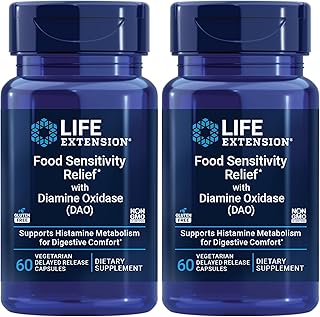
DAO (Diamine Oxidase) supplements — the enzyme that breaks down dietary histamine, used by people with histamine intolerance before consuming high-histamine foods and wines
👉 Check DAO Supplements on Amazon As an Amazon Associate, WineArmy may earn from qualifying purchases6. Tannins and Their Role in Red Wine Drowsiness
Tannins are the polyphenolic compounds responsible for the drying, astringent sensation in red wine — the puckering feeling on the inside of your cheeks and gums after a sip of a full-bodied Cabernet or Barolo. Beyond their sensory role, tannins interact with the body in ways that contribute to the sleepy feeling associated with red wine.
What Tannins Actually Are
Wine tannins are a diverse group of polyphenolic compounds derived primarily from grape skins, seeds, and stems. They include proanthocyanidins (condensed tannins) and hydrolysable tannins (from oak barrels). Red wines contain 1,000–4,000 mg/L of total tannins; white wines typically contain 50–200 mg/L. Our comprehensive guide to tannins in wine covers their sensory and chemical properties in full.
How Tannins Contribute to Sleepiness
Tannins interact with the body through several pathways relevant to fatigue and drowsiness. First, tannins are potent protein-binding agents — they bind to proteins in saliva (creating the astringent sensation) but also interact with digestive enzymes and intestinal proteins. This interaction with the digestive system can activate the parasympathetic (“rest and digest”) nervous system response, which produces a general relaxation and drowsiness effect particularly after a meal.
Second, some tannin metabolites produced during gut breakdown have demonstrated GABAergic activity — meaning they interact with the same GABA receptors that alcohol targets, potentially amplifying alcohol’s sedative effect in the central nervous system. This synergistic relationship between tannin metabolites and alcohol may partly explain why red wine feels more sedating than an equivalent BAC from a low-tannin beverage like vodka.
Third, tannins have documented effects on serotonin metabolism. They can inhibit the enzyme monoamine oxidase (MAO), which breaks down serotonin. Elevated serotonin, particularly in the evening, contributes to relaxation and sleepiness as serotonin is a precursor to melatonin production.
🍷 The Tannin–Headache Connection
Tannins can also trigger headaches in susceptible individuals through platelet serotonin release — a mechanism similar to how certain foods trigger migraines in people who are sensitive. If red wine consistently gives you a headache alongside the tiredness, tannin sensitivity may be a factor. Lower-tannin red wines (Pinot Noir, Gamay, lighter Italian reds) are often better tolerated.
7. Resveratrol and Its Sedative Properties
Resveratrol is the polyphenol in red wine that has attracted perhaps the most scientific and popular attention — primarily for its purported cardiovascular benefits. Less widely known is that resveratrol also has documented sedative and sleep-promoting properties.
Resveratrol’s Sleep Mechanisms
Research published in peer-reviewed pharmacology journals has shown that resveratrol modulates GABA-A receptors in the central nervous system — the same receptors targeted by alcohol, benzodiazepines, and other sedative compounds. By enhancing GABAergic signalling, resveratrol contributes to the overall inhibitory tone of the brain, producing relaxation and sedation that adds to alcohol’s baseline effect.
Additionally, resveratrol has been shown to influence circadian rhythm regulation by activating SIRT1 (sirtuin 1), a protein involved in the body’s internal clock. This circadian-modulating effect may enhance the brain’s evening readiness for sleep when resveratrol is consumed in the evening hours — precisely when red wine is typically drunk.
Does the Amount in Wine Matter?
Red wine contains 1–7 mg/L of resveratrol. A 150ml glass delivers approximately 0.15–1.05 mg — which is lower than the doses used in most pharmacological research (50–500 mg). However, resveratrol in wine arrives alongside alcohol (which enhances GABA directly), melatonin (which promotes sleep onset), and histamine (which adds further sedative signalling) — all of which share or converge on overlapping biochemical pathways. The combined effect of multiple low-dose compounds acting on the same systems is likely greater than any individual compound’s contribution would suggest.
8. The Full Spectrum of Red Wine Compounds That Cause Fatigue
Beyond the major players — melatonin, histamine, resveratrol, and tannins — red wine contains a range of additional compounds that contribute to its uniquely sedating character.
Quercetin
Level: 10–100 mg/L in reds; trace in whites
A flavonoid with documented anti-inflammatory and mild sedative properties. Inhibits MAO enzymes (affecting neurotransmitter balance). Also contributes to headaches in some people through its metabolism to quercetin glucuronide, which may impair NO (nitric oxide) breakdown.
Tyramine
Level: 3–25 mg/L in reds; 0.1–3 mg/L in whites
A biogenic amine (like histamine) formed during fermentation from the amino acid tyrosine. Tyramine is a vasoactive compound that can affect blood pressure and trigger headaches. In large amounts it contributes to general malaise and tiredness, and can interact with certain medications (particularly MAO inhibitors) to produce serious effects.
Anthocyanins
Level: 200–1500 mg/L in reds; essentially absent in whites
The pigments responsible for red wine’s colour. Anthocyanins have antioxidant and anti-inflammatory properties and interact with various receptor systems including serotonergic pathways. Some anthocyanin metabolites have demonstrated mild sedative properties in animal research.
Procyanidins
Level: 500–2000 mg/L in reds (seed tannins)
A subclass of tannins concentrated primarily in grape seeds. Procyanidins have vasodilatory properties (contributing to the relaxed, warm feeling of red wine) and interact with serotonin signalling in ways that may contribute to mood softening and drowsiness.
Putrescine & Cadaverine
Level: 1–10 mg/L in some reds
Biogenic amines formed during malolactic fermentation. Both inhibit the DAO enzyme that breaks down histamine — effectively amplifying histamine’s sedative and inflammatory effects by slowing its breakdown. They compound histamine’s effects without being sedating themselves.
Ethyl Carbamate
Level: Trace amounts in all wines
A minor fermentation byproduct that potentiates GABAergic signalling. Present in all wines but at higher levels in some reds, particularly those from warmer vintages. Contributes marginally to the overall sedative effect of red wine.
9. Why Context Makes Red Wine Sleepiness Much Worse
The biochemical compounds in red wine don’t act in isolation — they act against the backdrop of the situations and conditions in which red wine is most commonly consumed. These contextual factors powerfully amplify the sleepiness effect.
The Post-Dinner Setting
Red wine is predominantly a dinner beverage. The post-dinner window — 7–9pm for most adults — is when the body’s natural circadian sleep pressure is already building. Adenosine accumulates in the brain throughout the day, creating progressive sleep pressure that peaks in the evening. The parasympathetic “rest and digest” response activated by a full meal adds further soporific pressure. When red wine is consumed at this exact moment, its sleep-promoting compounds arrive in a system that is already preparing for sleep — dramatically amplifying their effect.
Eating a Full Meal
Food — particularly carbohydrate-rich food — increases serotonin production through the tryptophan pathway. Eating a substantial dinner before or during red wine consumption creates elevated evening serotonin levels that combine with red wine’s MAO-inhibiting compounds (tannins, quercetin) to produce significantly higher available serotonin than either food or wine alone. Serotonin is the precursor to melatonin and a critical regulator of sleep onset — its elevation after dinner-with-red-wine is a direct contributor to the post-prandial sleepiness many wine drinkers experience.
Warm, Dimly Lit Environments
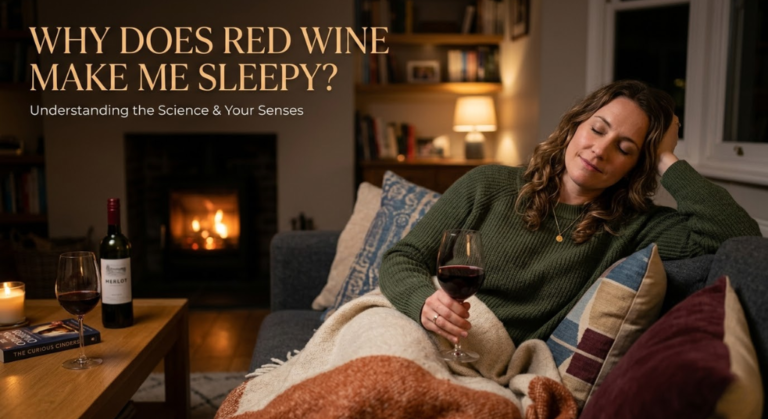
Red wine is rarely consumed in brightly lit, stimulating environments. The typical red wine setting — a warm restaurant, a candlelit dinner table, a comfortable living room — involves reduced ambient light (which removes one of the primary inhibitors of melatonin production) and warmth (which dilates blood vessels, lowers core body temperature slightly through skin heat release — a key signal for sleep onset). These environmental factors synergise with red wine’s internal biochemistry to produce drowsiness that is genuinely greater than the alcohol content would cause alone.
Relaxation and Reduced Stimulation
Red wine is a leisure drink associated with winding down. The psychological expectation of relaxation, combined with the reduced cognitive and physical demands of a dinner setting, removes the arousal stimuli that normally keep the body awake and alert. Without external demands keeping the arousal system activated, the sedative compounds in red wine can exert their full effect unchallenged.
10. Red Wine and Sleep Quality: A More Complicated Picture
Red wine makes you fall asleep more easily — but does it give you better sleep? The answer is nuanced and, for most people, somewhat sobering (so to speak).
The practical takeaway: if you find that red wine helps you fall asleep, it is providing short-term sedation at the cost of second-half sleep quality. For people who already struggle with sleep, using red wine as a sleep aid is counterproductive in the medium term — the sedation it provides degrades sleep architecture in ways that worsen insomnia over time through alcohol dependence for sleep onset.
11. Red vs. White vs. Sparkling: Which Makes You Sleepiest?
Not all wines are equally sedating. Understanding how different wine styles compare on the sleepiness spectrum helps you make informed choices for different occasions.
| Wine Type | Melatonin | Histamine | Tannins | Typical ABV | Relative Sleepiness Effect |
|---|---|---|---|---|---|
| Aged full-bodied red (Barolo, Amarone, aged Bordeaux) | High | Very high (aged = more histamine) | Very high | 13.5–17% | 🔴 Highest — maximum compound accumulation |
| Young full-bodied red (Cabernet, Shiraz, Malbec) | High | High | High | 13–15% | 🔴 Very high |
| Light red (Pinot Noir, Gamay, Frappato) | Moderate | Moderate | Low–moderate | 11.5–13.5% | 🟠 Moderate — less skin extraction |
| Orange wine (white grapes, skin contact) | Moderate | Moderate–high | Moderate–high | 11–14% | 🟠 Moderate to high — skin contact adds compounds |
| Dry rosé | Low | Low–moderate | Low | 11–13% | 🟡 Low–moderate |
| Full-bodied white (oaked Chardonnay) | Very low | Low | Low–moderate (oak tannins) | 13–15% | 🟡 Moderate (ABV-driven more than compounds) |
| Crisp white (Sauvignon Blanc, Pinot Grigio) | Trace | Very low | Very low | 11–13% | 🟢 Lower — primarily alcohol-mediated only |
| Sparkling (Champagne, Prosecco) | Trace | Low | Very low | 11–12.5% | 🟢 Lower drowsiness but faster intoxication from carbonation |
A practical implication: if you want to enjoy wine in the evening without feeling heavily sedated, lighter red wines (Pinot Noir, Gamay, Valpolicella) or dry whites are better choices than full-bodied aged reds. If you enjoy a glass before a social activity that requires alertness, white or sparkling wine is a better choice than a tannin-rich Barolo or Amarone.
Understanding the differences between wine styles in depth is part of being a thoughtful wine drinker. Our guide comparing Bordeaux vs. Pinot Noir structure and tannins illustrates exactly how much the compound profile varies between red wine styles.
12. How Much Red Wine Before Sleepiness Kicks In?
The sleepiness from red wine follows a dose-dependent pattern — but even small amounts can produce noticeable drowsiness in susceptible individuals, particularly in the evening and when eaten with a meal.
| Amount of Red Wine | Typical Sleepiness Response | Primary Mechanism | Notes |
|---|---|---|---|
| Half a glass (75ml) | Very mild — gentle relaxation | Histamine + low-dose alcohol | Most people notice only pleasant relaxation |
| One standard glass (150ml) | Mild drowsiness in histamine-sensitive individuals; relaxation in others | All compounds at moderate levels | Post-dinner setting amplifies this significantly |
| Two glasses (300ml) | Noticeable drowsiness in most people; significant in histamine-sensitive | Full compound profile + measurable BAC | Most people notice the “wine sleepiness” at this level |
| Half bottle (375ml) | Clear sedation in most adults; strong desire to sleep | Full compound profile + 0.06–0.08% BAC | Difficult to stay alert; ideal sleeping conditions are typically present |
| Full bottle (750ml) | Strong sedation / significant intoxication | Alcohol dominates at this level | Sleepiness is primarily alcohol-mediated at this quantity |
The Evening Amplification Effect
All of the above estimates assume typical evening drinking. The same amounts consumed at lunch — in a bright environment, after a lighter meal, with social demands keeping arousal high — produce much less noticeable sleepiness. This is not just psychology: the body’s circadian system is genuinely in a more sleep-ready state in the evening, making it far more responsive to red wine’s sleep-promoting compounds at 8pm than at 1pm.
13. Why Some People Get Much Sleepier from Red Wine Than Others
You may have noticed that red wine affects some people’s energy levels dramatically while others seem barely touched. This variation has several biological and genetic explanations.
Histamine Tolerance and DAO Enzyme Activity
The single biggest source of individual variation in red wine sleepiness is histamine tolerance. People with lower DAO enzyme activity break down dietary histamine more slowly — histamine accumulates in the bloodstream and produces stronger sedative, vasodilatory, and inflammatory responses. This is a genetic trait with significant variability across individuals and populations. If you are unusually sensitive to red wine’s sedating effects, DAO activity assessment (available through some functional medicine practitioners) might be revealing.
CYP450 Genetic Variants
The cytochrome P450 enzyme family governs the metabolism of many compounds in wine including resveratrol, quercetin, and various flavonoids. Genetic variants in these enzymes affect how quickly these compounds are processed — people who are “slow metabolisers” of polyphenols will have higher circulating levels for longer after drinking red wine, potentially producing stronger and more prolonged sedation.
Circadian Type (Chronotype)
Evening chronotypes (“night owls”) experience the post-dinner sedative effect of red wine less strongly than morning chronotypes (“early birds”). Early risers are naturally heading into their peak sleep pressure period by 8–9pm — exactly when red wine compounds arrive. Night owls are still in their peak alertness window. This explains why the same red wine at the same dinner can leave one person asleep on the sofa at 9:30pm while the other is wide awake at midnight.
Body Weight and Composition
Body weight affects BAC and therefore the alcohol-mediated component of sleepiness. However, because many of red wine’s sleep-inducing compounds (histamine, melatonin, resveratrol) are not diluted in body water the same way alcohol is, smaller individuals don’t necessarily experience proportionally less sedation from these compounds. This is part of why smaller-framed individuals often experience particularly strong sleepiness from red wine.
Tolerance to Polyphenols
Regular red wine drinkers develop some tolerance to the sedative compound profile of red wine over time — not just to the alcohol but to the histamine and polyphenol effects. Occasional red wine drinkers, or people who normally drink white wine and occasionally switch to red, often experience stronger sleepiness than regular red wine drinkers consuming the same amount.
14. How to Reduce Red Wine Sleepiness Without Giving Up the Wine
If the sleepiness from red wine is more than you want — particularly on evenings when you need to stay alert — there are practical strategies that meaningfully reduce the effect without requiring you to switch to white wine.
Choose Lower-Histamine Red Wine Styles
The biggest single intervention is wine selection. Young, lighter reds — particularly those that have not undergone malolactic fermentation or have lower levels — contain substantially less histamine than full-bodied aged reds. Beaujolais Nouveau, young Pinot Noir, and carbonic maceration wines tend to be among the lowest-histamine red options. Conversely, aged Bordeaux, Barolo, Amarone, and Chianti Riserva are among the highest. Our comparison of Merlot vs. Cabernet tannins and structure can help you identify which styles suit you better.
Drink Earlier in the Evening
The circadian amplification of red wine’s sleepiness is real and substantial. Drinking the same wine at 6pm rather than 9pm produces noticeably less drowsiness because the body’s sleep pressure is lower and the pineal gland’s melatonin production has not yet begun in earnest. If you want to enjoy red wine without the heavy sleepiness, earlier consumption with dinner rather than after dinner makes a meaningful difference.
Stay Well-Lit During Drinking
Bright light suppresses melatonin production. Drinking red wine in a well-lit environment (higher indoor lighting, avoiding candlelit dimness) blunts the melatonin-amplifying effect of the evening setting. This sounds counterintuitive as a dinner atmosphere suggestion, but it is physiologically real.
Take DAO Supplements Before Drinking
For people with histamine intolerance, taking a DAO (diamine oxidase) enzyme supplement 15–20 minutes before drinking red wine can significantly reduce histamine absorption from the wine. Several brands are available as oral supplements. This is not a cure-all but is well-supported anecdotally and increasingly by clinical observation in people with documented histamine intolerance.
Eat Lighter Meals Alongside Red Wine
Heavy, carbohydrate-rich meals amplify the sleepiness effect through the tryptophan–serotonin pathway. Lighter meals — particularly those higher in protein and fat, lower in refined carbohydrates — reduce the post-prandial serotonin surge that compounds red wine’s sedative effect. This doesn’t mean avoiding food (which would increase intoxication); it means choosing meal compositions that moderate the serotonin-melatonin cascade.
Stay Active and Engaged
Arousal stimuli — interesting conversation, cognitive engagement, moderate activity levels — counteract the sedative compounds in red wine by keeping the arousal system activated. The most sedating red wine experiences tend to happen when the social situation is low-stimulation: a quiet dinner with familiar company, watching television, or reading after dinner. Engaging activities help maintain alertness even when the biochemistry is pushing toward sleep.
Hydrate Well
Dehydration amplifies the effects of all wine compounds including the sedating ones. Staying well-hydrated — alternating wine with water — dilutes histamine and other circulating compounds and maintains the body’s normal alertness physiology. This is one of the simplest and most consistently effective strategies for moderate wine drinking at any occasion.
15. When Red Wine Tiredness Might Be a Warning Sign
For most people, feeling sleepy after red wine is a completely normal physiological response to the compounds discussed in this article. But in some cases, unusual or disproportionate tiredness from even small amounts of red wine may indicate an underlying condition worth discussing with a healthcare provider.
Histamine Intolerance
If even half a glass of red wine consistently produces pronounced tiredness, flushing, headache, and nasal congestion, histamine intolerance is likely. This condition is under-recognised but affects an estimated 1–3% of the population. A trial elimination of high-histamine foods and beverages, along with DAO supplementation, is usually diagnostic. A functional medicine practitioner or gastroenterologist can provide formal assessment.
Sulphite Sensitivity
Sulphites (preservatives used in nearly all wine) can trigger fatigue, headache, and asthma-like symptoms in sensitive individuals. True sulphite allergy is rare but sulphite sensitivity is more common. Interestingly, red wine generally contains less sulphite than white wine (because red wine’s tannins provide natural preservation), so if you find white wine triggers symptoms but red wine doesn’t, sulphite sensitivity may be a factor.
Alcohol Metabolism Issues
Genetic variants in alcohol-metabolising enzymes (particularly ALDH2 deficiency, common in East Asian populations) cause acetaldehyde to accumulate rather than being efficiently converted to acetate. Acetaldehyde is a toxic intermediate that causes flushing, nausea, rapid heartbeat, and pronounced tiredness — the classic “Asian flush” response. This is not a sensitivity to wine specifically but a genetic variant in alcohol metabolism that makes all alcohol cause stronger and faster unpleasant effects.
Underlying Sleep Disorders
People with untreated sleep disorders — particularly obstructive sleep apnoea — often find that even modest alcohol consumption produces pronounced sleepiness and deteriorated sleep quality, because alcohol relaxes the throat muscles that are already partially obstructing the airway. If you are unusually sensitive to wine’s sedative effects and also snore or experience daytime fatigue, discussing sleep apnoea screening with your doctor is worthwhile.
⚠️ Alcohol and Sedative Medications
If you take any medication with sedative properties — antihistamines, sleep aids, anti-anxiety medications, antidepressants, opioid pain relief, or muscle relaxants — even one or two glasses of red wine can produce dramatically amplified drowsiness that is disproportionate to the alcohol content. The interaction between alcohol and sedative medications can range from uncomfortably drowsy to genuinely dangerous. Always check alcohol interactions for any regular medication you take.
Frequently Asked Questions
Red wine contains dramatically higher concentrations of sleep-promoting compounds than white wine, primarily because red wine is made with extended skin contact during fermentation. These include: melatonin (the sleep hormone, found in grape skins), histamine (5–50 times higher in reds than whites), resveratrol (10–100 times higher), and tannins (10–40 times higher). Each of these compounds contributes to sedation through different biological pathways, and their combined effect — on top of alcohol’s baseline sedative action — produces substantially more drowsiness than equivalent alcohol from white wine.
Yes — multiple published studies have confirmed measurable melatonin in red wines, at concentrations of approximately 0.05–0.1 ng/mL. Melatonin is produced in dark-skinned grape berries as a natural antioxidant and stress response compound. It is extracted into wine during the skin-contact fermentation process used for red wine. While concentrations are lower than supplemental doses, wine melatonin is delivered in the evening when melatonin receptors are most sensitive, alongside alcohol and other sedative compounds, creating a synergistic effect that is physiologically meaningful.
For some people, yes — particularly those with histamine sensitivity, lower body weight, those who are sleep-deprived, those taking sedating medications, or those who drink in the classic red wine context (warm environment, after a full dinner, in the evening). One glass of a full-bodied aged red wine delivers a meaningful dose of histamine, melatonin, resveratrol, and tannins alongside enough alcohol to produce mild CNS depression — all in the most sleep-pressure-heavy period of the day. For susceptible individuals in this context, strong drowsiness from a single glass is entirely normal and not a cause for concern.
Red wine helps you fall asleep faster, but it reduces overall sleep quality. Alcohol and red wine’s sedative compounds increase slow-wave deep sleep in the first half of the night while suppressing REM sleep. As these compounds clear in the second half of the night, there is a rebound effect — increased arousal, more frequent waking, lighter sleep. Most research on alcohol and sleep shows that even moderate consumption reduces overall sleep quality and leads to less restorative sleep despite the faster sleep onset. Using red wine regularly as a sleep aid also risks developing alcohol dependence for sleep onset.
Light-bodied, young red wines with lower tannins and lower histamine content are less sedating than aged, full-bodied reds. The best choices for minimal sleepiness among reds include: young Pinot Noir (especially from cooler climates), Beaujolais (particularly Nouveau), Gamay, young Frappato, light Valpolicella (not Amarone), and carbonic maceration wines. These styles have less skin extraction time, lower tannin levels, and typically lower histamine than aged Bordeaux, Barolo, Amarone, or big New World Cabernets. Lower ABV also means less alcohol-mediated sedation — look for bottles under 13% ABV.
White wine is made without significant skin contact — the juice is separated from the grape skins before fermentation. This means white wine contains only trace amounts of the compounds concentrated in grape skins: melatonin, histamine, resveratrol, and tannins. Red wine’s sedating effect beyond basic alcohol intoxication comes almost entirely from these skin-derived compounds. At equivalent ABV, the compounds in red wine add a layer of sedation that white wine simply does not have. If you experience notable drowsiness from red wine but not from white wine at equivalent consumption, the skin-contact compounds — particularly histamine — are the most likely explanation.
You can reduce but not entirely eliminate red wine’s sedating effect. The most effective strategies: choose younger, lighter-bodied red wines with lower tannins and histamine (Pinot Noir, Gamay, Beaujolais rather than Barolo, Amarone, or aged Cabernet); drink earlier in the evening rather than after dinner; stay in a well-lit environment during drinking; take a DAO supplement before drinking if you suspect histamine intolerance; stay well-hydrated; and remain cognitively and socially engaged. None of these eliminates the effect entirely — some drowsiness from red wine in the evening is a natural physiological response that cannot be fully overridden.
Very likely, yes — if you experience the combination of tiredness, headache, flushing, and possibly nasal congestion from red wine specifically (but not from equivalent amounts of white wine or spirits), histamine is the most probable primary cause. Red wine contains 3–30+ mg/L of histamine; white wine contains 0.1–2 mg/L. Histamine causes vasodilation (flushing, headache), inflammatory signalling (general malaise), and sedation. People with histamine intolerance — lower DAO enzyme activity — are particularly susceptible. DAO supplements taken before drinking can significantly reduce these symptoms in histamine-sensitive individuals.
Generally yes — aged red wines tend to produce stronger sedating effects than young reds, for two main reasons. First, histamine levels increase with wine age as microbial activity continues slowly during ageing, with some studies showing histamine doubling or more over a decade of bottle ageing. Second, the tannin profile changes with age — condensed tannins polymerise and partially precipitate (forming sediment), but the remaining polyphenol metabolites may have more bioavailable sedative properties. Additionally, higher-ABV red wines are more commonly aged (Amarone, Barolo, aged Bordeaux), adding the alcohol factor. If you find old-vintage reds particularly sleep-inducing, this combination explains it.
The “3am wake-up” after red wine is one of the most commonly reported sleep disruptions among wine drinkers, and it has a clear physiological explanation. Alcohol and red wine’s sedative compounds produce deeper, heavier sleep in the first half of the night. As the body metabolises these compounds — typically 3–5 hours after drinking — the brain rebounds, compensating for the earlier suppression with a surge of arousal. This rebound arousal disrupts sleep precisely in the second half of the night, which also happens to be when most REM sleep normally occurs. The result: easy sleep onset, good initial sleep quality, then waking at 3–4am with difficulty returning to deep sleep. Reducing quantity and drinking earlier in the evening are the most effective countermeasures.
Conclusion: Red Wine Sleepiness Is Real, Multi-Layered, and Manageable
The question “why does red wine make me sleepy?” has a genuinely fascinating answer. It is not simply alcohol — it is alcohol working in concert with melatonin (the sleep hormone present in grape skins), histamine (a potent vasodilatory and inflammatory mediator), resveratrol (which modulates GABA receptors), tannins (which interact with serotonin metabolism and digestive pathways), and a range of additional polyphenols — all delivering their biochemical effects in the most sleep-conducive context imaginable: the evening, after a full meal, in a warm, dimly lit room.
White wine, made without skin contact, lacks most of these compounds. That is why it produces a cleaner, lighter, more alcohol-proportional effect. Red wine, with its full cargo of skin-derived bioactive molecules, produces a deeper, more complex sedation that many people find disproportionate to the amount they drank.
Whether this is a feature or a bug depends entirely on what you need from your evening. For unwinding after a long week, the sleepy warmth of a good Burgundy or Barolo is part of the pleasure. For staying alert at a dinner party or for protecting your sleep quality long-term, choosing lighter reds, drinking earlier, and staying hydrated are practical strategies that genuinely work.
Red wine making you sleepy is your body responding, in a completely normal way, to one of the most biochemically complex beverages humans produce. Understanding it doesn’t make you less susceptible — but it does help you make smarter choices about when, what, and how much you pour.