Wine Stopper vs Cork — Which Actually Keeps Your Wine Fresher?
You’ve opened a great bottle and can’t finish it. Do you jam the original cork back in, or reach for a wine stopper? The answer matters more than you think — and it depends entirely on what you’re preserving and for how long.
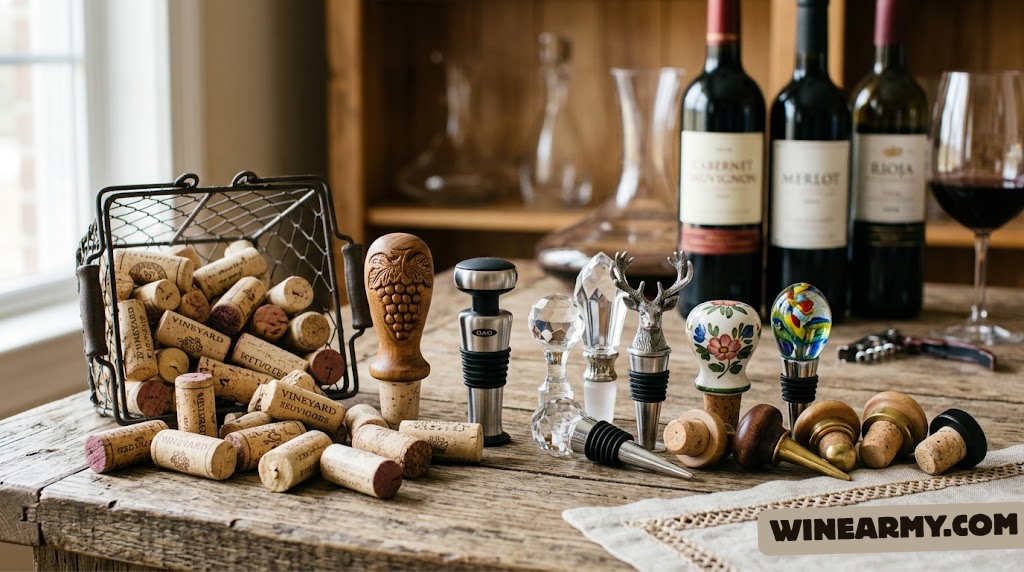
The Core Question: What Are You Actually Fighting?
Before we can meaningfully compare wine stoppers and original corks, we need to understand the actual enemy: oxidation. When wine is exposed to oxygen, a cascade of chemical reactions begins almost immediately. Ethanol oxidizes to acetaldehyde, phenolic compounds polymerize and precipitate, fruit-forward aromatics dissipate, and the bright, fresh flavors you opened the bottle to enjoy begin their march toward something vinegar-adjacent.
The speed of this degradation varies dramatically by wine type. A full-bodied red with high tannins (think aged Cabernet Sauvignon or Barolo) has natural antioxidant defenses that slow the process. A delicate, low-tannin white wine or a light Pinot Noir is vulnerable within hours. A sparkling wine begins losing its CO₂ — and its entire defining character — almost immediately after the cork comes out.
Every closure strategy after opening — whether it’s jamming the cork back in, using a rubber stopper, vacuuming the headspace, or deploying inert gas — is an attempt to slow or stop the oxygen exposure. Understanding how well each method works, and for what type of wine, is the whole game.
When a wine bottle is half-empty, the headspace above the wine contains roughly twice as much oxygen as a full bottle. This is why a half-finished bottle deteriorates faster than a wine stored immediately after opening — the ratio of oxygen to wine matters enormously.
Understanding how long wine lasts after opening gives you an important baseline. The short version: even with the best closure, most wines peak in quality within 3–5 days of opening. Some robust reds can hold for 5–7. Some delicate whites fade in 1–2. Sparkling wines without a proper stopper are essentially done after the first day.
The closure you choose doesn’t change these fundamental timelines dramatically — but it can mean the difference between a wine that’s still genuinely enjoyable on day 3 versus one that’s merely drinkable.
Re-inserting the Original Cork: What Actually Happens
The most instinctive response when you can’t finish a bottle is to push the cork back in. It came out of the bottle, it’s the right size — surely it goes back in? The reality is more complicated, and the result is almost always inferior to even a basic wine stopper.
The Structural Problem
When a cork is extracted from a bottle, it decompresses. Natural cork is a cellular material — thousands of tiny air-filled cells that act like a sponge. The pressure of being inside the bottle neck compresses these cells; a good cork fits the bottle neck precisely because it’s being held under compression. Once removed, the cork expands. Its external diameter can increase by 15–30% within minutes of extraction, depending on the cork’s density and age.
This expanded cork will not re-enter the bottle neck cleanly. You can force it in, but you’re not recreating the original seal — you’re creating a wedge that sits loosely, often at an angle, with air gaps around it. You’re essentially leaving the wine with a partially open bottle.
Cork cells expand after extraction — a re-inserted cork rarely achieves a proper seal, leaving microscopic air channels.
The Contamination Issue
There’s a second problem with re-inserting the original cork: contamination. The wet end of the cork that was in contact with the wine is now exposed to the outside world. As you handle it, as it sits on the counter, bacteria and ambient yeasts settle on that wet surface. When you push the cork back in, these contaminants enter the bottle. For a wine you’re drinking within an hour or two, this is inconsequential. For a bottle you’re planning to store for 2–3 days, it can accelerate deterioration noticeably.
When Re-inserting the Cork Is Acceptable
Despite all the above, re-inserting the original cork is perfectly fine in one specific scenario: you’re going to finish the bottle within the next 1–3 hours, and the bottle will be stored upright in a refrigerator. For short-term, casual preservation of an everyday wine, the original cork is honestly fine. Where it fails is the multi-day scenario.

OXO Good Grips Silicone Wine Stoppers (4-Pack)
Airtight silicone stoppers with a tapered design that fits virtually every bottle neck. A massive upgrade over re-inserting the cork.
🛒 View on AmazonTypes of Wine Stoppers: A Complete Taxonomy
The market for wine stoppers is surprisingly crowded. Walk into any kitchen store or browse online and you’ll find dozens of different designs, materials, and mechanisms — all claiming to be the best solution for preserving open wine. Here’s a clear breakdown of what’s actually available and how each type works.
1. Standard Rubber / Silicone Stoppers
The most common and affordable type. These are tapered plugs made of food-grade rubber or silicone that compress slightly as you insert them into the bottle neck, creating a friction seal. They come in universal sizes designed to fit most standard 750ml bottles. The seal is much better than a re-inserted cork — significantly more consistent and airtight. They’re dishwasher-safe, reusable indefinitely, and inexpensive. If you’re looking for our best wine stoppers recommendations, the top picks are almost always silicone-based.
2. Vacuum Wine Stoppers (Pump-Style)
These systems use a stopper with a one-way valve and a hand pump to remove air from the headspace above the wine. By reducing the oxygen content in the headspace, they dramatically slow oxidation. Brands like Vacu Vin pioneered this category and remain the gold standard for affordable preservation. The pumps are manual and take 3–5 pumps to achieve a partial vacuum. They extend wine life noticeably — studies suggest 2–5 additional days compared to a standard stopper.
3. Electric Vacuum Stoppers
The premium version of vacuum preservation. Electric models like the Coravin Pivot or the Rabbit Automatic Wine Preserver use battery-powered suction to achieve a more consistent and deeper vacuum than manual pumps. They’re faster, require no arm effort, and often achieve a better seal. They cost more upfront but require only replacement sealer stoppers over time.
4. Inert Gas / Argon Preservation Systems
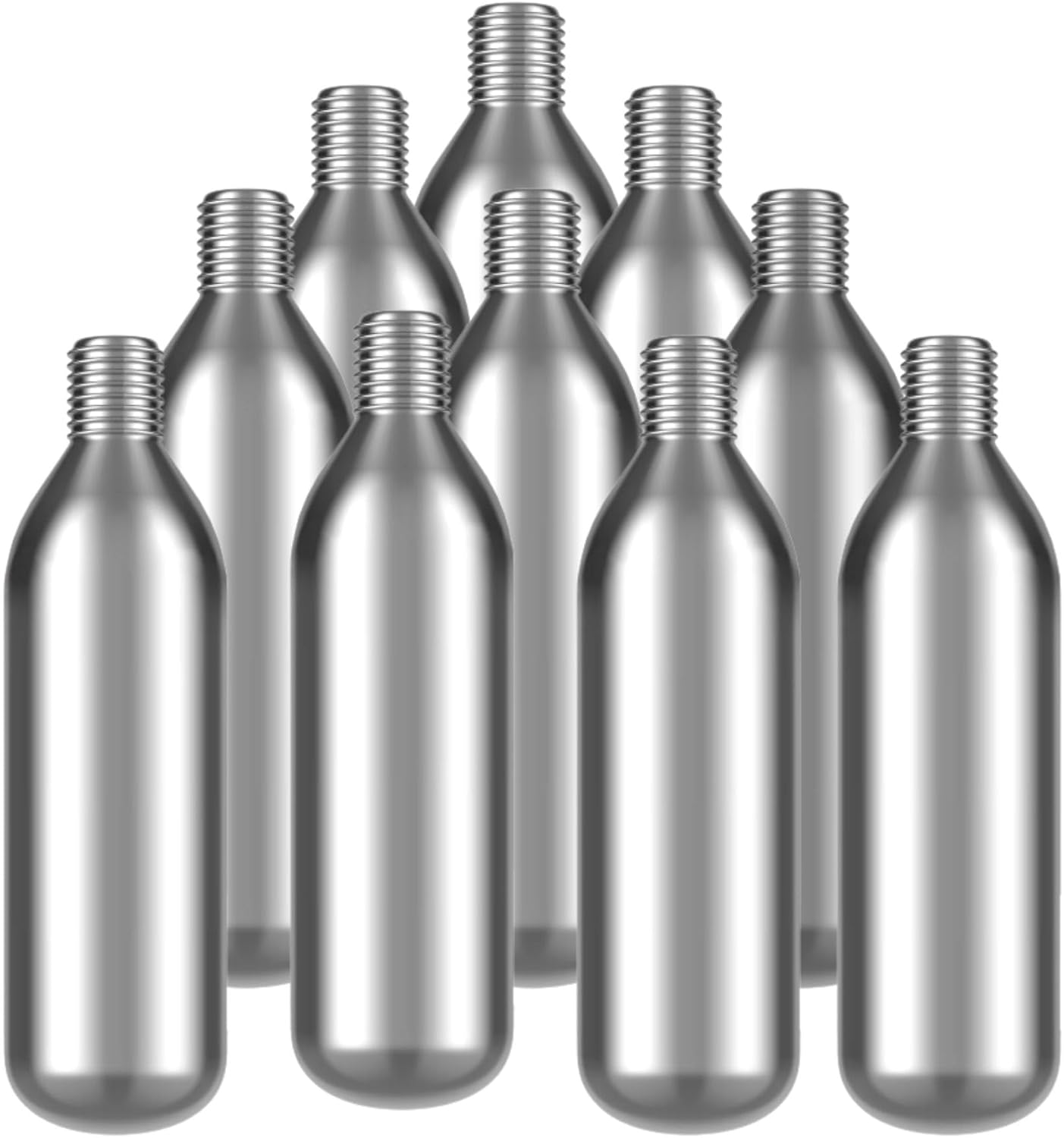
The most sophisticated (and expensive) category. Systems like Coravin Classic, Private Preserve, or Pek Argon displace the oxygen above the wine with an inert gas — typically argon — that doesn’t react with wine compounds. Argon is heavier than air and forms a protective blanket directly on the wine’s surface. This is the technique used in high-end wine bars to preserve open bottles for weeks. For everyday use, it’s overkill — but for a very special bottle you want to sip over several days, it’s unmatched.
5. Sparkling Wine Stoppers
An entirely separate category, designed not just to seal but to maintain carbonation pressure. Standard stoppers cannot hold back the CO₂ trying to escape from a sparkling wine. Dedicated sparkling wine stoppers have a spring-loaded clamp mechanism that creates a pressure-tight seal. They’re the only stopper type appropriate for Champagne, Prosecco, Cava, and sparkling rosé — we’ll cover these in depth in Section 8.
6. Decorative / Novelty Stoppers
These exist purely for aesthetics — wine-themed sculptures, seasonal designs, personalized gifts. While they may have a rubber or silicone base component that provides some seal, their primary purpose is decorative. They range from adequate (if the stopper component is well-designed) to essentially useless for preservation. A beautiful stopper can double as a wine accessory gift, but don’t rely on it for preserving a precious bottle.
| Stopper Type | Seal Quality | Preservation Window | Best For | Price Range |
|---|---|---|---|---|
| Original cork (re-used) | ⭐⭐ Poor | 1–2 days | Short-term only | Free |
| Rubber / silicone stopper | ⭐⭐⭐ Good | 2–3 days | Everyday reds & whites | $5–$20 |
| Vacuum pump stopper | ⭐⭐⭐⭐ Very Good | 3–5 days | Most wines | $10–$30 |
| Electric vacuum stopper | ⭐⭐⭐⭐ Very Good | 4–6 days | Most wines, convenience | $25–$60 |
| Argon / inert gas | ⭐⭐⭐⭐⭐ Excellent | 7–14+ days | Premium bottles | $15–$300+ |
| Sparkling wine stopper | ⭐⭐⭐⭐ Very Good | 1–3 days (bubbles) | Champagne, Prosecco | $8–$25 |
| Decorative stopper | ⭐⭐ Varies | 1–2 days | Gifting, aesthetics | $10–$50 |
Head-to-Head: Wine Stopper vs Original Cork — The Verdict
- Consistent, repeatable seal
- Designed for re-use, not one-time use
- No contamination from outside world
- Available in vacuum-enhanced versions
- Works across all bottle neck sizes
- Dishwasher-safe and hygienic
- Free — already in your hand
- Good for 1–2 hours max
- Expands after removal — poor re-seal
- Potential contamination from handling
- May crumble in older bottles
- Upside-down insertion helps slightly
Category-by-Category Ratings
The data is unambiguous: a quality wine stopper outperforms the original cork in every meaningful metric except cost — and given that a set of silicone stoppers costs $8–$15 and lasts years, that’s not a compelling argument for the cork. The only scenario where the original cork “wins” is when you’re drinking the remainder of the bottle within the next couple of hours and can’t find the stopper drawer.

Vacu Vin Wine Saver Pump + 2 Stoppers
The original and still the benchmark for vacuum wine preservation. Removes up to 96% of headspace oxygen — keeps wine fresh for days. Trusted by sommeliers and wine bars worldwide.
🛒 View on AmazonHow Long Does Each Option Actually Preserve Wine?
Timeline is everything when it comes to wine preservation. Understanding the realistic windows for each closure method helps you choose the right tool for your situation — there’s no point using argon gas on a bottle you’ll finish tomorrow, just as there’s no point using a re-inserted cork on a $80 Burgundy you want to enjoy over three evenings.
Approximate preservation windows by closure type — actual results vary by wine type, fill level, and storage temperature.
The Fill Level Factor
One variable that affects all closures equally: how much wine remains in the bottle. A bottle that’s three-quarters full has a small headspace and will preserve better than a half-empty bottle, regardless of what you’re sealing it with. If you have less than a quarter-bottle remaining, consider transferring it to a smaller bottle (a 375ml or 187ml bottle works perfectly) to minimize headspace before sealing. This simple trick can double your preservation window.
Temperature and Preservation
Storing a sealed open bottle in the refrigerator slows oxidation significantly — the cold temperature reduces chemical reaction rates. Even red wine benefits from refrigeration after opening: remove it 20–30 minutes before serving to let it come back to temperature. Proper wine storage without a wine fridge covers all the options for keeping open bottles in good condition.
Best Preservation Option by Wine Type
No single closure solution works equally well for every wine. The ideal approach depends on the wine’s structure, its sensitivity to oxidation, and how long you plan to keep it.
| Wine Type | Oxidation Sensitivity | Best Closure | Max Realistic Days | Storage Temp |
|---|---|---|---|---|
| Full-bodied red (Cabernet, Barolo) | 🟡 Medium | Vacuum stopper | 4–6 days | Cool room temp (58–65°F) |
| Light red (Pinot Noir, Beaujolais) | 🔴 High | Vacuum stopper + fridge | 2–4 days | Fridge (remove 30 min before) |
| Full-bodied white (Chardonnay) | 🟡 Medium | Silicone stopper + fridge | 3–5 days | Fridge |
| Crisp white (Sauvignon Blanc, Riesling) | 🔴 High | Vacuum stopper + fridge | 2–3 days | Fridge |
| Rosé | 🔴 High | Vacuum stopper + fridge | 2–3 days | Fridge |
| Champagne / Sparkling | 🔴🔴 Very High | Sparkling wine stopper | 1–3 days | Fridge (mandatory) |
| Vintage Port / Dessert wine | 🟢 Low | Original cork or stopper | 7–14 days | Cool room temp |
| Orange wine | 🟡 Medium | Silicone stopper + fridge | 3–5 days | Fridge or cool room |
| Natural wine (unfiltered) | 🟡 Medium–variable | Vacuum stopper | 2–4 days | Fridge recommended |
Why Dessert Wines and Port Are Different
Fortified wines like Vintage Port, Tawny Port, Sherry, and sweet dessert wines like Sauternes have a natural advantage: high sugar and/or alcohol content. Alcohol above 16–18% inhibits oxidative reactions significantly, and sugar provides a degree of preservation too. A bottle of 20% ABV Tawny Port, once opened, can hold for several weeks with even a basic stopper. This is why Port is often served in smaller quantities over extended periods and why Port houses can offer bottle-aged Tawnies in casual service without the wine falling apart overnight.
For everyday food-and-wine pairing situations, understanding the wine pairing fundamentals helps you open only what you need for a specific meal, reducing the preservation problem entirely.

Coravin Pivot Wine Preservation System
The gold standard for serious wine preservation — uses argon gas to protect open bottles for weeks. Game-changing for premium bottles you want to sip slowly.
🛒 View on AmazonVacuum Wine Stoppers: Do They Actually Work?
Vacuum wine stoppers are the most common “premium” home preservation solution, but they’ve also been the subject of genuine scientific debate. Some wine scientists argue that removing oxygen from the headspace does relatively little to slow oxidation, because most of the damaging oxygen is already dissolved within the wine itself — not in the headspace. Others argue that reducing headspace oxygen meaningfully slows the overall oxidation rate.
The practical answer: vacuum stoppers do work, but not as dramatically as the marketing suggests. Consumer blind tests consistently show that vacuum-stopped wines taste fresher than cork-stopped wines after 3–5 days. The difference is most noticeable with aromatic white wines and light reds — wines with little tannin buffer. It’s least noticeable with robust, high-tannin reds that have natural antioxidant defenses.
Manual vs. Electric Vacuum Stoppers
Manual Pump (e.g., Vacu Vin)
- Inexpensive ($10–$20)
- Proven technology since the 1980s
- No batteries or charging required
- Stoppers widely available
- Works with any bottle type
Electric Vacuum (e.g., Rabbit)
- More consistent vacuum depth
- Faster — one button operation
- Better for arthritis or weak grip
- Higher upfront cost ($25–$60)
- Requires charging/batteries
The detailed Coravin vs Vacu Vin comparison goes deep on the difference between vacuum preservation and argon preservation — worth reading if you’re deciding where to invest.
The Correct Vacuum Pump Technique
A vacuum pump only works if it’s creating a proper seal. Here’s the correct method: insert the stopper fully into the bottle neck until you feel it seat. Do not force it — the tapered stopper should fit snugly. Place the pump over the valve on the stopper and pump until you feel significant resistance — typically 3–5 strokes. You should hear a click or feel the resistance change, indicating the one-way valve has locked. Store the bottle upright in the refrigerator.
The vacuum stopper method — four steps to significantly longer-lasting open wine.
Sparkling Wine: Why It Needs Its Own Stopper Category
Preserving sparkling wine after opening is a fundamentally different challenge from preserving still wine. The enemy isn’t just oxidation — it’s CO₂ loss. The dissolved carbon dioxide in Champagne, Prosecco, Cava, and other sparkling wines is under significant pressure (4–6 atmospheres in Champagne). The moment you remove the cork, that pressure begins escaping. No regular wine stopper can contain it.
The Famous Spoon Myth
Before we go further: the silver spoon trick — where you place a spoon handle-down in the Champagne bottle neck to preserve bubbles — has been scientifically tested and is conclusively false. A 1994 study by the University of Reims tested every form of Champagne stopper, including silver spoons, against open bottles, and found that the spoon provided no measurable preservation benefit. The bubbles left the bottle at the same rate regardless of whether a spoon was present. Do not use a spoon.
How Sparkling Wine Stoppers Work
A proper sparkling wine stopper has a spring-loaded lever mechanism that clamps over the bottle’s lip (the “flange” where the wire cage attached). This lever applies downward pressure to a rubber or silicone disc inside the bottle neck, creating a mechanical pressure seal that can contain — or at least significantly slow — CO₂ loss. The best versions are made of stainless steel with a soft silicone insert and can maintain meaningful pressure for 24–48 hours.
The clamp mechanism of a sparkling wine stopper — and why the silver spoon myth holds no water (or bubbles).
Even with the best sparkling wine stopper, realistic expectations matter: bubbles will diminish over 48 hours. By day 2 or 3, the wine may still taste fine — but the mousse will be softer, the carbonation less aggressive. For Champagne connoisseurs, this is noticeable; for casual drinking, it may be perfectly acceptable.
Always chill before opening and store in the fridge immediately after stoppering. Cold temperatures dramatically slow CO₂ loss — the difference between room temperature and fridge temperature can double the bubble-preservation time.

Stainless Steel Champagne Stopper (2-Pack)
Spring-loaded lever mechanism creates a pressure seal that keeps Champagne and Prosecco bubbly for up to 48 hours. Far superior to any re-used mushroom cork.
🛒 View on AmazonAdvanced Wine Preservation: Beyond Stoppers and Corks
For wine enthusiasts who open expensive bottles frequently and want to maximize every drop, the standard stopper options may feel inadequate. Several more sophisticated solutions exist — each with trade-offs in cost, convenience, and effectiveness.
Argon Gas Systems
Private Preserve and similar canned inert gas products (a blend of argon, CO₂, and nitrogen) allow you to spray a protective gas layer directly onto the wine surface before stoppering. This is a genuine advancement: argon is denser than oxygen and wine, so it sinks and forms a barrier at the liquid surface, dramatically slowing oxidation. A single can costs $12–$15 and provides 100+ uses, making it the most cost-effective serious preservation option after vacuum pumps.
The Coravin system takes this further — it uses a needle through the cork to extract wine without ever removing the cork, then refills the headspace with argon. This allows a bottle to remain virtually unaged even after multiple partial pours over months. For collectors opening $150+ bottles and not wanting to commit to the whole thing at once, it’s transformative. The comparison between Coravin and Vacu Vin covers this in detail.
Wine Transfer to Smaller Bottles
An often-overlooked but effective technique: when you have half a bottle or less remaining, transfer it to a clean 375ml (half-bottle) container and seal it. With a full smaller bottle, there’s virtually no headspace, meaning almost no oxygen exposure. This is the principle behind Coravin’s “transfer capsules” and some third-party preservation wine kits. A set of reusable 375ml bottles costs $10–$15 and serves multiple preservation purposes.
Wine Preservation Machines
High-end wine bars use counter-mounted wine preservation machines that keep open bottles under nitrogen pressure at controlled temperatures. Brands like Enomatic, WineEmotion, and Wineemotion maintain open bottles in excellent condition for weeks or months. These are industrial-grade solutions starting at $2,000+ — mentioned here for completeness but beyond the scope of home use for most readers. For home wine storage solutions that are actually practical, see our top wine cooler refrigerator picks.
Wine Stopper Buying Guide: What to Look For
If you’ve decided (correctly) that a dedicated wine stopper beats re-inserting the original cork, the question becomes which stopper to choose. Here’s what actually matters when evaluating wine stoppers.
Material: Rubber vs. Silicone vs. Metal
| Material | Seal Quality | Durability | Food Safety | Best For |
|---|---|---|---|---|
| Natural rubber | ⭐⭐⭐ Good | ⭐⭐ 1–2 years | ✅ Food-grade | Budget everyday use |
| Silicone | ⭐⭐⭐⭐ Very Good | ⭐⭐⭐⭐⭐ 5+ years | ✅ Excellent | Best all-around choice |
| Stainless + silicone insert | ⭐⭐⭐⭐⭐ Excellent | ⭐⭐⭐⭐⭐ Decade+ | ✅ Excellent | Premium gifting & daily use |
| Zinc alloy (decorative) | ⭐⭐ Variable | ⭐⭐⭐ 3+ years | ✅ Food-grade | Gifts, aesthetics |
Fit and Universality
Standard wine bottles have a neck opening of approximately 18.5mm. Most stoppers are designed for this standard. However, some producers — particularly in Burgundy, Germany, and some Italian appellations — use slightly different bottle shapes with wider or narrower necks. A quality stopper should have a tapered, compressible design that accommodates slight variations. Look for stoppers rated for 17–21mm neck diameter.
Ease of Removal
A wine stopper that’s genuinely airtight can be surprisingly difficult to remove — especially after several hours in the fridge when temperature changes have further compressed the stopper into the neck. Stoppers with a lip, wing, or handle on the outside of the bottle make removal dramatically easier. This is especially important for older hands or anyone with limited grip strength.
How Many Do You Need?
Practically: if you open one or two bottles a week, a set of 4–6 stoppers is ideal. They get dirty, go through the dishwasher, occasionally disappear — having extras means you always have one when you need it. If you use a vacuum pump system, most sets come with 2 stoppers, which is often insufficient; buy additional replacement stoppers separately.
Our Top Recommendations by Category
| Category | Recommended Pick | Why | Price |
|---|---|---|---|
| Best Overall | OXO Good Grips Silicone Stoppers | Excellent seal, easy removal, durable | ~$12 for 4 |
| Best Vacuum | Vacu Vin Wine Saver + Stoppers | Proven, widely available, reliable | ~$15–20 |
| Best Premium | Coravin Pivot | Argon preservation, weeks of freshness | ~$90–120 |
| Best for Sparkling | Wijnvoordeel Stainless Champagne Stopper | Strong spring, long-lasting seal | ~$8–15 for 2 |
| Best Gift | Le Creuset Wine Stoppers (set of 2) | Beautiful, functional, brand recognition | ~$25–30 |
For a comprehensive review of the best stoppers on the market, including hands-on testing notes, see our best wine stoppers guide. And if you’re looking at the broader ecosystem of wine preservation tools including Coravin alternatives, our top-rated wine preserver roundup covers the full landscape.
Common Wine Preservation Mistakes (And How to Avoid Them)
Even wine enthusiasts who know to use a proper stopper routinely make errors that undermine their preservation efforts. Here are the most common mistakes and how to correct them.
Mistake 1: Storing Opened Red Wine at Room Temperature
The single most common error. Oxidation rates approximately double for every 10°C (18°F) increase in temperature. An opened red wine left at 72°F (22°C) degrades roughly twice as fast as the same wine stored at 54°F (12°C). Even for tannic reds, refrigeration after opening is beneficial — just remember to take it out 20–30 minutes before serving to let it warm back up. Room-temperature storage is only acceptable if you’ll finish the bottle within a few hours.
Mistake 2: Pumping the Vacuum Too Many Times
Counter-intuitively, over-pumping a vacuum stopper can actually harm delicate wines. Wine contains dissolved gases (CO₂ and to some extent SO₂) that contribute to freshness and structural stability. Pumping too aggressively can strip these gases as well as the oxygen, leaving the wine tasting flat and stripped. 3–5 pumps is the standard recommendation — enough to achieve a meaningful vacuum, not enough to degass the wine itself.
Mistake 3: Using Any Stopper on a Sparkling Wine
As covered in Section 8: standard stoppers cannot contain Champagne’s CO₂ pressure. Using a rubber or silicone plug in a sparkling wine bottle will not preserve the bubbles — and depending on the pressure, the stopper could pop out. Always use a dedicated sparkling wine stopper for any bottle with residual carbonation.
Mistake 4: Not Checking the Stopper Seal
After inserting a stopper, always do a quick seal check: insert the stopper firmly, then gently try to lift the bottle by the stopper. If the stopper slips, it’s not sealed. If the bottle lifts (even briefly), you have a good connection. This 2-second test can prevent you from returning to a bottle three days later to find it fully oxidized because the stopper wasn’t properly seated.
Mistake 5: Ignoring Headspace
A bottle with only a quarter-glass remaining has a very large headspace filled with oxygen — this oxygen will oxidize the remaining wine rapidly regardless of what stopper you use. In this situation, either finish the bottle (the most elegant solution), transfer the wine to a smaller container, use an argon spray before stoppering, or accept that the remaining wine’s quality is limited.
Mistake 6: Washing Stoppers With Soap and Not Rinsing Thoroughly
Silicone and rubber stoppers absorb odors slightly — including dish soap. A poorly rinsed stopper can impart a soapy note to the wine. Always rinse stoppers thoroughly under hot water after washing, or run them through the dishwasher’s full cycle. Smell the stopper before using it if you haven’t recently washed it.
“The enemy of great wine isn’t just the wrong stopper — it’s neglecting the small details that compound into a flat, oxidized disappointment three days after you opened something beautiful.”
Professional Storage Tips for Open Bottles
Taking a holistic approach to open wine storage — considering not just the closure but the entire storage environment — will significantly improve your results across every type of wine you preserve.
The Role of Bottle Position
Always store open wine bottles upright. Horizontal storage (fine for sealed bottles in a wine rack) maximizes the wine’s surface area exposure to the headspace above it, accelerating oxidation. Upright storage minimizes that surface area. If you’re using a wine fridge, check that it can accommodate bottles upright — most can, but some slider-rack designs are optimized for horizontal storage.
Using a Wine Fridge for Open Bottles
A dedicated wine refrigerator, set to 50–55°F (10–13°C), is the ideal storage environment for open bottles regardless of color. Unlike a kitchen refrigerator, a wine fridge maintains optimal humidity (preventing cork or stopper dry-out), has no vibration from compressor cycling in most thermoelectric models, and doesn’t subject wine to the temperature swings of a frequently opened kitchen appliance. If you’re considering whether you actually need one, our guide on whether you need a wine fridge makes the case clearly.
Light and UV Exposure
Even short-term open wine storage benefits from darkness. UV light accelerates oxidative reactions — this is why wine bottles are dark glass. An open bottle stored in a lit kitchen counter for three days receives meaningfully more UV exposure than one stored in a dark cabinet or wine fridge. If your only option is a counter, wrap the bottle in a cloth or paper bag.
Aeration Before Storage: When It Helps
For young, tannic red wines, the common wisdom is to let them breathe before drinking. This is true — but once you’ve opened a bottle, provided initial aeration via decanting or aerating tools, and poured your glasses, the remaining wine in the bottle should be sealed immediately rather than left to “breathe.” Continued exposure is oxidation, not aeration. If you enjoy using an aerator at the pour point, you can aerate individual glasses rather than the whole bottle, leaving the remainder protected.
The 24-Hour Rule for Leftover Wine in Cooking
Wine that’s been open too long to enjoy drinking can still be excellent for cooking — acidity, tannins, and aromatic compounds remain even as the fresh fruit character fades. A bottle that’s 5–6 days old and starting to taste flat can be the perfect addition to a braise, risotto, or pan sauce. Consider keeping a designated “cooking wine” bottle in the fridge for these situations, rather than pouring wine down the drain.
For the full picture on managing your wine collection — from storage solutions to proper accessories — take a look at the range of wine accessories every host needs.

Nutrichef 12-Bottle Thermoelectric Wine Cooler
A compact, vibration-free wine fridge that fits under the counter — ideal for storing open and sealed bottles at the same stable temperature. Silent operation, built-in thermostat.
🛒 View on AmazonFrequently Asked Questions: Wine Stopper vs Cork
Yes, almost always. A quality silicone or rubber wine stopper creates a more consistent, airtight seal than a re-inserted original cork. The original cork expands by 15–30% after extraction, meaning it won’t re-seat cleanly in the bottle neck — it creates air gaps that allow ongoing oxidation. A wine stopper is purpose-designed for re-sealing and compresses predictably into the neck, providing a far superior barrier. The only exception is if you’re finishing the bottle within the next 1–2 hours, in which case the cork is fine.
It depends on the stopper type and wine style. A basic silicone stopper extends freshness to about 2–3 days when the bottle is refrigerated. A vacuum pump stopper extends this to 3–5 days. An electric vacuum gives you 4–6 days. Argon or inert gas systems can keep wine in good condition for a week or more. Robust, tannic red wines last longer than delicate whites or light reds regardless of stopper type.
Yes. Despite the conventional wisdom that red wine is served at room temperature, open red wine should be refrigerated after pouring to slow oxidation. Take it out 20–30 minutes before your next serving session to allow it to come back to drinking temperature. A full-bodied red stored at room temperature with any stopper will deteriorate noticeably faster than the same wine refrigerated with the same stopper.
No — you should use a dedicated sparkling wine stopper with a spring-loaded lever mechanism. Standard silicone or rubber stoppers cannot contain the significant CO₂ pressure in Champagne, Prosecco, Cava, or any other sparkling wine. A standard stopper may pop out or simply fail to contain the gas, and the sparkling wine will go flat very quickly. A proper Champagne stopper with a clamp can preserve bubbles for 24–48 hours when the bottle is stored in the fridge.
Vacuum stoppers genuinely work, though the effect is more modest than the marketing implies. Removing headspace oxygen measurably slows oxidation — consumer testing consistently shows that vacuum-preserved wines taste fresher after 3–5 days compared to cork-stopped or standard-stopper wines. However, vacuum pumps don’t remove dissolved oxygen already within the wine, which limits their total effectiveness. For most everyday wines, the vacuum stopper is the best balance of effectiveness, cost, and convenience.
The silver spoon trick involves placing a spoon handle-down in the Champagne bottle neck, supposedly preserving bubbles. It has been scientifically tested and definitively does not work. Studies at the University of Reims found no measurable difference in CO₂ retention between bottles with spoons and bottles left open. Always use a proper sparkling wine stopper instead — it makes an enormous difference compared to no stopper at all, unlike the spoon.
Oxidized wine has a distinctly flat, vinegar-like, or sherry-like character. In whites, you’ll notice a browning of the color and a loss of fresh fruit aromatics — the wine smells more like apple cider vinegar than fruit. In reds, the color turns brick-brown at the edges and the wine smells musty, stewed, or like raisins. If the wine smells unpleasant before you taste it, trust that instinct. Slightly oxidized wine is usually still safe to drink but won’t be enjoyable — it’s better used in cooking at that point.
For serious wine enthusiasts who regularly open expensive bottles ($50+) and want to sip them slowly over days or weeks without committing to drinking the whole bottle at once, Coravin is absolutely worth it. The argon gas preservation is genuinely superior — bottles can remain in excellent condition for weeks to months. For casual drinkers who open a bottle and finish it within a few days, a vacuum pump stopper at $15 delivers 90% of the benefit at 10% of the price. It’s a question of your drinking habits and budget.
Yes — most standard tapered silicone stoppers fit comfortably in screw-cap bottle necks, which have approximately the same internal diameter as cork-finish bottles. Simply use the stopper as you normally would. The screw cap itself can also be re-threaded for short-term storage, and it typically creates a reasonable seal — better than a re-inserted natural cork because it was designed to thread back on cleanly. For multi-day storage, a wine stopper or vacuum stopper is still preferable.
If you open wine regularly (2–4 bottles per week), a set of 4–6 stoppers is practical. They end up in different places — in a bottle in the fridge, in the dishwasher, on the counter — and having extras ensures you always have one ready. If you also drink sparkling wine, keep at least 2 dedicated Champagne stoppers separate. One vacuum pump with 4 stoppers handles most households’ needs efficiently.
The Final Verdict: Stop Reaching for the Cork
The case against re-using the original cork is unambiguous. An expanded, potentially contaminated cork wedged unevenly into a bottle neck is not a closure — it’s a slow-motion surrender to oxidation. A purpose-designed wine stopper, whether a $8 silicone plug or a $120 Coravin Pivot, does the job it was designed for: keeping your wine in the condition you want it.
For everyday bottles, a quality silicone stopper and your refrigerator are all you need. For aromatic whites and light reds you want to enjoy over 3–5 days, add a vacuum pump. For sparkling wine, get a dedicated Champagne stopper and stop believing the spoon myth. For your most precious bottles — the ones you open for a glass on a Tuesday and want to revisit on Saturday — consider an argon solution like Coravin or Private Preserve.
The wine in your glass deserves better than a loose cork. The stopper drawer is right there. Use it.
See Our Top Wine Stopper Picks →
Complete Wine Preservation Kit
Vacuum pump, 6 silicone stoppers, and 2 Champagne stoppers — everything you need to preserve every style of wine properly. A perfect gift set or kitchen upgrade.
🛒 View on Amazon