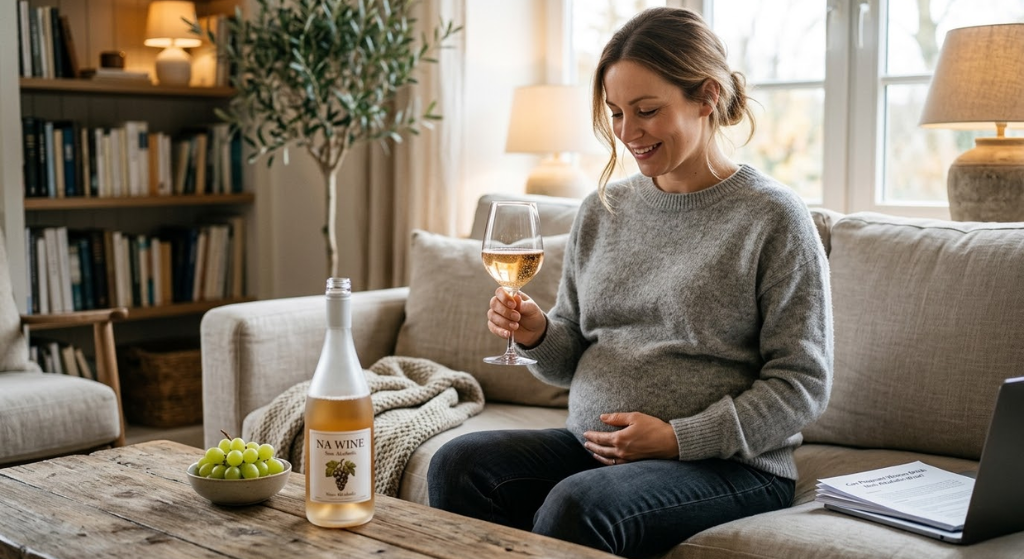
Can a Pregnant Woman Drink Non Alcoholic Wine? The Complete Safety Guide
Pregnancy comes with a long list of things to reconsider — and for women who love wine, giving up that evening glass can feel like a genuine sacrifice. Enter non-alcoholic wine: bottles that look like the real thing, pour like the real thing, and — with modern production techniques — taste surprisingly close to it.
But the question that brings most pregnant women to this page remains unanswered by the mainstream: can a pregnant woman drink non-alcoholic wine safely? The answer is genuinely nuanced. It depends on what’s actually in the bottle, how it was made, and what your own doctor says about your specific pregnancy.
This guide covers everything — the science of dealcoholization, expert medical opinions, specific brand comparisons, label-reading skills, and a practical framework to help you make the most informed decision possible.
1. What Is Non-Alcoholic Wine, Exactly?
Non-alcoholic wine — also called dealcoholized wine, alcohol-removed wine, or zero-alcohol wine — is wine that has been produced through the standard fermentation process and then had most or all of its alcohol removed. The grapes are harvested, fermented, and vinified just like regular wine, then an additional step strips the ethanol out.
This makes it fundamentally different from grape juice, which was never fermented. Non-alcoholic wine goes through the full winemaking process, retaining at least some of the flavor complexity, polyphenols, and structural character that makes wine enjoyable to drink.
If you’re newer to wine terminology and want a strong foundation before diving in, our wine glossary for beginners covers the key terms — many of which apply just as much to the non-alcoholic world as to conventional wine.
🍇 Quick Definition
Non-alcoholic wine is fermented wine with the ethanol subsequently removed. In most countries, products labeled “non-alcoholic” must contain less than 0.5% ABV. Some brands achieve a verified 0.0% ABV.
2. How Non-Alcoholic Wine Is Made
The production method matters during pregnancy because different processes leave behind different residual compounds — and the cheapest methods don’t always produce the cleanest results.
Vacuum Distillation
The most common method. Wine is heated under reduced pressure, causing alcohol to evaporate at a lower temperature (around 25–30°C instead of 78°C). This preserves volatile aromatic compounds that would otherwise be lost at higher temperatures, resulting in a wine that retains reasonable character.
Spinning Cone Column (SCC)
One of the most sophisticated and gentle methods. Wine passes through a series of spinning cones that create centrifugal force, separating alcohol from aromatic compounds. The aromatics are captured and held, the alcohol is removed, and the aromatics are then recombined with the dealcoholized base. Products made this way tend to be the highest quality in the non-alcoholic wine category.
Reverse Osmosis
Wine is pushed through a fine membrane that separates water, ethanol, and acetic acid from larger flavor molecules, tannins, and color compounds. The ethanol is distilled out of the water-alcohol fraction, and the water is reintroduced. This efficient method preserves flavor complexity well and is popular with quality-focused producers.
Arrested Fermentation
Rather than removing alcohol after fermentation, some winemakers halt fermentation early by chilling or filtration before yeast has converted all sugars. This produces lower — but not zero — alcohol, usually 0.5%–2% ABV. Products made this way typically don’t qualify as non-alcoholic under most regulatory definitions, and are not appropriate for pregnancy.

Ariel Dealcoholized Cabernet Sauvignon — one of the most trusted and widely available non-alcoholic wines
👉 Check Best Non-Alcoholic Wines on Amazon As an Amazon Associate, WineArmy may earn from qualifying purchases3. Residual Alcohol Content: What’s Actually in the Bottle?
This is one of the most critical things pregnant women need to understand before purchasing. “Non-alcoholic” does not universally mean zero alcohol — and labeling regulations vary significantly between countries.
| Label Term | Typical ABV Range | Country / Region | Suitable During Pregnancy? |
|---|---|---|---|
| Alcohol-Free (0.0%) | 0.0% ABV | EU, UK | Best option if using these products |
| Non-Alcoholic | Less than 0.5% ABV | USA, EU, Australia | Potentially — still contains trace alcohol |
| De-Alcoholized | Less than 0.5% ABV | Varies | Potentially — verify the actual ABV |
| Low-Alcohol | 0.5%–1.2% ABV | EU definition | Not recommended during pregnancy |
| Reduced Alcohol | Above 1.2% (reduced from original) | Varies | Not recommended during pregnancy |
For perspective: a fully ripe banana contains roughly 0.4% alcohol from natural fermentation. Orange juice can contain up to 0.7% ABV. So trace alcohol exists in many everyday foods. That doesn’t automatically make all trace alcohol safe during pregnancy — but it frames the conversation about dose and context.
⚠️ Read Every Label
Label reading is a critical skill when buying non-alcoholic wine during pregnancy. As our guide on how to read wine labels quickly explains, the front of a bottle often communicates marketing rather than facts — always check the back label for the actual ABV percentage before buying.
4. Is Non-Alcoholic Wine Safe During Pregnancy?
Here is the honest answer: there is no definitive scientific consensus that non-alcoholic wine with less than 0.5% ABV is harmful during pregnancy. But there is also no definitive proof it is entirely risk-free. The specific research in pregnant women simply hasn’t been done at the granular level needed to draw firm conclusions.
What decades of research have established is that alcohol in significant quantities during pregnancy can cause Fetal Alcohol Spectrum Disorders (FASDs) — a range of conditions affecting physical, behavioral, and cognitive development. The central question is whether the trace alcohol in a 0.5% ABV product constitutes a meaningful risk.
The Dose-Response Principle
The foundational principle of toxicology — “the dose makes the poison” — is directly relevant here. A standard glass of regular wine contains roughly 14–16 grams of pure ethanol. A glass of 0.5% ABV non-alcoholic wine contains approximately 0.3–0.4 grams. That’s more than 40 times less alcohol. Current evidence does not suggest that quantity reaches the fetal bloodstream at levels capable of causing measurable harm — but researchers also acknowledge that no formally established “safe” level exists.
Beyond Alcohol: Other Considerations
When evaluating non-alcoholic wine during pregnancy, alcohol isn’t the only ingredient that warrants attention:
- Sulfites: Used as preservatives in most wine, including dealcoholized wine. Generally recognized as safe, but some pregnant women experience increased sensitivity (headaches, skin reactions, respiratory symptoms).
- Tannins: Present in red wine — including non-alcoholic red wine. Tannins bind to iron and can reduce absorption. Since iron deficiency anemia is one of the most common nutritional challenges during pregnancy, this is worth understanding. Our detailed overview of tannins in wine explains the mechanics clearly.
- Added sugar: Some brands add sugars or grape concentrate to compensate for flavor lost during dealcoholization. This elevates the glycemic load — relevant for women monitoring blood sugar or at risk for gestational diabetes.
- Histamines: Red wine contains histamines that can trigger headaches and inflammation. Dealcoholization does not remove histamines.
5. What Doctors and Major Health Organizations Actually Say
Medical opinion on this question is more layered than the blanket “no alcohol” advice typically found in headlines. Here’s where the major bodies stand — and the important nuance in their language.
The American College of Obstetricians and Gynecologists (ACOG)
ACOG’s official position is that there is no known safe level of alcohol consumption during pregnancy and that pregnant women should abstain from alcohol. Their guidelines address alcoholic beverages and do not specifically analyze dealcoholized wine products with 0.5% ABV or less.
The World Health Organization (WHO)
WHO advises that “no level of alcohol use is safe during pregnancy.” This guidance is directed at alcohol consumption broadly and does not address the trace amounts found in dealcoholized products specifically.
The CDC
The CDC states there is no known safe amount of alcohol and no safe time to drink alcohol during pregnancy. As with other organizations, this applies to alcoholic beverages.
What Individual OB/GYNs Often Acknowledge
Many practicing obstetricians, when asked specifically about 0.0% ABV dealcoholized wine, privately acknowledge that the trace alcohol content is unlikely to pose meaningful risk while also noting they cannot officially recommend it without more targeted research. The clinically safe advice remains avoidance — but many doctors recognize that the risk calculus for 0.0% products may differ substantially from regular wine consumption.

Fre Sparkling Brut — a popular alcohol-removed sparkling wine perfect for pregnancy celebrations
👉 View Fre Sparkling on Amazon As an Amazon Associate, WineArmy may earn from qualifying purchases6. Potential Risks and Concerns to Be Aware Of
Even setting aside the alcohol question, there are legitimate reasons to think carefully before reaching for a non-alcoholic wine during pregnancy.
Trace Alcohol Accumulation
A single glass of 0.5% ABV wine is unlikely to cause any measurable harm. But if consumed multiple times daily, cumulative trace alcohol exposure increases. During the first trimester — when fetal organ development is at its most sensitive — this small accumulation deserves extra consideration.
Documented Labeling Inaccuracies
A study published in the BMJ Open found that a meaningful percentage of drinks labeled “alcohol-free” or “low-alcohol” contained more ethanol than declared on the label. Testing revealed that nearly a third of products exceeded their stated ABV. This labeling uncertainty is an industry-wide issue that has direct implications for anyone trying to make health-informed decisions.
Sulfite Sensitivity During Pregnancy
Pregnancy can heighten food sensitivities. Sulfites — used as preservatives in most conventional wine including dealcoholized versions — can trigger headaches, respiratory symptoms, or skin reactions in sensitive individuals. Organic non-alcoholic wines typically use fewer or no added sulfites.
Sugar and Glycemic Load
Removing alcohol strips significant flavor from wine. Many producers compensate by adding grape juice concentrate or sweeteners. This can increase per-serving sugar substantially. For pregnant women managing blood sugar or watching caloric intake, checking the nutrition panel is essential.
Tannin-Iron Interaction
As mentioned above, tannins in non-alcoholic red wine can inhibit iron absorption from food consumed at the same meal. Given how common iron deficiency anemia is during pregnancy, avoiding tannic reds at iron-rich mealtimes is a sensible precaution if you are consuming non-alcoholic wine at all.
Widely Variable Product Quality
The non-alcoholic wine market ranges from premium, carefully dealcoholized products from established wineries to budget options using inferior techniques, artificial flavors, and excessive sweeteners. This variation makes blanket statements about safety difficult and reinforces the importance of product-specific research.
7. Potential Benefits of Non-Alcoholic Wine During Pregnancy
The conversation isn’t only about risks. There are genuine reasons why some pregnant women choose to include non-alcoholic wine in their lives, and these deserve an honest hearing.
Polyphenols and Antioxidant Compounds
Dealcoholization primarily removes ethanol — it does not strip out the polyphenols like resveratrol, quercetin, and catechins that have attracted decades of research interest for their antioxidant and cardiovascular benefits. A glass of non-alcoholic red wine delivers these compounds without the alcohol. However, pomegranate juice, blueberries, dark chocolate, and green tea all provide polyphenols without even trace alcohol, so this isn’t a unique advantage.
Social Inclusion and Participation
Pregnancy can create an uncomfortable visibility at social events where everyone else has a drink in hand. Having something that looks, pours, and largely tastes like wine allows for genuine participation in toasts, dinner parties, and celebrations without drawing attention or navigating awkward conversations. This psychological benefit is real and should not be minimized.
Harm Reduction: Satisfying Cravings Safely
Many women who loved wine before pregnancy report strong cravings for the taste during pregnancy. A well-made non-alcoholic wine can satisfy this craving meaningfully, reducing the temptation to have “just one” glass of regular wine. In that light, non-alcoholic wine can function as a harm-reduction tool — a concept that matters in real-world health settings.
Hydration
Regular wine is a diuretic. Non-alcoholic wine, without the ethanol, does not have the same dehydrating effect and contributes positively to fluid intake. Staying well-hydrated is particularly important throughout pregnancy.
Ritual and Mental Wellbeing
The ritual of pouring a glass, taking a moment to unwind, and enjoying a complex, flavorful drink has genuine stress-reducing value. Maintaining meaningful personal rituals during pregnancy supports mental health — and that matters too.
8. Best Non-Alcoholic Wine Brands for Pregnant Women to Consider
Quality in this category varies enormously. Here are the most reputable, well-reviewed brands that appear most frequently in discussions among pregnant women and health-conscious consumers.
| Brand | Type | ABV | Method | Notable Feature |
|---|---|---|---|---|
| Ariel | Red, White | <0.5% | Cold filtering + vacuum distillation | Award-winning; widest retail availability in the US |
| Fre (Sutter Home) | Red, White, Sparkling, Rosé | <0.5% | Spinning cone column | Widest variety; Brut sparkling excellent for celebrations |
| Torres Natureo | White, Rosé, Red | 0.0% | Reverse osmosis | True 0.0%; from one of Spain’s most respected wine dynasties |
| Leitz Eins Zwei Zero | Riesling, Pinot Noir, Sparkling | 0.0% | Spinning cone column | From a top German Riesling estate; exceptional elegance |
| Oddbird | Sparkling, White, Rosé | 0.0% | Vacuum distillation | Scandinavian brand; elegant, several low-sugar options |
| Surely | Sparkling Rosé, White | 0.0% | Spinning cone column | Made from California Sauvignon Blanc; crisp, fresh, minimal sugar |
| Proxies (Acid League) | Red and White alternatives | 0.0% | Shrub/vinegar base (no fermentation) | Chef-designed complexity; no dealcoholization concerns at all |
Just as understanding wine varietals and their different characteristics helps you choose the right bottle for a dinner table, understanding production methods helps you choose the right non-alcoholic wine for pregnancy. The method matters as much as the label.

Torres Natureo — a true 0.0% ABV wine from one of the world’s most respected wine estates
👉 Shop Torres Natureo on Amazon As an Amazon Associate, WineArmy may earn from qualifying purchases9. How to Read Non-Alcoholic Wine Labels During Pregnancy
Label literacy is one of your most useful tools when navigating this category. The terminology is often confusing, and marketing language doesn’t always align neatly with regulatory definitions.
Terms That Carry Regulatory Weight
- “0.0% ABV” — The gold standard claim. Means the product has been tested and contains no detectable alcohol. Look for this explicitly stated on the label.
- “Alcohol-free” — In the EU and UK, this specifically means less than 0.05% ABV. In the US, regulation is less strict — verify the actual ABV number regardless.
- “Dealcoholized” or “alcohol-removed” — Indicates standard fermentation followed by alcohol removal. Usually less than 0.5% ABV but check for exact figures.
Terms That Should Prompt Closer Inspection
- “Low alcohol” — Could mean 0.5%–3.5% ABV depending on country. Always find the actual percentage before purchasing.
- “Light wine” — Refers to calories, not alcohol. Typically still 8–12% ABV — not a pregnancy-safe option.
- “Non-intoxicating” — Marketing language with no universal regulatory definition.
- “Naturally low alcohol” — May indicate arrested fermentation with residual alcohol above 0.5%.
What Else to Check
- Sugar content per 100ml (under 10g is reasonable; check if gestational diabetes is a concern)
- Sulfite declaration (“contains sulfites” vs. “no added sulfites”)
- Total ingredients list — look for artificial flavors or excessive additives in budget products
- Serving size and total servings per bottle
10. The Full Nutritional Picture: What Else Is in Non-Alcoholic Wine?
Beyond the alcohol question, non-alcoholic wine contains a range of compounds worth understanding during pregnancy.
Resveratrol
Resveratrol is a polyphenol in red grape skins with well-documented antioxidant and cardiovascular interest. Non-alcoholic red wine retains meaningful amounts since dealcoholization doesn’t remove polyphenols. One note of caution: animal studies on very high-dose resveratrol supplementation during pregnancy have raised questions. The amounts in a glass of non-alcoholic wine are far below supplement doses, but it’s a nuance worth knowing.
Tannins and Iron
Tannins bind to iron and reduce its bioavailability. Iron-deficiency anemia is one of the most common nutritional challenges during pregnancy. If consuming non-alcoholic red wine, avoid doing so alongside iron-rich meals or iron supplement doses.
Calories and Blood Sugar Management
Regular wine derives most of its calories from alcohol (7 calories per gram of ethanol). When alcohol is removed, many producers add sugars or grape concentrate to restore body and flavor — meaning some non-alcoholic wines end up with a higher glycemic load than their alcoholic counterparts. Reading the nutrition panel is essential for women monitoring blood sugar.
Histamines and Sulfites
Both histamines and sulfites remain in dealcoholized red wines. Histamines can contribute to headaches and inflammation. Sulfites are preservatives with a small risk of sensitivity reactions in some individuals, which can increase during pregnancy. Choosing white or sparkling non-alcoholic wines tends to minimize both compounds.
11. Non-Alcoholic Wine vs. Other Pregnancy-Safe Beverages: Full Comparison
| Beverage | ABV | Flavor Complexity | Avg. Sugar (per 100ml) | Social Suitability | Pregnancy Suitability |
|---|---|---|---|---|---|
| 0.0% Non-Alcoholic Wine | 0.0% | High | 3–12g | ⭐⭐⭐⭐⭐ | Good (with caveats) |
| 0.5% Non-Alcoholic Wine | <0.5% | High | 3–12g | ⭐⭐⭐⭐⭐ | Moderate (consult doctor) |
| Premium Grape Juice (chilled) | 0.0% | Medium | 14–18g | ⭐⭐⭐ | Good (monitor sugar) |
| Sparkling Water + Fruit | 0.0% | Medium | 0–5g | ⭐⭐⭐⭐ | Excellent |
| Pasteurized Kombucha | 0.0–0.5% | High | 2–8g | ⭐⭐⭐⭐ | Good (pasteurized only) |
| Shrub / Drinking Vinegar | 0.0% | Very High | 5–15g | ⭐⭐⭐⭐ | Excellent |
| Sophisticated Mocktail | 0.0% | Very High | Varies | ⭐⭐⭐⭐⭐ | Excellent |
| Regular Wine | 11–15% | Very High | 1–8g | ⭐⭐⭐⭐⭐ | Not recommended |
12. A Practical Guide: If You Decide to Include Non-Alcoholic Wine
If, after speaking with your healthcare provider, you choose to include non-alcoholic wine as an occasional part of your pregnancy, here is a practical framework for doing so as thoughtfully as possible.
Step 1 — Choose Only Verified 0.0% ABV Products
Don’t settle for “less than 0.5%.” Look for brands that explicitly state 0.0% ABV, such as Torres Natureo, Leitz Eins Zwei Zero, Oddbird, and Surely. These have strong reputations and consistent production standards.
Step 2 — Read Labels Every Single Time
Formulations change. Check the actual ABV, ingredient list, sugar content, and sulfite declaration every time you buy — not just the first time you try a brand.
Step 3 — Keep Quantities Sensible
Even 0.0% ABV products contain other compounds worth moderating — histamines, sulfites, added sugars. An occasional glass at dinner is a completely different situation from drinking multiple glasses daily.
Step 4 — Think About Timing and Food Pairing
If you are drinking non-alcoholic red wine, avoid having it alongside iron-rich foods or your prenatal iron supplement. Consider the same food-pairing principles that apply to regular wine — our guide on pairing wine with food translates naturally to the non-alcoholic world.
Step 5 — Store Properly
Non-alcoholic wine is more perishable than regular wine because it lacks ethanol’s preserving effect. Once opened, consume within 24–48 hours and refrigerate. Unopened bottles should be stored cool (10–14°C) and away from direct light.
Step 6 — Make Your Doctor the Final Authority
No article replaces your OB/GYN’s individualized guidance. If you have a high-risk pregnancy, history of miscarriage, gestational diabetes, or other complications, your doctor’s advice takes absolute priority over any general recommendation found online.
💡 For Hosts During Pregnancy
If you are hosting a gathering while pregnant and want to serve a mix of options for guests, our guide on wine accessories every host needs covers everything from decanters to chillers — all of which work just as well for non-alcoholic options as for regular wine.
13. Pros and Cons Summary
✅ Potential Benefits
- Satisfies wine cravings without regular alcohol
- Allows meaningful social participation
- Retains polyphenols and antioxidants
- 0.0% ABV products available from premium producers
- More hydrating than regular wine
- Can reduce temptation for regular wine (harm reduction)
- Supports positive rituals and mental wellbeing
- Trace alcohol comparable to many everyday foods
❌ Potential Concerns
- Not officially endorsed by ACOG, WHO, or CDC
- Products labeled 0.5% still contain trace alcohol
- Documented labeling inaccuracies in the category
- Tannins can inhibit iron absorption
- May contain sulfites (sensitivity risk)
- Higher sugar content in many brands
- No targeted long-term safety studies in pregnant women
- Wide quality variation across brands
The Trimester Dimension
| Trimester | Key Development Stage | Recommended Approach |
|---|---|---|
| First (Weeks 1–12) | Critical organ formation — brain, heart, limbs | Most conservative: avoid even trace alcohol; stick to 0.0% only or choose pure alternatives entirely |
| Second (Weeks 13–26) | Growth and refinement; brain development continues | Cautious: if consuming, verified 0.0% ABV only; discuss with doctor |
| Third (Weeks 27–40) | Rapid brain growth; lung maturation | Cautious: brain development ongoing; same guidelines apply throughout |
Frequently Asked Questions
There is no definitive evidence that verified 0.0% ABV non-alcoholic wine is harmful during pregnancy, but no major medical organization officially endorses it either. The conservative position from ACOG, WHO, and the CDC is to avoid all alcohol during pregnancy. Since many products labeled “non-alcoholic” may contain up to 0.5% ABV, choosing verified 0.0% ABV products and consulting your OB/GYN remains the safest approach.
0.0% ABV indicates no detectable alcohol — the ideal choice during pregnancy. Products labeled 0.5% ABV or “less than 0.5%” contain trace alcohol, which is approximately 40 times less than a standard glass of regular wine. During pregnancy, especially the first trimester, 0.0% products are always preferable. When in doubt, choose brands that explicitly state 0.0% such as Torres Natureo or Leitz Eins Zwei Zero.
Non-alcoholic sparkling wine with verified 0.0% ABV is a popular choice for pregnancy celebrations such as baby showers, New Year’s toasts, and dinner parties. The same guidelines apply as for still non-alcoholic wine — choose verified 0.0% products, check sugar and sulfite content, and discuss with your doctor. Sparkling options tend to have lower tannin levels than reds, making them a slightly better choice from an iron absorption perspective.
The first trimester (weeks 1–12) is the period of most critical fetal organ development, including the brain, heart, and limbs. Alcohol exposure carries the highest risk for Fetal Alcohol Spectrum Disorders during this window. That said, brain development continues through all three trimesters, so caution is recommended throughout pregnancy. The most conservative approach to non-alcoholic wine is warranted in the first trimester specifically.
Non-alcoholic white and sparkling wines are generally preferable to reds during pregnancy for several reasons: lower tannin content (tannins can inhibit iron absorption, which is especially important during pregnancy), lower histamine levels, and typically lower sulfite content. Both carry the same alcohol considerations, but reds have additional dietary interactions worth avoiding when possible.
Non-alcoholic wine retains polyphenols including resveratrol and catechins with documented antioxidant properties. It also hydrates rather than dehydrates (unlike regular wine), and provides psychological benefits related to social inclusion and maintaining enjoyable rituals. However, all of these benefits are available through safer, completely alcohol-free alternatives like pomegranate juice, sparkling water with fruit, or premium grape juice.
There is no established evidence that sulfites at normal dietary levels cause harm to fetal development. Sulfites are also found in dried fruits, processed meats, and pickled foods. However, pregnancy can increase sensitivity to sulfites in some women — triggering headaches or skin reactions. If you are sensitive, look for organic or “no added sulfites” non-alcoholic wine options, which tend to use fewer preservatives.
Excellent completely alcohol-free alternatives include sparkling water with pomegranate or berry juice, premium unfiltered grape juice served chilled in a wine glass, shrubs and drinking vinegars diluted with sparkling water, pasteurized kombucha in moderation, sophisticated mocktails made with fresh herbs and citrus, and botanical sparkling beverages from quality producers. These options carry no alcohol concerns and can be highly satisfying at social occasions.
No — they are meaningfully different products. Non-alcoholic wine undergoes full fermentation (becoming wine with alcohol) before having the alcohol removed. This process develops complex flavor compounds, tannins, acidity, and structure. Grape juice is simply pressed from grapes without fermentation. Non-alcoholic wine has considerably more depth and complexity — and also retains tannins, histamines, and other compounds that grape juice does not contain.
Bring the specific product label or brand name. Mention the stated ABV (is it 0.0% or 0.5%?), the full ingredients list (especially sulfites and sugar content), and how frequently you’re considering consuming it. Ask your doctor specifically about your individual risk factors, current trimester, and whether any prenatal medications or supplements could interact with wine compounds. Your doctor’s individualized guidance is the only truly reliable advice for your pregnancy.
Conclusion: Making the Right Choice for You and Your Baby
The question of whether a pregnant woman can drink non-alcoholic wine does not have a single, universal answer — and anyone presenting it as simple is glossing over genuine complexity.
What we know with certainty: regular alcohol is clearly contraindicated during pregnancy. Non-alcoholic wine with verified 0.0% ABV is a fundamentally different product. Available evidence does not suggest it causes harm in the way regular wine does. But no major medical body has formally cleared it, and long-term controlled trials specifically enrolling pregnant women don’t exist for this category.
The most sensible path: if you want to enjoy non-alcoholic wine during pregnancy, choose verified 0.0% ABV products from established producers — Torres Natureo, Leitz Eins Zwei Zero, Oddbird, or Surely. Be diligent about label reading every time you buy. Keep consumption moderate and occasional. Avoid tannic reds at iron-rich meals. And, most importantly, have a direct, specific conversation with your OB/GYN about your individual situation and health profile.
Pregnancy is about informed, thoughtful choices — not blanket prohibition of every nuanced grey area. Arm yourself with accurate information, maintain honest communication with your healthcare team, and make the decision that feels right for you and your growing family.
Ready to Explore Non-Alcoholic Wine Options?
Browse the best dealcoholized and verified 0.0% ABV wines from trusted producers — for pregnancy, postpartum, designated driving, or simply cutting back.
🛒 Shop Non-Alcoholic Wines on Amazon As an Amazon Associate, WineArmy may earn from qualifying purchases