Does Aerating Wine Reduce Hangovers? The Science Behind the Claim
If you’ve ever woken up after a few glasses of red wine feeling like you’ve been through a small disaster — headache, congestion, general misery — you’ve probably searched for explanations. And somewhere in that search, you may have encountered the claim that aerating your wine before drinking it can reduce or even prevent a hangover. It’s a tempting idea. You’re going to open the wine anyway. You might even own an aerator. Could one simple step really make the morning after easier?
The honest answer is: sort of, in limited ways, for some people, under specific circumstances. This is not a myth that deserves a flat debunking — but it is a claim that deserves careful unpacking. The science of wine hangovers is genuinely complex, involving alcohol metabolism, biogenic amines, sulfite chemistry, and individual biochemistry. Aeration touches some of these mechanisms but not others, and understanding exactly which ones determines whether your aerator is doing anything useful for your next-morning wellbeing.
This guide goes through the full picture: what aeration actually does to wine chemically, what causes wine hangovers specifically (as distinct from other alcohol hangovers), and where aeration fits — honestly — in the answer.
1. The Honest Answer Up Front
Before diving into the science, here is the calibrated, nuanced answer to the question:
✅ Where Aeration May Help
Aeration can reduce free sulfite levels in wine to a modest degree, which may help the small subset of people who are genuinely sulfite-sensitive (most commonly presenting as respiratory symptoms, not hangover symptoms). It can also slightly reduce certain volatile compounds that contribute to harshness. For some wine-sensitive individuals, these effects are real and noticeable.
❌ Where Aeration Does Not Help
Aeration does nothing to reduce the alcohol content of wine — which is the primary driver of hangovers. It does not meaningfully affect histamine levels, the main candidate responsible for wine-specific headaches in susceptible individuals. It does not affect tannin concentration. It does not address dehydration — the most universal hangover mechanism.
2. What Aeration Actually Does to Wine Chemistry
To assess whether aeration reduces hangovers, you first need to understand precisely what happens chemically when wine is exposed to oxygen. Aeration — whether through a pour-through aerator, decanting, or swirling in the glass — introduces oxygen molecules into the wine and allows volatile compounds to evaporate into the surrounding air. These two mechanisms — oxidation and volatilisation — are responsible for everything aeration does to wine, for better or worse.
Oxidation: What It Changes
Oxygen reacts with several compounds in wine. The most important reactions for flavour and structure are: tannin polymerisation (long-chain tannins formed from shorter astringent molecules, softening the texture), aldehyde oxidation (some harsh aldehydes are transformed into less aggressive forms), and the oxidation of free sulfur dioxide (SO₂) into sulfate, which is odourless, tasteless, and largely inert.
The tannin softening and aldehyde transformation are what make an aerated wine taste smoother, rounder, and less harsh immediately after opening. These are real, well-documented chemical effects. The sulfite reduction is also real but more limited than commonly claimed — more on this in Section 8.
Volatilisation: What Evaporates Away
When wine is poured, swirled, or passed through an aerator, volatile compounds — those with high vapour pressures at room temperature — escape into the air. This includes some of wine’s less desirable aromatic compounds: reduced sulfur compounds (the “struck match” or “rubber” notes sometimes present in young wines), excess carbon dioxide in young wines causing a prickly sensation, and some ethyl acetate (the “nail polish” note found in faulty wines).
Notably, ethanol — alcohol — is also technically volatile, but it does not evaporate in any meaningful quantity during normal aeration. The surface area of wine in even an aggressive pour-through aerator is far too small, and exposure time far too brief, to reduce alcohol content measurably. You would need to leave wine in a very wide, shallow vessel for many hours to lose even a fraction of a percent of alcohol through evaporation.
For a much deeper look at what aeration does to wine flavour and whether an aerator or decanter does it better, see our guide on wine aerator vs. decanter — which covers the full mechanics of both methods and when each is appropriate.
3. What Actually Causes Wine Hangovers — The Full Picture
Hangovers from wine (and alcohol generally) are not caused by a single compound or mechanism. They result from multiple overlapping processes, each contributing to a different symptom. Understanding this complexity is essential to evaluating whether any single intervention — including aeration — can meaningfully address the problem.
Mechanism 1: Alcohol Itself (Ethanol)
The primary cause of hangovers from any alcoholic drink is ethanol and its primary metabolite, acetaldehyde. Ethanol is a diuretic — it inhibits the antidiuretic hormone vasopressin, causing the kidneys to expel more water than they take in, leading to dehydration. Dehydration is responsible for the classic hangover headache, dry mouth, and fatigue. Ethanol also disrupts sleep architecture, triggering non-restorative sleep even when total sleep hours are normal. It causes gastrointestinal inflammation, contributing to nausea. And it triggers a systemic inflammatory response — elevated cytokine levels are strongly correlated with hangover severity.
Nothing about aeration touches any of these mechanisms. The alcohol in your wine is identical before and after aeration.
Mechanism 2: Acetaldehyde
As the liver metabolises ethanol, it first converts it to acetaldehyde — a compound roughly 30 times more toxic than ethanol itself. Acetaldehyde is responsible for flushing, rapid heartbeat, nausea, and much of the general misery associated with heavy drinking. It is eventually converted to acetate (harmless) by the enzyme ALDH2, but this conversion is rate-limited — acetaldehyde can accumulate faster than the liver can clear it, particularly when drinking rate is high. We examine acetaldehyde specifically in Section 6.
Mechanism 3: Congeners
Congeners are the broad category of compounds produced during fermentation beyond ethanol — fusel alcohols (like isoamyl alcohol and propanol), esters, aldehydes, and organic acids. Different wine styles contain different congener profiles, and there is reasonable evidence that congener content correlates with hangover severity independently of total alcohol consumed. This is why — other things being equal — darker, more complex wines tend to produce worse hangovers than lighter, cleaner ones.
Mechanism 4: Biogenic Amines (Histamine, Tyramine)
Wine — particularly red wine — contains biogenic amines including histamine and tyramine, produced during the malolactic fermentation that most red wines undergo. Histamine is a vasoactive compound that triggers headaches, flushing, nasal congestion, and skin reactions in sensitive individuals. Tyramine similarly affects blood pressure and vascular tone. These compounds are particularly concentrated in aged red wines, skin-contact wines, and wines that have undergone extended maceration. This is why some people specifically get headaches from red wine that they do not get from white wine of equivalent alcohol content.
Mechanism 5: Sulfites
Sulfites (SO₂) are the most commonly blamed compound in wine hangover discussions — and almost certainly the most overstated. The scientific evidence for sulfites as a primary hangover cause is weak. This deserves its own section.
🔬 Why Wine Hangovers Feel Different
Many wine drinkers report that wine — especially red wine — produces hangovers that feel disproportionately severe relative to the alcohol consumed, compared to spirits or beer. This is likely due to the combined contribution of histamines, tannins (which may affect serotonin levels), congeners, and sulfites acting together. The wine hangover is a multi-compound phenomenon, not a single-culprit one. This is why simple interventions — including aeration — can only ever address part of the picture.
4. The Sulfite Myth — Unpacked
Sulfites are sulphur dioxide compounds added to wine (and many other foods) as a preservative and antioxidant. They prevent oxidation and microbial spoilage, extending shelf life and protecting flavour. They occur naturally in small amounts during fermentation; the winemaker then adds additional SO₂ at various stages. The total SO₂ in wine is divided into “free” SO₂ (the active, bioavailable form) and “bound” SO₂ (locked into compounds with sugars and aldehydes and largely inactive).
Why Sulfites Got the Blame
Sulfites were identified as a significant allergen in the 1980s, triggering asthmatic reactions in a genuine subset of the population (estimated at around 1% of people, and predominantly those with pre-existing asthma). The US FDA mandated “contains sulfites” labelling for wines sold in America from 1988 onwards. This labelling created broad public awareness of sulfites in wine — and a widespread, convenient scapegoat for any wine-related discomfort.
The problem is that the symptoms of sulfite sensitivity — respiratory tightening, wheezing, skin flushing — are quite different from typical hangover symptoms. Headache, nausea, fatigue, and dehydration are not primary symptoms of sulfite sensitivity. Yet the public narrative largely merged the two: if sulfites caused any wine problems, they must cause all wine problems.
The Dose Problem
Dried fruit — particularly apricots, raisins, and sultanas — contains five to ten times more sulfites per gram than wine. If sulfites were a primary driver of hangovers, dried fruit consumption would be notoriously associated with morning-after misery. It isn’t. Beer and many processed foods also contain sulfites, though at lower levels than wine. White wine typically contains more added sulfites than red wine (it needs more antioxidant protection because it lacks the natural tannin antioxidants of red wine) — yet red wine is dramatically more commonly associated with hangovers and headaches than white wine. This runs contrary to the sulfite-as-primary-cause theory.
⚠️ Who Sulfites Do Affect
This is not to say sulfites never cause problems. In genuine sulfite-sensitive individuals (those with asthma or a specific sulfite sensitivity), they can trigger real respiratory symptoms. For these individuals, reducing sulfite exposure — including through aeration — is genuinely relevant. But this is a distinct condition from “wine hangovers” as most people experience them, and affects a small minority of drinkers.
5. Histamines and Tannins: The More Likely Culprits for Red Wine Headaches
If sulfites are overrated as a wine hangover cause, what explains the specific discomfort — particularly headaches and congestion — that many people report uniquely from red wine? The answer points more compellingly to histamines, tyramine, and possibly tannins.
Histamines in Wine
Histamine is produced by bacteria during malolactic fermentation (MLF) — the secondary fermentation that converts sharp malic acid into softer lactic acid, undergone by virtually all red wines and many whites. The bacteria responsible produce histidine decarboxylase, an enzyme that converts the amino acid histidine into histamine. Wines with higher microbial activity, longer MLF, and greater skin contact tend to have higher histamine levels.
Histamine is a potent vasodilator — it widens blood vessels, particularly in the head, contributing to the throbbing headache associated with wine. It also causes nasal congestion (classic “red wine stuffy nose”), flushing, and in sensitive individuals, more severe reactions. The liver enzyme diamine oxidase (DAO) normally breaks down dietary histamine, but alcohol inhibits DAO — meaning that drinking wine reduces your ability to metabolise the histamine it contains, compounding the effect.
To understand more about how tannins — which are closely related to the histamine story — affect your wine experience, our guide on what tannins are and why they matter is worth reading alongside this article.
Tyramine
Tyramine — another biogenic amine produced during fermentation — affects blood pressure and vascular tone through a different mechanism. It triggers the release of norepinephrine, causing blood vessel constriction followed by rebound dilation. This cycle is well-established as a trigger for migraines in susceptible individuals. People taking MAO inhibitors (a class of antidepressants) are particularly warned against tyramine-rich foods and drinks, including red wine, because the interaction can cause dangerous blood pressure spikes.
Tannins and Serotonin
There is a proposed mechanism by which tannins — the polyphenolic compounds responsible for wine’s astringent, drying sensation — may contribute to headaches by affecting serotonin release. Some research suggests that tannins bind to serotonin transporters, altering serotonin levels in a way that could trigger headaches in migraine-prone individuals. This remains a less well-established mechanism than the histamine pathway, but it is a plausible explanation for why tannic red wines seem particularly headache-inducing for some people even at low alcohol intake.
6. Acetaldehyde: The Overlooked Hangover Driver
Acetaldehyde deserves special attention in the wine hangover discussion because it is simultaneously one of the most significant hangover compounds and one with a genuine — though often misunderstood — relationship to aeration.
What Is Acetaldehyde in Wine?
Acetaldehyde is present in wine itself — as a natural product of yeast fermentation — before it is ever metabolised by your body. It is responsible for the “bruised apple,” “sherry-like,” or “nutty” aromas that characterise oxidised wines and deliberate sherry-style wines. In table wines, elevated acetaldehyde is considered a fault — it suggests excessive oxidation during winemaking or poor SO₂ management.
Healthy, well-made table wines contain relatively low levels of free acetaldehyde (most is bound to SO₂ and to other wine compounds). However, wines that have been oxidised, poorly stored, or are approaching the end of their drinking window may have elevated free acetaldehyde. You can often smell this — the “gone-off” or “flat” note in a wine that’s been open too long. Our guide on how long wine lasts after opening covers this deterioration in detail.
The Aeration–Acetaldehyde Interaction
Here is where aeration has a complex, double-edged relationship with acetaldehyde. On one hand, aerating wine drives off some volatile free acetaldehyde — it evaporates, like other volatile compounds. This could theoretically reduce the amount of wine-derived acetaldehyde you ingest. On the other hand, aeration accelerates the oxidative production of new acetaldehyde — oxygen reacts with ethanol in the presence of trace metals to form acetaldehyde, particularly in wines with low SO₂ protection. A wine left to aerate for too long, particularly in a warm environment, may end up with higher acetaldehyde levels than it started with.
The net effect depends on the wine, the duration of aeration, and the temperature. For most practical aeration (a few minutes through a pour-through aerator, or 20–30 minutes in a decanter), the driving-off effect likely slightly outpaces the oxidative production. But the effect on your actual hangover is almost certainly minor — the acetaldehyde your liver produces from metabolising alcohol vastly outweighs anything you ingest in the wine itself.
🔬 The Body’s Acetaldehyde Problem
When you drink wine, your liver converts ethanol to acetaldehyde at a rate determined by the enzyme alcohol dehydrogenase (ADH). This metabolically produced acetaldehyde is far more significant than any acetaldehyde present in the wine itself. A glass of wine at 13% ABV contains roughly 4–8 mg/L of acetaldehyde. The acetaldehyde generated by your liver metabolising that same glass of wine is orders of magnitude larger. Aeration’s effect on wine acetaldehyde content has essentially no bearing on your body’s acetaldehyde burden during and after drinking.
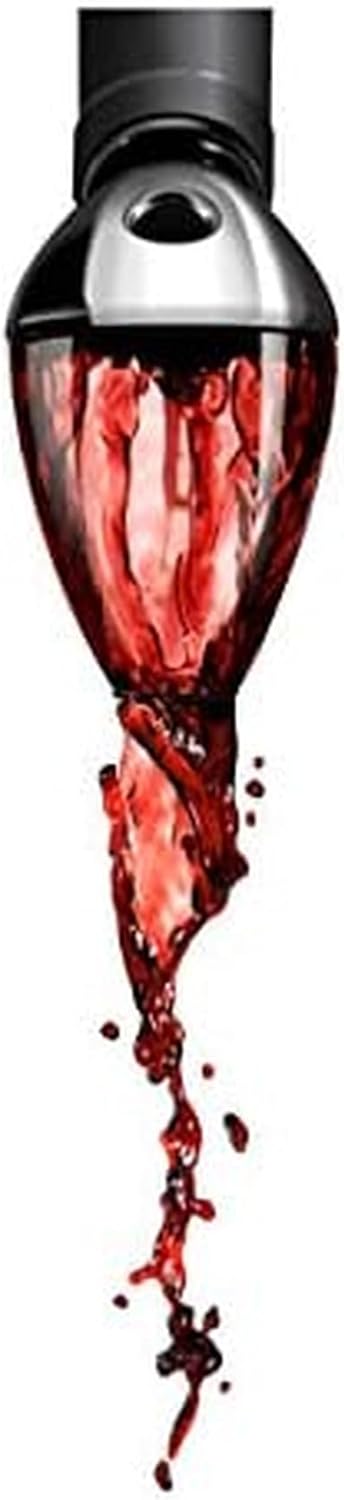
Rabbit Accelerator Wine Aerator Pourer — a highly rated pour-through aerator that delivers instant aeration with every pour
👉 Shop Wine Aerators on Amazon As an Amazon Associate, WineArmy may earn from qualifying purchases7. Does Aeration Address Any Hangover Causes? An Honest Assessment
Let’s go mechanism by mechanism through the causes identified in Section 3 and ask honestly: does aeration help?
| Hangover Cause | Primary Symptom | Does Aeration Help? | Why / Why Not |
|---|---|---|---|
| Ethanol (alcohol) | Dehydration, headache, fatigue, nausea | ❌ No | Alcohol content is unchanged by aeration. No meaningful evaporation occurs during normal aeration times. |
| Acetaldehyde (metabolic) | Nausea, flushing, rapid heartbeat | ❌ No | Liver-produced acetaldehyde from alcohol metabolism is independent of wine acetaldehyde content. Aeration barely affects the latter. |
| Acetaldehyde (in wine) | Mild — secondary contribution | ⚠️ Marginally | Some volatile acetaldehyde evaporates during aeration, but this is a trivially small fraction of total acetaldehyde exposure from drinking. |
| Histamine | Headache, congestion, flushing | ❌ No | Histamines are non-volatile, water-soluble compounds. They do not evaporate during aeration and are not destroyed by brief oxidation. |
| Tyramine | Migraine, vascular headache | ❌ No | Same as histamines — non-volatile, not affected by aeration. |
| Tannins | Headache (serotonin pathway) | ❌ No | Aeration causes tannin polymerisation (making them feel smoother) but does not remove tannins from wine. Total tannin concentration is unchanged. |
| Free sulfites (SO₂) | Respiratory symptoms (in sensitive individuals) | ✅ Partially | Free SO₂ is oxidised to sulfate during aeration — a real, documented reduction. Primarily relevant for the sulfite-sensitive minority. |
| Congeners (fusel alcohols) | General hangover severity | ⚠️ Marginally | Some higher-boiling congeners may partially volatilise with extended aeration. The practical effect during normal wine aeration is minimal. |
| Dehydration | Headache, dry mouth, fatigue | ❌ No | Aeration does not change wine’s diuretic properties. The mechanism is alcohol-driven, not compound-specific. |
The table makes the picture clear. Aeration has a genuine, documented effect on only one hangover-relevant compound: free sulfites. It has marginal, practically insignificant effects on wine acetaldehyde and some congeners. It has no effect on alcohol, histamines, tyramine, tannins, or dehydration — which together represent the large majority of what makes wine hangovers unpleasant.
8. Can Aeration Actually Reduce Sulfites? The Chemistry
Since sulfite reduction is the one area where aeration has a real, documented effect, it’s worth understanding the chemistry precisely — both to be fair to the claim and to calibrate its practical significance.
How the Reaction Works
Free SO₂ in wine exists in two forms: molecular SO₂ (the most active antimicrobial form, present at low pH) and bisulfite ions (HSO₃⁻, the dominant form at typical wine pH). When wine is exposed to oxygen, free SO₂ reacts with oxygen to form sulfate (SO₄²⁻) — a stable, inert compound that does not have the properties of sulfites and is not associated with sulfite sensitivity reactions.
This is the same chemistry that makes SO₂ such a useful preservative in winemaking — it preferentially reacts with oxygen, protecting the wine’s other components from oxidation. Aeration essentially “uses up” the wine’s free SO₂ protection by allowing it to react with the introduced oxygen.
How Much Reduction Occurs?
Studies on SO₂ reduction through aeration suggest that normal aeration through a pour-through aerator can reduce free SO₂ by 15–40%, depending on initial SO₂ levels, pour characteristics, wine temperature, and pH. Extended decanting (30–60 minutes with significant surface area exposure) can reduce free SO₂ further, potentially by 40–60% in wines with initially high free SO₂.
However, it’s important to note that even starting SO₂ levels in typical commercial wine are modest: red wines typically have 20–40 mg/L free SO₂, while whites can be 30–80 mg/L. After 30–40% reduction through aeration, a red wine might go from 30 mg/L to 18–25 mg/L of free SO₂. The threshold for sulfite sensitivity reactions in genuinely sensitive individuals is generally above 10 mg/L — so this reduction may bring some wines below symptomatic thresholds for sensitive drinkers, though many would still be above them.
The Context: Dried Fruit Comparison
A handful of dried apricots contains approximately 500–2,000 mg/kg of sulfites. A glass of red wine contains roughly 10–30 mg of total SO₂. The dried apricot comparison isn’t dismissive — it’s a calibration tool. If you eat dried fruit without respiratory symptoms, sulfite sensitivity is very unlikely to be your wine problem. If you have genuine sulfite sensitivity (asthma-associated, documented respiratory reactions), avoiding high-SO₂ wines or aerating them thoroughly may be meaningful for you specifically.

Crystal wine decanter — extended decanting for 30–60 minutes provides the most thorough aeration and maximum SO₂ reduction before serving
👉 Shop Wine Decanters on Amazon As an Amazon Associate, WineArmy may earn from qualifying purchases9. Who Might Genuinely Benefit from Aerating Wine
Despite the generally limited hangover-prevention case for aeration, there are specific profiles of wine drinker for whom aerating before drinking may provide real, if modest, benefit.
Profile 1: Confirmed Sulfite-Sensitive Individuals
If you have documented asthma that is triggered by sulfite-containing foods, or have experienced consistent respiratory reactions specifically to high-sulfite wines and foods, aerating wine before drinking is a reasonable, low-cost intervention. Choosing naturally low-SO₂ wines — many organic and biodynamic producers use minimal added sulfites — is an even more direct approach. See our guide to organic and natural wines for more on sulfite practices in low-intervention winemaking.
Profile 2: People Who Experience “Harsh” Red Wine Reactions
Some people report that tannic, young red wines cause headaches that softer, well-aerated wines do not. While aeration doesn’t remove tannins, it does cause tannin polymerisation — making them feel smoother and reducing the perceived astringency. If the serotonin-tannin mechanism is contributing to your wine headaches, reducing the apparent impact of tannins through aeration may provide some relief, even if the total tannin concentration is unchanged. This is a reasonable hypothesis, though the evidence is anecdotal rather than rigorously studied.
Profile 3: Those Drinking Young, Reductive Wines
Young wines that have been made in a reductive style (minimising oxygen contact during winemaking) often contain elevated levels of reduced sulfur compounds — hydrogen sulfide, methyl mercaptan — that contribute to harshness and can exacerbate the general unpleasantness of drinking. These compounds are volatile and do dissipate with aeration. Aerating these wines well before drinking removes these fault compounds and may produce a genuinely more comfortable drinking experience.
Profile 4: People With Low DAO Enzyme Activity
Diamine oxidase (DAO) is the enzyme that breaks down dietary histamine. A significant portion of the population has reduced DAO activity — either genetically or as a result of certain medications (including some antibiotics and antidepressants). These individuals are more susceptible to histamine-related reactions from wine. Unfortunately, aeration does nothing for histamine levels, so this is not a profile for which aeration provides benefit. The relevant intervention is choosing lower-histamine wines (younger, non-MLF whites) or taking DAO enzyme supplements before drinking.
10. Aerator vs. Decanter: Which Is More Effective for These Purposes?
If you do want to maximise whatever sulfite-reduction and volatile-compound-elimination benefits aeration offers, does it matter whether you use a pour-through aerator or a decanter?
Pour-Through Aerators
Pour-through aerators work by forcing wine through a narrow opening where it is mixed with ambient air — creating turbulence and dramatically increasing the surface area of wine exposed to oxygen for a brief moment. This provides rapid, intense aeration in seconds. The contact time is short, but the intensity of oxygen exposure is high.
For volatile compound reduction (including free SO₂), pour-through aerators are effective at the moment of pouring but provide limited total exposure. Research suggests a good pour-through aerator provides the equivalent of roughly 10–20 minutes of passive decanting in terms of oxygen exposure per volume of wine. Our full comparison of top-rated wine aerators covers the performance differences between types in detail.
Decanters
Decanters provide extended exposure of a large wine surface area to air over time. The total oxygen exposure over 30–60 minutes in a wide decanter far exceeds that of a pour-through aerator. For maximum SO₂ reduction, extended decanting is more effective than any pour-through aerator. Wide-bodied decanters with maximum surface area provide the most thorough aeration. Our guide to top-rated wine decanters includes shape comparisons and which styles maximise surface area exposure.
Electric Aerators
Electric aerators use pumps and sometimes ultrasonic technology to force wine and air together more vigorously than gravity-fed pour-through models. Some models claim to provide the equivalent of hours of decanting in minutes. In terms of SO₂ reduction and volatile compound removal, they do provide more intensive aeration than standard pour-through models. For someone specifically seeking maximum aeration before drinking, our top electric aerator picks are worth considering. However, the marginal improvement in hangover prevention they provide over simpler aeration methods is almost certainly zero — the limiting factor is not the intensity of aeration but the fact that aeration barely addresses the primary hangover mechanisms.
| Method | Aeration Speed | SO₂ Reduction | Volatile Compound Removal | Best For |
|---|---|---|---|---|
| Glass swirling | Slow — minutes | Low (~5–10%) | Low | Casual drinking, releasing aromas |
| Pour-through aerator | Instant | Moderate (15–30%) | Moderate | Quick everyday aeration |
| Electric aerator | Instant–fast | Moderate–high (20–40%) | Moderate–high | Maximum instant aeration |
| Narrow decanter (30 min) | Slow — 30+ min | Moderate (20–35%) | Moderate | Young reds, tannin softening |
| Wide decanter (60 min) | Slow — 60+ min | High (35–55%) | High | Maximum SO₂ reduction, old wine opening |
11. What Actually Reduces Wine Hangovers — The Evidence-Based List
Since aeration addresses only a small fraction of wine hangover causes, what interventions are actually supported by evidence? Here is the honest, ranked list of what makes a material difference.
1. Drink Less (The Only Guaranteed Intervention)
Every compound that contributes to wine hangovers scales with the amount consumed. Alcohol, acetaldehyde produced from it, histamines, tannins, sulfites, congeners — all of these increase proportionally with volume. There is no way around this relationship. The body of evidence on hangover prevention consistently shows that no intervention fully substitutes for drinking less.
2. Hydrate Aggressively — Before, During, and After
Dehydration is among the most direct causes of hangover headache and fatigue. Drinking a full glass of water before your first glass of wine, alternating wine with water glasses during the evening, and drinking 400–600ml of water before sleep meaningfully reduces dehydration-driven symptoms. This is simple, free, and among the highest-evidence interventions available.
3. Eat Before and During Drinking
Food — particularly fats and proteins — slows the absorption of alcohol from the stomach into the bloodstream. Slower absorption means lower peak blood alcohol concentration, slower acetaldehyde accumulation, and more time for the liver to keep pace. Drinking on an empty stomach produces faster intoxication and significantly worse hangovers for equivalent alcohol consumption.
4. Choose Lower-Alcohol, Simpler Wines
Not all wines are equal for hangover risk at equivalent consumption levels. Lower-alcohol wines (under 12% ABV) obviously deliver less total alcohol. Younger, fruitier wines tend to have lower histamine and tyramine levels than aged, complex reds. White wines and sparkling wines generally have lower biogenic amine levels than red wines. Single-varietal, cleaner-fermented wines tend to have fewer problematic congeners. Section 12 covers wine choices in more detail.
5. Pace Your Drinking
The liver clears alcohol at approximately 0.015% BAC per hour — or roughly one standard drink per hour. Drinking faster than this rate causes acetaldehyde to accumulate faster than it can be cleared. Spreading the same total alcohol consumption over more hours means lower peak acetaldehyde levels and a significantly better morning.
6. Sleep Properly
Alcohol disrupts REM sleep, even when total sleep hours are normal. The fatigue and cognitive impairment component of hangovers is significantly worsened by poor sleep quality. Going to sleep earlier, avoiding other sleep disruptors on drinking nights, and sleeping in a cool, dark environment where possible mitigates sleep-related hangover symptoms.
7. Consider DAO Enzyme Supplements (For Histamine-Sensitive Drinkers)
For individuals who consistently get wine-specific headaches and nasal symptoms — suggesting histamine sensitivity — diamine oxidase (DAO) supplements taken before drinking help break down dietary histamine in the gut before it’s absorbed. Evidence is limited but promising, and the supplements are available without prescription. This is a far more targeted intervention for histamine-driven wine reactions than aeration.
⛔ Things That Don’t Work (Despite Common Belief)
Coffee (treats fatigue but not the underlying causes, and is itself a diuretic, worsening dehydration). “Hair of the dog” — another drink — delays the hangover rather than preventing it. Aspirin before drinking (increases gastric bleeding risk from the combination with alcohol). Greasy food the morning after (has no physiological benefit beyond being comforting). And, as this article argues, wine aeration as a primary hangover-prevention strategy.
12. Wine Choices That May Reduce Hangover Risk
If you want to minimise wine-specific hangover risk without giving up wine, choosing what you drink is a higher-leverage decision than how you aerate it.
Lower-Histamine Wine Choices
Histamine levels vary significantly by wine style. As a general guide: younger wines have less time for histamine-producing bacteria to act; white and rosé wines that have not undergone malolactic fermentation have substantially lower histamine levels than reds; wines made with minimal microbial intervention (sterile-filtered, low-MLF) are lower in biogenic amines. Specifically, Sauvignon Blanc, Pinot Grigio, and many sparkling wines (Champagne, Prosecco, Cava) tend to be lower-histamine options.
Lower-Tannin Wine Choices
Lighter-bodied red wines — Pinot Noir, Gamay (Beaujolais), Grenache, Barbera — have substantially lower tannin levels than Cabernet Sauvignon, Nebbiolo (Barolo, Barbaresco), Syrah, and Malbec. For those who suspect tannins contribute to their wine headaches, lighter reds or whites are a meaningful alternative.
Natural and Organic Wines
Many natural wine producers use minimal or no added sulfites, which may reduce free SO₂ exposure for sulfite-sensitive drinkers. However, natural wines often contain higher levels of biogenic amines (histamines, tyramine) due to the intentionally minimal filtration and intervention — which may make them worse, not better, for histamine-sensitive drinkers. The picture is complicated. Our guide to organic and natural wines covers the sulfite question for these styles in detail.
Lower-ABV Wines
Wine alcohol levels have risen significantly over the past three decades due to climate trends and winemaking choices — many New World red wines now sit at 14–15.5% ABV, compared to 12–13% a generation ago. At equivalent volume consumption, this meaningfully increases total alcohol intake and hangover risk. Seeking out wines at 12–12.5% ABV — German Riesling, Mosel wines, Vinho Verde, many Loire Valley whites — provides a genuine reduction in alcohol-driven hangover severity.
💡 The Practical Strategy
For drinkers who consistently struggle with wine-specific symptoms, the highest-leverage combination is: choose lower-histamine wine styles (light whites, low-MLF), drink less total volume, hydrate before and after, eat well beforehand, and if histamine sensitivity is suspected, try DAO supplements. Aerating your wine is a perfectly reasonable thing to do — it genuinely improves the flavour and texture of many wines — but it should be the last item on your hangover-mitigation list, not the first.
13. The Full Verdict: Aeration vs. Every Hangover Cause
| Hangover Cause | How Significant | Aeration Impact | Better Intervention |
|---|---|---|---|
| Alcohol (ethanol) | 🔴 Most significant | None | Drink less, pace intake, hydrate |
| Metabolic acetaldehyde | 🔴 Very significant | None | Drink less, eat well, pace intake |
| Dehydration | 🔴 Very significant | None | Water before, during, and after |
| Histamine | 🟠 Significant for susceptible | None | DAO supplements, low-MLF wines |
| Tyramine | 🟠 Significant for migraineurs | None | Avoid aged, high-MLF reds |
| Tannins | 🟡 Moderate for some | Softens texture; doesn’t remove | Choose lighter reds or whites |
| Free sulfites (SO₂) | 🟡 Relevant for sensitive only | ✅ Partial reduction (15–55%) | Low-SO₂ wines, organic wines |
| Wine acetaldehyde | 🟢 Minor contribution | Marginal reduction | Drink fresher wines |
| Congeners | 🟢 Minor–moderate | Marginal reduction | Choose simpler, lighter wines |
| Poor sleep (alcohol-disrupted) | 🔴 Very significant | None | Drink earlier, drink less |
14. Pros & Cons: Aerating Wine with Hangover Reduction in Mind
✅ Genuine Benefits of Aeration
- Measurably reduces free SO₂ — real benefit for sulfite-sensitive drinkers
- Removes volatile fault compounds (reduced sulfur, excess CO₂) that make wine harsher
- Softens tannin perception through polymerisation — may help tannin-sensitive drinkers
- Improves the flavour and aroma of most young red wines — a clear quality-of-life benefit
- Completely free if you already own an aerator or decanter
- Takes only seconds to minutes — no real cost or inconvenience
❌ What Aeration Cannot Do
- Does not reduce alcohol content by any meaningful amount
- Does not affect histamine levels — the likely primary driver of red wine headaches
- Does not affect tyramine levels
- Does not prevent dehydration
- Does not reduce metabolic acetaldehyde from liver alcohol processing
- Can actually increase acetaldehyde in wine if aeration is excessive or prolonged
- Provides no benefit specific to hangovers for the majority of wine drinkers
Frequently Asked Questions
For most drinkers, no — not in any meaningful way. Aeration does reduce free sulfite levels in wine, which may benefit the small minority with genuine sulfite sensitivity. But the primary causes of wine hangovers — alcohol content, the metabolic acetaldehyde your liver produces, dehydration, and histamines — are entirely unaffected by aeration. If you are aerating wine specifically to prevent hangovers, the science does not support this as an effective strategy for most people. Aeration is excellent for improving wine flavour and texture, and should be done for that reason.
Partially and specifically: aeration oxidises free SO₂ into sulfate, an inert compound that doesn’t have sulfite properties. Studies suggest pour-through aeration reduces free SO₂ by 15–30%, while extended decanting (60+ minutes with wide surface area) can reduce it by 35–55%. This is a real chemical effect. However, even after significant aeration, many wines still contain free SO₂ above the threshold for sulfite-sensitive reactions. If you have genuine sulfite sensitivity, choosing naturally low-sulfite wines (organic, natural wines) or wines labelled “no added sulfites” is more effective than relying on aeration.
This is one of the most common wine questions, and the most likely explanation involves histamines and tannins rather than sulfites (white wine actually contains more added sulfites than red wine, so sulfites cannot explain a red-wine-specific reaction). Red wines contain significantly higher levels of histamine (produced during malolactic fermentation and extended skin contact) and tyramine than most whites. Histamine is a vasodilator that directly triggers headaches and nasal congestion. Red wines are also far more tannic than whites, and tannins may affect serotonin levels through a mechanism associated with migraines in susceptible individuals. If you experience red wine headaches, experimenting with DAO enzyme supplements (which help metabolise histamine) may be more useful than switching aerators.
For SO₂ reduction — the one area where aeration has a real effect — extended decanting (45–60 minutes in a wide-bodied decanter) is more effective than a pour-through aerator. The longer exposure to a larger surface area oxidises more free SO₂ and allows more volatile compounds to escape. However, the overall impact on hangover symptoms for most drinkers remains minimal regardless of which method is used, because the primary hangover mechanisms (alcohol, histamines, dehydration) are unaffected by either approach. An aerator is better for convenience; a decanter is better for maximum aeration. Neither is a meaningful hangover prevention tool.
This is a popular claim that requires nuance. Natural wines typically use less added SO₂, which may benefit sulfite-sensitive drinkers. However, natural wines often contain higher histamine and tyramine levels due to their intentionally minimal filtration, greater microbial activity, and extended skin contact — which may actually make them worse for histamine-sensitive drinkers. Additionally, natural wines are not lower in alcohol than conventional wines. The “natural wine headache” is a commonly reported phenomenon, possibly related to higher biogenic amine levels in unfiltered, less-controlled ferments. Natural wines are not reliably a hangover-reduction choice — they may be better for some and worse for others depending on the specific sensitivity.
For certain types of wine faults, yes. Aeration is effective at removing reduced sulfur compound faults (the “rotten egg,” “struck match,” or “rubber” notes sometimes found in young wines or bottles opened after extended reduction). It also softens harsh tannins in young tannic reds and releases primary fruit aromas that are initially “closed.” However, aeration cannot fix oxidised wine (wine that smells of sherry, vinegar, or flat fruit), corked wine (TCA-contaminated wine with wet cardboard or mouldy aromas), or wine that is genuinely past its drinking window. If a wine smells faulty in those ways, aeration will not rescue it.
The evidence points to: drinking less total alcohol (the single most effective intervention), drinking water throughout the evening and before sleep, eating substantial food before and during drinking, pacing your consumption to allow your liver to keep up, and choosing lower-alcohol wine styles where possible. For those who get red wine headaches specifically — suggesting histamine sensitivity — DAO enzyme supplements taken before drinking and choosing younger, lower-MLF wine styles address the mechanism more directly than any aeration approach. Aerating wine is a great idea for flavour reasons, but it should not be your primary hangover prevention strategy.
No, not in any practical sense. Ethanol is technically volatile but has a significantly lower vapour pressure than water at room temperature — it evaporates slowly. To remove even 0.5% ABV from a bottle of wine through evaporation, you would need to expose it in a very wide, shallow dish at warm temperature for many hours. No standard aeration method — aerator pourer, decanter, swirling in a glass — removes any measurable amount of alcohol. If you are aerating wine with the intention of reducing its alcohol content, you are not achieving this goal.
Electric aerators do provide more intensive aeration than gravity-fed pour-through models, which means they reduce free SO₂ somewhat more effectively. However, since SO₂ reduction is the only hangover-relevant effect of aeration, and its practical significance for most drinkers is minimal, the superior performance of electric aerators in this area doesn’t translate into meaningfully better hangover prevention. Electric aerators are worth considering if you want the best possible flavour aeration in the shortest time — but not specifically for hangover prevention. Our guide to top electric aerators covers performance differences across models.
Yes, absolutely. Histamine and tyramine sensitivity are the most significant non-alcohol, non-sulfite sensitivities associated with wine reactions. Both are biogenic amines produced during fermentation and are present in higher levels in red wines than whites. People with low diamine oxidase (DAO) enzyme activity — whether genetic or medication-induced — are more susceptible to histamine reactions. Additionally, some individuals report reactions to specific wine proteins (particularly those involved in fining), grape-specific tannin compounds, and various fermentation by-products. If you consistently have reactions to wine that seem disproportionate to the alcohol consumed, speaking with an allergist who can test for histamine intolerance, specific wine sensitivities, and grape allergies may be worthwhile.
Conclusion: Aerate for Flavour, Not as a Hangover Cure
The claim that aerating wine reduces hangovers contains a kernel of real chemistry that has been stretched well beyond what the evidence supports. Aeration genuinely reduces free sulfite levels — a real benefit for the small subset of people with documented sulfite sensitivity. It also removes some volatile fault compounds that can make wine harsher. For these specific effects, aeration is a real and useful tool.
But hangovers — including wine-specific hangovers — are driven primarily by alcohol content, the metabolic acetaldehyde your liver produces from that alcohol, dehydration, histamines from red wine fermentation, and disrupted sleep. Aeration addresses none of these primary mechanisms. If you are aerating your wine hoping to wake up feeling better, you are likely to be disappointed.
What should you do instead? Drink less. Drink water alongside and before sleep. Eat well beforehand. Pace yourself. If red wine specifically gives you headaches, suspect histamines and experiment with DAO supplements and lower-MLF wine styles. Choose lower-alcohol wines where possible. These interventions target the actual causes. Aeration is excellent for flavour — and that is an entirely sufficient reason to keep doing it.
The wine world has no shortage of myths that flatter our desire to enjoy wine without consequence. Aerating as hangover prevention is one of them. The honest approach — drinking moderately, hydrating, choosing thoughtfully — is less glamorous than a five-second aerator pour, but it is what actually works.
Find the Right Aerator or Decanter for Your Wine
Whether for flavour, aeration speed, or ease of use — browse the full range of aerators and decanters to find the right tool for your drinking style.
🛒 Shop Wine Aerators & Decanters on Amazon As an Amazon Associate, WineArmy may earn from qualifying purchases