Does Wine Help With Period Cramps? The Honest Science Behind the Belief
Reaching for a glass of wine when period cramps hit is a familiar ritual for many people. It feels instinctive — a warm glass of red, a blanket, a quiet evening. The relief seems real in the moment. And when something seems to work, the belief follows naturally.
But is there genuine science behind this experience? Does wine — or alcohol more broadly — actually reduce the pain of dysmenorrhoea (the medical term for period cramps)? Or is what feels like relief something more complicated, more conditional, or even working against you in ways you can’t feel in the moment?
This article takes the question seriously. The belief that wine helps with period cramps is not baseless — there are real biological mechanisms at work that explain why it feels like it helps. There are also real reasons why, on balance, alcohol is not a good period pain management strategy and can actively make several aspects of menstruation worse. The honest picture sits squarely in between: some short-term comfort, with meaningful longer-term costs that most people reaching for the bottle don’t know about.
We cover the full picture here — what causes cramps, what alcohol actually does in the body during menstruation, the one compound in red wine with genuinely promising research behind it, and what actually works better if pain relief is the goal.
1. The Honest Answer Up Front
As with most complex health questions, the answer is not a clean yes or no. Here is the calibrated summary before the full science:
✅ Ways Wine May Provide Short-Term Relief
Alcohol is a CNS depressant with genuine analgesic (pain-reducing) properties at moderate doses. It raises the pain threshold temporarily, reduces anxiety and tension that amplify pain perception, relaxes smooth muscle to a limited degree, and provides psychological comfort through ritual and warmth. These effects are real, if modest and short-lived.
❌ Ways Wine Can Make Things Worse
Alcohol is a potent inflammatory agent — it increases prostaglandin production in some pathways, which directly worsens cramp severity. It worsens dehydration and bloating. It disrupts sleep, which is one of the most powerful natural pain modulators. It increases oestrogen levels, which can amplify PMS symptoms and worsen flow. And any relief it provides rebounds as it wears off.
2. Why So Many People Believe It Works
Before getting into the science, it’s worth taking the belief seriously rather than dismissing it. The conviction that wine helps with period cramps is not a random folk myth — it comes from genuine, repeated personal experience that contains real biological signal. Understanding why the belief persists helps explain which parts of it are accurate.
The Relaxation Effect Is Real
Alcohol activates GABA receptors in the brain — the same receptors targeted by benzodiazepines — producing genuine muscle relaxation, reduced anxiety, and a dampening of stress responses. Psychological and muscular tension are well-documented amplifiers of pain perception. When you’re tense, in pain, and anxious, your experience of that pain is worse than when you’re relaxed. Alcohol reliably produces relaxation. The resulting reduction in experienced pain is physiologically real, even if the underlying cramp hasn’t changed.
Alcohol Does Raise the Pain Threshold
Multiple studies confirm that alcohol at moderate blood alcohol concentrations (0.05–0.08%) measurably raises pain tolerance — both the threshold at which pain is first perceived and the level at which it becomes intolerable. This is a central nervous system effect, not a placebo. For someone experiencing moderate cramping, a glass or two of wine producing a mild BAC can genuinely make the pain feel less severe in the short term.
Heat and Ritual Play a Large Role
The wine-for-cramps ritual almost always involves more than just wine. It typically includes warmth (curled up under a blanket, perhaps with a warm drink), reduced activity, dim lighting, comfort food, and a conscious transition to a gentler mode of being. Heat applied to the lower abdomen is one of the most evidence-backed interventions for period cramps. The warm wine glass held against the body, the heated room, the blanket — these all contribute genuine therapeutic benefit that has nothing to do with the alcohol itself.
Confirmation Bias and Timing
Period cramps follow a natural cycle of intensity — they tend to be most severe in the first 12–24 hours and ease naturally over time. If you reach for wine during peak pain, any reduction in pain over the next hour or two will be attributed to the wine regardless of whether the underlying cramp cycle was already ebbing. This is a textbook confirmation bias scenario, and it applies to almost every home remedy ever popularised for dysmenorrhoea.
💡 The Belief Is Based in Real Experience
The key point is that dismissing the belief entirely would be wrong. Alcohol does produce real, measurable analgesic and muscle-relaxant effects. The ritual surrounding wine consumption adds genuine therapeutic elements. The experience of relief is not imagined — it is genuinely felt. What requires nuance is whether this short-term relief comes at a cost, and whether better alternatives exist. The answer to both is yes.
3. What Actually Causes Period Cramps — The Biology
To assess any intervention for period pain, you first need to understand the mechanism causing the pain. Dysmenorrhoea — the clinical term for painful menstruation — affects an estimated 50–90% of people who menstruate, making it one of the most common pain conditions in the world. Primary dysmenorrhoea (pain without underlying pathology) is caused by a well-understood cascade of events driven by prostaglandins.
The Prostaglandin Cascade
In the days before menstruation begins, the uterine lining (endometrium) produces increasing quantities of prostaglandins — particularly prostaglandin E2 (PGE2) and prostaglandin F2α (PGF2α). These are lipid compounds with powerful effects on smooth muscle contraction and inflammation. When menstruation begins and the endometrium sheds, these prostaglandins are released in high concentrations directly into the uterine tissue.
PGF2α in particular causes intense uterine smooth muscle contractions — the cramping sensation — and also causes vasoconstriction (narrowing of blood vessels), which reduces blood flow to the uterine muscle and causes ischaemic pain (the same mechanism as muscle cramps from reduced blood supply anywhere in the body). Higher prostaglandin levels are directly correlated with more severe cramps, heavier flow, and more systemic symptoms including nausea, diarrhoea, and lower back pain.
Secondary Dysmenorrhoea
Secondary dysmenorrhoea refers to period pain caused by an underlying condition — most commonly endometriosis, uterine fibroids, adenomyosis, or pelvic inflammatory disease. In these cases, the pain mechanism is more complex and may involve chronic inflammation, nerve sensitisation, and structural changes in addition to prostaglandin excess. Secondary dysmenorrhoea typically starts later in life, worsens over time, and responds less well to standard treatments. The discussion of alcohol’s effects in this article applies primarily to primary dysmenorrhoea, though the prostaglandin-worsening effects of alcohol are relevant to both types.
Why This Matters for the Wine Question
Understanding that prostaglandins are the primary driver of primary dysmenorrhoea is essential context. The most effective pharmaceutical treatments for period cramps — NSAIDs such as ibuprofen and naproxen — work specifically by inhibiting prostaglandin synthesis. Anything that increases prostaglandin production will worsen cramps. And as Section 5 covers, alcohol has a complex and often prostaglandin-increasing effect in relevant pathways — which is one of the key reasons it is not a reliable period pain treatment despite providing short-term symptomatic relief.
4. How Alcohol Interacts With Pain Perception
Alcohol’s analgesic properties are genuine and have been studied extensively — partly because understanding them has implications for pain management, addiction medicine, and anaesthesiology. Here is how alcohol actually interacts with the body’s pain systems.
Central Nervous System Depression
Alcohol is a CNS depressant — it enhances the activity of the inhibitory neurotransmitter GABA and inhibits the excitatory neurotransmitter glutamate. This produces broad suppression of neural activity, including the neural pathways that process and amplify pain signals. At blood alcohol concentrations between 0.05% and 0.10%, this suppression produces measurable increases in pain tolerance in laboratory settings. The effect is dose-dependent: small amounts of alcohol (one to two standard drinks) raise pain threshold modestly; larger amounts raise it more but bring their own significant costs.
Endorphin Release
Alcohol stimulates the release of endogenous opioids — the body’s natural pain-killing compounds, of which endorphins are the best known. This is one mechanism by which alcohol produces its characteristic sense of euphoria and wellbeing, and it also contributes directly to its pain-reducing properties. The endorphin release from alcohol is real but short-lived, and tolerance develops quickly with regular drinking.
Muscle Relaxation
Through its GABA-enhancing mechanism, alcohol produces generalised smooth and skeletal muscle relaxation. For menstrual cramps specifically, which involve uterine smooth muscle contractions, this relaxant effect is directly relevant. Relaxed smooth muscle contracts less forcefully. However, this effect is modest at the amounts most people drink, and — crucially — it does not address the underlying prostaglandin-driven cause of those contractions.
The Rebound Problem
Every analgesic effect of alcohol is followed by a rebound as blood alcohol concentration falls. GABA suppression rebounds as glutamate activity increases. Endorphin release subsides. Muscle relaxation reverses. Pain perception, which was muted, often rebounds to a level at or above the baseline when the alcohol wears off. This is one reason why using alcohol as a pain management tool tends to lead to increasing consumption — the relief is real but temporary, and the rebound creates pressure to drink more to maintain it.
⚠️ The Analgesic Effect Has a Ceiling — and a Floor
At low doses (one drink), alcohol’s pain-relieving effect is modest. At moderate doses (two to three drinks), it is more noticeable. At high doses, pain perception is significantly blunted — but this comes with impaired coordination, impaired judgement, disrupted sleep, worsened inflammation, and the prostaglandin-increasing effects detailed in the next section. The therapeutic window for alcohol as a pain reliever is narrow, and for period cramps specifically, the negative effects at moderate-to-high doses are likely to outweigh the analgesic benefits for many people.
5. Alcohol and Prostaglandins: The Critical Mechanism
This is the section that most wine-and-cramps discussions skip over entirely — and it is arguably the most important for understanding why alcohol is a problematic choice specifically for menstrual pain, as opposed to other types of pain.
Alcohol Promotes Prostaglandin Production
Alcohol metabolism generates reactive oxygen species (free radicals) and activates the enzyme cyclooxygenase-2 (COX-2) — the same enzyme that produces prostaglandins, and the same enzyme that NSAIDs like ibuprofen specifically inhibit. In other words, while ibuprofen works by blocking the prostaglandin-production pathway, alcohol actively stimulates it. At the systemic level, moderate-to-heavy alcohol consumption is associated with elevated prostaglandin levels — particularly PGE2, a key inflammatory prostaglandin.
For someone whose period cramps are driven by high prostaglandin levels, drinking wine is, from a pharmacological standpoint, applying a mild anaesthetic while simultaneously adding fuel to the fire. The pain threshold is raised modestly, but the underlying inflammatory drive is being increased at the same time.
The Oestrogen–Alcohol Connection
Alcohol raises circulating oestrogen levels by inhibiting the enzymes responsible for oestrogen breakdown in the liver. Elevated oestrogen is associated with heavier menstrual flow, worsened premenstrual symptoms, and — through its role in stimulating endometrial growth — potentially more severe cramping in the cycle following heavy drinking. For people with oestrogen-sensitive conditions including endometriosis and uterine fibroids, alcohol’s oestrogen-raising effect is particularly significant.
Alcohol Worsens Inflammation Systemically
Menstruation involves a controlled inflammatory process — the prostaglandin cascade is itself a form of localised inflammation. Alcohol’s systemic pro-inflammatory effects (elevated cytokine levels, increased intestinal permeability allowing bacterial translocation, direct inflammatory effects on multiple organ systems) add to this inflammatory load. For people who already experience significant systemic symptoms during menstruation — nausea, diarrhoea, lower back pain, fatigue — this additional inflammatory burden can noticeably worsen those symptoms even if the cramping itself feels somewhat muted by alcohol’s analgesic effect.
6. Does Wine Actually Relieve Cramps? What the Evidence Shows
Direct clinical research specifically on wine and dysmenorrhoea is limited — this is a topic that has not attracted the research funding that other pain conditions have. Most of what we know comes from combining research on alcohol’s analgesic properties, alcohol’s effects on prostaglandins and oestrogen, and the broader literature on dietary and lifestyle factors in dysmenorrhoea severity.
What the Research on Alcohol and Pain Shows
A systematic review published in the Journal of Pain assessed the analgesic effects of alcohol across multiple pain types and found consistent evidence that alcohol at blood alcohol concentrations of approximately 0.08% produces clinically meaningful reductions in pain intensity — comparable in effect size to a standard dose of paracetamol. This is a real and non-trivial effect. For someone with moderate period cramps, one to two standard drinks producing a mild BAC could genuinely reduce pain perception by an amount similar to a paracetamol tablet.
However, the same research notes that the mechanism is entirely CNS-mediated — it does not address the underlying cause of any pain type, including menstrual pain. It is analgesic, not therapeutic. And for prostaglandin-driven pain specifically, the simultaneous prostaglandin-stimulating effect of alcohol means the underlying pain driver is being increased even as the perception of pain is being modulated.
Observational Studies on Alcohol and Dysmenorrhoea
Several large observational studies have examined the relationship between alcohol consumption and dysmenorrhoea severity. The findings are mixed, which is itself informative. Some studies find no significant association between moderate alcohol use and cramp severity. Others find that heavier alcohol consumption is associated with more severe dysmenorrhoea — consistent with the prostaglandin and oestrogen mechanisms. A few find modest protective associations, particularly associated with the antioxidant compounds in red wine rather than alcohol itself.
The most methodologically rigorous studies generally conclude that alcohol does not reduce dysmenorrhoea severity and may worsen it at higher consumption levels. The short-term analgesic effect is real but does not translate to a reduction in overall pain burden across a full menstrual cycle or even a full evening.
The Placebo and Context Effect
Placebo effects in pain research are among the largest of any medical condition — pain is particularly responsive to expectation, ritual, and context. The belief that wine helps with cramps, combined with the ritual of preparing a glass, settling into a comfortable position, and giving yourself permission to rest, activates placebo mechanisms that genuinely reduce pain. This is not dismissible — placebo analgesia is real analgesia, mediated by endogenous opioid release. The ritual of the wine may contribute as much to symptom relief as the wine itself.

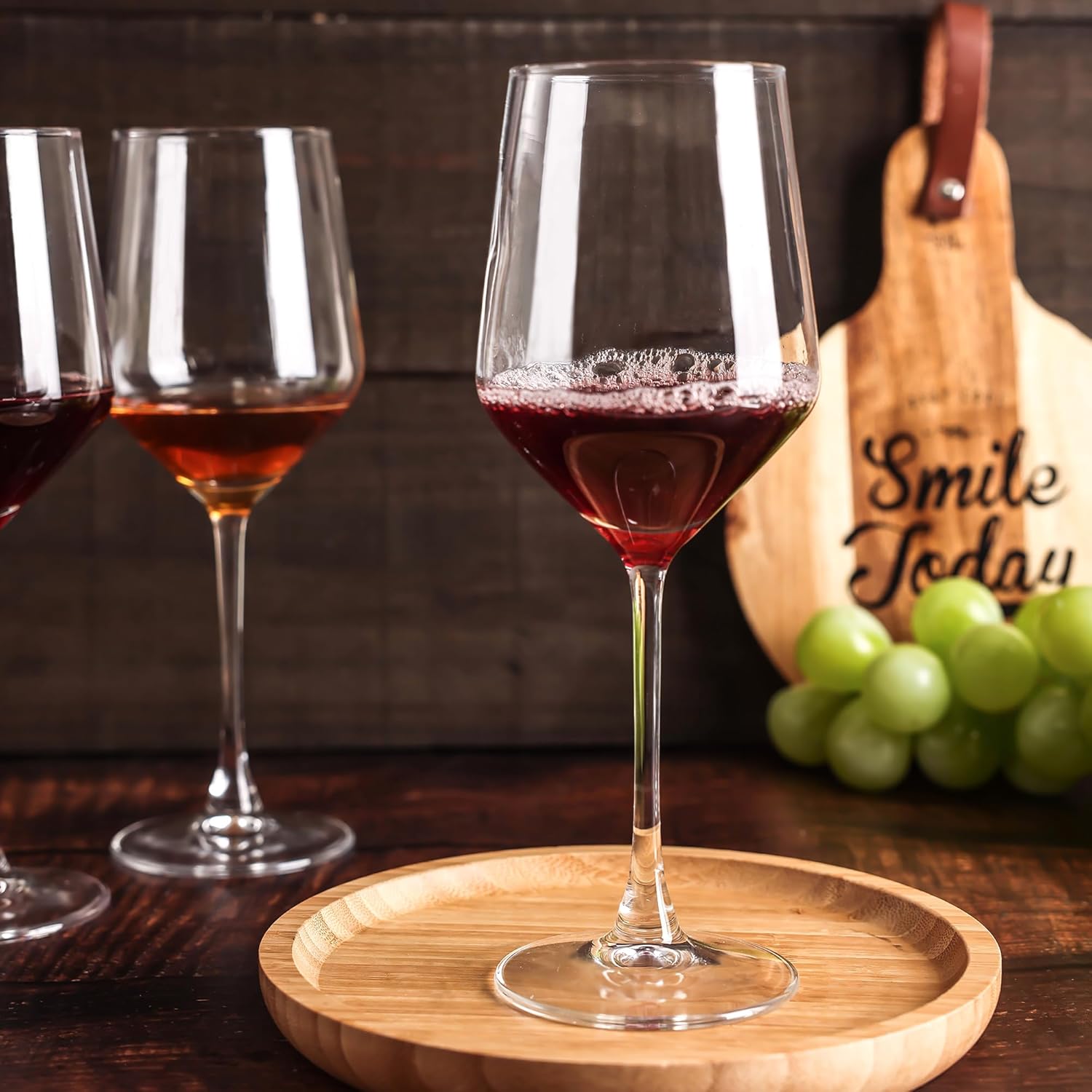
RIEDEL Winewings Pinot Noir Glass — if you do choose to drink during your period, a well-chosen glass genuinely enhances the experience and makes a smaller pour feel more luxurious
👉 Shop Wine Glasses on Amazon As an Amazon Associate, WineArmy may earn from qualifying purchases7. Where Wine Can Make Period Symptoms Worse
Beyond the prostaglandin mechanism, alcohol affects several other aspects of menstruation in ways that compound discomfort. These effects are less well-known but well-documented.
Worsened Bloating and Water Retention
Bloating and water retention are among the most common premenstrual and menstrual symptoms, driven by hormonal shifts in the days before and during the period. Alcohol worsens both. It disrupts the renin-angiotensin-aldosterone system that regulates fluid retention, temporarily causes dehydration (from its diuretic effect), and then promotes rebound water retention as the body compensates. For someone already experiencing hormonal water retention and abdominal bloating, alcohol adds to this burden noticeably.
Disrupted Sleep
Sleep is one of the most powerful natural pain modulators available — sleep deprivation measurably increases pain sensitivity, and poor sleep quality during menstruation is a significant predictor of next-day pain severity. Alcohol disrupts sleep architecture in a well-documented way: it increases slow-wave sleep in the first half of the night and suppresses REM sleep throughout, leading to non-restorative, fragmented sleep in the second half of the night. Drinking wine to ease into sleep before a painful night may feel like a good strategy but results in worse sleep quality — and consequently worse pain the following morning.
Worsened Nausea and GI Symptoms
Nausea, diarrhoea, and gastrointestinal discomfort are common menstrual symptoms for people with high prostaglandin levels — the same prostaglandins that cause uterine contractions also cause smooth muscle contractions in the intestines. Alcohol is itself a gastric irritant and promotes intestinal motility. For someone already experiencing menstrual GI symptoms, alcohol reliably worsens them.
Heavier Flow
Alcohol is a vasodilator — it widens blood vessels. Combined with its antiplatelet properties (it mildly inhibits blood clotting), drinking during menstruation can increase menstrual flow volume. For people with already-heavy periods, this is a meaningful consideration. Heavier flow is also associated with more severe cramping, creating a compounding effect.
Mood and Anxiety
Premenstrual and menstrual phases involve significant hormonal shifts that affect mood, anxiety, and emotional regulation in many people. Alcohol initially reduces anxiety through its GABA-enhancing mechanism but produces rebound anxiety as it wears off — the well-documented “hangxiety” effect. For someone whose hormonal cycle already involves mood vulnerability, alcohol’s rebound anxiety can significantly worsen mood in the hours following drinking, particularly the next morning.
⛔ Particularly Worth Noting for Endometriosis
For people with endometriosis — where period pain is driven by a chronic inflammatory and oestrogen-sensitive condition — alcohol is especially counterproductive. Alcohol’s oestrogen-raising effect directly stimulates endometrial tissue growth. Its pro-inflammatory effects worsen the chronic inflammation central to endometriosis. Several studies have found a significant association between regular alcohol consumption and endometriosis severity and risk. If you have endometriosis, using alcohol for pain management is likely actively worsening the underlying condition.
8. Red Wine vs. White Wine: Does the Type Matter?
If you are going to drink during your period, does it matter whether you choose red or white? The answer is yes — though not in the way most marketing would suggest.
Alcohol Content First
The alcohol content of wine varies significantly — from around 8–9% ABV in lighter German Rieslings and Vinho Verde to 15–16% in some California Cabernets and Australian Shiraz. For all of the alcohol-related effects discussed in this article, total alcohol consumed is the primary variable. A smaller glass of a higher-ABV wine and a larger glass of a lower-ABV wine can deliver very different amounts of alcohol despite looking similar. Choosing lower-ABV wine styles if you drink during menstruation reduces alcohol-related inflammatory and prostaglandin effects proportionally.
Red Wine’s Polyphenols
Red wine contains significantly higher concentrations of polyphenolic compounds than white wine — particularly resveratrol, quercetin, and anthocyanins — due to the extended skin contact during red wine fermentation. These polyphenols have genuine anti-inflammatory properties, with resveratrol being the most studied in relation to dysmenorrhoea. Section 9 covers resveratrol in detail, but the short version is: the anti-inflammatory polyphenols in red wine work in the opposite direction to alcohol’s pro-inflammatory effects. Red wine is simultaneously delivering anti-inflammatory compounds and pro-inflammatory alcohol — a mixed picture that makes it neither clearly better nor clearly worse than white wine overall.
Tannins and GI Effects
Red wine’s tannins can worsen gastrointestinal discomfort — particularly constipation in some people and general GI irritation in others. For someone already experiencing GI symptoms from prostaglandin activity during menstruation, heavy tannin exposure may add to that discomfort. Lighter-bodied reds (Pinot Noir, Gamay) or whites may be easier on the digestive system during this time. Our guide on what tannins are and how they affect you covers this in more detail.
Histamines and Period Symptoms
As covered in our aerating wine article, red wines contain significantly higher histamine levels than white wines due to malolactic fermentation and skin contact. Histamine is itself a vasodilator and inflammatory mediator that can worsen headaches and flushing — symptoms that already occur in many people during menstruation due to prostaglandin-driven vasodilation. For people prone to wine headaches or histamine sensitivity, red wine may worsen menstrual headaches even if it provides some relief from cramping.
🍷 If You’re Going to Drink During Your Period
The relative choice that makes the most physiological sense is: a smaller pour of a lower-ABV, lower-tannin, lighter-style red (for polyphenol benefits with less alcohol) or a dry white (for lower histamines and simpler composition). Avoid heavy, high-ABV tannic reds on your most symptomatic days. Our guide to affordable wine picks for 2026 includes a range of lighter, lower-ABV styles worth exploring.
9. Resveratrol: The Compound in Red Wine With Real Scientific Promise
This section is where the story gets genuinely interesting — and where the wine-for-cramps belief has its strongest scientific foundation, though not quite in the way the belief is usually framed.
What Is Resveratrol?
Resveratrol is a polyphenolic stilbenoid produced by grapes (and some other plants) as a defence against fungal attack and UV radiation. It is present in the skin and seeds of red grapes and is therefore concentrated in red wine — particularly in wines from cooler, wetter climates where grape disease pressure is higher, such as Pinot Noir from Burgundy, Merlot from Bordeaux, and wines from the Loire Valley.
Resveratrol has attracted enormous scientific interest over the past two decades for a wide range of potential health effects — cardiovascular protection, anti-cancer properties, anti-ageing mechanisms, and anti-inflammatory action. The anti-inflammatory research is directly relevant to dysmenorrhoea.
Resveratrol and Prostaglandins
Multiple in vitro and animal studies, and a small number of human trials, have examined resveratrol’s effect on prostaglandin synthesis. The findings are consistently interesting: resveratrol inhibits COX-2 activity — the same enzyme pathway that NSAIDs target — reducing prostaglandin production. In the context of dysmenorrhoea, this is directly therapeutic. A compound that reduces PGF2α production would directly reduce the uterine contractions and vasoconstriction that cause cramps.
A clinical study published in the Journal of the International Federation of Gynecology and Obstetrics found that resveratrol supplementation significantly reduced dysmenorrhoea severity compared to placebo over three menstrual cycles. Participants taking resveratrol required fewer NSAIDs for pain management, and pain scores were measurably lower. This is one of the more compelling pieces of direct evidence for any dietary compound in dysmenorrhoea management.
The Critical Caveat: Dose
Here is the fundamental problem with translating resveratrol research into a justification for drinking red wine: the doses used in research are far higher than anything achievable through wine consumption. Clinical studies typically use 150–500mg of resveratrol per day. A standard 150ml glass of red wine contains approximately 0.3–2mg of resveratrol — meaning you would need to drink somewhere between 75 and 1,500 glasses of wine to achieve a clinically relevant dose. No amount of red wine you could realistically drink provides therapeutic resveratrol doses.
Resveratrol supplements — which deliver the compound without the alcohol — are available and are a far more rational approach to accessing resveratrol’s potential benefits if you are interested in exploring them. The research on supplemental resveratrol for dysmenorrhoea is promising, though still early-stage.

Coravin Wine Preservation System — pour a single glass from your favourite bottle without opening it fully, so the rest keeps perfectly for another day
👉 Shop Wine Preservation on Amazon As an Amazon Associate, WineArmy may earn from qualifying purchases10. How Alcohol Affects the Menstrual Cycle More Broadly
The effects of alcohol during menstruation extend beyond the immediate experience of cramps. Regular or heavy drinking affects the hormonal cycle in ways that have downstream consequences for menstrual health.
Oestrogen and Progesterone Dysregulation
Alcohol disrupts the hypothalamic-pituitary-gonadal (HPG) axis — the hormonal signalling cascade that regulates ovulation and menstrual cycling. Regular alcohol consumption raises oestrogen levels (by inhibiting hepatic oestrogen metabolism) and may suppress progesterone production. The resulting oestrogen-to-progesterone imbalance is associated with heavier periods, more severe PMS, irregular cycles, and worsened premenstrual dysphoric disorder (PMDD) in susceptible individuals.
Impact on PMS Severity
Several studies have found that regular alcohol consumption is associated with higher risk and greater severity of premenstrual syndrome (PMS). A meta-analysis examining alcohol use and PMS found that heavy drinkers had approximately a 45% higher risk of severe PMS than non-drinkers, even after adjusting for other lifestyle factors. The mechanism involves oestrogen elevation, disrupted serotonin signalling (both alcohol and oestrogen affect serotonin), and the general inflammatory burden of regular drinking.
Cycle Regularity
Heavy alcohol use is associated with menstrual cycle irregularities — shorter or longer cycles, anovulatory cycles (cycles where ovulation does not occur), and in extreme cases, alcohol-induced amenorrhoea (cessation of menstruation). These effects are dose-dependent and reverse with reduced consumption. Moderate drinking is unlikely to cause significant cycle irregularity in most people, but the direction of effect is consistently negative.
Luteal Phase Effects
Research suggests that people may be more sensitive to alcohol’s effects during the luteal phase (the second half of the cycle, after ovulation, including the premenstrual period). Blood alcohol concentration rises faster and reaches higher levels with equivalent alcohol intake during the luteal phase compared to the follicular phase, possibly due to progesterone’s interaction with alcohol metabolism enzymes. This means that drinking during the premenstrual and menstrual window may have stronger effects — both analgesic and harmful — than drinking at other points in the cycle.
11. The Real Comfort Factor: Ritual, Warmth, and Psychological Relief
It would be reductive to analyse wine’s role in period management purely through a pharmacological lens and ignore what is clearly also happening — the comfort, the ritual, the permission to slow down. These are not trivial or imaginary effects. They are measurable, meaningful, and worth understanding on their own terms.
Warmth as Medicine
Heat therapy for dysmenorrhoea has been studied and validated in clinical trials. A well-designed study found that continuous low-level heat (about 38–40°C applied to the lower abdomen) was as effective as ibuprofen for primary dysmenorrhoea pain relief — not slightly less effective, but equivalent. The mechanism involves heat-activated ion channels (TRPV1) that block pain signals, and heat-induced vasodilation that improves uterine blood flow and reduces ischaemia. The warmth of holding a wine glass, being wrapped in a blanket, and sitting in a warm room contributes genuine analgesic benefit that is often unconsciously attributed to the wine.
Rest and Reduced Activity
The decision to pour a glass of wine and rest is often also a decision to stop pushing through a busy day and give the body permission to recover. Reduced physical stress and genuine rest lower cortisol levels and reduce the sympathetic nervous system activation that amplifies pain perception. This is therapeutic independently of any pharmacological effect from the wine.
Psychological Relief and Endorphin Release
Pleasurable experiences — enjoying a favourite wine, a comfortable environment, perhaps music or a film you enjoy — trigger endogenous opioid release. This is not metaphorical: pleasure activates the same neural reward pathways as opioid medications, producing real pain reduction. The experience of enjoying wine in a comfortable setting genuinely reduces pain through this mechanism — and this effect would exist even if you replaced the wine with an equally enjoyable non-alcoholic alternative.
💡 The Lesson from the Ritual
The wine-for-cramps ritual works partly because of alcohol, but significantly because of everything that surrounds it — warmth, rest, pleasure, and self-permission. This is genuinely useful information, because it means you can get most of the benefit while removing alcohol’s costs: a warm non-alcoholic drink in a favourite mug, a heating pad on the lower abdomen, your favourite film, and deliberate rest provides most of what the wine ritual delivers — without the prostaglandin stimulation, oestrogen elevation, or sleep disruption.
12. What Actually Helps Period Cramps — The Evidence-Based Alternatives
If wine is not the best answer, what is? Here is a practical, evidence-ranked guide to interventions that genuinely address dysmenorrhoea through the underlying mechanisms.
💊 NSAIDs (Ibuprofen, Naproxen)
The highest-evidence intervention for primary dysmenorrhoea. NSAIDs directly inhibit COX-1 and COX-2 — the enzymes that produce prostaglandins. They treat the cause, not the symptoms. Naproxen has a longer half-life than ibuprofen and may be more effective for menstrual pain specifically. Starting 1–2 days before expected cramp onset maximises effectiveness. If you can only choose one intervention, NSAIDs are by far the most evidence-backed option.
🌡️ Heat Therapy
Clinical trials show continuous low-level heat applied to the lower abdomen matches ibuprofen for pain relief in primary dysmenorrhoea. Heat pads, hot water bottles, and heated patches all work. Apply at 38–40°C continuously for maximum effect. The warm wine glass held against the abdomen is tapping into this — the heat pad is a more direct, sustained, and side-effect-free version of the same mechanism.
🏃 Exercise (Light to Moderate)
Multiple RCTs demonstrate that aerobic exercise during menstruation reduces pain severity. Exercise triggers endorphin release, reduces prostaglandin levels through anti-inflammatory pathways, and improves pelvic blood flow. Even a 30-minute walk has measurable effects. Counter-intuitive when cramping, but consistently validated in the literature.
🐟 Omega-3 Fatty Acids
EPA and DHA (found in fatty fish and fish oil supplements) compete with arachidonic acid — the precursor to pro-inflammatory prostaglandins — and shift prostaglandin production toward less inflammatory variants. Several RCTs have found fish oil supplementation meaningfully reduces dysmenorrhoea severity. Taking fish oil throughout the cycle rather than only during menstruation maximises the effect.
🧘 TENS (Transcutaneous Electrical Nerve Stimulation)
High-frequency TENS applied to the lower abdomen has good clinical trial evidence for primary dysmenorrhoea relief. It works through the gate control theory of pain — electrical stimulation interferes with pain signal transmission. Consumer TENS devices are inexpensive and available without prescription. A consistently underused option that provides genuine relief without systemic effects.
🌿 Magnesium
Magnesium is a natural smooth muscle relaxant and mild COX inhibitor. RCTs have shown magnesium supplementation reduces dysmenorrhoea severity, particularly for cramps with a strong smooth-muscle-spasm component. Many people are mildly magnesium deficient. Magnesium glycinate or citrate taken daily in the week before menstruation and during is the typical protocol used in trials.
Hormonal Contraception
For people with severe primary dysmenorrhoea not adequately controlled by other interventions, hormonal contraception — combined oral contraceptives, hormonal IUDs — is the most effective long-term management option. By suppressing ovulation and thinning the endometrium, hormonal contraception dramatically reduces prostaglandin production and associated cramping. This is a medical conversation to have with a healthcare provider, but it is worth including in any comprehensive discussion of period cramp management.
Dietary Approaches
Evidence-based dietary interventions for dysmenorrhoea include: reducing arachidonic acid intake (found in red meat, dairy, and processed foods) to decrease prostaglandin precursor availability; increasing anti-inflammatory foods (fatty fish, berries, leafy greens, olive oil); ensuring adequate vitamin D status (low vitamin D is associated with more severe dysmenorrhoea); and reducing caffeine, which is a vasoconstrictor that may worsen cramping in some individuals.
If you’re considering a glass of wine as part of your evening ritual during your period, pairing it thoughtfully with food matters too. Our guide on how to pair wine with food can help you build a meal that supports rather than undermines how you feel.
13. If You Do Drink During Your Period: How to Minimise the Downsides
Nothing in this article is intended to tell you that you shouldn’t drink during your period. That is a personal choice, and for many people the combination of modest analgesic effect, ritual comfort, and genuine enjoyment represents a reasonable trade-off on mild-to-moderate cramping days. But if you are going to drink, there are ways to do it that minimise the negative effects.
Drink Less, Not More
All of the negative effects of alcohol on dysmenorrhoea — prostaglandin stimulation, oestrogen elevation, sleep disruption, worsened bloating — scale with total alcohol consumed. One glass of wine delivers most of the analgesic and comfort benefit while keeping the prostaglandin and inflammatory effects modest. Two to three glasses significantly increases all the negative mechanisms without proportionally increasing the analgesic benefit (which plateaus at low-to-moderate BAC).
Choose Lower-ABV Styles
A 12% ABV Pinot Noir delivers roughly 20–25% less alcohol per glass than a 15% ABV California Cabernet Sauvignon. Over an evening, this is a meaningful difference in terms of prostaglandin stimulation, oestrogen effects, and sleep disruption. Lighter-style wines — Pinot Noir, Gamay, German Spätburgunder, Loire Valley reds — tend to be lower in alcohol and are also lower in tannins. Our affordable wine picks guide includes excellent lower-ABV options across all styles.
Hydrate Alongside
Period-related bloating and water retention are already making the hormonal phase uncomfortable. Alcohol’s diuretic effect followed by rebound water retention adds to this. Drinking a full glass of water per glass of wine, and drinking a large glass of water before bed, meaningfully reduces the dehydration-driven worsening of next-day symptoms.
Don’t Replace NSAIDs With Wine
The most important harm-reduction message: if you normally take ibuprofen or naproxen for period cramps, wine does not substitute for it. Wine’s prostaglandin-stimulating effects work against the very mechanism NSAIDs are exploiting. If you want the analgesic benefit, take the NSAID. If you also want the comfort of a glass of wine, that is a separate decision — but do not skip the more effective treatment in favour of the less effective one.
Time It Well
If you are going to drink, earlier in the evening is better than later. Drinking early leaves more time for alcohol to clear your system before sleep, reducing sleep disruption. Finishing alcohol two to three hours before bedtime significantly improves sleep architecture compared to drinking close to sleep.
Consider Alcohol-Free Wine
The non-alcoholic wine category has improved dramatically in quality over the past few years. Dealcoholised red wines retain polyphenols including resveratrol while removing the alcohol — delivering the ritual, the taste, the warmth, and the antioxidant compounds without the prostaglandin-stimulating, oestrogen-raising, sleep-disrupting effects of alcohol. For someone who finds the ritual of wine genuinely comforting during their period, alcohol-free wine is worth serious consideration. Our guide on best wine stoppers is useful if you open a bottle and want to preserve the rest carefully — relevant whether the wine is alcoholic or not.
14. The Full Verdict: Wine Against Every Period Symptom
| Period Symptom | Does Wine Help? | Does Wine Make It Worse? | Better Alternative |
|---|---|---|---|
| Uterine cramping (mild) | ✅ Modestly — analgesic + muscle relaxant effect | ⚠️ Prostaglandin stimulation may rebound cramps | Ibuprofen/naproxen, heat therapy |
| Uterine cramping (severe) | ❌ Insufficient relief for severe pain | ✅ Yes — prostaglandin and oestrogen effects | NSAIDs, hormonal management, TENS |
| Lower back pain | ✅ Modest — general analgesic effect | ⚠️ Worsened inflammation may deepen pain | Heat, NSAIDs, light exercise |
| Headache | ❌ No — vasodilatory effect may worsen | ✅ Yes — histamines, vasodilation, dehydration | Hydration, paracetamol, rest |
| Nausea | ❌ No | ✅ Yes — gastric irritant | Ginger tea, small frequent meals, rest |
| Bloating | ❌ No | ✅ Yes — rebound water retention | Reduced sodium, magnesium, hydration |
| Mood / anxiety | ✅ Short-term — GABA activation reduces anxiety | ✅ Rebound anxiety as alcohol wears off | Exercise, magnesium, sleep, therapy |
| Fatigue | ❌ No | ✅ Yes — disrupts sleep architecture | Sleep prioritisation, iron (if deficient) |
| Heavy flow | ❌ No | ✅ Yes — vasodilation and antiplatelet effects | NSAIDs (reduce flow volume), tranexamic acid |
| GI symptoms (diarrhoea) | ❌ No | ✅ Yes — increases intestinal motility | Low-FODMAP foods, rest, hydration |
| Tension / stress | ✅ Yes — genuine relaxation effect | ⚠️ Rebound anxiety possible | Warm bath, meditation, gentle yoga |
15. Pros & Cons: Wine for Period Cramps
✅ Genuine Ways Wine May Help
- Real, measurable analgesic effect at modest BAC — comparable to paracetamol in studies
- Genuine muscle relaxation through GABA mechanism
- Endorphin release contributes to pain reduction and mood improvement
- Anxiety and tension reduction lowers perceived pain intensity
- The ritual provides comfort, warmth, and permission to rest — all independently therapeutic
- Red wine’s resveratrol has COX-inhibiting properties (though at sub-therapeutic doses in wine)
- May make mild cramps on day 2–3 more manageable in conjunction with other interventions
❌ Genuine Ways Wine May Worsen Things
- Stimulates COX-2 and prostaglandin production — worsening the primary cramp driver
- Raises oestrogen levels, potentially worsening flow and PMS
- Worsens bloating and water retention
- Disrupts sleep — one of the most important natural pain modulators
- Vasodilation can worsen menstrual headaches
- Gastric irritation worsens nausea and GI symptoms
- May increase menstrual flow volume
- Rebound anxiety worsens mood after alcohol wears off
- For endometriosis: actively stimulates the underlying condition
- Does not substitute for effective pharmaceutical or non-pharmacological treatments
Frequently Asked Questions
Yes and no — and the nuance matters. Alcohol genuinely raises the pain threshold through CNS depression and endorphin release, producing real, measurable analgesic effects comparable to a dose of paracetamol at moderate blood alcohol concentrations. The ritual of wine also adds warmth, rest, and comfort that are independently therapeutic. So the experience of relief is real. However, alcohol simultaneously stimulates prostaglandin production (the primary driver of cramps), worsens bloating and sleep quality, and for people with endometriosis, actively worsens the underlying condition. For mild cramps, one glass may provide net benefit; for moderate to severe cramps, NSAIDs and heat are meaningfully more effective and have none of the counterproductive effects.
Yes, it can — particularly at higher amounts and particularly for people with already-severe cramps. Alcohol activates COX-2, the enzyme that produces prostaglandins — the compounds directly responsible for uterine cramping. It also raises oestrogen levels, which can worsen flow and overall cycle symptoms. Many people notice that wine provides initial relief and then cramps feel worse later in the evening or the following morning. This is a pharmacologically predictable pattern: the short-acting analgesic wears off while the prostaglandin-stimulating effect persists. Two or more glasses of wine is likely to produce net worsening of cramp severity for many people with significant dysmenorrhoea.
Red wine contains resveratrol and other polyphenols with genuine anti-inflammatory, COX-inhibiting properties — which are directly relevant to dysmenorrhoea. However, the amounts of resveratrol in a glass of wine are far below the clinically effective doses used in research (typically 150–500mg versus roughly 0.3–2mg per glass). Red wine also contains more histamines and tannins than white wine, which can worsen menstrual headaches and GI symptoms. On balance, the type of wine matters less than the amount — keeping total alcohol consumption low is more important than choosing red over white. If choosing between the two, a lighter-bodied, lower-ABV red (Pinot Noir, Gamay) or a crisp dry white may be easiest on the system during menstruation.
Several real biological mechanisms explain this. Alcohol enhances GABA activity in the brain, reducing anxiety and tension that amplify pain. It triggers endorphin release, the body’s natural painkillers. It raises the pain threshold measurably at moderate blood alcohol concentrations. And the ritual of wine — warmth, rest, comfort — adds independently therapeutic elements: heat (a clinically validated cramp treatment), reduction in stress hormones, and placebo-mediated endorphin release from a pleasurable experience. The feeling of relief is genuine; the question is whether it represents the best available option and whether it comes with a later cost — which, for many people at more than one drink, it does.
Combining alcohol with ibuprofen (and other NSAIDs) increases the risk of gastrointestinal bleeding and stomach irritation. Both alcohol and NSAIDs irritate the gastric lining, and together this effect is additive. Occasional light drinking (one glass) combined with a standard ibuprofen dose is unlikely to cause serious harm in a healthy person, but it is not recommended, particularly for regular use. If you are taking NSAIDs for period cramp management across several days per cycle, avoiding or significantly limiting alcohol during that time is the safer approach. Paracetamol (acetaminophen) has a different concern — combining it with alcohol stresses the liver — so there is no NSAID that is freely safe to combine with significant alcohol consumption.
Yes, it can. Alcohol has mild antiplatelet (blood-thinning) properties and causes vasodilation — both of which can increase menstrual flow volume. Alcohol also raises oestrogen levels by inhibiting hepatic oestrogen metabolism; elevated oestrogen stimulates endometrial growth and is associated with heavier periods over time. For people who already have heavy periods, drinking during menstruation may worsen flow. For people with endometriosis, fibroids, or other conditions associated with heavy bleeding, this effect is particularly worth noting.
Several non-alcoholic drinks have better evidence for period cramp relief than wine. Ginger tea has multiple RCTs supporting its effectiveness for dysmenorrhoea — ginger inhibits prostaglandin synthesis similarly to NSAIDs, and 250mg of ginger extract (about a thumb-sized piece of fresh ginger steeped in hot water) has been shown to reduce pain scores comparably to ibuprofen in some trials. Chamomile tea has mild antispasmodic and anti-inflammatory properties. Any warm drink provides heat delivery to the core which aids in vasodilation and muscle relaxation. If the ritual of a warm, comforting drink is part of what helps, a warm ginger or chamomile tea is likely more effective than wine and has none of the counterproductive effects.
Regular or heavy alcohol use can disrupt menstrual cycle regularity. Alcohol disrupts the hypothalamic-pituitary-gonadal axis — the hormonal signalling pathway that regulates ovulation and menstruation. Effects include irregular cycle length, anovulatory cycles (where ovulation doesn’t occur), and in cases of heavy chronic drinking, amenorrhoea (cessation of menstruation). These effects are dose-dependent and generally reverse with reduced consumption. Moderate, occasional drinking is unlikely to cause significant cycle irregularity in most people, but the direction of effect is consistently negative and scales with amount consumed.
Resveratrol itself has genuine, research-backed anti-prostaglandin properties — it inhibits COX-2 and has been shown in clinical trials to reduce dysmenorrhoea severity. This is legitimately interesting science. The problem is that the amounts of resveratrol in red wine are far too small to have this effect — clinical studies use 150–500mg per day, while a glass of red wine contains roughly 0.3–2mg. You cannot consume enough wine to get a therapeutic resveratrol dose without consuming far more alcohol than any health benefit could justify. Resveratrol supplements deliver the compound at therapeutic doses without alcohol and are a more rational approach if you want to explore this avenue.
For most people with mild-to-moderate dysmenorrhoea, a single glass of wine is unlikely to cause significant harm and may provide genuine short-term comfort. The evidence for complete avoidance is strongest for: people with endometriosis (where alcohol worsens the underlying condition); people with heavy flow (where alcohol may increase it further); people with severe cramping (where more effective treatments exist and alcohol’s prostaglandin effect is counterproductive); and people who find that wine reliably worsens their symptoms rather than providing net comfort. If you have PMDD, a history of alcohol dependency, or are taking NSAIDs regularly for cramps, the case for avoiding alcohol during menstruation is stronger. For others, the decision is personal — the key is understanding what the wine is actually doing rather than assuming it is more therapeutic than it is.
Conclusion: Real Comfort, Complicated Science
The belief that wine helps with period cramps is not a baseless myth — it is a belief built on genuine biological experience. Alcohol is a real analgesic with real muscle-relaxant properties. The ritual surrounding wine consumption delivers heat, rest, and pleasure that are independently therapeutic. People who reach for a glass of wine when cramps hit are not imagining the relief they feel.
What the science adds is complexity. Alcohol’s short-term analgesic effect is accompanied by prostaglandin stimulation that works against the very biology of cramping. Oestrogen elevation, worsened sleep, and increased inflammation are costs paid later in the evening and the following day — often without being attributed to the wine that caused them. The compound in red wine with the most direct relevance to period pain (resveratrol) is present in amounts too small to have a meaningful effect. And the most reliable elements of the wine ritual — warmth, rest, comfort — are available without alcohol.
The honest conclusion: one glass of wine on a mild cramping day, as part of an intentional rest ritual, is a reasonable choice for most people. Relying on wine as a primary pain management strategy for moderate to severe dysmenorrhoea is not — it is less effective than NSAIDs, less effective than heat therapy, and carries physiological costs that compound over a full cycle. The best approach combines the most evidence-backed interventions (NSAIDs or heat for acute pain, omega-3s and magnesium for longer-term management) with the genuine comfort elements of the wine ritual — warmth, rest, pleasure — that work regardless of what is in the glass.
Explore Wines Worth Enjoying Mindfully
From lighter lower-ABV reds to elegant whites — browse wines that are worth savouring slowly and intentionally, whatever the occasion.
🛒 Shop Wine Glasses & Accessories on Amazon As an Amazon Associate, WineArmy may earn from qualifying purchases