Riedel vs Zalto
Wine Glasses
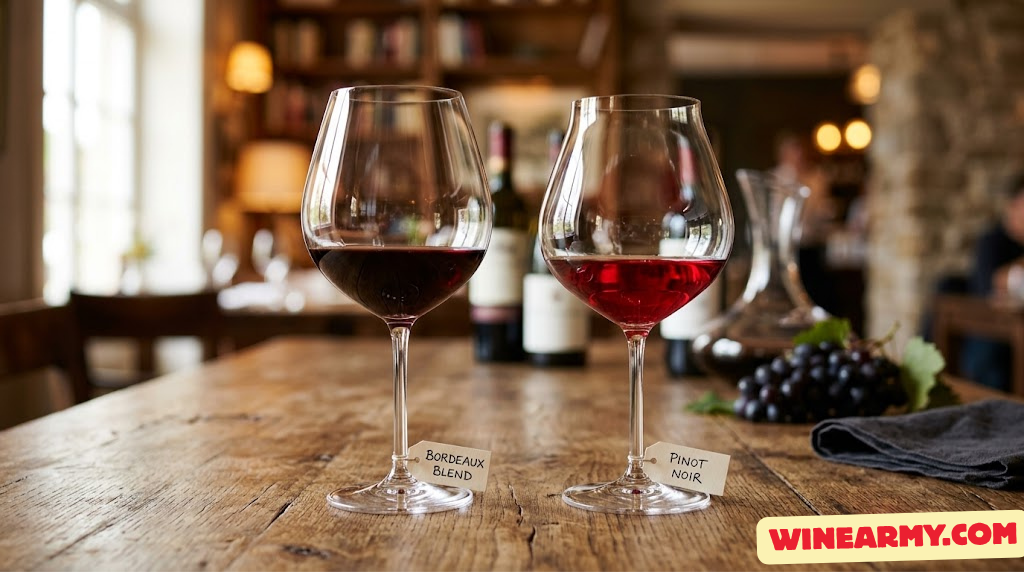
There are arguably only two wine glass brands that serious collectors and sommeliers genuinely argue about. One is a 270-year-old Austrian dynasty that essentially invented the modern wine glass category. The other is a relatively young Viennese studio whose hand-blown stems have become the obsession of Michelin-starred restaurants and collectors willing to pay $70 for a single glass. Both make exceptional wine glasses. Both have devoted, sometimes evangelical followings. And the differences between them — though subtle to a casual observer — matter enormously to anyone who drinks wine with genuine attention.
This guide goes beyond the surface. We examine crystal composition, production methods, shape engineering, how each brand performs across wine styles, pricing and value at every tier, durability in real-world use, and exactly which type of drinker should reach for which brand. By the end, you’ll know not just which is “better,” but which is better for you.
Brand Histories & Philosophy
Riedel
- 11 generations of family ownership
- Invented varietal-specific glassware (1973)
- Produces 50+ million pieces annually
- Ranges from $12 to $150+ per glass
- Machine-made and hand-blown lines
- Global distribution, 70+ countries
Zalto
- Born from glassblower Hans Denk
- Hand-blown only, small production
- Angles based on Earth’s tilting axis
- Cult following in fine dining worldwide
- Limited shape range (7 primary shapes)
- $55–$85 per glass, few discounts
Riedel’s story is one of aristocratic continuity transformed by commercial genius. The company existed for two centuries making decorative glass before Claus Riedel, the ninth-generation heir, made a revolutionary observation in 1958: the shape of a glass changes how wine tastes. By 1973, Riedel had launched the Sommeliers series — the world’s first varietal-specific wine glasses. The concept that Burgundy needed a different vessel than Bordeaux, and both needed something different from a Champagne flute, was genuinely radical at the time. The industry laughed, then adopted it universally.
Zalto’s founding is a different kind of story. Hans Denk, a master glassblower in the Viennese tradition, partnered with entrepreneur Reinhard Poschacher in the early 2000s to create what they believed a wine glass should be: radically thin, extraordinarily light, designed not for shelf appeal but for the purest possible communication between wine and drinker. The Zalto Denk’Art series launched around 2004 and spread quietly through the fine dining world before exploding into collector consciousness. Today a Zalto glass on a table at a wine dinner signals something — a level of attention, a willingness to invest in the experience.
Neither philosophy is wrong. They’re genuinely different answers to the same question: what is a wine glass for? Understanding this philosophical divide helps explain almost every specific difference between the brands — from their production methods to their pricing strategies to their durability trade-offs. For context on how glassware philosophy shapes the wine experience, our guide to wine glasses and their uses covers the broader landscape.
Crystal & Materials: What’s Actually Inside the Glass
The material of a wine glass affects everything downstream: how the glass can be blown (and to what thinness), how it refracts light, how it feels at the lip, and how it interacts with the aromatic compounds in wine. Both Riedel and Zalto use lead-free crystal — but within that broad category, the specifics differ considerably.
Riedel’s Material Approach
Riedel uses different materials across its product tiers, which is part of why the brand can serve such a wide price range:
| Riedel Line | Material | Production | SRP/Glass |
|---|---|---|---|
| Winewings / O Series | Machine-made lead-free crystal | Automated | $12–$20 |
| Veritas | Machine-blown lead-free crystal | Semi-automated | $25–$40 |
| Performance | Machine-blown lead-free crystal | Semi-automated | $30–$45 |
| Vitis | Hand-blown lead-free crystal | Hand-blown | $50–$80 |
| Sommeliers | Hand-blown lead-free crystal | Hand-blown | $70–$150 |
| Superleggero | Hand-blown ultra-thin crystal | Hand-blown | $120–$200 |
Riedel’s machine-made and semi-automated lines use a high-quality soda-lime crystal with titanium and zirconium oxide additions to provide clarity, brilliance, and chip resistance without lead. The hand-blown Sommeliers line uses a softer, more workable crystal formula that can be blown to greater thinness by skilled craftspeople.
Zalto’s Material: A Single Commitment
Zalto uses only one crystal formula across its entire product range: a proprietary lead-free crystal blown by hand in a glass studio in Vienna, Austria. The specific formulation is not publicly disclosed, but it is widely understood to be a very pure soda-lime crystal blend with specific additions to achieve a combination of extreme working fluidity (so glassblowers can achieve very thin walls) and finished clarity.
The result is glass that measures approximately 1.4mm at the rim — about half the thickness of a standard machine-made wine glass. Hold a Zalto Denk’Art Burgundy glass up to a light source and you’ll see why collectors become evangelical: the walls are so thin the glass practically disappears, leaving only wine and air.
Lead-Free vs Lead Crystal: A Quick Clarification
Traditional fine crystal — including older Riedel lines and most pre-2000s premium glassware — used lead oxide as a primary additive (typically 24–30% by weight). Lead made crystal workable at lower temperatures, resulting in extreme thinness, high refractive brilliance, and a characteristic “ring” when pinged. It also accumulated in wine over prolonged decanting contact and presented health concerns. Both Riedel and Zalto now produce exclusively lead-free crystal, achieved through different mineral additions that replicate lead’s optical and workability properties without the toxicity.
Shape Engineering: The Science of the Bowl
The shape of a wine glass determines how wine flows onto the palate (directing it to specific taste zones), how aromatic compounds concentrate and are delivered (the bowl volume and taper), how oxidation occurs during swirling (surface area relative to volume), and even how the wine’s color is perceived (bowl depth and wall angle relative to the eye). Both Riedel and Zalto invest heavily in shape engineering — but from entirely different methodological starting points.
Riedel’s Varietal-Specific Methodology
Riedel’s defining innovation, pioneered by Claus Riedel and refined by Georg Riedel, is the conviction that each grape variety performs best in a shape optimized for its specific aromatic profile and structural characteristics. The process involves tasting panels of industry experts (sommeliers, winemakers, critics) evaluating the same wine in multiple prototype shapes, then selecting the shape that most clearly expresses the wine’s intended character.
The result is a glass library that currently encompasses over 100 distinct shapes. Bordeaux glasses differ meaningfully from Burgundy glasses; a Riesling glass has different dimensions than a Sauvignon Blanc glass; a Viognier vessel differs from a Chardonnay vessel. This granularity is either a triumph of thoughtfulness or a marketing-induced complexity depending on your perspective — and serious wine people genuinely disagree.
The core engineering logic:
| Bowl Variable | Effect on Wine | Riedel Application |
|---|---|---|
| Bowl Volume | Larger bowl = more evaporation, more aroma concentration | Big reds get largest bowls; delicate whites get smaller |
| Rim Diameter | Wide rim = wine flows to sides of tongue (tannin zone); narrow rim = center (acid/sweetness zone) | Tannic reds get wider rims; high-acid whites get narrower |
| Rim Angle | Outward flare = wine hits front of palate; inward taper = back of palate | Varies by desired flavor emphasis |
| Bowl Height | Taller bowl = more aromatic headspace above wine; more room for swirling | Aromatic varieties (Pinot, Riesling) get taller bowls |
| Stem Length | Longer stem = hand heat less transferred to bowl; better visual access | Premium lines have longer stems; casual lines shorter |
Zalto’s Earth-Angle Philosophy
Zalto’s design philosophy is simultaneously more mystical and more unified. The angles of the Zalto Denk’Art glasses — 24°, 48°, and 72° — correspond to the Earth’s tilting axis and the orbital planes of the solar system. This connection to cosmic geometry is not mere marketing poetry; it reflects a genuine belief held by Hans Denk that these specific angular relationships have optimal properties for containing and presenting liquid at a cellular level.
Whether or not you accept the biodynamic rationale, the practical results are extraordinary. Zalto glasses have a distinctive profile: they are tall, the bowl tapers inward quite aggressively compared to most glasses, and they feel almost impossibly light in the hand. The inward taper concentrates aromas intensely while directing wine to the center-back of the palate — a delivery that many tasters find maximizes the perception of complexity and length.
The Practical Implication
Riedel’s approach rewards specificity — if you drink primarily one or two varieties, a Riedel glass optimized for those varieties may outperform a general-purpose Zalto for that specific wine. But Zalto’s approach rewards flexibility — the Zalto Universal or Denk’Art Burgundy performs magnificently across an enormous range of wines, making it easier to own fewer glasses while maintaining a very high experiential standard. For a deeper analysis of how glass shape affects aroma and flavor delivery, see our comparison of red vs white wine glasses.
Product Lines Compared: Navigating Each Brand’s Catalog
One of the most confusing aspects of choosing between Riedel and Zalto is that “Riedel” and “Zalto” each contain multitudes. Buying a $15 Riedel machine-made glass and buying a $150 Riedel Superleggero Burgundy hand-blown glass are profoundly different experiences. The brand name is an umbrella, not a guarantee.
Riedel’s Complete Line Architecture
| Line | Price/Glass | Production | Best For | Rating |
|---|---|---|---|---|
| Winewings | $14–$22 | Machine-made | Daily use, outdoors | ★★★½ |
| O Series (stemless) | $12–$18 | Machine-made | Casual, picnic, outdoors | ★★★ |
| Veloce | $20–$32 | Machine-blown | Everyday enthusiast | ★★★★ |
| Veritas | $28–$42 | Machine-blown | Quality everyday, gifting | ★★★★ |
| Performance | $32–$50 | Machine-blown | Serious enthusiast | ★★★★½ |
| Vitis | $55–$85 | Hand-blown | Collector, tasting | ★★★★★ |
| Sommeliers | $70–$160 | Hand-blown | Professional, collector | ★★★★★ |
| Superleggero | $120–$220 | Hand-blown ultra-thin | Ultimate performance | ★★★★★ |
Zalto’s Focused Lineup
| Shape | Price/Glass | Volume | Ideal Use |
|---|---|---|---|
| Denk’Art Burgundy | $65–$75 | 960ml | Pinot Noir, aged Burgundy, big whites |
| Denk’Art Bordeaux | $60–$70 | 765ml | Cabernet, Merlot, structured reds |
| Denk’Art Universal | $55–$65 | 510ml | White wines, rosé, versatile daily use |
| Denk’Art White Wine | $55–$65 | 390ml | Delicate whites, aromatic varieties |
| Denk’Art Champagne | $60–$70 | 360ml | Champagne, Grower Champagne, aged bubbly |
| Denk’Art Beer / Gin | $45–$60 | Various | Craft beer, spirits |
| Zalto DO | $25–$35 | 380ml | Entry-level Zalto, daily use |

Riedel Veritas Series — Best Entry into Riedel Quality
Machine-blown lead-free crystal, varietal-specific shapes, dishwasher-safe at lower risk than hand-blown. The sweet spot of the Riedel range for most drinkers.
Shop Riedel Veritas on Amazon →Red Wine Performance: Side by Side
Red wine is where the Riedel vs Zalto debate reaches its most passionate pitch, because this is the category where glass shape most visibly influences tasting experience. The differences in bowl geometry, rim diameter, and aromatic delivery between the two brands become immediately apparent with a serious Pinot Noir or a powerful Cabernet Sauvignon.
Pinot Noir / Burgundy
Pinot Noir is, paradoxically, the wine category where the comparison is most complex — because both brands excel here, and the winning answer depends on which specific Riedel glass you’re comparing to the Zalto Denk’Art Burgundy. Pinot Noir demands a large, wide-bowled glass to allow its delicate, complex aromatics (red cherry, raspberry, forest floor, violet, truffle) to develop and reach the nose. Both brands provide this — but differently.
The Zalto Denk’Art Burgundy (960ml) is exceptional with Pinot Noir. Its extreme height and the dramatic inward taper of the bowl create an aromatic chimney effect — volatiles concentrate intensely in the headspace and hit the nose with an immediacy that can be genuinely startling on first experience. The ultra-thin rim delivers wine to the palate with almost no glass intrusion, and the 24° base angle creates a slight lean that encourages gentle natural aeration during sipping.
The Riedel Vitis Pinot Noir or the Riedel Superleggero Burgundy come closest to competing, with generous bowl volumes and skilled hand-blown proportions. The Riedel Performance Pinot Noir (machine-blown, ~$40) is a very good glass but noticeably less refined at the rim than the Zalto. For a deeper look at how glass shape affects Pinot specifically, see our comparison of Bordeaux vs Pinot Noir structure.
Cabernet Sauvignon / Bordeaux
With Cabernet Sauvignon and Bordeaux blends, the balance shifts somewhat toward Riedel. The varietal-specific engineering of Riedel’s Bordeaux shapes — particularly the Vitis Cabernet Sauvignon, the Performance Cabernet, and the Sommeliers Bordeaux Grand Cru — is extremely refined. The wider rim encourages wine to flow across the sides of the tongue, which is where tannin receptors are concentrated, promoting a sense of integration in tannic wines. This is a meaningful structural advantage that the Zalto Denk’Art Bordeaux replicates effectively but perhaps less precisely.
That said, the Zalto Denk’Art Bordeaux is a superb glass for Cabernet — its 765ml bowl provides excellent aromatic space, and the signature thin-walled crystal means the wine’s temperature is perceived more accurately (thicker glass insulates more). Many professional sommeliers who use Zalto exclusively have no complaints serving Cabernet in the Denk’Art Bordeaux or even the Denk’Art Universal.
High-ABV, Powerful Reds (Barossa Shiraz, Amarone, Zinfandel)
For the biggest, most powerful red wines — the Barossa Valley Shiraz at 15.5%, Amarone della Valpolicella, California Zinfandel — both brands offer appropriate vessels, but Riedel’s breadth is a genuine advantage here. The Riedel Veritas Syrah/Shiraz or the Performance Syrah glasses are specifically engineered to handle high-alcohol, high-extract reds, with bowl dimensions that prevent the alcohol from concentrating too aggressively at the nose. Zalto’s Denk’Art Burgundy works well for these wines, but users sometimes find the intense aromatic concentration of the Zalto bowl amplifies the alcoholic “heat” of very high-ABV wines — something to consider if you drink a lot of 15%+ reds.
Riedel for Red Wine
- Purpose-built shapes for dozens of red varieties
- Broad price range makes premium quality accessible
- Better options for very high-ABV reds specifically
- Dishwasher-safe machine-blown lines for everyday use
- Superleggero competes with Zalto rim-to-rim
Riedel for Red Wine — Limitations
- Machine-made lines noticeably thicker than Zalto
- So many shapes — decision fatigue is real
- Hand-blown Sommeliers line at $150+ is expensive
- Machine-blown crystal less refined in mouth feel

Zalto Denk’Art Burgundy — The Pinnacle for Pinot Noir
Hand-blown, featherlight at 160g, the Denk’Art Burgundy is the glass of choice in Michelin-starred restaurants worldwide. Pair it with your best Burgundy or Oregon Pinot Noir.
Shop Zalto Denk’Art on Amazon →White Wine Performance
White wine glassware is often discussed as an afterthought compared to red wine glassware — which is a mistake. The right glass dramatically affects the aromatic delivery of a great Chablis, the perceived acidity of a German Riesling, the textural richness of a barrel-fermented Chardonnay, or the floral delicacy of a Viognier. Both Riedel and Zalto take white wine glassware seriously, but in their characteristic ways.
Chardonnay / Full-Bodied Whites
For rich, oak-influenced whites — Burgundy Chardonnay, White Rioja, barrel-fermented Viognier — both brands offer excellent options. Riedel’s varietal-specific Chardonnay shapes (particularly the Veritas White Wine/Chardonnay and the Performance Chardonnay) provide a larger bowl than typical white wine glasses to allow the complex secondary aromas of barrel influence to develop. The Zalto Denk’Art Universal (510ml) is a remarkably versatile glass that handles full-bodied whites with aplomb, and many sommeliers prefer it even to Riedel’s dedicated Chardonnay shapes for its superior aromatic delivery and lip feel.
Riesling / Aromatic Whites
This is a category where Riedel’s specificity shines. The Riedel Vitis Riesling and the Riedel Sommeliers Rheingau are exceptional glasses specifically designed to deliver Riesling’s distinctive interplay of high acidity, aromatic complexity (petrol, lime, apricot, slate), and often significant residual sweetness. The narrower bowl and specific rim diameter direct wine to the center-tip of the tongue — exactly where sweetness receptors are most concentrated — creating an experience of sweetness even in wines with modest residual sugar. Zalto’s Denk’Art White Wine serves Riesling very well, but without the varietal-specific optimization that Riedel’s dedicated Riesling glass provides.
For resources on how different white wine varieties pair with glass shapes and serving temperatures, see our comparison of Pinot Grigio vs Sauvignon Blanc — a guide that illustrates exactly why delicate, high-acid whites benefit from precision glassware.

Riedel Performance Chardonnay — Machine-Blown Excellence
The sweet spot for white wine lovers — varietal-optimized shape, machine-blown quality, safer for daily use than hand-blown crystal at a fraction of Zalto’s price.
Shop Riedel Performance on Amazon →Sparkling Wine & Champagne
The sparkling wine glass category has undergone a quiet revolution in the past two decades. The traditional narrow Champagne flute — long the universal vessel for bubbles — has been increasingly abandoned by sommeliers and wine lovers in favor of wider-bowled glasses that allow Champagne’s aromatic complexity to develop. Both Riedel and Zalto have been at the forefront of this shift.
The Flute vs. Wide Bowl Debate
The flute was designed to maximize visual impact: a tall, narrow vessel that showcases the steady stream of fine bubbles rising through golden wine. It is undeniably beautiful. But from a purely sensory standpoint, the flute traps aromas, limits swirling, and directs wine to a concentrated point on the palate rather than allowing it to spread. For simple, non-vintage Prosecco or young Cava where visual appeal matters more than aromatic complexity, a flute is fine. For a 15-year-old Dom Pérignon or a Grower Champagne with extraordinary bready, minerally complexity, a flute is a waste. For a detailed look at this debate, see our comparison of Champagne flute vs coupe.
Riedel’s answer is the Veritas Champagne Wine Glass — a glass with a wider bowl than a traditional flute that opens up Champagne’s aromatics while still preserving some bubble display. The Riedel Sommeliers Champagne is a more refined hand-blown version for serious collectors.
Zalto’s answer is the Denk’Art Champagne — a distinctive tulip shape with an extremely fine, slightly inward-tapering rim that concentrates aromatics beautifully while feeling extraordinary at the lip. Most Champagne-focused sommeliers who use Zalto swear by the Denk’Art Champagne as the finest sparkling wine glass available at any price. The bubble display is less prominent than a flute, but the aroma, palate delivery, and overall sensory experience are in a different league.

Riedel Veritas Champagne Wine Glass — Best Value Sparkling Glass
Wider than a flute, more aromatic than a coupe — the Veritas Champagne is the smart choice for everyday Prosecco, Cava, and entry-level Champagne.
Shop Riedel Veritas Champagne →Durability, Breakage Risk & Real-World Longevity
This is where Zalto’s most significant practical limitation becomes impossible to ignore. The extraordinary thinness that makes Zalto glasses so sensationally good to drink from also makes them genuinely fragile in real-world conditions. This is not a knock — it’s a design trade-off that Zalto makes knowingly and unapologetically — but it has real financial and practical implications.
The Zalto Breakage Reality
Zalto glasses break. They break when hand-washed and twisted slightly too hard (the bowl stem junction is a known vulnerability). They break in professional restaurant environments during polishing — which is part of why Michelin-starred restaurants budget for regular Zalto replacement as an operating expense. They can survive the dishwasher, but even Zalto recommends hand-washing and warns that regular machine washing will stress the crystal over time. Many committed Zalto owners have a “break rate” they’ve simply accepted as the cost of using these glasses regularly — roughly one glass every three to six months for active daily users. For advice on preserving your best glasses, our guide to polishing wine glasses to a professional shine and lint-free polishing cloths covers maintenance technique that reduces breakage risk.
Riedel’s Durability Spectrum
Riedel’s durability varies significantly by line. Machine-made lines like Winewings and Veritas are genuinely robust — they survive dishwasher use reliably, resist casual bumps on crowded kitchen counters, and withstand the practical realities of frequent use. The Riedel Performance line is even specifically engineered for improved break resistance as a feature, not an afterthought. Hand-blown Riedel lines (Vitis, Sommeliers, Superleggero) are thinner and more fragile, though generally still more robust than the equivalent Zalto.
| Scenario | Riedel Machine-Blown | Riedel Hand-Blown | Zalto Denk’Art |
|---|---|---|---|
| Dishwasher (gentle cycle) | ✓ Generally safe | Risky — not recommended | Not recommended |
| Hand washing | Easy | Careful technique needed | Very careful technique essential |
| Restaurant polishing service | Fine | Care needed | High breakage risk |
| Table bumps / casual use | Resists well | Moderate risk | Significant risk |
| Longevity (years, careful use) | 5–10 years | 3–7 years | 1–5 years (active use) |
Price, Value & Long-Term Cost Analysis
The price comparison between Riedel and Zalto is deceptively simple on the surface — Zalto costs more per glass — and considerably more nuanced when you factor in tier equivalency, longevity, and the cost-per-use mathematics of different use scenarios.
Price at Equivalent Quality Tiers
| Use Case | Riedel Choice | Riedel Price | Zalto Choice | Zalto Price |
|---|---|---|---|---|
| Casual daily | Veritas / Veloce | $25–$38 | Zalto DO | $28–$35 |
| Serious enthusiast | Performance / Vitis | $35–$80 | Denk’Art Universal | $55–$65 |
| Premium collector | Sommeliers | $70–$160 | Denk’Art Burgundy/Bordeaux | $65–$75 |
| Absolute pinnacle | Superleggero | $120–$220 | Denk’Art (same level) | $65–$75 |
The most striking insight in this comparison: at the premium collector tier, Zalto is actually cheaper than Riedel’s equivalent Sommeliers line, while delivering performance that matches or exceeds it. The Riedel Superleggero — which genuinely rivals Zalto’s crystal quality — costs nearly double a Zalto Denk’Art. That’s a significant value inversion that surprises many first-time buyers who assume Zalto must be the more expensive option across the board.
Cost-Per-Use Calculation
| Glass | Purchase Price | Est. Lifespan | Est. Uses/Year | Cost/Use |
|---|---|---|---|---|
| Riedel Veritas ($35) | $35 | 5 years | 100 | $0.07 |
| Riedel Performance ($45) | $45 | 4 years | 80 | $0.14 |
| Riedel Vitis ($75) | $75 | 4 years | 60 | $0.31 |
| Riedel Sommeliers ($120) | $120 | 3 years | 50 | $0.80 |
| Zalto DO ($30) | $30 | 2.5 years | 80 | $0.15 |
| Zalto Denk’Art Universal ($60) | $60 | 2 years | 60 | $0.50 |
| Zalto Denk’Art Burgundy ($70) | $70 | 2 years | 50 | $0.70 |
When framed as cost-per-use, the picture becomes clearer: Riedel’s machine-blown lines (Veritas, Veloce, Performance) offer extraordinary value — pennies per use over years of service. The Zalto Denk’Art glasses, despite their higher upfront cost, aren’t dramatically more expensive per use than Riedel’s premium hand-blown lines, but they are significantly more expensive per use than Riedel’s machine-blown tier — where you’re getting 80–90% of the experience at 30–40% of the cost.
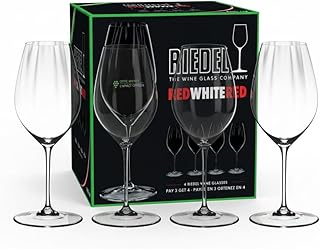
Riedel Performance — Best Value Premium Red Wine Glass
Machine-blown precision, Riedel’s best engineering at an accessible price. The ideal choice if you want serious performance without the fragility or cost of hand-blown crystal.
Shop Riedel Performance on Amazon →Washing, Care & Long-Term Maintenance
How you care for premium wine glasses is as important as which glasses you buy. Both brands require thoughtful maintenance — but the protocols differ significantly between their respective lines.
Riedel Machine-Blown Lines (Winewings, O, Veritas, Performance)
These glasses are among the more dishwasher-tolerant wine glasses on the market. Riedel explicitly endorses gentle-cycle dishwasher use for most machine-blown lines, with the caveat to use a wine-glass-safe detergent, avoid high-heat drying, and ensure glasses don’t contact each other in the wash. This real-world convenience is a major practical advantage for households that use wine glasses daily. Hand washing is always preferable — use warm water, a soft cloth or flexible brush, and avoid abrasive sponges that scratch the crystal. Our guide to cleaning wine accessories covers general technique applicable to glasses.
Riedel Hand-Blown Lines (Vitis, Sommeliers, Superleggero)
Hand-blown Riedel glasses should be hand-washed only. The delicacy of the stem-bowl junction in hand-blown pieces is genuine — dishwasher stress cycles and high-pressure jets can cause micro-fractures that eventually lead to breakage at the most inconvenient moments. Use the two-hand washing technique: support the bowl with one hand while gently cleaning the interior with the other. Never grip the bowl and apply torque to the stem simultaneously.
Zalto Denk’Art Glasses
Zalto requires the most careful handling of any glass in this comparison, without exception. The brand officially states the glasses are top-rack dishwasher safe — and many owners do machine-wash them without incident — but the community consensus among Zalto devotees is that hand-washing dramatically extends glass life and reduces the heartbreak of expensive breakage. The bowl-stem junction on Zalto’s Denk’Art is particularly vulnerable. Store Zalto glasses upright (not inverted), ideally in padded storage or a dedicated glass rack rather than standard cupboard stacking. For polishing — which is necessary to maintain the crystal’s clarity — use a lint-free microfiber cloth and a light steaming technique, never paper towels or rough cloth. Our dedicated guide on lint-free wine glass polishing cloths recommends specific cloths that work without scratching fine crystal.
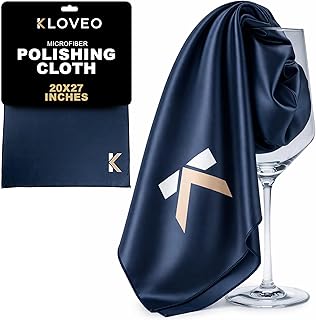
Professional Lint-Free Wine Glass Polishing Cloths
Essential for both Riedel and Zalto glass maintenance — these prevent scratches while removing water spots and fingerprints from premium crystal.
Shop Polishing Cloths on Amazon →The Definitive Verdict: Who Should Buy Which?
Rather than declaring a single winner — which would be intellectually dishonest given how dependent the choice is on individual circumstances — here is the most actionable breakdown possible:
Choose Riedel If You Are…
- Building a first serious glass collection — Riedel’s Veritas or Performance lines offer the best entry into genuinely high-quality, varietal-specific glassware without the fragility anxiety of Zalto.
- A household with children, frequent hosting, or a busy kitchen — The practical robustness of Riedel’s machine-blown lines makes them the obvious choice for high-traffic use environments.
- A Riesling, Sauvignon Blanc, or aromatic white wine specialist — Riedel’s varietal-specific engineering for these varieties is genuinely superior to any general-purpose Zalto shape.
- Seeking the widest possible range of shapes for a specific cellar — No other brand in the world offers as many shapes as Riedel, and if you collect across many varieties, this breadth is invaluable.
- Budget-conscious but quality-minded — The Riedel Veritas and Performance lines represent some of the best value in fine glassware globally.
- Buying for someone who won’t be as careful with glasses — Riedel is the obvious gifting choice for anyone who might not treat fragile crystal with sommelier-level care.
Choose Zalto If You Are…
- A serious collector who drinks aged Burgundy, mature Bordeaux, or Grower Champagne — The Denk’Art series delivers an unmatched sensory experience with complex, fine wine that justifies every penny.
- A minimalist who wants one or two exceptional shapes — The Zalto Denk’Art Burgundy and Universal can cover most of your wine drinking at an extraordinary quality level without filling a cupboard with 12 different shapes.
- A professional working in fine dining or hospitality — Zalto is the industry standard at the top end, and owning the glasses your professional peers use has real practical advantages in developing palate and technique.
- Someone who has already mastered Riedel — Many wine lovers work through several years of Riedel before graduating to Zalto, and the progression makes complete sense. You’ll appreciate the difference more.
- Willing to accept occasional breakage as the cost of a transcendent experience — If losing a $70 glass doesn’t sting enough to change your behavior, Zalto is probably your glass.
- Buying a truly impressive gift for a wine enthusiast — A pair of Zalto Denk’Art Burgundy glasses is one of the most memorable, widely appreciated gifts in the wine world. Our guide to top wine accessory gifts includes Zalto recommendations prominently.
Riedel Wins
- Everyday value and durability
- Aromatic white wines & Riesling
- Cabernet / Bordeaux structure
- High-ABV, powerful reds
- Range and variety of shapes
- Gifting for non-specialists
- Machine washable convenience
Zalto Wins
- Pinot Noir / aged Burgundy
- Premium Champagne & Grower bubbly
- Full-bodied white wines
- Aroma concentration & expression
- Rim feel and sensory transparency
- Premium tier value (vs Sommeliers)
- Prestige gifting for collectors
Notable Alternatives to Both Brands
The wine glass world extends beyond Riedel and Zalto, and several other brands deserve mention for drinkers whose needs aren’t perfectly served by either:
Schott Zwiesel Tritan
The most important alternative for durability-focused buyers. Schott Zwiesel’s Tritan crystal — which uses titanium and zirconium instead of lead or standard soda-lime additives — is genuinely chip-resistant and dishwasher durable in a way that no other fine wine glass matches. The Schott Zwiesel Pure, Cru Classic, and Finesse lines offer elegant shapes at competitive prices. Our dedicated comparison of Riedel vs Schott Zwiesel examines this match-up in full detail.
Grassl Glass
An Austrian producer occupying a fascinating middle ground between Zalto and Riedel: hand-blown, very thin, but with a slightly more robust build than Zalto and at a lower price point (~$40–$55 per glass). The Grassl 1855 and Liberté shapes in particular have developed a devoted following among serious enthusiasts who find Zalto too fragile and Riedel Sommeliers too expensive.
Gabriel-Glas StandArt
A single universal shape, hand-blown in Austria, at around $35–$45 per glass. The Gabriel-Glas philosophy mirrors Zalto’s “one great shape” approach, and the StandArt is a legitimate Zalto alternative for buyers who want the minimalist approach at a lower price point with somewhat better durability.
Jancis Robinson Glass (by Richard Brendon)
A collaboration between the legendary wine critic and British tableware designer — a single universal glass shape that reflects Robinson’s belief that varietal specificity in glassware is largely marketing-driven. The glass is beautiful, at around $35–$50 per glass, and represents a thoughtful alternative perspective on the entire debate.

Schott Zwiesel Pure — The Durability Alternative
Tritan crystal resists chipping and dishwasher stress better than any competitor. If breakage is your primary concern, Schott Zwiesel is the answer.
Shop Schott Zwiesel on Amazon →Frequently Asked Questions
Final Verdict: The Glass That’s Right for You
After thousands of words of analysis, the answer to “Riedel or Zalto?” is genuinely both/and rather than either/or — and the specifics of your situation determine which belongs in your cabinet.
If you’re building a glass collection from scratch, start with Riedel Performance or Veritas. They are extraordinarily good glasses at their price points, broadly available, specifically engineered for your favorite varieties, and durable enough to survive daily life without constant anxiety. When you’ve developed the palate and the patience to appreciate the final degrees of refinement in fine crystal, add a set of Zalto Denk’Art Burgundy or Denk’Art Universal for your best wines and most important occasions.
If you’re already past that point — if you drink aged Burgundy and Grower Champagne regularly, if you’ve outgrown your Riedel Performance glasses, if you’re ready to accept occasional breakage in exchange for the finest sensory experience wine glassware offers — then Zalto is your glass. Buy a set of Denk’Art Burgundy and Denk’Art Champagne, learn to care for them properly, and never look back.
For further wine glass education, explore our comparisons of Bordeaux vs Burgundy glass shape, our complete guide to wine glass types and their uses, and our recommendations for top red wine glasses by variety. The right glass makes every bottle better — and understanding why is one of the most rewarding parts of the wine journey.
Explore All Wine Glass Guides →
Premium Wine Glass Gift Sets — Riedel & Zalto
Whether you choose Riedel for value and range or Zalto for ultimate refinement, gifting premium wine glasses is always a statement of thoughtfulness and taste.
Browse Premium Wine Glass Sets →