Blend vs. Varietal Wine: The Complete Guide to Understanding What’s in Your Glass
From Bordeaux to Burgundy, GSM to single-vineyard Riesling — understanding the difference between blends and varietals changes how you shop, taste, and appreciate every bottle.
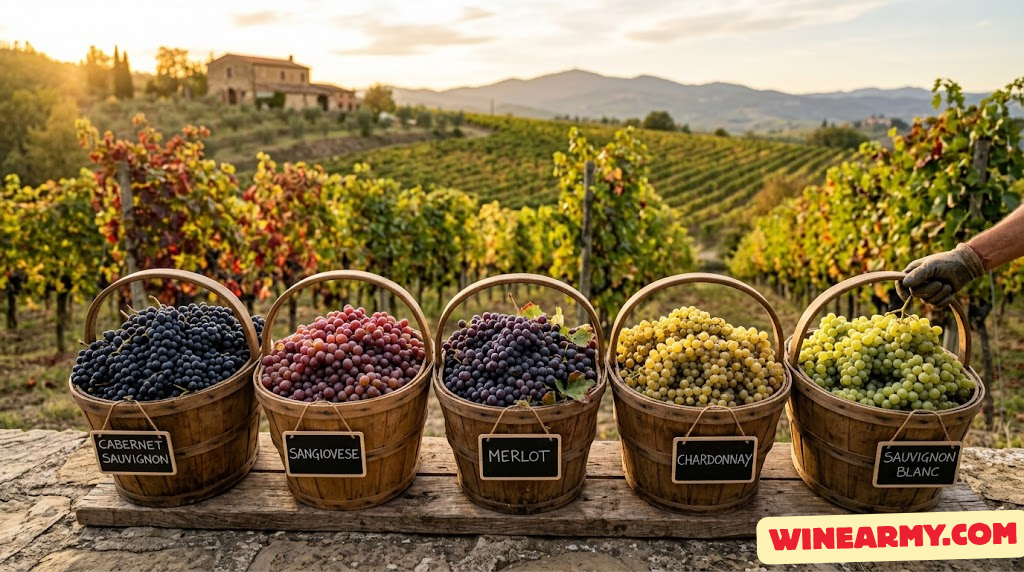
Stand in any wine shop long enough and you’ll notice something curious: some bottles declare their grape variety boldly on the label — “Cabernet Sauvignon,” “Chardonnay,” “Riesling.” Others list only a place name or a cryptic proprietary title — “Châteauneuf-du-Pape,” “Meritage,” “The Prisoner.” That difference — varietal versus blend — is one of the most fundamental distinctions in the wine world, and understanding it genuinely changes how you shop, taste, and talk about wine.
This guide covers everything: the definitions, the winemaking philosophy behind each approach, the world’s most celebrated examples of both, how to read labels, how blends and varietals differ in taste and food pairing, and how to choose between them for any occasion. Whether you’re a curious beginner building your foundational wine vocabulary or an experienced drinker looking to sharpen your understanding, this is the definitive resource.
The Quick Answer: What’s the Difference?
⚡ TL;DR
A varietal wine is made predominantly (or exclusively) from a single grape variety — Merlot, Sauvignon Blanc, Pinot Noir — and the label names that grape. A blended wine is made from two or more grape varieties combined in the winery to create a specific flavor profile, style, or character that no single grape could achieve alone. Neither is inherently better. Both approaches have produced the world’s most celebrated and most humble wines.
Varietal Wine
- Made from one primary grape variety
- Grape name appears on the label
- Showcases the character of that grape
- Percentage rules vary by country
- Examples: Chardonnay, Malbec, Riesling
Blended Wine
- Made from two or more grape varieties
- May show grape names or just a wine name
- Showcases the winemaker’s artistry
- Enormous variety of styles
- Examples: Bordeaux, Châteauneuf, GSM
The varietal vs. blend divide isn’t simply a matter of New World versus Old World winemaking — though labels from each region handle this distinction very differently, as we’ll explore later. The real distinction is philosophical: does the winemaker believe a single grape can express its full potential alone, or does complexity emerge from the intelligent marriage of different varieties? Both philosophies have passionate adherents, and both have produced wines of extraordinary quality.
One thing worth establishing immediately: the word “varietal” is often misused. People say “a varietal” when they mean “a variety” — technically, “varietal” is an adjective describing a wine made from a named variety (“a varietal Cabernet”), while “variety” is the correct noun for the grape itself (“Cabernet Sauvignon is a variety”). You’ll see “varietal” used loosely as a noun in this guide as it’s now widely accepted shorthand, but it’s useful to know the technical distinction. Our wine terminology guide expands on this and dozens of other commonly confused wine terms.
What Is a Varietal Wine? Definition, Rules, and Examples
A varietal wine is defined by the grape variety used to make it — but “made from” doesn’t always mean “made exclusively from.” Every wine-producing country has its own legal minimum threshold for how much of a named grape variety a wine must contain before it can carry that variety’s name on the label. These minimums are often surprisingly low.
Varietal Labeling Rules by Country
| Country / Region | Minimum % of Named Grape | Up to % Other Grapes Allowed | Notes |
|---|---|---|---|
| United States | 75% | 25% | Oregon requires 90% for most varieties |
| Australia | 85% | 15% | Multiple varieties can all be listed if ≥5% |
| New Zealand | 85% | 15% | Same as Australia |
| European Union | 85% | 15% | Required for wines listing a variety name |
| Argentina | 85% | 15% | Malbec a major varietal wine export |
| Chile | 75% | 25% | Same threshold as the U.S. |
| South Africa | 85% | 15% | Chenin Blanc a major varietal category |
| France (AOC wines) | N/A | N/A | AOC rules specify grape blends per region; varietal labels on Vin de France only |
This means a bottle of California Cabernet Sauvignon legally required to be only 75% Cabernet — the remaining 25% might be Merlot, Cabernet Franc, Petit Verdot, or any other variety the winemaker chooses. In practice, many high-end California Cabernets are 95–100% pure Cabernet, but entry-level commercial wines often use that 25% allowance for flexibility and cost management.
Oregon is notably stricter: most varieties require 90% of the named grape, and Pinot Noir — Oregon’s flagship variety — requires 90%. This reflects a deliberate cultural commitment to varietal purity that has become part of Oregon’s wine identity. Understanding these regional nuances is part of what makes reading wine labels an art in itself.
The Philosophy of Varietal Winemaking
Varietal winemaking — particularly in its New World expressions — is rooted in the idea that a single, well-cultivated grape variety in the right terroir can achieve complete expression without the help of other varieties. This philosophy prioritizes the characteristics of a specific grape: its inherent fruit profile, its acidity, its tannin structure, its aromatic signature.
Riesling, perhaps more than any other variety, demonstrates why varietal winemaking can be magnificent. Great Riesling — whether from Germany’s Mosel, Alsace, or Australia’s Clare Valley — expresses a complexity that seems to expand with age, from fresh lime and slate to petrol and beeswax. Blending something else into it would obscure, not enhance. The same argument applies to great Burgundian Pinot Noir, single-vineyard Nebbiolo from Barolo, and many other noble varieties. Explore this idea further in our guide to wine varietals and what makes each distinctive.
Most Important Varietal Wines in the World
Napa Valley, Bordeaux (left bank), Coonawarra
CharacterBlackcurrant, cedar, tobacco, firm tannins. Built to age.
Famous BottlingsScreaming Eagle, Opus One (blended), Ridge Monte Bello
Burgundy, Napa, Margaret River, Chablis
CharacterFrom lean and mineral (Chablis) to lush, buttery, toasty (Napa).
Famous BottlingsDomaine Leflaive Montrachet, Kistler, Leeuwin Estate
Burgundy, Oregon, Central Otago, Sonoma Coast
CharacterDelicate red fruits, earth, silky texture. Highly terroir-expressive.
Famous BottlingsDRC Romanée-Conti, Eyrie Vineyards, Felton Road
Mosel, Alsace, Clare Valley, Finger Lakes
CharacterCitrus, stone fruit, slate minerality. Ranges from bone dry to lusciously sweet.
Famous BottlingsEgon Müller Scharzhofberger, Trimbach Clos Ste Hune
Mendoza (Argentina), Cahors (France)
CharacterDeep plum, chocolate, violet. Rich, velvety tannins in Argentina’s high-altitude versions.
Famous BottlingsAchaval Ferrer Finca Altamira, Clos de los Siete
Piedmont (Barolo, Barbaresco)
CharacterRose, tar, dried cherry. High acid + powerful tannins. Requires years to open.
Famous BottlingsGiacomo Conterno Monfortino, Bruno Giacosa Barolo
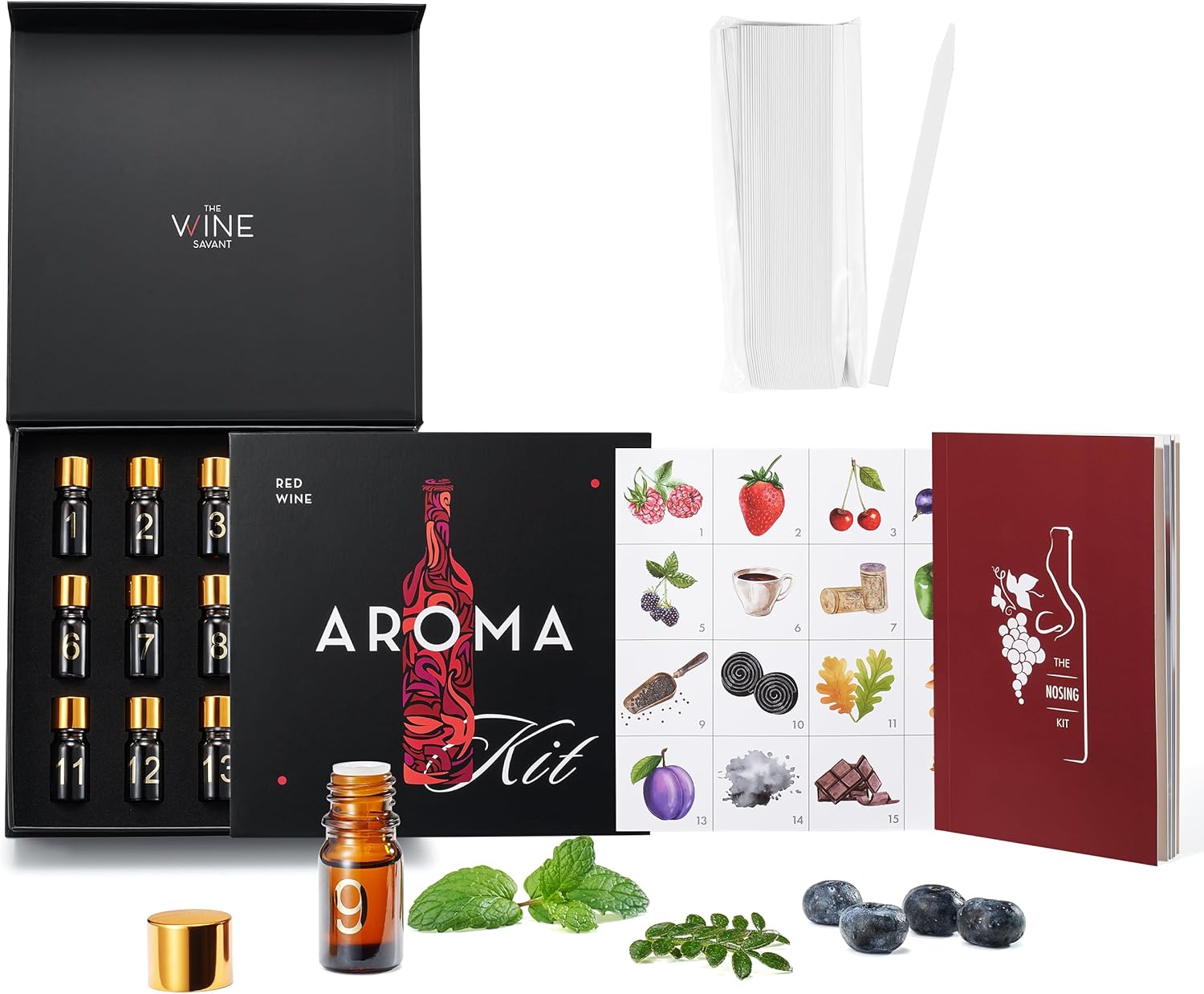
The best way to understand varietal differences is to taste them side by side. Curated tasting sets let you compare the same style across different regions and producers.
Shop Wine Tasting Kits on Amazon →What Is a Blended Wine? The Art of Assemblage
A blended wine — called assemblage in French winemaking tradition — is the deliberate combination of wines made from two or more different grape varieties to create a finished wine with specific characteristics. The blending decisions might be made after each component variety has fermented separately (the most common approach in quality winemaking) or by co-fermenting different varieties in the same tank or barrel (a traditional practice in some regions like the Rhône).
The misconception that blending is somehow a lesser or less sophisticated approach to winemaking is one of the most persistent myths in wine culture — and one that falls apart immediately when you consider that the most sought-after and expensive wines in the world are blends. First Growth Bordeaux (Château Pétrus, Château Margaux, Château Latour), Champagne, Châteauneuf-du-Pape, Priorat, Super Tuscans — these are all blended wines, and they are among humanity’s greatest winemaking achievements.
The French term assemblage captures the philosophy better than “blending” does — it suggests an act of assembly, of construction, of composition. Like an orchestra conductor who knows that the full sound requires every instrument, the master blender knows that complexity and completeness often require multiple varieties working in concert.
Types of Blended Wines
Not all blends are the same — they vary enormously in how they’re structured, why they’re made, and what the winemaker is trying to achieve.
The Three Types of Wine Blends
1. Traditional Regional Blends — Defined by ancient winemaking traditions tied to specific geographic appellations. Bordeaux blends, Champagne, Châteauneuf-du-Pape, Côtes du Rhône, Priorat, and Rioja are all traditional regional blends where the specific permitted varieties and their proportions are governed by appellation rules. These blends reflect centuries of winemakers discovering which combinations of grapes thrive together in a specific place and climate.
2. Proprietary / Branded Blends — Winemakers, particularly in the New World, who choose to blend for artistic or philosophical reasons outside of strict regional rules. These wines often carry invented names: “The Prisoner,” “Painted Wolf,” “Opus One.” The freedom is complete — any varieties, any proportions, any style. Some of the most exciting and innovative wines in the world fall into this category.
3. Commercial Blends — Wines blended primarily for consistency and commercial appeal rather than artistry. Large-volume brands blend across regions, vintages, and grape sources to produce a reliably consistent product year after year. These aren’t necessarily bad wines — consistency has real value — but they lack the terroir-expressiveness and vintage variation that fine wine enthusiasts prize.
Why Winemakers Blend: The Six Reasons Behind Every Assemblage
Understanding why blending happens transforms it from a mysterious winemaking decision into a logical, often fascinating act of problem-solving and creativity. These six motivations are not mutually exclusive — most great blends are driven by several simultaneously.
1. To Achieve Complexity
No single grape variety expresses every desirable wine characteristic at equal strength. Cabernet Sauvignon gives structure, color, and age-worthiness but can feel austere and tannic in youth. Merlot contributes plushness, approachability, and mid-palate richness. Together, in a classic Bordeaux blend, they achieve a complexity — from the firm, age-worthy backbone of the Cab to the fleshy generosity of the Merlot — that neither achieves alone. This is the foundational reason behind most great blends. Understanding how Merlot and Cabernet differ in structure and character is essential context for appreciating why the two work so beautifully together.
2. To Correct Deficiencies
In less-than-ideal vintages, a winemaker may use blending as a corrective tool. If the primary variety in a given year came in with lower than ideal acidity due to a warm growing season, adding a high-acid component variety can restore the wine’s freshness and balance. If the vintage produced overly tannic, astringent fruit, blending in a smoother, softer variety softens the palate weight. This is insurance against weather — and in the unpredictable world of agriculture, insurance matters enormously. This is especially relevant when thinking about how vintages affect wine quality across different regions.
3. To Maintain Consistency Across Vintages
One of Champagne’s most important functions is consistency. Great Champagne houses like Moët & Chandon, Veuve Clicquot, and Krug maintain a “house style” that tastes essentially the same regardless of whether you buy a bottle in 2020 or 2026. They achieve this through masterful blending: combining wines from different years (reserve wines), different villages, different vineyards, and different varieties (Chardonnay, Pinot Noir, Pinot Meunier) to consistently hit the same flavor profile. This is blending as quality assurance — a completely legitimate and highly skilled application.
4. To Express Terroir More Completely
In many of the world’s great wine regions, specific combinations of varieties have evolved over centuries because they collectively express the character of that particular place better than any single variety could. Châteauneuf-du-Pape’s sandy, pebbled soils and intense Provençal sun are expressed most completely through the combination of Grenache (generosity, warmth, red fruit), Syrah (structure, black fruit, spice), and Mourvèdre (earthiness, meaty complexity, color stability). Grenache alone would be too broad and alcoholic. This idea connects to the concept of terroir — that wine is fundamentally a product of place — and how blending can actually amplify rather than obscure that sense of place.
5. To Manage Agronomic Risk
Different grape varieties ripen at different times, respond differently to frost, drought, disease, and rain, and have different growing-season requirements. A winery that grows only one variety puts all its eggs in one basket — a single late frost in spring can destroy an entire harvest. Growing multiple varieties spreads that risk: if Merlot suffers in a wet year, Cabernet Franc might thrive. If Grenache runs too high in alcohol in a hot vintage, the earlier-ripening Mourvèdre adds the structure and freshness needed to restore balance. Blending is, among other things, an agricultural risk management strategy.
6. To Create Something New
Some of the most exciting wines in the world exist because a winemaker asked: what happens if I put these varieties together? The rise of the “Super Tuscan” category in Italy’s Tuscany region beginning in the 1970s and 1980s happened precisely because innovative producers like Antinori and Sassicaia’s creators decided to combine native Sangiovese with French varieties (Cabernet Sauvignon, Merlot) that were theoretically not permitted by DOC rules. The wines were extraordinary — so extraordinary that Italian wine law eventually had to create new classifications to accommodate them. Blending as creative experiment has driven some of the most significant innovations in wine history.

The best way to develop your palate is to keep detailed tasting notes. A dedicated wine journal helps you track which blends and varietals resonate with your taste.
Shop Wine Journals on Amazon →The World’s Most Famous Blended Wines: A Deep Dive
The blended wine tradition produced many of the most celebrated and influential wines in history. Here are the most important regional blend traditions, with the varieties involved and what each contributes.
The Bordeaux Blend: The World’s Most Imitated Combination
The Bordeaux blend is the most influential blending template in the world — copied, adapted, and referenced by winemakers on every continent. Its two main expressions are the Left Bank (Cabernet-dominant) and the Right Bank (Merlot-dominant), each with its own cast of supporting varieties.
Left Bank Bordeaux (Médoc appellations: Pauillac, Saint-Estèphe, Margaux) are built on Cabernet Sauvignon grown in the region’s famous gravelly soils, which drain well and warm quickly — perfect for a late-ripening variety like Cabernet. The other varieties fill in where Cabernet leaves gaps. Right Bank Bordeaux (Pomerol, Saint-Émilion) reverses the formula: Merlot dominates on the heavier clay soils, with Cabernet Franc as the primary supporting actor. The difference between Left and Right Bank wines — even from the same vintage and quality level — can be dramatic, driven primarily by which variety leads the blend. Our breakdown of Bordeaux versus Pinot Noir style differences gives useful context for understanding why these blends taste so distinctive.
GSM: The Rhône Valley’s Gift to the World
The GSM blend — Grenache, Syrah, and Mourvèdre — originated in France’s Southern Rhône Valley (Châteauneuf-du-Pape, Gigondas, Vacqueyras) and was enthusiastically adopted by Australian producers in McLaren Vale and the Barossa Valley. Grenache provides the backbone: warm, round, high-alcohol, red-fruited, with a distinctive dried herb quality in warm climates. Syrah adds spice, blue and black fruits, and structural tannins. Mourvèdre contributes earthy complexity, meatiness, and color stability — it can smell distinctly of garrigue (the wild Mediterranean scrubland) and game in warm vintages. Together, the three create wines of remarkable richness, complexity, and Southern European character.
Super Tuscans: Italy’s Blending Revolution
Beginning in the 1970s, iconoclastic producers in Tuscany — frustrated by restrictive DOC rules that required large proportions of the less-prestigious Trebbiano grape in Chianti — began making wine outside the rules. Sassicaia (Cabernet Sauvignon + Cabernet Franc) and Tignanello (Sangiovese + Cabernet Sauvignon) became the defining wines of this movement. These wines were so superior to what the DOC permitted that they effectively forced Italian wine law to adapt, eventually creating the IGT classification to accommodate them. Super Tuscans demonstrated that international varieties blended with native Sangiovese could produce wines of world-class quality while maintaining Italian identity.
Champagne: The World’s Greatest Blended Sparkling Wine
Non-vintage Champagne is the ultimate expression of blending as consistency management. Each of the three principal varieties brings something essential: Chardonnay contributes finesse, citrus, and chalk minerality; Pinot Noir adds body, red fruit depth, and aging potential; Pinot Meunier provides approachability, floral notes, and early drinkability. But what makes great Champagne truly astonishing is that non-vintage cuvées also blend across years — a non-vintage Krug Brut might contain wines from 6–10 different vintages, each contributing a different aspect of character. This is blending elevated to its most complex and demanding expression. If you’re curious about how sparkling wine production compares across regions, our Prosecco vs. Champagne production guide is a worthwhile companion read.
Meritage: The American Bordeaux Answer
American wine law requires a wine to be at least 75% one variety to carry that variety’s name on the label. For winemakers who wanted to make Bordeaux-style blends using the full range of Bordeaux varieties in whatever proportions they chose — without naming a single variety — there was no good descriptor until the Meritage Alliance created one in 1988. “Meritage” (rhymes with heritage) wines must be made from at least two of the six classic Bordeaux varieties, with no single variety exceeding 90%. The category enabled a generation of American winemakers to pursue Bordeaux-style complexity without compromise. Opus One and Dominus are arguably the most famous examples, though they predate the Meritage designation.
Rioja: Spain’s Oak-Aged Tempranillo Blends
Traditional Rioja blends are anchored by Tempranillo — Spain’s most planted red variety — supported by Garnacha (for alcohol and fruit), Graciano (for acidity and freshness), and Mazuelo (for color and tannin). What makes Rioja distinctive, however, is less the blend itself and more the oak aging regime: Crianza, Reserva, and Gran Reserva classifications determine how long the wine spends in barrel and bottle. The interaction between this particular blend and extended American oak aging creates Rioja’s signature dill, vanilla, leather, and dried cherry character — one of the most distinctive and recognizable wine styles in the world.

Complex blended reds — especially young Bordeaux and structured Rhône blends — benefit significantly from decanting before serving. The right decanter shape and size make a real difference.
Shop Wine Decanters on Amazon →The World’s Most Celebrated Varietal Wines by Region
While the world’s most celebrated wine regions tend to be blend-focused (Bordeaux, Champagne, Rhône), the New World’s varietal winemaking tradition has produced some extraordinarily celebrated wines in its own right — and even in traditional regions, certain varieties have achieved fame as pure varietal expressions.
Burgundy: The Temple of Varietal Purity
Burgundy is the world’s most famous varietal wine region, despite being in France — a country most people associate with blends. Red Burgundy is 100% Pinot Noir. White Burgundy is 100% Chardonnay (with rare Aligoté exceptions). The entire discipline of Burgundy winemaking is dedicated to the idea that a single variety, grown on a specific piece of land, expresses that land’s character more completely and honestly than any blend could. The contrast between Bordeaux and Burgundy — blend versus varietal — is one of the foundational intellectual divides in fine wine, and exploring it through both glass choice and wine selection is deeply rewarding.
Germany and Alsace: Riesling’s Heartland
German winemaking is predominantly varietal, with Riesling as the undisputed star. German Riesling’s extraordinary expression of terroir — from the slate soils of the Mosel to the volcanic basalt of the Nahe — is a testament to what a single variety can achieve when matched to its ideal environment. Alsace, just across the Rhine in France, is one of the few French regions where varietal wines dominate: Riesling, Gewurztraminer, Pinot Gris, and Muscat all appear as single-variety expressions.
New World Champions
California, Australia, New Zealand, Argentina, Chile, and South Africa built their modern wine industries on varietal labeling — largely because their consumers, unfamiliar with French appellation names, needed a recognizable reference point. California Chardonnay, New Zealand Sauvignon Blanc, Argentine Malbec, and Australian Shiraz became internationally recognized wine styles built on varietal identity. Understanding the Old World vs. New World philosophy helps explain why varietal labeling is so dominant outside Europe.
| Variety | Definitive Region(s) | Style | Best Age Window | Price Range |
|---|---|---|---|---|
| Pinot Noir | Burgundy, Oregon, Central Otago | Light-medium, earthy, delicate red fruit | 3–20 years | $20–$5000+ |
| Chardonnay | Burgundy, Napa, Margaret River | Wide range: mineral/lean to rich/buttery | 2–15 years | $12–$2000+ |
| Riesling | Mosel, Alsace, Clare Valley | High acid; dry to sweet; age brilliantly | 5–30 years | $15–$500+ |
| Cabernet Sauvignon | Napa, Coonawarra, Bolgheri | Full-bodied, tannic, age-worthy | 5–25 years | $20–$2000+ |
| Malbec | Mendoza, Cahors | Rich, plummy, velvety | 3–12 years | $12–$400+ |
| Nebbiolo | Barolo, Barbaresco | Austere in youth; complex with age | 8–30 years | $30–$1000+ |
| Sauvignon Blanc | Marlborough, Loire, Bordeaux | High acid, herbaceous, zesty citrus | 1–5 years | $12–$150+ |
| Tempranillo | Ribera del Duero, Rioja solo | Cherry, leather, tobacco | 3–20 years | $15–$500+ |
One of the most useful exercises for developing your palate is comparing the same variety across different regions — comparing a Marlborough Sauvignon Blanc with a Pouilly-Fumé from the Loire Valley, or a Napa Chardonnay with a Chablis. The variety stays constant; the terroir and winemaking approach change everything. Our guide on Pinot Grigio versus Sauvignon Blanc is a good entry point for exploring how different varieties approach similar flavor territory from very different angles.
Reading Wine Labels: How Old World and New World Handle the Distinction
One of the most persistent confusions in wine — particularly for newer drinkers — is that the same wine might be labeled by grape variety in one country and by geographic origin in another. This is the fundamental Old World vs. New World labeling divide, and it reflects genuinely different philosophies about what defines a wine.
New World Labeling: Grape First
In Australia, New Zealand, the United States, Argentina, Chile, and South Africa, wine labeling is primarily grape-variety-first. The grape name is the wine’s identity. “New Zealand Sauvignon Blanc” tells you the grape and the country. “California Cabernet Sauvignon” tells you the grape and the state. This approach is consumer-friendly and navigable without specialized knowledge — but it can obscure the crucial role that place (terroir) plays in shaping the wine’s character. A Sauvignon Blanc from Marlborough and a Sauvignon Blanc from the Loire Valley are radically different wines despite sharing a variety name — the label alone won’t tell you this.
Old World Labeling: Place First
In France, Italy, Spain, Germany, and most of Europe, wine is labeled primarily by geographic origin — and the implication is that if you know the region, you know the variety (or varieties), because each region’s permitted grapes are defined by appellation law. “Chablis” tells you it’s Chardonnay from a specific part of Burgundy, grown on specific Kimmeridgian limestone. “Barolo” tells you it’s Nebbiolo from a specific set of communes in Piedmont. “Rioja Reserva” tells you it’s a Tempranillo-dominant blend from a specific Spanish region aged for at least three years. None of these label a grape variety — you’re expected to know what grows where.
This place-first approach assumes wine knowledge that most casual consumers don’t have — and this is precisely why Old World wines can feel intimidating. Our guide to understanding wine appellations demystifies this system thoroughly and is essential reading for anyone exploring European wines seriously. Similarly, understanding what specific label terms mean — like ABV declarations and their implications — is covered in our guide to ABV on wine labels.
The Interesting Middle Ground
Some wine regions and categories sit interestingly between these two worlds. Alsace, Germany, and Austria are European regions that label primarily by grape variety (Riesling, Gewurztraminer, Grüner Veltliner) — making them more accessible to New World-trained consumers than most French or Italian wine labels. Conversely, premium New World producers increasingly emphasize their vineyard name or appellation alongside (or instead of) the grape name, moving toward Old World specificity as their terroir becomes better understood and their market more sophisticated.
Do Blended and Varietal Wines Actually Taste Different?
This is the most interesting practical question in the blend vs. varietal debate, and the honest answer is: it depends entirely on the specific wines you’re comparing. But there are some broad patterns worth understanding.
Structural Differences
Varietal wines — particularly from single vineyards or single regions — tend to express a clearer, more singular flavor identity. When you taste a great Riesling from the Mosel, there is a specificity and coherence to its character — the interplay of high acidity, low alcohol, slate minerality, and concentrated fruit — that is unmistakably Riesling-from-this-place. There’s no competing voice, no other variety muddying the signal. This clarity and typicity is varietal winemaking’s great strength.
Blended wines, by contrast, often show greater complexity through layering. A well-made Châteauneuf-du-Pape evolves in the glass from first pour to final sip — the Grenache’s warm strawberry fruit gives way to the Syrah’s peppery structure, then the Mourvèdre’s earthiness emerges. This progression, this unfolding of different voices, is the hallmark of great blending. It’s similar to the difference between a solo instrument and a chamber ensemble — both can be magnificent, but they offer different kinds of musical experience.
Texture and Palate Feel
Blends often show more balanced, harmonious textures than single-variety wines because complementary varieties compensate for each other’s structural extremes. A pure young Nebbiolo can be nearly undrinkable in its aggressive tannin and high acidity — its structure needs years to integrate. But a blend of Nebbiolo with a softer, rounder variety (as some modern producers are exploring) can be approachable much sooner. Understanding how tannins work — explored in our guide to tannins in wine — helps explain why blending can dramatically change a wine’s approachability timeline.
Aromatic Complexity
The interaction of different aromatic compounds from multiple varieties can produce aromas that neither variety generates independently. This is genuine alchemy — the wine chemist’s version of how combining yellow and blue produces green, a color that exists in neither component. Great Bordeaux blends generate a tertiary aromatic complexity — pencil lead, cedar box, graphite — that is not found in any of the component varieties on their own. This emergent complexity is one of the most compelling arguments for blending as an art form.
Food Pairing: Blends vs. Varietals at the Table
Both blended and varietal wines pair beautifully with food — but understanding their structural characteristics helps you pair more intelligently. The principles of food and wine matching apply equally to both categories, but the different structural profiles mean they shine in different contexts.
Food Pairing Principles by Wine Type
| Wine Type | Key Structural Feature | Great Food Matches | Avoid With |
|---|---|---|---|
| Bordeaux Blend (red) | Firm tannins, dark fruit, cedar | Lamb, ribeye, aged cheddar, mushroom dishes | Delicate fish, light salads |
| Burgundy (Pinot Noir) | Silky tannins, high acid, earthy | Salmon, duck, mushroom risotto, charcuterie | Heavy cream sauces, spicy dishes |
| GSM / Rhône Blend | High alcohol, warm fruit, herbal | Roasted lamb, provençal stew, tapenade, olives | Subtle white fish, light cheese |
| Champagne Blend | High acid, fine bubbles, brioche | Oysters, fried food, sushi, caviar, potato chips | Heavy red meat, spiced stews |
| Riesling (varietal) | High acid, low alcohol, residual sugar | Spicy Asian food, Thai curry, pork, sushi | Heavy red meat, bitter greens |
| Chardonnay (varietal) | Full body, oak, creamy | Lobster, roast chicken, cream pasta, brie | Spicy food, light salads |
| Sauvignon Blanc (varietal) | High acid, herbaceous, zesty | Goat cheese, asparagus, shellfish, green vegetables | Oak-heavy dishes, red meat |
| Malbec (varietal) | Rich tannin, plum, chocolate | Grilled steak, BBQ, empanadas, dark chocolate | Delicate fish, creamy pasta |
The best general principle: match the wine’s weight and intensity to the food’s weight and intensity. A light, high-acid varietal white (Riesling, Sauvignon Blanc) cuts through rich, fatty dishes and complements delicate seafood. A rich, full-bodied blended red (Bordeaux, Rhône) needs bold, savory foods to match its structure. For detailed pairing guidance, our articles on how to pair wine with food, wine with steak, cheese and wine pairing, and seafood and wine pairing cover the topic in depth.
Young blended reds — especially Bordeaux-style wines and full GSM blends — benefit enormously from aeration. A quality aerator opens them up in minutes rather than waiting hours for a decanter.
Shop Wine Aerators on Amazon →Quality and Value: Are Blends or Varietals the Better Buy?
One of the most persistent misconceptions in wine retail is that blended wines represent lower quality — a way for producers to hide inferior fruit under layers of complexity. This conflates commercial blending (which can be uninspiring) with artisanal blending (which has produced the most celebrated wines in history). Quality is not a function of category; it’s a function of intention, skill, and raw material quality.
When Varietals Offer Better Value
In the $15–$40 price range, single-varietal wines from clear, well-established regions often represent the strongest value. Argentine Malbec, New Zealand Sauvignon Blanc, Chilean Carménère, and South African Chenin Blanc all offer excellent quality-to-price ratios in this range. The variety is the reliable reference point — you know what you’re getting, and established producers in these regions have honed their varietal expressions to a fine edge. If you’re building a cellar on a budget, our guide to affordable wine picks for 2026 focuses heavily on value-driven varietal categories.
When Blends Offer Better Value
At the premium and ultra-premium end ($50+), blended wines often deliver greater complexity and longevity per dollar than single-varietal wines, because great blending requires more sophisticated winemaking infrastructure (separate variety fermentation, detailed blending trials, reserve wine libraries for Champagne) and the resulting wines achieve complexities that straightforward varietal bottlings struggle to match. Below this price point, Southern French and Southern Spanish blended reds (Côtes du Rhône, Languedoc, Grenache-based blends from Priorat’s outskirts) consistently punch above their weight in flavor complexity relative to cost.
The Natural Wine Wrinkle
The growing natural wine movement has significantly complicated the varietal vs. blend discussion. Many natural wine producers work with field blends — vineyards planted with multiple varieties harvested and fermented together simultaneously — a traditional pre-industrial approach that doesn’t fit neatly into either the varietal or the modern artisanal blend category. These wines can be fascinatingly expressive but require a different evaluative framework. Natural and organic winemaking practices are reshaping what “blend” means in contemporary wine culture.
The Prestige Premium: Why the World’s Most Expensive Wines Are Blends
It’s worth noting explicitly: the world’s most expensive wines — Pétrus, DRC Romanée-Conti (actually varietal Pinot Noir), Château Margaux, Screaming Eagle, Domaine Leroy Musigny — span both categories, but the majority of consistently ultra-expensive fine wine categories are blended: Bordeaux First Growths, vintage Champagne, Rhône cult wines. This is not coincidence. The blending process adds a layer of winemaker artistry and decision-making that can differentiate one producer’s wine from another’s — even when starting from similar raw material. The winemaker’s palate becomes the product.
How to Choose Between a Blend and a Varietal: A Practical Decision Framework
With all the context established, here’s a straightforward decision framework for choosing between blended and varietal wines in different real-world scenarios.
Choose a Varietal Wine When…
- You want to understand a specific grape. If you’re trying to develop your palate for Pinot Noir, Riesling, or any specific variety, a pure varietal expression is the clearest way to understand what that grape tastes like without other varieties obscuring the picture.
- You’re exploring a region’s flagship grape. Malbec in Mendoza, Sauvignon Blanc in Marlborough, Nebbiolo in Barolo — these varietal expressions are the most direct route to understanding what makes each region special.
- You’re buying for casual, weeknight drinking. Varietal labeling makes it easy to know what you’re getting without deep wine knowledge. “Merlot” or “Chardonnay” on the label gives you a reliable flavor preview.
- You have a specific food pairing in mind. If you know you’re serving lemon-herb salmon and want a high-acid white, “New Zealand Sauvignon Blanc” is a direct, reliable answer. Varietal wines make pairing decisions more predictable.
- You’re exploring natural wines or biodynamic producers. Many biodynamic winemakers work with single varieties to express their vineyard as purely as possible.
Choose a Blended Wine When…
- You want maximum complexity for the price. A well-made Southern Rhône blend or Languedoc red in the $18–$30 range consistently delivers more flavor layers than a varietal at the same price.
- You’re pairing with a rich, complex dish. A multi-component braised lamb with herbs, olives, and tomatoes deserves a wine of equal complexity. A GSM blend from the Rhône or a Rioja Reserva matches the dish’s architecture beautifully.
- You’re aging wine for a special occasion. The great blended reds — Bordeaux, Barolo blends, Rioja Gran Reserva — are among the most age-worthy wines in the world. Their multiple-variety structure creates a complexity that evolves magnificently over decades. Understanding why wine improves with age helps explain this.
- You’re buying Champagne or sparkling wine. With a few Single-Vineyard Blanc de Blancs exceptions, the finest sparkling wines are blends by tradition and design.
- You want the winemaker’s full artistic expression. When a producer names their wine “The Painter” or “Assemblage No. 7,” they’re inviting you into their creative vision rather than the grape’s natural expression. These can be some of the most exciting wines in any producer’s lineup.
The best wine drinkers develop genuine appreciation for both approaches — and the most exciting moments in wine exploration often happen at the intersection of the two, like discovering how a great Pinot Noir (varietal) and a great Côtes du Rhône (blend) can both be equally magnificent, equally honest, and equally worth understanding on their own terms.
Blend vs. Varietal: The Complete Comparison
| Dimension | Varietal Wine | Blended Wine |
|---|---|---|
| Definition | ≥75–85% of one named grape variety | Two or more grape varieties combined |
| Label Style | Grape name prominent (New World) | Region or proprietary name (often Old World) |
| Winemaker Philosophy | Let the grape speak | Let the winemaker compose |
| Aromatic Character | Clear, singular, variety-driven | Layered, multi-dimensional, evolving |
| Food Pairing Predictability | High — variety gives clear signals | Medium — style varies widely by blend |
| Best Price Range | $12–$60 everyday; $60–$5000 fine wine | $15–$40 everyday; $40–$10,000+ fine wine |
| Famous Examples | Barolo, Riesling, Marlborough Sauv Blanc | Bordeaux, Champagne, GSM, Super Tuscan |
| Aging Potential | High for noble varieties (Nebbiolo, Riesling) | High for great blends (Bordeaux, Rioja GR) |
| Terroir Expression | Very direct — one variety, one place | Indirect — multiple varieties interpret place |
| Commercial Volume | Dominates grocery/retail wine sections | Dominates fine wine and restaurant lists |
| Learning Curve | Lower — label tells you what to expect | Higher — requires regional knowledge |
| World’s Most Expensive? | Romanée-Conti (Pinot Noir), Petrus (Merlot-dom) | Bordeaux First Growths, Vintage Champagne |
| Natural/Biodynamic Trend | Strong — single-variety purity | Also strong — field blends resurgent |
| Innovation Potential | Through terroir and winemaking style | Through variety selection and proportions |
If you want to dive deeper into specific comparisons between closely related wines in either category, our site has detailed head-to-head comparisons including Shiraz vs. Syrah, rosé vs. red wine production, orange wine vs. white wine, and many others that illuminate how production decisions — including the blend vs. varietal choice — shape what ends up in your glass.
Frequently Asked Questions: Blend vs. Varietal Wine
The Verdict: Both Are Magnificent. Both Deserve Your Curiosity.
The blend vs. varietal debate is one of wine’s most generative tensions — not because one is better, but because each philosophy has produced extraordinary wines that the other approach couldn’t have created. Single-variety Riesling achieves a mineral, electric purity that no blend can replicate. A great Bordeaux blend achieves a layered complexity that no single variety can match. The sophisticated wine drinker doesn’t choose between them — they appreciate each on its own terms and seek out the best expressions of both.
The most useful next step: pick one great varietal and one great blend in a similar price range, open both on the same evening with good food, and taste them side by side. The difference will tell you more in ten minutes than any article can in ten thousand words.
Explore All Wine Varietals →
The best way to understand blend vs. varietal is hands-on. Curated wine tasting kits, educational sets, and wine journals make the learning delicious.
Shop Wine Education Kits on Amazon →