Natural Wine: The Ultimate Guide for Curious Drinkers
What it is, how it’s made, where it comes from, how to taste it, and why it’s changing the world of wine.
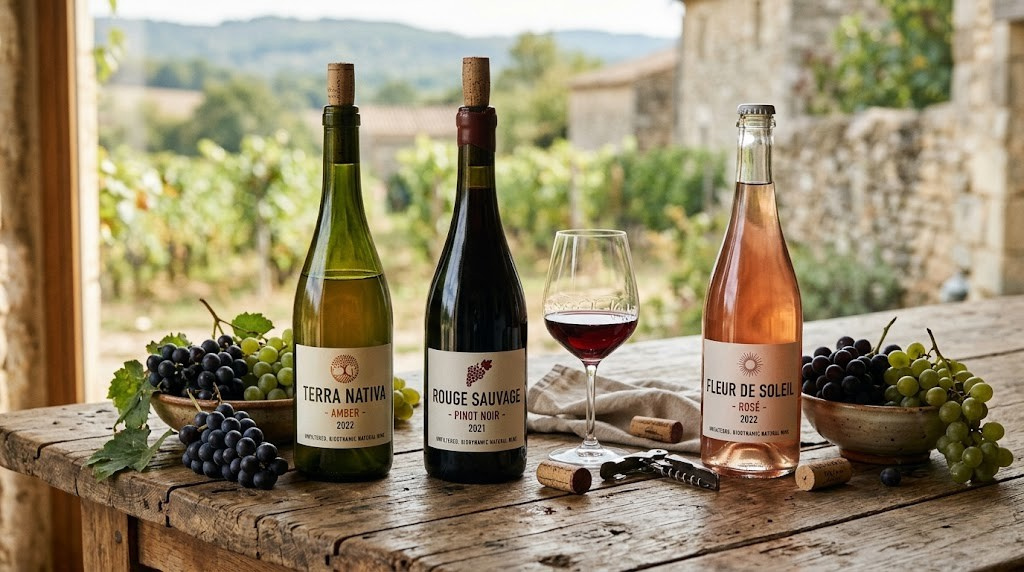
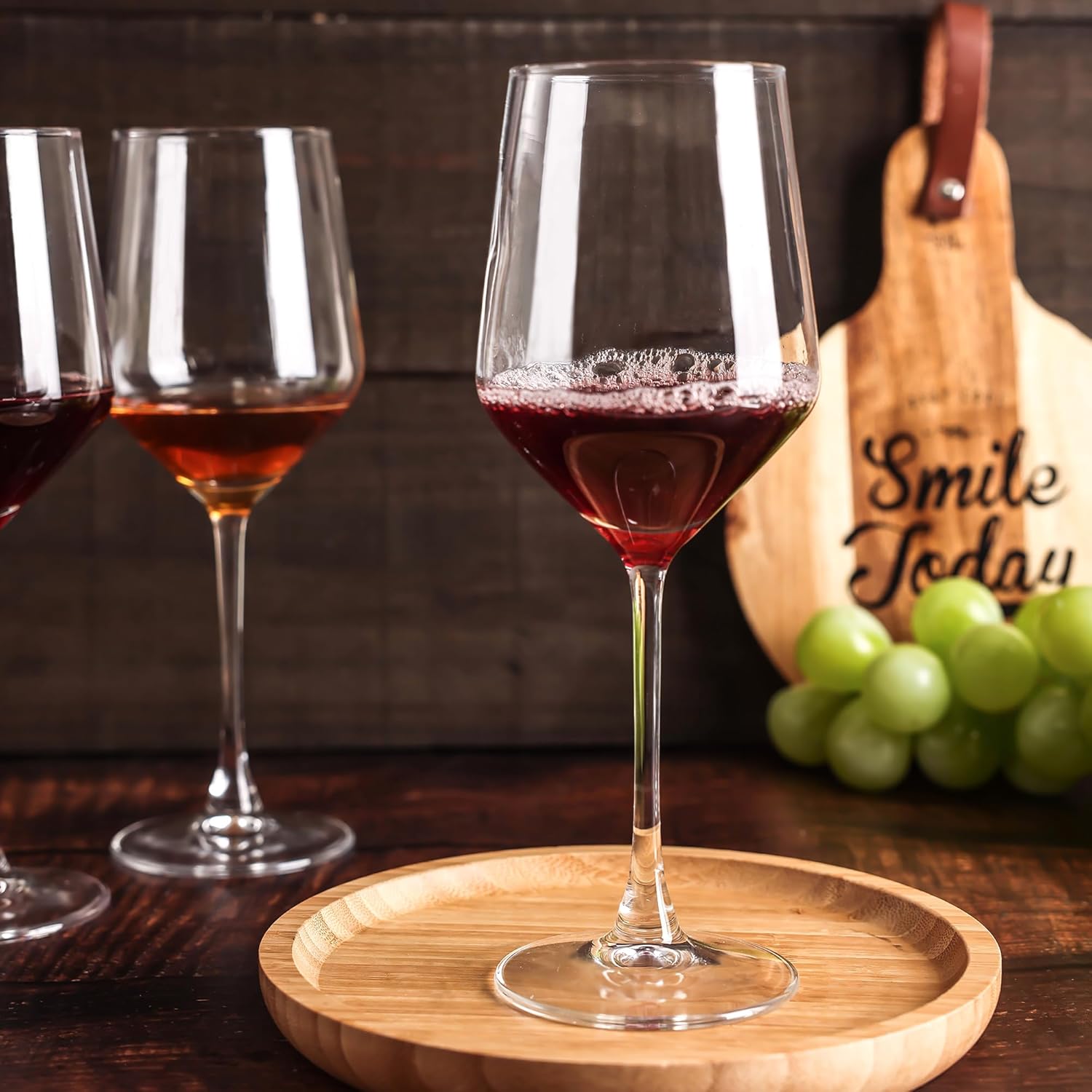
Natural wines vary wildly in color, clarity, and flavor — each bottle a portrait of its place and vintage.
Natural wine has gone from fringe curiosity to cultural movement — filling the shelves of independent wine shops, dominating sommelier conversation, and drawing a new generation of drinkers who want to know not just what’s in their glass, but how it got there. This guide tells the full story: the philosophy, the science, the arguments, and — most importantly — what actually tastes good.
What Is Natural Wine? A Working Definition
Ask ten natural winemakers to define “natural wine” and you’ll get eleven different answers. That’s not a flaw — it’s the point. Natural wine resists official definition by design. It is a philosophy before it is a product, and philosophies don’t come with precise regulatory language.
Still, a working definition exists in practice. Natural wine is made from organically or biodynamically farmed grapes, fermented with ambient (wild) yeasts, with minimal or no additives during production, and is typically unfiltered and unfined. The phrase most often used by producers themselves is “nothing added, nothing taken away.“
Compare this to conventional wine, where winemakers may legally use over 70 permitted additives — including commercial yeasts to control fermentation flavor, sulfur dioxide as a preservative, mega-purple to deepen color, tartaric acid for balance, bentonite clay for fining, and gelatin, egg whites, or fish bladders (isinglass) to clarify. Natural wine rejects most or all of these tools.
The closest thing to an official definition comes from the French organization Association des Vins Naturels (AVN) and the Vin Méthode Nature charter launched in 2020, which allows tiny sulfite additions (maximum 30 mg/L total SO₂) while certifying biodynamic or organic farming and native yeast fermentation. But compliance is voluntary, and many producers who consider themselves natural don’t bother with any certification.
For a deep dive into how natural wine relates to the broader category of organic and sustainable farming, see our article on organic and natural wines: farming practices explained.
The Three Pillars of Natural Wine
- Organic or biodynamic farming — No synthetic pesticides, herbicides, or fertilizers. The vineyard is treated as a living ecosystem.
- Wild yeast fermentation — The wine ferments using whatever yeasts live on the grape skins and in the cellar air, rather than commercial inoculated strains.
- Minimal additives — Little to no sulfites, no fining agents, no acidification, no commercial enzymes, no color or flavor manipulation.
What natural wine is not: it is not automatically low-alcohol, not always cloudy, not necessarily more expensive, and not always better for your health — though on that last point, the data is nuanced and we’ll examine it fully in the sulfites section below.
Understanding what natural wine is also means understanding what it is philosophically opposed to: the industrialization of wine. The natural wine movement is, at its heart, a reaction to 20th-century winemaking that prioritized consistency, yield, and global palatability over place, vintage variation, and the living character of the grape.

From biodynamic reds to pét-nat whites — discover natural wine gift sets and curated selections.
Shop Natural Wine on Amazon →The History of Natural Wine: From Ancient Caves to Urban Wine Bars
In one sense, all wine was once natural wine. Before the advent of industrial chemistry, refrigeration, and commercial yeast companies, every wine was made from ambient yeasts, unfiltered, and without synthetic preservatives. The “natural wine movement” is not really a new invention — it’s a reclamation of how wine was made for millennia before the 20th century changed everything.
6000 BCE
Evidence of earliest wine fermentation in modern-day Georgia (the Caucasus) — wild yeasts, clay amphorae, no additives. This is what we’d now call natural wine.
1800s–1950s
The industrial revolution reaches viticulture. Sulfur becomes widely used. Chemical fertilizers and pesticides transform vine farming after World War II. Yield trumps quality.
1950s–1970s
Jules Chauvet, a French winemaker and chemist in Beaujolais, begins experimenting with carbonic maceration using whole clusters and zero sulfur. He becomes the philosophical godfather of the modern natural wine movement.
1980s–1990s
Marcel Lapierre, Jean Foillard, and others in Beaujolais follow Chauvet’s lead. In the Loire, Nicolas Joly pioneers biodynamic viticulture. In Paris, a small network of cavistes and restaurants begins seeking out these wines.
2000s
The movement spreads. La Belle Angèle and other Parisian natural wine bars become cultural touchstones. Importers in the US and UK — like Kermit Lynch and Louis/Dressner — build followings around natural and artisan producers. Josko Gravner in Friuli revives ancient amphora winemaking.
2010s
Natural wine goes global and viral. Dedicated fairs like RAW Wine (London, New York, Berlin) attract tens of thousands of visitors. Pét-nat and orange wine become Instagram sensations. Major cities from Tokyo to Sydney develop thriving natural wine bar scenes.
2020–present
France launches the Vin Méthode Nature certification. Natural wine is a multi-billion-dollar global market. Climate change adds new urgency — low-intervention farming’s emphasis on healthy soil and biodiversity aligns naturally with environmental concerns.
The critical figure in this history is Jules Chauvet (1907–1989), a Beaujolais négociant and self-taught chemist who spent decades arguing that great wine emerges from healthy grapes and benign neglect — not from laboratory manipulation. His informal student, Marcel Lapierre, brought these ideas to a generation of winemakers who would eventually define what we now call natural wine.
It’s worth noting that the “natural wine movement” as a cultural phenomenon is also partly a reaction to the dominance of the wine critic Robert Parker, whose preference for ripe, concentrated, heavily extracted wines in the 1990s and 2000s pushed producers globally toward interventionist winemaking. Natural wine represents, in part, a philosophical rejection of that homogenized palate.
How Natural Wine Is Made: Vineyard to Bottle
Understanding natural wine requires understanding two separate but inseparable stages: what happens in the vineyard and what happens in the cellar. Natural wine begins before the wine is made — it begins in the soil.
In the Vineyard: Farming as the Foundation
The natural wine philosophy holds that the best intervention is the one that doesn’t need to happen — and that requires building healthy, balanced vines. This starts with the soil.
Natural wine producers avoid synthetic herbicides, pesticides, and chemical fertilizers. Instead, they cultivate cover crops between vine rows to add organic matter, encourage biodiversity, and prevent erosion. They may use copper sulfate (approved in organic farming) for mildew control and sulfur-based sprays for powdery mildew — but in much lower quantities than conventional growers.
Many natural wine growers also practice biodynamic farming — using specific herbal preparations (yarrow, chamomile, valerian) applied in minute quantities to strengthen vine immunity, timed according to lunar calendars. For more on the philosophy behind this approach, our biodynamic wine guide goes into full detail.
Hand harvesting is almost universal among natural producers. Machine harvesting damages grape skins and causes premature oxidation before the wine is even made. Harvesting by hand, typically into small baskets or crates, keeps grape clusters intact and preserves the wild yeasts on the grape skins.
Low yields are another hallmark. Natural wine growers typically accept smaller crops to concentrate flavor and reduce vine stress. Where a conventional producer might target 80–120 hectoliters per hectare, a natural wine producer may be happy with 25–40 hl/ha.
In the Cellar: The Art of Non-Intervention
The cellar is where natural wine philosophy really gets tested. Industrial winemaking offers a menu of precision tools: inoculate with this yeast for a fruity profile, add that enzyme to clarify faster, fine with bentonite to remove proteins, filter to achieve crystal clarity, add sulfite to guarantee stability. Natural winemakers refuse most or all of these options.
Wild Yeast Fermentation
This is perhaps the most defining characteristic of natural wine. Conventional winemakers inoculate their must with commercial yeast strains — each strain engineered for specific flavor outcomes (more ester-y, more fruity, higher alcohol tolerance, etc.). Natural winemakers rely instead on the wild yeasts naturally present on grape skins and in the cellar environment. These include Saccharomyces cerevisiae strains as well as non-Saccharomyces species like Lachancea thermotolerans, Torulaspora delbrueckii, and Metschnikowia pulcherrima.
Wild fermentation is slower, less predictable, and sometimes temperamental — it can stall, produce off-flavors, or finish with residual sugar if the yeast dies before consuming all the grape sugars. But it also produces more complex, site-specific flavors that advocates argue make natural wine taste more alive.
Vessel Choice
Natural winemakers often favor neutral vessels — old oak barrels (where the wood flavor has been exhausted), concrete tanks, or clay amphorae — to avoid adding flavors to the wine. The goal is to let the fruit and the fermentation express themselves without oak influence.
Amphora winemaking, popularized by Josko Gravner in Friuli and widespread in Georgia’s tradition, allows micro-oxygenation through the porous clay while maintaining the wine’s native character. For context on different vessel types and how they affect wine, our comparing wine decanters: shape, capacity, material guide covers the science of surface area and oxygen contact in helpful detail.
Sulfite Use (or Non-Use)
Sulfur dioxide (SO₂) is the most debated topic in natural wine circles. It’s a powerful antioxidant and antimicrobial preservative that has been used in winemaking since Roman times (they burned sulfur wicks in empty barrels). Conventional wines can legally contain up to 350 mg/L total SO₂ in the EU (210 mg/L for reds).
Natural wine producers either use no SO₂ at all (labeled sans soufre or “no added sulfites”) or add a small protective dose at bottling — typically under 30 mg/L. The absence of sulfites makes the wine more biologically active and less stable, which is why many natural wines need to be consumed relatively quickly and kept cold.
No Fining, No Filtration
Conventional wines are often fined (a clarifying process using egg whites, casein, isinglass, or bentonite clay to precipitate proteins and tannins) and filtered (passed through progressively finer membranes to achieve brilliance). Natural wines skip both, which is why they’re often cloudy, with visible sediment. That cloudiness is not a flaw — it’s live yeast cells, grape pulp particles, and tartrate crystals. The wine is literally alive.
Many natural wines benefit enormously from aeration. A good aerator can transform a tight, closed bottle in seconds.
Shop Wine Aerators on Amazon →Natural vs. Organic vs. Biodynamic: What’s the Actual Difference?
These three terms are often used interchangeably by consumers, but they represent distinct — though overlapping — philosophies and practices. Understanding the differences is essential for shopping intelligently and appreciating what’s in your glass.
| Category | Farming | Cellar | Certification? | Sulfites |
|---|---|---|---|---|
| Natural Wine | Organic or biodynamic; no synthetics | Wild yeast, minimal additives, unfiltered, unfined | Optional (Vin Méthode Nature in France) | Zero to 30 mg/L total |
| Organic Wine | No synthetic pesticides, fertilizers, herbicides | Commercial yeasts and additives still allowed | Yes (USDA Organic, EU Organic, etc.) | Up to 100 mg/L (EU) / 0 added (USDA) |
| Biodynamic Wine | Organic + biodynamic preparations + lunar calendar | Some cellar restrictions, but commercial yeasts may be used | Yes (Demeter, Biodyvin) | Up to 70 mg/L total (Demeter) |
| Conventional Wine | Synthetic chemicals permitted | Full range of additives and processes | N/A | Up to 350 mg/L (EU) |
The key insight: organic wine is defined entirely by what happens in the vineyard. A wine can be certified organic yet produced with commercial yeasts, extensive fining, and heavy sulfite additions — that is not natural wine. Biodynamic wine adds a spiritual/philosophical dimension to organic farming and imposes slightly more cellar restrictions, but still permits practices that natural wine rejects.
Natural wine encompasses the cellar as much as the farm. It’s the most demanding of the three in terms of winemaker restraint, but also the least formally regulated.
For much more on these farming distinctions, see our detailed article on organic and natural wines: farming practices explained.
It’s also worth noting that many producers who farm and make wine naturally do not use any certification — because the certification costs money, time, and bureaucracy that small artisan producers often cannot spare. The absence of a label doesn’t mean the absence of natural practices. Trust the importer, the shop, and your own palate.
✅ Why Choose Natural Wine
- Expressive, complex, site-specific flavors
- No industrial additives or processing agents
- Supports small-scale, ecological farming
- Exciting variety — every bottle can be different
- Part of a genuine food and farming philosophy
- Aligns with organic and low-chemical lifestyles
⚠️ Challenges to Consider
- Less stable — must be stored and consumed more carefully
- Can be more expensive per bottle
- No official universal definition or certification
- Some bottles are faulty (volatile acidity, brett, oxidation)
- Inconsistency between vintages from same producer
- Not always available in standard wine retailers
What Does Natural Wine Actually Taste Like?
This is the question that trips up most newcomers and inflames the most debate. Natural wine is not a flavor style — it is a production philosophy. The resulting wines span an enormous spectrum. A natural Muscadet from the Loire can taste crisp, saline, and pure. A natural Gamay from Beaujolais might burst with fresh raspberry and granite. An extended maceration natural white from Friuli can taste like a nutty, tannic, orange-hued puzzle. And a pét-nat from the Loire might taste like fizzy apple cider spiked with grape juice.
That said, certain flavor characteristics are more common in natural wine than in conventional wine:
Flavors Common in Natural Wine
The phrase “funky” is both natural wine’s greatest selling point and its greatest liability. For enthusiasts, funk — the barnyard, earthy, slightly fermented character that comes from wild yeast and no filtration — is precisely what makes natural wine alive and exciting. For skeptics, it’s a cover for faulty winemaking. The truth lies somewhere between: some funk is character; some funk is flaws. Learning to distinguish them takes time and tasting.
The Pét-Nat Phenomenon
Pétillant naturel, or pét-nat, deserves its own mention as the most Instagram-famous expression of natural wine. Made by bottling still-fermenting wine and allowing secondary fermentation to create natural bubbles (the méthode ancestrale), pét-nats are typically low in alcohol (7–11% ABV), slightly cloudy, capped with a crown cap rather than a traditional cork, and bursting with fresh, cidery, grape-forward fizz.
Pét-nat has become the entry point for a generation of drinkers who find conventional Champagne too serious and who want something fun, approachable, and genuinely different. For more on how it compares to traditional method sparkling wines, see our Prosecco vs. Champagne production methods article.
Orange Wine: The Natural Wine Crossover
Many natural wine lovers are also orange wine lovers — the two worlds overlap considerably. See our dedicated orange wine guide for a full exploration of skin-contact white wines and their relationship to natural wine philosophy.

Decanting a natural wine can transform it — separating sediment and allowing wild, funky aromas to open up beautifully.
Shop Wine Decanters on Amazon →Where Natural Wine Comes From: Key Regions and Producers
Natural wine is made on every continent where grapes grow, but certain regions have a richer tradition of low-intervention winemaking than others. These are the places where the philosophy was born, where it’s most deeply embedded in the culture, and where you’re most likely to find consistently excellent bottles.
🇫🇷 Loire Valley, France
The heartland of modern natural wine. Chenin Blanc, Muscadet, Gamay, and Cabernet Franc are made here with fierce purity. Producers like Nicolas Joly, Didier Dagueneau (legacy), and Mark Angeli are legendary. The Anjou subregion alone has more natural producers per hectare than almost anywhere else on Earth.
🇫🇷 Beaujolais, France
Marcel Lapierre’s legacy lives on. This is the birthplace of the modern natural wine movement, built on Gamay grapes and granite soils. Marcel Lapierre, Jean Foillard, Jean-Paul Thévenet, and Guy Breton — the “Gang of Four” — remain reference points.
🇮🇹 Friuli-Venezia Giulia, Italy
The cradle of orange wine and amphora winemaking. Josko Gravner and Stanko Radikon revolutionized winemaking here. Long-macerated whites from Ribolla Gialla and Pinot Grigio have earned cult followings globally.
🇬🇪 Georgia (Caucasus)
The original natural wine country — 8,000 years of winemaking in clay qvevri amphorae buried in the earth. Rkatsiteli and Mtsvane grapes fermented on skins in qvevri are the world’s oldest living wine tradition. Now part of a booming natural wine renaissance.
🇦🇹 Austria
Grüner Veltliner and Riesling from the Wachau, Kamptal, and Kremstal, made with surgical precision and low intervention. Producers like Christian Tschida and Gut Oggau are darlings of the natural wine world.
🇪🇸 Spain
Galicia’s Rías Baixas produces stunning natural Albariños. The Canary Islands host producers working with ancient, pre-phylloxera volcanic vines. Catalonia has a buzzing natural scene around Penedès and Terra Alta.
🇨🇱 Chile & 🇦🇷 Argentina
South America’s natural wine movement is gaining serious momentum. Maule Valley in Chile produces extraordinary Pais and Carignan from century-old vines. Argentina’s Mendoza has natural Malbec producers pushing against the region’s Parker-friendly conventions.
🇺🇸 United States
Oregon’s Willamette Valley, California’s Central Coast and Sierra Foothills, and New York’s Finger Lakes all have growing natural wine scenes. Brands like Bow & Arrow (Oregon) and Donkey & Goat (California) have built national followings.
Notable Natural Wine Producers Worth Knowing
| Producer | Region | Signature Style | Known For |
|---|---|---|---|
| Marcel Lapierre | Beaujolais, France | Gamay, zero-sulfur | Godfather of modern natural wine |
| Nicolas Joly | Loire, France | Chenin Blanc | Pioneer of biodynamic viticulture |
| Josko Gravner | Friuli, Italy | Orange wine, amphora | Revived ancient winemaking methods |
| Stanko Radikon | Friuli, Italy | Long-maceration whites | Radical skin-contact pioneer |
| Cornelissen, Frank | Sicily, Italy | Etna Rosso, pét-nat | Volcanic terroir expression |
| Dard & Ribo | Rhône, France | Crozes-Hermitage, St-Joseph | Natural Northern Rhône pioneers |
| Christian Tschida | Burgenland, Austria | White and rosé blends | Lyrical, minimal-intervention wines |
| Elisabetta Foradori | Trentino, Italy | Teroldego in amphora | Biodynamic and clay vessel pioneer |
For broader context on how geography shapes wine character, our wine terroir guide and our comparison of old world vs. new world wine terroir are essential reading.
Natural Wine Grape Varieties: What to Look For
There are no grape varieties exclusive to natural wine — any grape can be farmed and vinified naturally. However, certain varieties are disproportionately favored by natural wine producers, either because they thrive under organic farming, because they’re historically associated with low-intervention traditions, or simply because of the regions where natural wine is strongest.
White Varieties
| Variety | Key Regions | Natural Wine Style |
|---|---|---|
| Chenin Blanc | Loire Valley, South Africa | Waxy, honeyed, high acid; incredible age-worthiness; makes stunning natural wines across all styles from bone-dry to sweet |
| Muscadet (Melon de Bourgogne) | Loire Valley | Saline, mineral, lemony; extended lees aging (sur lie) gives creamy weight; quintessential natural white |
| Ribolla Gialla | Friuli, Slovenia | High acid, thick skins perfect for extended maceration; makes the world’s most celebrated orange wines |
| Savagnin | Jura, France | Oxidative, nutty, walnut and curry notes; the source of legendary Jura naturals |
| Rkatsiteli | Georgia | Ancient variety with thick skins; fermented in qvevri for amber wines of incredible complexity |
| Chardonnay | Burgundy, elsewhere | In natural form: lean, chalky, minimal oak; a very different creature from heavily manipulated commercial versions |
Red Varieties
| Variety | Key Regions | Natural Wine Style |
|---|---|---|
| Gamay | Beaujolais, Loire | The grape of the natural wine movement’s origin story; raspberry, granite, savory; light-bodied and electric |
| Pinot Noir | Burgundy, Oregon, elsewhere | Fragrant, earthy, silky; naturally low tannin makes it ideal for low-intervention winemaking |
| Grenache / Garnacha | Rhône, Spain, Sardinia | Spicy, strawberry, often produced as whole-cluster natural; Sardinian Cannonau is a natural wine treasure |
| Carignan | Languedoc, Chile, Spain | Old vines produce extraordinary natural wines — dark fruit, herbal, tannic; previously underrated, now celebrated |
| Trousseau / Poulsard | Jura, France | Light color, ethereal, earthy; quintessential Jura naturals with a cult following |
| Teroldego | Trentino, Italy | Deep, dark, full of mountain character; stunning in amphora under the hands of Foradori |
For a broader introduction to wine varieties and what makes each distinctive, our wine varietals explained guide is an excellent companion to this one. If you’re curious about tannin levels and how they differ between varieties — important context for understanding natural wine’s structure — see what is tannin in wine.
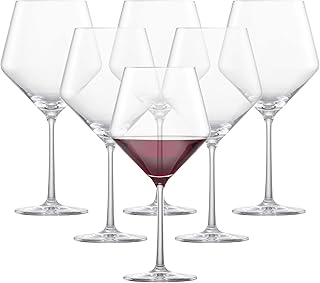
Natural wine’s complex aromas deserve a glass that captures them. Explore top-rated wine glasses for Gamay, Pinot, and Chenin.
Shop Wine Glasses on Amazon →Orange Wine and Natural Wine: The Skin-Contact Connection
No discussion of natural wine is complete without addressing orange wine — the amber-hued, skin-contact white that has become one of the most talked-about wine styles of the past decade. Orange wine and natural wine are not the same thing, but they are deeply intertwined in culture, philosophy, and production approach.
Orange wine is made by fermenting white grapes with their skins left in contact with the juice — for anywhere from a few days to several months or even years. The skins impart tannins, phenolic compounds, color (ranging from pale gold to deep amber), and flavor complexity that conventional white wine lacks. The result is something between white wine and red wine in structure, but entirely its own category.
The connection to natural wine is strong because extended skin contact is one of the most ancient and low-intervention winemaking methods. You simply crush the grapes, leave everything together, and let fermentation happen. No added enzymes, no color additives, no filtration. The wine makes itself.
Orange wine is not automatically natural. Some large producers make skin-contact white wines using conventional yeasts and additives. But the philosophy aligns so naturally that the majority of the world’s celebrated orange wines come from natural wine producers. For a full exploration of the style, our orange wine vs. white: skin contact flavor article is the best starting point, and we also have a dedicated skin-contact wine explanation for complete beginners.
Sulfites, Health, and Natural Wine: What the Science Says
One of the most common reasons people give for choosing natural wine is health — specifically, the belief that lower sulfites mean fewer headaches, better digestion, and a cleaner morning after. This deserves a careful, honest examination, because the science is more nuanced than the marketing.
What Are Sulfites?
Sulfur dioxide (SO₂) is both naturally produced during fermentation (so all wine contains some sulfites, even “no sulfite added” wines) and widely added as a preservative and antioxidant. In natural wine, total SO₂ typically runs 0–30 mg/L. In conventional wine, it can reach 100–350 mg/L depending on style and sweetness level (sweeter wines need more sulfite protection).
Sulfites are found in far higher concentrations in other common foods — dried apricots can contain up to 3,000 mg/kg. The “sulfites cause headaches” theory, while widely believed, is not strongly supported by current research. Only about 1% of the population has true sulfite sensitivity (mostly people with severe asthma), and for them, even trace amounts can trigger respiratory reactions. For the general population, headache after wine is more likely related to alcohol, histamines, or tannins than sulfites.
What Natural Wine Does (and Doesn’t) Avoid
| Additive | Purpose in Conventional Wine | Natural Wine? |
|---|---|---|
| Commercial yeasts | Predictable fermentation, engineered flavor | ❌ Not used |
| Sulfur dioxide (high levels) | Preservation, antioxidant | ❌ Minimized or zero |
| Mega-purple | Artificially deep color | ❌ Not used |
| Tartaric acid | Acidification | ❌ Not used |
| Bentonite clay | Protein fining, clarity | ❌ Not used |
| Isinglass / gelatin / egg white | Fining (removes tannins) | ❌ Not used |
| Dimethyl dicarbonate (DMDC) | Microbial stabilization | ❌ Not used |
| Oak chips / staves | Impart oak flavor without barrel aging | ❌ Not used |
For sensitive individuals and those with animal product concerns, natural wine’s avoidance of fining agents (especially isinglass from fish bladders) is a significant practical benefit, making most natural wines vegan-friendly without any special certification required.
Our guide to sulfite-free wine goes deeper into how to identify and select wines with minimal sulfite content if this is a priority for you.
How to Buy Natural Wine: A Practical Shopper’s Guide
Buying natural wine is not like buying conventional wine. The usual shortcuts — reading a Parker score, recognizing a familiar producer name on a supermarket shelf — don’t always apply. Natural wine rewards curiosity, conversation, and trust in your retailer.
Where to Buy Natural Wine
- Specialty natural wine shops — The best source. Staff are usually deeply knowledgeable and passionate. Cities like New York, London, Paris, Melbourne, and Tokyo have excellent dedicated shops.
- Natural wine bars — Many now sell bottles to take home. The advantage: you can taste before buying.
- Online specialty retailers — Primal Wine, Graft Wine Shop, Dry Farm Wines (US), and similar platforms specialize in natural wine delivery with curated selections and detailed producer notes.
- Wine subscription services — Services increasingly offer natural and low-intervention options. See our review of 2026 wine subscription features and value.
- Farmers markets and producer events — RAW Wine Fair (London/New York/Berlin), La Dive Bouteille (Loire, France), and similar natural wine festivals are unparalleled for discovery.
How to Read Natural Wine Labels
Natural wine labels often look different from conventional ones — hand-drawn illustrations, minimal text, unusual typography. Here’s what to look for:
Label Signals to Look For
- “Vin Méthode Nature” — French certification; biodynamic/organic farm, native yeast, no or very low sulfites
- “Sans soufre ajouté” or “No sulfites added” — No added SO₂ (note: trace natural sulfites still present)
- “Biodynamic” / “Demeter” certified — High farming standards; cellar practices vary
- “Organic” / “AB” certified — Farm is organic; cellar practices may or may not be minimal
- “Unfiltered” or “Non filtré” — No filtration; expect cloudiness and sediment
- “Pétillant naturel” or “Pét-Nat” — Ancestral method sparkling; wild, funky, joyful
For a deep dive into reading wine labels more generally, our guide on how to read wine labels quickly will sharpen your shopping skills considerably.
Natural Wine Price Guide
| Price Range | What to Expect | Example Bottles |
|---|---|---|
| $15–25 | Entry-level naturals; pét-nats; simple Gamay and Muscadet; great everyday drinking | Marcel Lapierre Raisins Gaulois, Domaine de la Pépière Muscadet |
| $25–45 | Quality mid-range; complex Chenin Blancs, serious Jura wines, elegant Pinot Noirs | Bornard Poulsard, Foradori Fontanasanta Pinot Grigio |
| $45–80 | Premium natural wine; aged expressions; top Beaujolais crus; classic Loire | Marcel Lapierre Morgon, Jean Foillard Côte du Py |
| $80+ | Cult naturals; rare producers; aged amphora wines; collector expressions | Gravner Ribolla, Radikon Oslavje, Dard & Ribo Hermitage |
For budget-conscious wine lovers, our affordable wine picks for 2026 includes a selection of natural wine values under $25 that punch well above their price.
The Importance of the Importer
In the US and UK, the importer is often a more reliable quality signal than the label itself. Importers who specialize in natural wine — like Louis/Dressner (US), Zev Rovine Selections, Jenny & François (US), and Les Caves de Pyrène (UK) — taste everything they bring in and maintain personal relationships with producers. Seeing their name on the back label is a useful shortcut.

Natural wine without sulfites is more fragile once open. A quality wine stopper or preservation system protects it from oxidation.
Shop Wine Preservers on Amazon →Storing and Serving Natural Wine: Handling a Living Bottle
Natural wine is more fragile than conventional wine. Without high sulfites to protect against oxidation and microbial activity, it requires more careful handling — both in storage and at the table.
Storage Guidelines
Natural Wine Storage Essentials
- Temperature: 50–55°F (10–13°C) ideal. Avoid temperature fluctuations.
- Position: Store corked bottles on their side to keep the cork moist. Crown-capped pét-nats can stand upright.
- Light: Darkness is essential — UV light degrades wine rapidly, and natural wine’s lower protection makes it more vulnerable.
- Vibration: Keep away from vibration sources (washing machines, heavy foot traffic). Natural wine’s live yeasts are sensitive.
- Humidity: 60–70% humidity prevents cork desiccation.
- Drink timeline: Most natural wines are best within 1–3 years of release. Exceptions exist for structured wines from top producers.
For comprehensive home storage advice, our guide on how to store wine at home: temperature and humidity tips covers every scenario. If you’re shopping for a wine fridge to store natural wine properly, our best wine fridges roundup is the place to start, or check out dedicated reviews like our Wine Enthusiast cooler review.
Serving Natural Wine
Natural wine, particularly reds, is often served cooler than conventional wine. A lightly chilled Beaujolais Gamay at 57–60°F shows its vibrant fruit and granite minerality far better than the same wine served at room temperature. Natural whites — especially skin-contact orange wines — can take a few degrees warmer than conventional whites to open up their complexity.
Should You Decant Natural Wine?
Decanting natural wine is a matter of judgment. Many natural wines are made to be drunk young and fresh, and prolonged decanting can actually dull their vibrancy. However, more structured natural wines — aged Jura reds, old-vine Carignan, dense amphora wines — benefit from 30–60 minutes of breathing. Sediment is common in unfiltered bottles: decant gently, leaving the sediment behind. Our decanting wine guide covers the full technique.
Glassware for Natural Wine
Natural wine’s complex aromas deserve appropriate glassware. Many sommeliers use larger, rounder Burgundy-style glasses for natural reds (especially Gamay) to allow the delicate aromatics to develop. For natural whites and orange wines, a tulip-shaped white wine glass or even a wide Burgundy bowl works well. Our guide on top red wine glass picks by style will help you match glass to grape.
Cloudiness in the Glass
If your natural wine is cloudy, that’s normal and expected for unfiltered bottles. Some producers recommend gently inverting the bottle once before pouring to redistribute the lees evenly throughout the wine, creating a more consistent experience from glass to glass. Others prefer to leave sediment at the bottom and pour carefully. There’s no single right answer — it depends on the wine and your preference.
For natural wines stored without refrigeration, see our tips on how to store wine without a wine fridge.
Food Pairing with Natural Wine: A Philosophy of Honest Flavors
Natural wine pairs best with honest food. Not elaborate, architectural tasting-menu constructions — though it can handle those too — but food that has flavor, texture, and character of its own. Think farmhouse cooking, fermented foods, whole-animal preparations, and simple but excellent ingredients.
The high acidity in most natural wines makes them excellent food wines. Acidity cuts through fat, refreshes the palate, and creates the sensation of wanting another bite — and another sip. It’s why natural wine has become such a staple of nose-to-tail restaurants and natural food movements globally.
| Natural Wine Style | Best Food Pairings | Why It Works |
|---|---|---|
| Natural Gamay (Beaujolais) | Charcuterie, pork rillettes, roast chicken, mushroom dishes | Fresh acidity and light tannins complement savory, earthy flavors |
| Natural Chenin Blanc (Loire) | Goat cheese, roast pork, river fish, vegetable terrines | Waxy texture and bright acidity bridge rich and delicate dishes |
| Orange Wine / Skin-Contact White | Aged cheese, cured meats, Middle Eastern spices, grilled vegetables | Tannins and texture handle dishes too rich or spiced for conventional whites |
| Pét-Nat | Fried food, sushi, raw oysters, aperitivo spreads | Bright bubbles and acidity cut through richness; low alcohol suits delicate bites |
| Natural Pinot Noir / Jura Rouge | Duck, wild mushrooms, aged Comté, venison | Earthy, gamey notes in wine echo earthy, gamey character of food |
| Natural Carignan / Grenache | Lamb, harissa, slow-cooked legumes, grilled aubergine | Deep fruit and herbal character match Mediterranean-style cooking |
Fermented foods are particularly magical with natural wine — the wine’s own fermentation character (from wild yeasts) creates a sympathetic resonance with kimchi, miso, aged cheese, charcuterie, and pickles. This is why natural wine has become the house wine of progressive restaurants that focus on fermentation and preservation as cooking techniques.
For broader food pairing guidance, our resources on cheese and wine pairing, how to pair wine with food, and seafood and wine pairing are excellent companions to this natural wine guide.

Natural wine tasting is an adventure. Keep a tasting journal to track producers, vintages, and the notes you love (or find challenging).
Shop Wine Journals on Amazon →The Controversies Around Natural Wine: An Honest Look
Natural wine is not without its critics, and those critics — many of whom are serious, thoughtful wine professionals — raise legitimate points. Understanding the debate makes you a smarter consumer.
The Faulty Wine Problem
The most substantive critique of natural wine is that “low intervention” can become a cover for “poor winemaking.” Volatile acidity (VA), brett (Brettanomyces), mousiness, and oxidation are all potential flaws in poorly made wine — and they appear more frequently in natural wine because the winemaker has removed the stabilizing tools that conventional winemaking uses to prevent them.
The natural wine community is divided on where the line falls between character and fault. Some argue that any brett, any VA, is a flaw and represents a failure of cellar hygiene. Others argue that trace levels of these compounds add complexity and that what the conventional palate reads as “fault” is simply unfamiliarity.
The honest answer: both are sometimes true. Some natural wines are genuinely faulty — and hiding behind ideology doesn’t change that. Others have character that reads as funky to the uninitiated but becomes beloved with experience. Learning to tell the difference takes time.
The “No Definition” Problem
Because natural wine lacks a legal definition, anyone can call their wine “natural.” A producer who sprays their vineyard with herbicides, inoculates with commercial yeast, and heavily filters the wine can print “made naturally” on the label in most jurisdictions with no repercussions. This ambiguity frustrates both consumers and honest producers.
The Vin Méthode Nature certification is a step toward addressing this in France, but it remains voluntary and relatively obscure outside French wine circles. For now, provenance (knowing your producer, your importer, and your retailer) remains the most reliable guarantee of genuine natural wine.
The Sustainability Question
Natural wine’s ecological credentials are genuinely strong in the vineyard: organic and biodynamic farming builds healthier soil, supports biodiversity, sequesters carbon, and reduces chemical runoff. These are meaningful environmental benefits, not marketing claims.
However, the picture is more complicated in some areas. Copper sulfate — used in organic farming for mildew control — accumulates in soil and can be toxic to earthworms at high concentrations. And artisan natural wine production’s reliance on manual labor and small-scale operations means it’s often available only to affluent consumers in wealthy cities, raising questions about accessibility and equity in the food system.
These are not arguments against natural wine. They’re arguments for honest engagement with what it is and what it isn’t. Natural wine is better for the planet than conventional industrial wine in most meaningful ways. It is not perfect.
Natural Wine Vocabulary: Terms Every Enthusiast Should Know
Natural wine comes with its own distinctive vocabulary. Here are the terms you’ll encounter most often:
| Term | Meaning |
|---|---|
| Pét-Nat | Short for pétillant naturel — a sparkling wine made by bottling still-fermenting wine (méthode ancestrale), creating natural bubbles. Often cloudy and capped with a crown cap. |
| Sans soufre | French for “without sulfur” — no sulfur dioxide added. Note that trace natural sulfites still exist from fermentation. |
| Qvevri / Amphora | Clay vessels used for fermenting and aging wine. Qvevri is the Georgian term for egg-shaped clay pots buried in the earth. The ancient technique is central to Georgian wine culture and adopted by natural winemakers worldwide. |
| Sur lie | Wine aged on its lees (dead yeast cells) without racking or fining. Common in Muscadet and many natural whites — it adds creaminess, complexity, and a slight autolytic character. |
| Carbonic maceration | Whole grape clusters ferment in a CO₂-rich environment without crushing. Creates the classic fresh, banana-and-bubblegum Beaujolais character. Often used by natural Gamay producers. |
| Brettanomyces (Brett) | A wild yeast that produces barnyard, leather, and horse saddle aromas. In small doses, it’s character; in large doses, it’s a flaw. Controversial in natural wine circles. |
| Volatile acidity (VA) | Acetic acid (vinegar) in wine. Trace levels add complexity; high levels indicate a faulty wine. Natural wines can be more prone to VA if cellar hygiene is poor. |
| Mousiness | A specific off-flavor found in some natural wines — described as mouse cage or popcorn at the back of the palate. Caused by certain bacteria and difficult to detect in the bottle. A genuine flaw, not a style choice. |
| Low intervention | A synonym or near-synonym for natural wine, favored by producers who don’t want to claim the “natural” label but follow similar practices. |
For an even broader wine vocabulary, check out our wine glossary for beginners and our wine terminology and tasting vocab guide.
Frequently Asked Questions About Natural Wine
Conclusion: Why Natural Wine Matters
Natural wine is not a trend. It’s a correction. After decades of industrial winemaking that prioritized consistency over character, yield over terroir, and the laboratory over the vine, natural wine represents a return to something older and more honest — the idea that wine should taste like the place it came from, the year it was harvested, and the hands that made it.
Is every natural wine good? No. Some are faulty, some are overpriced for what they deliver, and some are protected by ideology when they should be held accountable by craft. But the best natural wines — a transparent Muscadet that tastes of the Atlantic, a Beaujolais Gamay that bursts with granite and raspberries, an orange Ribolla from Friuli that unfolds over hours in the glass — are among the most alive, memorable, and deeply delicious things you can put in a wine glass.
Approach natural wine with curiosity rather than certainty. Taste widely. Trust your palate. Find a shop with people who care. And don’t be afraid of a little cloudiness — that’s the wine, still alive in the bottle, still becoming what it’s going to be.
Ready to explore? Start with a pét-nat, a Beaujolais from the Gang of Four, or a skin-contact white from Friuli. The natural wine world is enormous, generous, and endlessly surprising. Welcome to it.
Explore Natural Wine on Amazon → Deep Dive: Organic & Natural Wine Farming →