What Is a Wine Appellation?
Walk into any decent wine shop and you’ll encounter a wall of bottles, each label a small puzzle. Some shout grape varieties — “Merlot,” “Chardonnay” — while others speak in geographic poetry: “Châteauneuf-du-Pape,” “Barossa Valley,” “Willamette Valley.” That geographic name is an appellation, and once you learn to read it fluently, the entire map of wine opens up in a way that no grape-by-grape approach ever could.
At its most basic, a wine appellation is a legally defined geographic area whose name a winemaker is permitted to print on a label, provided that specific conditions have been met. These conditions typically govern which grape varieties may be grown, maximum crop yields per hectare, minimum alcohol levels, winemaking or aging methods, and sometimes even vine training systems or soil types. An appellation is, in other words, a promise encoded in geography: when you pick up a bottle bearing that name, you are guaranteed a certain minimum profile of origin and production.
The concept sounds bureaucratic, and in its administrative machinery, it certainly can be. But the idea behind appellations is intensely romantic and philosophically serious. It is the argument that place — soil, slope, climate, aspect, altitude — imprints itself on wine in ways that are real, repeatable, and worth protecting. That a Pinot Noir from the limestone of Gevrey-Chambertin will always taste differently from a Pinot Noir grown twenty kilometers away on the clay of Pommard. That the Atlantic-facing granite hillsides of Vinho Verde produce a white wine nothing else in the world quite replicates.
If you’re just starting your wine journey, our wine glossary for beginners and wine terminology guide are the perfect companions to this appellation deep-dive.
Appellations exist worldwide, though every country names and structures them differently. France has the AOC (Appellation d’Origine Contrôlée). Italy has DOC and DOCG. Spain has DO and DOCa. The United States has AVAs (American Viticultural Areas). Germany has its own intricate Prädikat ladder. Each system reflects the culture, history, and politics of its home country — but they all share the same foundational logic: where the grapes are grown is as important as which grapes are grown and how they’re handled in the cellar.
Understanding appellations also gives you a shortcut to predicting flavor. Once you know that Chablis sits at the cold, chalky northern tip of Burgundy, you immediately understand why its Chardonnay is lean, flinty, and minerally — and why a bottle labeled “Chablis” will taste radically different from an Australian Chardonnay labeled simply by grape variety. The appellation is a compressed story of climate, soil, and tradition, and learning to read that story is one of the great pleasures of becoming a more fluent wine drinker.

Explore every major appellation at a glance. A must-have for any wine lover’s wall.
View on Amazon →Why Appellations Matter — For Buyers, Collectors & Restaurants
Appellations are not merely administrative formalities for label designers. They carry real, tangible consequences for everyone in the wine supply chain — from grape growers to the collector storing bottles in their cellar, from the sommelier building a restaurant wine list to the casual drinker picking up something interesting for a Friday evening.
Quality Assurance & Minimum Standards
The most immediate function of an appellation system is quality assurance. When France’s INAO (Institut National de l’Origine et de la Qualité) certifies a wine as Bordeaux AOC, it is confirming that the wine was made within defined geographic limits from approved grape varieties (predominantly Cabernet Sauvignon, Merlot, and related cultivars) and meets minimum alcohol, yield, and production standards. This doesn’t guarantee the wine is good — quality varies widely even within prestigious appellations — but it does guarantee that certain baseline criteria have been met.
For collectors and restaurants, this matters enormously. A wine’s appellation is frequently a better predictor of its aging potential, style, and food pairing possibilities than the producer’s name alone. A Barolo DOCG, by definition, spends a legally mandated minimum time in oak and bottle before release. A Grand Cru Burgundy, by definition, comes from a specific, small, historically exceptional plot. These structural promises form the backbone of wine valuations and investment decisions. If you want to understand cellar management, our guide on wine cellar essentials dovetails directly with understanding which appellations produce wines worth long-term aging.
Price Signals & Value Discovery
Appellations are perhaps the most powerful price signals in the wine market. The Pomerol appellation in Bordeaux — a tiny zone covering barely 800 hectares — commands prices for its best wines that rival luxury goods. Meanwhile, its neighbor Fronsac, often producing comparably structured wines from similar soils, sells for a fraction of the price simply because its appellation name carries less cachet. Understanding this gap is where savvy buyers find extraordinary value.
Our affordable wine picks for 2026 are built almost entirely on appellation logic: finding lesser-known zones adjacent to prestigious appellations where quality is high but prices haven’t caught up with reputation. It’s a strategy as old as wine collecting itself.
Food Pairing Logic
Appellations encode climate, and climate determines the ripeness, acidity, and tannin structure of a wine — the very qualities that drive food pairing decisions. A Sancerre (Loire Valley, cool continental climate) will always have brisk acidity that cuts through goat’s cheese beautifully. A Châteauneuf-du-Pape (Southern Rhône, hot Mediterranean) will have richness and warmth that stands up to lamb and game. Knowing appellations makes food pairing intuitive rather than memorized. For deeper reading, our guides on how to pair wine with food, cheese and wine pairing, and seafood and wine pairing all operate on appellation logic at their core.
✓ Benefits of Appellation Systems
- Consumer protection through guaranteed origin
- Preserves regional wine traditions and heritage
- Provides reliable price benchmarking
- Protects producers from geographic fraud
- Makes food pairing predictable
- Supports terroir-driven winemaking philosophies
✗ Limitations & Criticisms
- Can reward reputation over actual quality
- Restricts innovation (disallowed grape varieties)
- Bureaucratic complexity discourages small producers
- Historical boundaries may not reflect modern climate change
- Marketing can inflate prestige-appellation prices beyond value
- IGT/Vino da Tavola rebels often outperform AOC wines

The bestselling visual guide to wine regions, appellations, and grape varieties — essential reading for any wine enthusiast.
Buy on Amazon →A Brief History of Wine Appellations
The idea that wine should be identified by place of origin is ancient. Roman amphora were stamped with their origin. Medieval Burgundy’s monks mapped their vineyards with extraordinary precision, recognizing that adjacent plots produced wines of different character. But the formal legal apparatus of wine appellations is largely a twentieth-century invention, born out of fraud, economic desperation, and political negotiation.
The Fraud Problem That Started Everything
By the late 1800s, wine fraud had reached industrial scale. Wines labeled “Champagne” and “Bordeaux” were being produced all over Europe, diluting both the names and the markets that genuine producers depended on. The phylloxera epidemic had devastated France’s vineyards, and unscrupulous merchants filled the gap with blended, adulterated, or geographically misrepresented wines.
The creation of France’s AOC system in 1935 was a landmark moment — not just for France but for wine culture globally. The architect of the system, Baron Pierre Le Roy de Boiseaumarié of Châteauneuf-du-Pape, argued successfully that wine’s quality was inseparable from its precise geographic and agricultural origins. The model spread to Italy, Spain, Portugal, Germany, and eventually across the New World. Today, virtually every wine-producing nation operates some form of appellation or geographic indication system.
The tension between geographic protection and market freedom has never fully resolved. Italy’s “Super Tuscans” — wines made outside DOC rules using international varieties — were initially forced to label themselves humble “Vino da Tavola,” yet commanded prices that dwarfed established DOC wines. This paradox eventually prompted Italy to create the IGT (Indicazione Geografica Tipica) tier as a middle ground. The history of appellations is, in part, a history of the regulatory system perpetually playing catch-up with the market’s creativity.
Global Classification Systems: A Comparative Overview
Before diving into individual countries, it’s useful to understand the broad architecture of how different nations structure their wine geography. While every system has its peculiarities, most share a common hierarchical logic: larger, more general geographic designations at the bottom, smaller and more specific (and presumably higher quality) zones at the top.
| Country | Top Tier | Mid Tier | Base Tier | Key Regulator |
|---|---|---|---|---|
| France | AOC / AOP (with Grand Cru sub-tiers) | — | IGP / Vin de France | INAO |
| Italy | DOCG | DOC | IGT / Vino d’Italia | MIPAAFT |
| Spain | DOCa / DOQ (Rioja, Priorat) | DO | Vino de la Tierra | MAPA |
| Portugal | DOC / DOP | Indicação de Proveniência Regulamentada | Vinho Regional | IVV |
| Germany | Prädikatswein (Kabinett–TBA) | Qualitätswein (QbA) | Landwein / Deutscher Wein | State authorities |
| USA | AVA (smaller, nested sub-AVAs) | State appellations | American Wine | TTB |
| Australia | GI sub-regions (e.g., Coonawarra) | GI regions (e.g., Clare Valley) | State GI / South Eastern Australia | Wine Australia |
| Chile | Sub-appellations (e.g., Maipo Valley) | DO regions | Vinos de Chile | SAG |
One crucial distinction between Old World and New World systems: Old World appellations (France, Italy, Spain) tend to regulate both geography and viticulture/winemaking practices. New World systems (USA, Australia, Chile) generally regulate only geography — the AVA designation tells you where the grapes came from, but imposes no restrictions on which varieties may be used or how the wine must be made. This philosophical difference reflects deeper cultural attitudes about the relative importance of place versus producer, tradition versus innovation.
For a detailed exploration of this philosophical divide, our guide on Old World vs New World wine terroir goes deep into how these contrasting systems shape wine styles. And if you’re curious about how these appellations intersect with modern farming philosophy, our piece on organic and natural wines covers how a growing number of producers are working within — or in creative tension with — their appellation rules.
It’s also worth noting the EU’s 2009 harmonization. All European appellations now technically sit under two EU-wide designations: PDO (Protected Designation of Origin, equivalent to old AOC/DOC/DO) and PGI (Protected Geographical Indication, equivalent to old IGP/Vino da Tavola/Vino de la Tierra). Wine sold in EU markets must comply with these definitions, but domestic and export labels generally retain the more recognizable national names — AOC, DOC, DO — for consumer communication.

Unlock the full aromatic complexity of appellation wines with the right decanting vessel. Compare shapes and sizes in our decanter guide.
Shop Decanters →France: The AOC System & the World’s Most Influential Appellations
France did not merely invent the modern wine appellation — it invented the culture of appellations. The French AOC system (Appellation d’Origine Contrôlée, now legally designated AOP/Appellation d’Origine Protégée in EU terminology) is the most elaborate, internally differentiated, and globally imitated quality framework in wine history.
How the French AOC Works
Each French AOC is governed by a specific disciplinary code (cahier des charges) that specifies, in detail, the geographic zone, permitted grape varieties and their maximum proportions, maximum yield per hectare, minimum natural alcohol before enrichment, pruning and training methods, and tasting panel requirements before release. These codes are proposed by professional bodies (syndicats) and approved by the INAO.
Crucially, the French system is hierarchical — not just between appellations, but within them. Burgundy is the supreme example of this nested hierarchy:
- Bourgogne AOC — the broadest regional designation; can come from anywhere in Burgundy
- Village AOC (e.g., Gevrey-Chambertin, Meursault) — wine from a specific village and its surrounding vineyards
- Premier Cru — wine from a specific, named, historically superior vineyard within a village
- Grand Cru — the summit: wine from a specific vineyard of the highest historical repute, with its own dedicated AOC (e.g., Chambertin AOC, Montrachet AOC)
Burgundy has 33 Grand Cru AOCs producing under 3% of the region’s total wine volume, yet they represent a disproportionate share of global wine auction value. The entire Romanée-Conti Grand Cru vineyard covers just 1.8 hectares — smaller than most suburban gardens — and its wines routinely sell for thousands of dollars per bottle.
France’s Major Wine Regions by Appellation
The Role of Négociants vs. Domaines
Understanding French appellations requires understanding the two dominant production models. A domaine owns its vineyards, grows its own grapes, and bottles under its own label. A négociant buys grapes or finished wine from multiple growers and blends or matures them before bottling. Both can produce outstanding AOC wine, but the terroir narrative is more direct with a domaine. Many famous Burgundy négociant houses — Jadot, Drouhin, Faiveley — have increasingly purchased their own vineyard land to compete with domaine-bottled prestige.
If you’re looking to understand how the classic French appellation structure informs your glassware choices, our comparison of Bordeaux vs Burgundy glass shapes explains how even the vessel is calibrated to appellation-specific wine styles.
Italy: DOC, DOCG & the Beautiful Complexity of Italian Wine Law
Italy has more indigenous grape varieties than any other wine-producing nation — estimates range from 350 commercially planted to over 1,000 documented — and its appellation system reflects this almost bewildering diversity. With over 500 DOC and DOCG zones spread across 20 regions, Italy’s classification system is simultaneously the most comprehensive and the most confusing in the world.
The Italian Pyramid: IGT, DOC, DOCG
Italy’s Landmark Appellations
Barolo DOCG (Piedmont): Often called “the king of Italian wines,” Barolo must be made exclusively from Nebbiolo grapes grown within 11 communes in the Langhe hills of northwestern Piedmont. Minimum aging: 38 months total, 18 of which in wood. Riserva extends to 62 months. The wine is famously tannic, high in acidity, and long-lived — with premier crus (Menzioni Geografiche Aggiuntive, or MGAs) increasingly celebrated for their terroir specificity. The classic comparison between Serralunga d’Alba (austere, firm, long-lived) and La Morra (rounder, more aromatic) mirrors Burgundy’s Côte de Nuits vs Côte de Beaune debate. See our tannin structure comparison for how Nebbiolo fits into the broader red wine landscape.
Brunello di Montalcino DOCG (Tuscany): The great wine of Montalcino, made exclusively from Sangiovese Grosso (locally called Brunello). Must age for a minimum of five years from harvest (six for Riserva) before release. One of the world’s longest-lived red wines. The Consortium recently introduced the “Vigna” designation for single-vineyard wines with additional aging requirements.
Amarone della Valpolicella DOCG (Veneto): Produced using the appassimento (drying) method — Corvina and related grapes are harvested and laid on bamboo racks (arele) to dry for 90–120 days before pressing. The resulting concentration of sugars, acids, and flavors produces wines of extraordinary richness, often exceeding 15% ABV. The same dried-grape technique, fermented with residual sugar, produces Recioto della Valpolicella (sweet) and Ripasso DOC (a “baby Amarone” where Valpolicella is refermented on Amarone pomace).
Chianti Classico DOCG (Tuscany): The historic heartland of Chianti, between Florence and Siena, producing Sangiovese-dominant wines of far greater depth and age-worthiness than generic Chianti DOC. The Gran Selezione tier (introduced 2014) adds single-vineyard wines with minimum 30 months aging — the region’s premium tier.
Super Tuscans: Worth special mention, the IGT “Super Tuscans” of the Bolgheri coast and Tuscan hills — Sassicaia (the first, pioneered in the 1970s by Marchese Incisa della Rocchetta), Ornellaia, Masseto, Guado al Tasso, and others — are made from Cabernet Sauvignon, Merlot, and Cabernet Franc, varieties not permitted in Chianti rules. By choosing IGT status to sidestep restrictions, these wines became Italian wine’s most globally recognized luxury tier, forcing the appellation system to eventually create Bolgheri DOC and Bolgheri Sassicaia DOC to accommodate them.
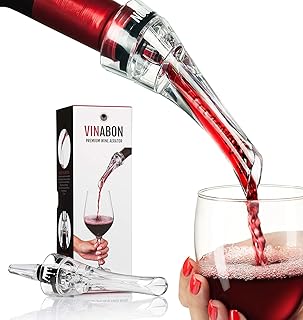
Tannic Italian reds like Barolo and Brunello beg for aeration. See our guide on aerator vs decanter to choose wisely.
Shop Aerators →Spain: DO, DOCa & the Rise of Premium Spanish Appellations
Spain has the largest surface area of vineyards in the world, though not the highest wine volume — much of that land sits on high-altitude, drought-stressed terrain producing low-yield, concentrated grapes. The Spanish appellation system mirrors this diversity, spanning from the cool, granite-driven Atlantic northwest to the sun-scorched plateaus of La Mancha and the subtropical south.
Spain’s Appellation Hierarchy
| Level | Designation | Description | Examples |
|---|---|---|---|
| Highest | DOCa / DOQ | Denominación de Origen Calificada — highest tier, requires track record as DO | Rioja, Priorat |
| High | DO | Denominación de Origen — most Spanish appellations | Ribera del Duero, Rías Baixas, Rueda, Jerez |
| Mid | Vinos de Calidad con Indicación Geográfica | Transitional category for emerging zones | Sierra de Salamanca |
| Regional | Vino de la Tierra | Broad geographic indication; equivalent to IGP | Castilla, Extremadura |
| Base | Vino de Mesa / Vino | Table wine, no geographic indication | — |
Rioja DOCa — Spain’s Most Famous Wine
Rioja holds a special place in Spanish wine history, having received DOCa status in 1991 — the second zone after Priorat to achieve it. The classification adds a temporal dimension unique to Spanish wine: wines are categorized not just by origin but by aging period. Joven (young, no oak required), Crianza (minimum 2 years aging, 1 in oak), Reserva (3 years, 1 in oak), and Gran Reserva (5 years, 2 in oak) create a quality ladder within the same geographic zone. The dominant grape is Tempranillo, often blended with Garnacha, Mazuelo, and Graciano.
In 2018, Rioja introduced Viñedo Singular (single-vineyard) and Vinos de Municipio (village wines) designations, moving closer to Burgundy’s geography-first philosophy and allowing producers to highlight specific terroirs within the broader Rioja zone.
Ribera del Duero — The Challenger
On the high plateau of Castilla y León, following the course of the Duero River (which flows west to become the Douro in Portugal), Ribera del Duero DO produces powerful Tempranillo-dominant reds (locally called Tinto Fino). The continental climate — scorching days, cool nights, extreme seasonal temperature swings — creates wines with deep color, firm tannins, and impressive concentration. Vega Sicilia’s Único is the zone’s iconic wine, though younger producers like Dominio de Pingus and Aalto have added enormously to Ribera’s global reputation.
Rías Baixas — Spain’s Atlantic Wine Revelation
In the wet, granite-carved river valleys of Galicia in northwest Spain, Rías Baixas DO produces Spain’s most exciting white wines from Albariño. The grape’s natural high acidity, aromatic intensity (stone fruit, citrus blossom, sometimes saline), and fresh finishing character place it perfectly in a world increasingly hungry for vibrant, food-friendly whites. Five sub-zones exist, with Val do Salnés being the most widely planted and stylistically defining.
Priorat DOCa — The Cult Mountain Zone
Perched on steep terraced hillsides in the mountains southwest of Barcelona, Priorat (known in Catalan as Priorat, in Spanish as Priorato) achieved DOCa status in 2003. The zone’s extraordinary black slate soil — llicorella — forces vines to drive their roots many meters deep in search of water and nutrients, producing remarkably concentrated, mineral-driven Garnacha and Cariñena (Carignan). With yields sometimes as low as 500g per vine, the wines are inevitably expensive but routinely extraordinary.
USA: American Viticultural Areas (AVAs) — Geography Without Rules
The American Viticultural Area system, administered by the Alcohol and Tobacco Tax and Trade Bureau (TTB), takes a fundamentally different philosophical position from its European counterparts. An AVA is a delineated region with demonstrably distinct geographic features — climate, elevation, soil type, topography — but it imposes no restrictions whatsoever on which grape varieties may be grown or how wine must be produced. The AVA simply tells you where the grapes came from.
This laissez-faire approach reflects American winemaking culture’s emphasis on producer identity over place identity. A California AVA wine’s character depends heavily on the producer’s choices — varieties planted, irrigation decisions, oak program, winemaking philosophy — in a way that a Burgundy AOC wine’s character is constrained by centuries of accumulated appellation rule.
AVA Label Rules
A wine may display an AVA name on its label only if at least 85% of the grapes were grown within that AVA. (The requirement rises to 95% for state appellations like “California” or “Oregon” wines.) Vintage date may appear only if at least 95% of the wine is from that year.
“Napa Valley” on a label does not mean the wine is exclusively Napa-grown. A wine labeled with a California AVA might contain up to 15% grapes from outside that zone. This is a meaningful difference from France’s appellation rules, where geographic integrity is stricter.
Key American AVAs
Napa Valley’s story is particularly instructive. The 1976 “Judgment of Paris” — where Napa Cabernets and Chardonnays beat French counterparts in a blind tasting — transformed California wine’s global standing almost overnight. Yet even today, Napa’s AVA system lacks the fine-grained hierarchical mapping of Burgundy or Bordeaux. The 16 Napa sub-AVAs (Oakville, Rutherford, Stags Leap District, etc.) are the beginning of that process, but without accompanying production rules, the terroir distinctions remain primarily a matter of producer and consumer education rather than legal guarantee.
Oregon’s wine scene merits particular attention. The state’s regulations are stricter than federal AVA rules: Oregon-labeled wines must contain 95% Oregon-grown grapes (vs. 75% federally), and variety-labeled wines must be at least 90% that variety (vs. 75% federally). Oregon’s Willamette Valley Pinot Noir has become America’s most compelling argument that Old World-style appellation thinking can take root in New World soil.
To fully understand how these regional styles express themselves differently in the glass, see our dedicated piece on wine varietals explained and how geography shapes varietal expression.

The right glass matters as much as the right appellation. See how Riedel vs Zalto glasses differ for appellation-specific wines.
Shop Wine Glasses →Other Key Wine Regions & Their Appellation Systems
Germany: The Prädikat Quality Ladder
Germany’s wine classification is unique in basing quality primarily on grape ripeness at harvest rather than just geography — a system originally developed to acknowledge that ripening fully in Germany’s cool climate was itself a measure of viticultural achievement. The Prädikatswein categories, in ascending order of ripeness, are:
- Kabinett — lightest style, grapes at minimum ripeness, often with some residual sweetness
- Spätlese (“late harvest”) — riper, fuller, can be dry or off-dry
- Auslese (“selected harvest”) — individual bunches selected for high ripeness
- Beerenauslese (BA) — individual berries affected by botrytis (noble rot), rare, intensely sweet
- Eiswein — grapes frozen on the vine, then pressed, extreme concentration
- Trockenbeerenauslese (TBA) — raisined botrytis-affected individual berries, the rarest and most expensive, extraordinarily sweet and long-lived
Geographical designations exist simultaneously: Germany’s 13 Anbaugebiete (wine regions), including Mosel, Rheingau, Pfalz, and Baden, are subdivided into Bereiche (districts), Grosslagen (collective vineyard sites), and Einzellagen (individual vineyard sites). The VDP (Verband Deutscher Prädikatsweingüter), a growers’ association, has introduced its own classification pyramid — Gutswein, Ortswein, Erste Lage, Grosses Gewächs — that closely mirrors Burgundy’s hierarchy and applies to dry wines in a way the traditional Prädikat system never fully addressed.
Portugal: The Douro & Beyond
Portugal’s DOC system covers 14 regions, anchored by the Douro (home of Port wine and increasingly impressive dry table wines), Vinho Verde, Alentejo, Dão, and the Lisbon coast. The Douro was the world’s first demarcated wine region, established in 1756 by the Marquis of Pombal — predating even France’s formal appellation framework by nearly two centuries.
Port wine’s appellation logic is particularly interesting: wines are classified not just by origin but by style and production method. Vintage Port (declared in exceptional years, aged in bottle), Tawny Port (aged in small wooden barrels, oxidative style), Late Bottled Vintage (LBV), Colheita (single-vintage Tawny), and White Port each represent distinct expressions of the same appellation’s potential.
Argentina & Chile: South America’s Rising Systems
Argentina’s wine geography is organized around its DOC system, with Mendoza’s sub-regions (Luján de Cuyo, Maipú, Valle de Uco) gaining increasing recognition for Malbec and Cabernet at different altitudes. The altitude factor is crucial: vineyards at 1,000–3,000 meters above sea level experience intense UV radiation, extreme diurnal temperature variation, and dry desert conditions that produce wines of deep color, concentrated flavor, and naturally high acidity — despite the hot climate.
Chile’s DO system covers five major zones (Norte Chico, Aconcagua, Valle Central, Sur, Austral) with 15 sub-regional DOs. The emergence of coastal and high-altitude zones — Elqui Valley, Limarí, Casablanca, San Antonio, Itata — has moved Chilean wine decisively beyond the Maipo Valley Cabernet Sauvignon stereotype.
Australia: GI Zones & the Terroir Revolution
Australia’s Geographical Indications (GI) system covers zones, regions, and sub-regions. The most significant shift in Australian wine over the past two decades has been away from large-zone blends (“South Eastern Australia” — encompassing over 95% of the country’s wine production) toward precision regional bottlings. Coonawarra’s terra rossa over limestone for Cabernet, the Clare and Eden Valleys for Riesling, the Yarra Valley for cool-climate Pinot Noir and Chardonnay, McLaren Vale for Shiraz — each represents a distinct, recognized, and increasingly celebrated terroir identity.
Our comparison of Shiraz vs Syrah regional styles is a perfect case study in how Australian GI zones create distinctly different expressions of the same grape variety grown in France’s Northern Rhône.
Reading Appellation Labels: A Practical Decoder
Wine labels are dense with information, and the appellation system adds layers of meaning that can seem opaque to the uninitiated. The good news is that once you understand the logic, labels become surprisingly readable. Our guide to reading wine labels covers the mechanics; here we focus specifically on appellation-related language.
What to Look For, Country by Country
The Vintage Year and Appellation
Vintage year is inseparable from appellation reading. In regions with significant year-to-year climate variation — Burgundy, Bordeaux, Champagne, Germany’s Mosel, northern Italy — the vintage year dramatically affects the wine’s character and longevity. A 2010 Barolo from a warm, consistent year will be richer and earlier-drinking than a 2013 from a cooler, more challenging year that may be more austere but potentially longer-lived. Our wine vintage guide provides the framework for understanding vintage differences across major appellations.
Understanding ABV on wine labels also becomes more meaningful in an appellation context — hotter growing regions (Southern Rhône, Napa, McLaren Vale) consistently produce higher-ABV wines, while cool-climate zones (Mosel, Chablis, Champagne, Willamette Valley) typically sit at lower alcohol levels.

Once you start buying by appellation, you’ll need proper storage. Our modular wine rack guide helps you plan the right cellar setup.
Shop Wine Racks →Buying Wine by Appellation: Strategy, Value & Emerging Zones
Once you understand the appellation hierarchy, you have the single most powerful tool for discovering undervalued wines. The principle is straightforward: prestigious appellations attract premium prices; neighboring, less-famous appellations often produce comparable or even superior wine at a fraction of the cost. This is appellation arbitrage, and it’s the strategy every expert buyer employs.
The Classic Value Plays by Region
| Premium Appellation | Value Alternative | Why It Works | Price Differential |
|---|---|---|---|
| Pomerol (Bordeaux) | Lalande-de-Pomerol | Adjacent zone, similar Merlot-dominant style, clay-iron soils | 3–5× cheaper |
| Gevrey-Chambertin (Burgundy) | Marsannay / Fixin | Northern neighbors on same geological band, underpriced for quality | 4–6× cheaper |
| Meursault (Burgundy) | Saint-Aubin Premier Cru | Same hillside, similar soils, less famous village name | 3–4× cheaper |
| Barolo (Piedmont) | Langhe Nebbiolo DOC | Same grape, often sourced from young-vine Barolo plots | 5–8× cheaper |
| Brunello di Montalcino | Rosso di Montalcino DOC | Same grape, same zone, shorter aging; producer’s second wine | 3–5× cheaper |
| Priorat DOCa | Montsant DO | Surrounds Priorat, similar llicorella soils and old Garnacha vines | 4–6× cheaper |
| Napa Valley Cabernet | Lake County / Lodi AVA | Cooler or different California sites, high quality at budget price | 3–6× cheaper |
| Champagne AOC | Crémant d’Alsace / de Bourgogne | Traditional method sparkling from other AOC zones, excellent quality | 2–3× cheaper |
Emerging Appellations Worth Watching in 2026
Several appellations are experiencing rapid quality upgrades — driven by climate change, younger winemaking talent, and growing international attention — that have not yet been fully priced into the market:
- Etna DOC (Sicily) — Nerello Mascalese grown on volcanic basalt at high elevation produces some of Italy’s most exciting and sought-after reds. Still priced well below Barolo despite comparable quality from top producers (Benanti, Terre Nere, Cornelissen).
- Galicia (Spain) beyond Rías Baixas — Ribeira Sacra, Valdeorras, and Monterrei are producing extraordinary Godello whites and Mencía reds from extreme granite terraces above river gorges. Virtually unknown outside Spain five years ago.
- Jura (France) — The tiny eastern French region has become a darling of the natural wine movement for its oxidative Chardonnay (“Ouillé” vs. “Sous Voile” styles), Vin Jaune from Savagnin, and unusual Trousseau and Poulsard reds.
- Swartland (South Africa) — Chenin Blanc-dominant with extraordinary old-vine Syrah, Grenache, and Cinsault blends from Eben Sadie, Chris Alheit, and a new generation of producers operating informally as the “Swartland Revolution.”
- Itata Valley (Chile) — Ancient País and Cinsault vines (some 200+ years old) being farmed organically in Chile’s south, producing Europe-in-South-America wines of remarkable delicacy and freshness.
- Finger Lakes (New York) — World-class dry Riesling and increasingly serious Pinot Noir from producers like Hermann J. Wiemer, Ravines, and Red Tail Ridge, still priced a fraction of comparable German or Burgundian equivalents.
If you’re building a cellar with appellation-focused selection, consider how proper storage intersects with appellation-dependent aging potential. Our guide to home wine storage and wine fridge vs regular fridge comparison are essential companions for buying appellation wines with long-term cellaring in mind.
Wine Subscriptions & Appellation Discovery
A growing number of wine subscription services organize their selections by appellation or region, making them an excellent educational tool for building geographic fluency. Our 2026 wine subscription evaluation rates services specifically on how well they communicate appellation information and terroir context to subscribers.
Terroir, Climate Change & the Future of Appellations
The word terroir — untranslatable in any satisfying way but roughly meaning “the taste of a place” — is the philosophical soul of the appellation system. It is the argument that soil composition, rock type, slope angle, aspect (the direction the slope faces), altitude, regional climate, and even the microorganisms in the vineyard’s soil all imprint themselves on the finished wine in ways that are real, consistent, and worth protecting through geographic designation. To understand terroir more deeply, our dedicated wine terroir guide explores the science and romance behind this concept.
Does Terroir Actually Exist?
This is one of wine’s most fiercely debated questions. The skeptical position, popularized by wine scientist Émile Peynaud and others, argues that terroir is largely a marketing construct — that cellar technique, winemaker decisions, and yeasts have far more impact on wine flavor than the soil beneath the vine. The terroir-faith position — held by most Burgundian growers, virtually all natural wine producers, and an increasing body of scientific research — argues that mineral uptake, water stress patterns, heat accumulation, and soil microbiology do create measurably different chemical compositions in grapes from adjacent vineyard plots.
Modern analytical chemistry is increasingly supporting the terroir position. Stable isotope analysis can now identify the approximate geographic origin of a wine with reasonable accuracy. Soil mineral profiles are detectable in finished wine at trace levels. The fact that thousands of producers over hundreds of years have independently observed consistent flavor differences between the same vineyard plots — even under different ownership, winemaking styles, and climate years — is powerful evidence for terroir’s reality.
Climate Change and the Appellation Boundary Problem
Climate change is perhaps the most disruptive force facing wine appellations today. Historical appellation boundaries were drawn based on centuries of observed climate conditions. As average temperatures rise across all wine regions, those conditions are changing in ways that may fundamentally alter what each appellation can reliably produce.
- Champagne is harvesting three weeks earlier than 30 years ago and producing wines with noticeably higher natural alcohol. Some predict the region will need to expand its appellation south or allow different varieties — a radical departure from its strictly defined ruleset.
- Southern Rhône is producing Châteauneuf-du-Pape at consistently above 15% ABV, levels that would have been exceptional rather than routine a generation ago.
- England — not historically considered a wine country — is producing Champagne-method sparkling wines of genuine quality from traditional Champagne varieties (Chardonnay, Pinot Noir, Meunier) as its climate converges with northern France’s historical growing conditions. The English wine GI system is developing rapidly.
- Higher altitude and higher latitude sites are gaining attention across all regions — the vineyards of Mendoza’s Uco Valley, Etna’s volcanic slopes, England’s Sussex Downs, Tasmania’s cool interior — as producers seek to maintain freshness and acidity in a warmer world.
Natural Wine, Biodynamics & the Appellation Rebellion
A significant and growing number of producers are deliberately working outside or against their appellation rules — not from ignorance but from philosophical conviction. Natural winemakers reject the notion that standardized production rules can capture authentic terroir expression. Biodynamic producers like those following Rudolf Steiner’s agricultural calendar argue that the farm’s organic integrity — not its legal classification — is the source of terroir authenticity.
Many of the world’s most interesting and sought-after wines — Overnoy’s Poulsard in Jura, Thierry Allemand’s Cornas, various Beaujolais naturalists — are technically AOC wines but would be unrecognizable to the disciplinary bodies that nominally oversee their production. The tension between regulatory appellation and authentic terroir expression is one of wine’s most productive creative conflicts. Our guides on natural wine, biodynamic wine, and orange wine explore these counter-cultural movements in depth.
Collectors interested in appellation-authentic wines should also consider proper long-term storage. Understanding the role of cork vs screw cap in long-term aging, and investing in purpose-built storage with a quality wine refrigerator, are practical extensions of appellation literacy.

Store reds and whites at their ideal appellation-specific serving temperatures simultaneously. See our best dual-zone wine coolers roundup.
Shop Wine Coolers →Frequently Asked Questions About Wine Appellations
What is the difference between an appellation and a wine region?
A wine region is a broad geographic area associated with wine production — “Burgundy,” “Napa Valley,” “Tuscany.” An appellation is a legally defined and regulated geographic designation with specific rules governing its use on a label. All appellations are within wine regions, but not all wines from a region will qualify for a specific appellation’s designation. For example, “Tuscany” is a region, but “Chianti Classico DOCG” is a specific appellation within it, with precise geographic boundaries and production rules.
Does a higher appellation tier always mean better wine?
Not automatically. Higher tiers (DOCG over DOC, Grand Cru over Village) indicate stricter production rules and historically recognized superior terroir, but individual producers vary enormously in quality and ambition. A talented producer making Village-level Burgundy may outperform a less dedicated grower with a Premier Cru site. The appellation tier sets the minimum bar; the producer determines how far above that bar the wine reaches. This is especially pronounced in Italy, where some IGT producers (Super Tuscans) outperform many DOC wines in quality and price.
What does “Estate” mean on an American wine label?
In the USA, “Estate Bottled” is a legally defined term meaning the winery that bottled the wine also grew 100% of the grapes at vineyards they own or control, and both the winery and vineyards are in the same appellation. This is the American equivalent of a French “domaine” wine, indicating a direct farm-to-bottle identity. It’s a meaningful quality signal, though not a guarantee of quality itself.
What does “Reserve” mean on a wine label?
In the United States, “Reserve” has no legal definition and can be used by any producer for any wine. It’s a marketing term only. In contrast, Spain’s “Reserva” and “Gran Reserva” are legally defined terms specifying minimum aging requirements. Italy’s “Riserva” similarly has legal meaning — extended aging in oak and bottle. Always check the country of origin before interpreting aging terminology on a label.
Why do some Italian wines from humble classifications cost more than DOCG wines?
The Super Tuscan phenomenon is the classic example. Wines like Sassicaia, Ornellaia, and Tignanello use non-traditional grape varieties (Cabernet Sauvignon, Merlot) not permitted under local DOCG rules, forcing them into the lesser IGT category. Yet their quality, the reputation of their producers, and market demand push prices far above most DOCG wines. The appellation tier reflects legal compliance, not market valuation. The market ultimately prices wine on perceived quality and desirability, regardless of classification level.
How can I use appellation knowledge to find better value wines?
The most effective strategy is geographic adjacency: find appellations neighboring prestigious zones that share similar soil and climate but carry less famous names. Examples: Lalande-de-Pomerol next to Pomerol, Marsannay next to Gevrey-Chambertin, Montsant surrounding Priorat, Saint-Aubin next to Meursault. Also consider “second wines” from top estates (same terroir, different label) and younger-vine bottlings (Langhe Nebbiolo from Barolo producers, Bourgogne Rouge from Burgundy domaines). Our 2026 affordable wine picks are built on exactly this appellation arbitrage logic.
What is the EU’s PDO/PGI system, and how does it relate to AOC and DOC?
The EU’s 2009 wine reform created two harmonized designations: PDO (Protected Designation of Origin) and PGI (Protected Geographical Indication). French AOC/AOP, Italian DOC/DOCG, and Spanish DO/DOCa are all PDO wines. French IGP, Italian IGT, and Spanish Vino de la Tierra are PGI wines. The EU designations provide legal protection across the EU market, while the traditional national names (AOC, DOC, etc.) are retained on labels because consumers recognize and trust them. In practice, wine drinkers rarely need to use PDO/PGI terminology directly.
Are organic or natural wines required to meet appellation rules?
Yes — organic or natural certification and appellation certification are separate and independent. An organic wine must still comply with appellation rules to use the appellation name on its label. Some natural wine producers whose wines technically qualify for an appellation choose to declassify their wines (labeling as Vin de France or Vino d’Italia) because they disagree with certain appellation rules or simply prefer the creative freedom of the lower designation. Read more in our natural wine guide and organic wine farming guide.
What percentage of grapes must come from an AVA to use its name?
Under US federal TTB rules, at least 85% of the grapes must come from the named AVA. The exception is county appellations (like “Napa County”), which require 75%, and for state appellations like “California” or “Oregon,” different state rules may apply — Oregon requires 100% Oregon-grown grapes for wines labeled “Oregon” without an AVA name. Vintage year on an AVA-labeled wine requires 95% of the wine to be from that harvest year.
How does terroir relate to the appellation system?
Appellation systems are essentially the legal embodiment of terroir theory — the belief that specific places consistently produce wines of distinct character due to their unique combination of soil, climate, topography, and agricultural tradition. The smaller and more specific the appellation, the more precisely it attempts to capture terroir. A Burgundy Grand Cru AOC covering 5 hectares is a legal commitment to the idea that those 5 hectares produce something uniquely valuable and distinct. Read our full exploration of this philosophy in our wine terroir guide.
How is climate change affecting wine appellations?
Climate change is forcing many appellation bodies to reconsider their rules. Champagne has expanded its zone and is debating allowing new varieties. Some Southern Rhône appellations are permitting varieties like Carignan and Roussanne in blends to help retain freshness. Germany’s wine industry is experiencing increased viability for red grape production. Entirely new wine-producing regions in England, Scandinavia, and high-altitude areas are applying for GI/appellation status. The appellation map is gradually shifting northward and upward in altitude, following the climate.
What’s the best way to learn more about wine appellations?
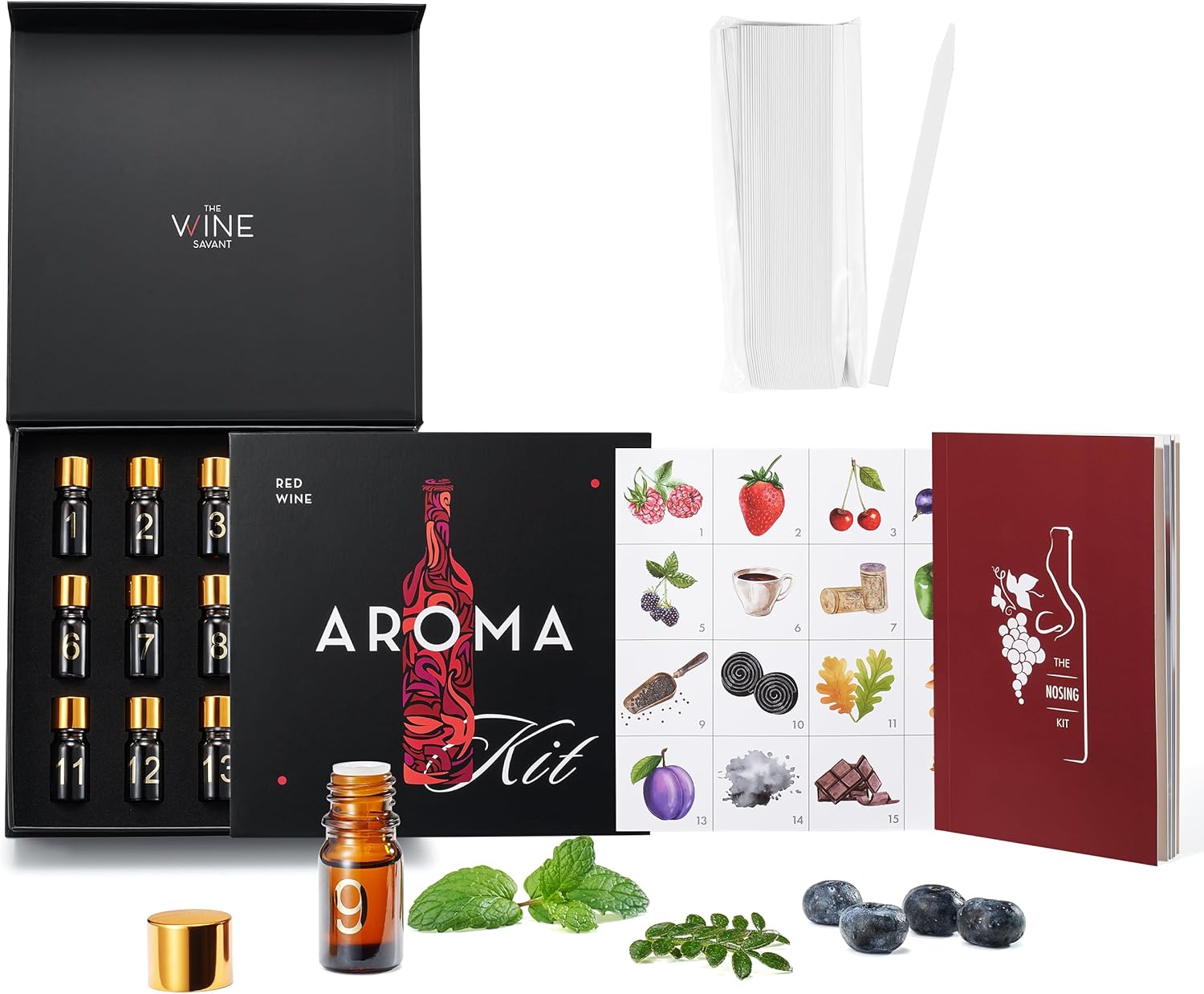
The most effective approach combines reading with tasting. Study a regional wine map alongside bottles from that region. Wine education programs like WSET (Wine & Spirit Education Trust) and the Court of Master Sommeliers systematically cover appellations in their curricula. Tasting kits that focus on single-region or single-variety comparisons are highly effective for building geographic intuition. Our guide to the best wine tasting kits of 2026 and wine journal notebooks help you document and remember your appellation learning journey.
Conclusion: Why Appellation Literacy Changes Everything
Learning to read wine appellations is not an academic exercise. It is the single most practical skill for becoming a more confident, more adventurous, and more economical wine buyer. Once you understand that “Chablis” encodes a specific limestone soil, a cool northern climate, and an unoaked Chardonnay tradition — and that this is guaranteed by law, not just implied by style — you can walk into any wine shop in the world and navigate by map rather than by memory.
The appellation systems we’ve explored — France’s rigorously hierarchical AOC, Italy’s wonderfully complex DOC/DOCG labyrinth, Spain’s aging-focused DO framework, America’s terroir-first-but-rules-light AVA approach, and the many other national variations — all reflect their cultures’ deepest beliefs about what makes wine meaningful. They are imperfect, politically negotiated, occasionally arbitrary, and constantly under pressure from a changing climate and a creative winemaking community that refuses to be fully contained. But they remain, for all their imperfections, the best system humanity has developed for encoding the relationship between place and wine.
The practical upshot: use appellation knowledge to find value (buy neighboring, less-famous zones), to predict flavor (understand climate and grape variety rules), to invest confidently (appellation tier and vintage year together tell the aging story), and to explore fearlessly (those emerging zones at the edge of the map are often where the most exciting wine of the next decade is quietly fermenting).
Explore more from WineArmy: Wine Terroir Guide · Vintage Guide · Natural Wine Guide · Wine Varietals · Food Pairing
Explore the Wine Glossary →
Track your appellation discoveries, tasting notes, and cellar acquisitions. Our top wine journal picks are perfect companions for the curious wine learner.
Shop Wine Journals →