Sulfite-Free Wine: The Complete Guide to No-SO₂ Bottles, Labels & What’s Actually in Your Glass
What sulfites are, why almost every wine contains them, how to find wines with zero added sulfites, and whether it actually matters for your health.
Turn any bottle of wine and scan the back label. In the United States, you’ll almost certainly find the phrase: “Contains Sulfites.” It’s been a legal requirement since 1987. And for millions of wine drinkers — particularly those who’ve woken up with a splitting headache after a single glass of red, or those navigating dietary sensitivities — that small warning carries enormous weight.
But here’s what most people don’t know: the “contains sulfites” warning tells you almost nothing useful. Virtually every wine on earth contains sulfites — including wines that market themselves as sulfite-free. Wine produces sulfur dioxide naturally during fermentation. A bottle labeled “No Added Sulfites” may still contain 10–30 mg/L of naturally occurring SO₂. And many of the headaches, flushes, and next-day suffering attributed to sulfites are actually caused by something else entirely.
This guide cuts through the mythology. We’ll explain exactly what sulfites are, what they do in wine, what the science says about sensitivity and health effects, how to identify wines with genuinely low or no added sulfites, and which producers are making the best no-SO₂ bottles available today.
Whether you’re sensitive to sulfites, philosophically opposed to additives, or simply curious about what’s in your glass, this is the most complete resource on the topic you’ll find. And if you’re exploring the broader world of minimal-intervention winemaking, our natural wine guide and our piece on organic and natural wine farming practices will give you important context.
What Are Sulfites in Wine?
Sulfites — or sulfur dioxide (SO₂) — are compounds containing the sulfite ion (SO₃²⁻). In wine, they exist primarily as molecular sulfur dioxide, bisulfite, and sulfite ions in equilibrium, depending on the wine’s pH and alcohol level. The term “sulfites” on a wine label refers to this entire family of compounds collectively.
Sulfur dioxide has been used in winemaking for centuries — ancient Romans burned sulfur candles inside wine amphora to prevent spoilage, a practice documented by Pliny the Elder. Modern winemakers use it in more precise, controlled forms: as a gas (SO₂), as liquid (potassium metabisulfite dissolved in water), or as powder (potassium metabisulfite or sodium metabisulfite) added at various points in the winemaking process.
Naturally Occurring vs. Added Sulfites
This distinction is fundamental and widely misunderstood. Sulfur dioxide is a natural byproduct of yeast metabolism during fermentation. Every wine, regardless of how it’s made, contains some level of naturally occurring SO₂ — typically 10–40 mg/L in a conventionally fermented wine, even with no additions whatsoever.
Added sulfites are separate: winemakers deliberately introduce additional SO₂ at various stages to preserve the wine, prevent oxidation, and inhibit unwanted microbial activity. When a label says “No Added Sulfites” or “No Sulfites Added,” it means no external SO₂ was introduced — but the wine still contains naturally occurring sulfites from fermentation.
A wine that is genuinely “sulfite-free” in the absolute sense — containing zero SO₂ of any kind — does not exist in nature. The closest thing are wines with naturally occurring sulfite levels below the regulatory disclosure threshold of 10 mg/L, which is rare and unstable.
In terms of food context, it’s worth noting: wine is far from the highest-sulfite food in most diets. Dried apricots contain up to 2,000 mg/kg of sulfites. Packaged deli meats, commercially produced dried pasta, frozen potato products, and many condiments contain sulfite preservatives in quantities that dwarf what’s in wine. The singling out of wine on U.S. labels is partly a political artifact of the 1987 legislation, not a reflection of comparative sulfite risk.
Why Winemakers Add Sulfur Dioxide
Understanding why SO₂ is used — and what happens when it’s absent — is essential to evaluating no-sulfite wines intelligently. Winemakers don’t add sulfites carelessly. SO₂ does specific, important jobs, and removing it creates real winemaking challenges that the best natural producers have learned to navigate through other means.
The Three Jobs of SO₂ in Wine
1. Antioxidant Protection. Oxygen is wine’s enemy — exposure to air drives oxidation, turning fresh fruit flavors into stale, nutty, or vinegary character. SO₂ binds with oxygen before it can damage the wine’s aromatic compounds and color. This is why winemakers add a protective dose at bottling: it acts as a long-term shield during transport, retail storage, and cellaring.
2. Antimicrobial Action. Wild bacteria and unwanted yeasts are present in every vineyard and winery. Without SO₂, they can compete with desired fermentation organisms or cause spoilage after fermentation is complete. Molecular SO₂ (the most active form) inhibits the cell membranes of bacteria such as Acetobacter (which produces acetic acid — vinegar character) and Lactobacillus species that cause off-flavors.
3. Freshness Preservation. Many aromatic compounds in wine — thiols in Sauvignon Blanc, anthocyanins in red wine, ester compounds responsible for fruity aromas — are chemically fragile. SO₂ binds to carbonyl compounds that would otherwise degrade these aromatics, effectively “locking in” freshness over time.
- At harvest: Small amounts on crushed grapes to inhibit wild yeast and prevent oxidation before controlled fermentation begins
- Post-fermentation: After primary fermentation, to prevent malolactic fermentation from occurring (in wines where it’s not desired) and protect against spoilage bacteria
- At racking: Small “top-up” doses each time wine is moved between vessels to compensate for SO₂ lost to oxygen during transfer
- Pre-bottling: The critical final dose, calibrated to achieve a target “free SO₂” level that will protect the wine throughout its expected shelf life
- At bottling: Sometimes sulfur wicks are burned in barrels; gas SO₂ may be used to purge empty vessels
The challenge for “no added sulfite” winemakers is replacing or compensating for these protective functions through other means — careful cellar hygiene, controlled oxygen management, earlier bottling, refrigerated shipping, and the selection of grape varieties and vineyard sites that naturally produce more protective compounds.
SO₂ Levels by Wine Type: The Real Numbers
Regulatory limits for sulfites in wine vary by country and wine style. Understanding the actual numbers — and how much headroom exists between a “natural” wine and a conventional one — helps calibrate the conversation.
~10–30 natural
biodynamic wines
by wine type
most table wines
legal ceiling
| Wine Type | Conventional Max (EU) | Organic Max (EU) | Demeter Max | Typical No-Addition |
|---|---|---|---|---|
| Dry Red Wine | 150 mg/L | 100 mg/L | 70 mg/L | 10–30 mg/L |
| Dry White Wine | 200 mg/L | 150 mg/L | 90 mg/L | 15–40 mg/L |
| Rosé Wine | 200 mg/L | 150 mg/L | 90 mg/L | 12–35 mg/L |
| Sweet Wine | 300–400 mg/L | 220 mg/L | Not certified sweet | N/A (residual sugar demands higher SO₂) |
| Sparkling Wine | 185–235 mg/L | 150–170 mg/L | 90 mg/L | 20–50 mg/L |
| Orange Wine | 200 mg/L | 150 mg/L | 90 mg/L | 5–25 mg/L (skin contact helps) |
Notice that dry red wines get a lower limit than whites — this is because tannins in red wine provide their own natural antioxidant protection, reducing the need for SO₂. Orange wines (white wines made with extended skin contact) similarly benefit from tannins extracted from the grape skins, which is one reason skin-contact wines are often made with little or no added sulfites. For more on that style, our orange wine guide and the piece on skin-contact wine explore the topic in depth.
Sulfites & Health: What the Science Actually Says
This is where the mythology is densest, and where getting the facts right matters most. The conversation around sulfites and health encompasses three distinct issues that are frequently conflated: verified sulfite sensitivity (a genuine medical condition), wine headaches (a popular but poorly attributed complaint), and general “cleaner” drinking (a lifestyle philosophy). They need to be addressed separately.
Verified Sulfite Hypersensitivity
True sulfite hypersensitivity is a recognized medical condition — primarily affecting people with asthma. In sulfite-sensitive asthmatics, exposure to SO₂ can trigger bronchospasm, wheezing, and in severe cases, anaphylactic-type reactions. The estimated prevalence of genuine sulfite sensitivity in the general population is less than 1%, rising to approximately 5% among people with asthma.
Symptoms of genuine sulfite sensitivity typically include:
- Wheezing, shortness of breath, or chest tightness (most common in asthmatics)
- Skin flushing or hives (urticaria)
- Nausea or abdominal cramps
- In severe cases: anaphylaxis (extremely rare)
- Typically occurs within 15–30 minutes of consumption, not hours later
If you experience genuine breathing difficulties, hives, or anaphylactic symptoms after consuming wine or other sulfite-containing foods, consult an allergist. Sulfite hypersensitivity can be diagnosed through a supervised oral challenge test. It is a distinct condition from wine sensitivity or intolerance.
The Wine Headache: Probably Not Sulfites
The popular belief that sulfites cause wine headaches is not well supported by available evidence. Several lines of reasoning challenge the sulfite-headache link:
Dry white wine has more SO₂ than red wine — yet red wine headaches are vastly more commonly reported. If sulfites were the culprit, white wine drinkers would complain more often.
Dried fruit contains 5–10x the sulfites of wine — yet nobody reports getting a headache from a handful of dried apricots. If sulfites caused headaches at wine-relevant doses, the headache epidemic from dried fruit would be extraordinary.
So what actually causes wine headaches? The evidence points to several alternative culprits:
| Compound | Where Found | Proposed Mechanism | Evidence Strength |
|---|---|---|---|
| Histamines | Red wine, particularly aged reds; cheese, fermented foods | Vasodilation leading to headache in histamine-intolerant individuals | Moderate — clinical evidence in histamine-intolerant subjects |
| Tyramine | Aged red wines, especially Barolo, Amarone | Triggers norepinephrine release; associated with migraines | Moderate — implicated in dietary migraine triggers |
| Tannins | Red wine, especially tannic varieties | May trigger serotonin release, causing headache in susceptible individuals | Moderate — anecdotal and some clinical support |
| Alcohol itself | All wine | Dehydration, acetaldehyde accumulation, and vasodilation | Strong — well-established dose-dependent effect |
| Quercetin | Wines from sun-exposed grapes; Napa Cabernet | Metabolized to quercetin glucuronide, which blocks acetaldehyde breakdown (2023 research) | Emerging — 2023 UC Davis study gained significant attention |
| Sulfites | Added to most wines; higher in whites | Unclear; respiratory effects in asthmatics but headache mechanism not established | Weak for headaches — no controlled trial support |
The 2023 UC Davis study on quercetin — a flavonoid compound naturally produced by vines in response to sun exposure, and found in notably higher concentrations in Napa Valley Cabernet than European equivalents — attracted widespread media attention for offering a plausible biochemical mechanism for why some high-end Napa reds seem particularly prone to causing headaches. It’s an area of ongoing research.
Sulfites and “Cleaner” Drinking
A third category of concern is more philosophical than medical: the desire to drink wine with fewer additives as a general wellness principle. This is entirely reasonable, even if it’s distinct from medical sensitivity. If you prefer your wine without added preservatives — in the same way you might prefer fresh bread without propionic acid preservatives — that’s a legitimate preference. No-added-sulfite wines can absolutely meet that preference. Just understand what you’re getting: wines that are more fragile, require more careful storage, and may taste different (sometimes dramatically so) from conventional counterparts.

Is Truly Sulfite-Free Wine Possible?
The short answer is: no — at least not in any commercially meaningful, stable form. But the more useful answer is nuanced, and understanding the science helps you evaluate claims made on wine labels more accurately.
The Fermentation Problem
When yeast converts sugar to alcohol, SO₂ is a metabolic byproduct — not an impurity, not an additive, but an intrinsic result of the biochemistry. The amount varies by yeast strain, fermentation temperature, and nutrient levels, but ranges from roughly 10–40 mg/L in a typical wine fermentation. No winemaking technique currently available eliminates this entirely while still producing a recognizable wine through fermentation.
The U.S. regulatory threshold for the “contains sulfites” label declaration is 10 mg/L. Wines below this level don’t legally require the label — but they’re essentially unachievable consistently without the use of sulfite-scrubbing techniques that introduce their own trade-offs.
What “No Added Sulfites” Actually Guarantees
When you see “No Added Sulfites,” “No Sulfites Added,” or the French equivalent “Sans Soufre Ajouté” on a label, you can be confident that no external SO₂ was intentionally introduced at any point in the winemaking process. The wine contains only naturally occurring sulfites from fermentation — typically 10–30 mg/L in reds, somewhat higher in whites.
This is a meaningful difference for people with verified sulfite sensitivity. The total sulfite load is significantly lower than a conventionally produced wine, and may be tolerable where conventional wine is not. But it’s not zero, and the label is sometimes misleading for people who assume otherwise.
- “Contains Sulfites” — Total SO₂ exceeds 10 mg/L (required disclosure in the US). Applies to virtually every wine including many marketed as natural.
- “No Added Sulfites” / “No Sulfites Added” — No external SO₂ was deliberately introduced. Naturally occurring sulfites from fermentation are still present (usually 10–30 mg/L).
- “Sulfite-Free” — A marketing claim, not a regulated term. Should be treated skeptically. May refer to “no added sulfites” rather than truly zero SO₂.
- “Made with Organically Grown Grapes” — Refers to farming only; says nothing about sulfite additions in the winery (different from certified organic wine).
- USDA Certified Organic Wine — In the US, certified organic wine must have no added sulfites — but naturally occurring sulfites are still present. Note: this is a stricter standard than EU organic wine certification, which allows limited SO₂ additions.
- EU Organic Wine — Allows some SO₂ addition, up to 100 mg/L for reds and 150 mg/L for whites — significantly less than conventional but not “no added sulfites.”
Decoding the Label: A Country-by-Country Guide
Sulfite regulations vary significantly between wine-producing countries — what’s labeled one way in the US may be labeled differently in France or Australia. Understanding these differences is essential if you’re shopping internationally or importing wine. Our full guide to reading wine labels covers the broader label landscape.
| Country / Region | Label Requirement | Threshold | Organic Standard |
|---|---|---|---|
| United States | “Contains Sulfites” mandatory if SO₂ ≥ 10 mg/L; USDA Organic wine = no added SO₂ | 10 mg/L | No added sulfites (USDA Organic wine); sulfites allowed for “made with organic grapes” |
| European Union | “Contains sulfites” or “Contient des sulfites” mandatory above threshold; on label since 2005 | 10 mg/L | EU Organic: 100 mg/L max (red), 150 mg/L (white/rosé) — lower than conventional but not zero |
| Australia / NZ | “Contains sulphites” (British spelling) mandatory; follows Codex Alimentarius thresholds | 10 mg/L | Organic certification varies by certifier; some allow limited SO₂ |
| Canada | Required since 2012; follows US/international norms | 10 mg/L | No federal organic wine standard; provincial variation |
| Japan | Required if sulfite levels are detectable | Detection level | No formal organic wine certification standard |
| Switzerland | Follows EU standard | 10 mg/L | Bio Suisse certification has stricter limits than EU organic |
One important note for American buyers: the USDA Organic wine certification (no added sulfites) is stricter than what “organic” means in most other contexts. A wine labeled “Made with Organically Grown Grapes” — a different, lower certification — can still contain added sulfites up to conventional limits. These two labels look similar but mean very different things for sulfite content.

Natural Wine & the Low-SO₂ Movement: Philosophy in a Bottle
The natural wine movement — which has grown from fringe cult to mainstream fine-dining staple over the past fifteen years — is the cultural home of no-added-sulfite winemaking. For natural wine producers, the elimination (or radical reduction) of SO₂ isn’t primarily about health: it’s about transparency, minimal intervention, and the belief that wine should express its origin without chemical assistance.
The most committed natural winemakers argue that SO₂, even in small amounts, flattens and homogenizes wine’s aromatic profile — that it mutes the more volatile, expressive compounds that make wine interesting. They believe that wines made without additions are more “alive,” more expressive of vintage and place, and more genuinely representative of what the grapes and fermentation produced.
Critics of the no-SO₂ approach argue that without adequate protection, wines are vulnerable to spoilage organisms that produce “Brett” (Brettanomyces, associated with barnyard or mouse-cage aromas), excessive volatile acidity (vinegar character), or “reduction” (struck-match, rubber aromas). These flaws are genuinely more common in no-SO₂ wines — honest advocates of the style acknowledge this — and distinguishing between a flawed no-SO₂ wine and a fascinating one requires experience.
The Spectrum of Natural Wine SO₂ Practice
Natural wine is not monolithic on sulfites. There’s a spectrum of practice among producers who identify with the natural wine philosophy:
- Zero-zero (“sans soufre total”): No additions at any point — not at harvest, not during winemaking, not at bottling. Extreme position; wines are delicate and require cold-chain shipping and quick consumption.
- No added at bottling only: Small protective additions during winemaking for stability, then zero at bottling. Moderate position popular among quality-conscious natural producers.
- Low sulfites only at bottling: No additions during winemaking; small protective dose (20–40 mg/L total) added only at the final bottling step. The most pragmatic approach for wines intended for international distribution.
- “As little as possible”: Case-by-case assessment; some vintages get additions, some don’t, depending on the grape’s natural health and the fermentation’s evolution. Common among producers who prioritize quality over ideology.
The most sophisticated natural wine producers — those whose wines appear on the lists of Michelin-starred restaurants — tend to fall into the middle categories. They reduce SO₂ dramatically compared to conventional winemaking, but they don’t fetishize zero at the expense of wine quality. The goal is always the most expressive, terroir-faithful wine, and sometimes a small amount of SO₂ at bottling is what makes the difference between a wine that ages gracefully and one that falls apart in transit.
To understand the broader philosophical context here, our complete natural wine guide and biodynamic wine guide are essential companion reads — the no-sulfite approach is deeply intertwined with both movements.
Top No & Low-Sulfite Wine Producers Worth Knowing
The market for no-added-sulfite wine has expanded dramatically. Here are the producers setting the standard — those whose wines demonstrate that eliminating added sulfites doesn’t mean sacrificing quality, complexity, or ageability.
Europe: The Natural Wine Heartland
New World No-Sulfite Producers

How to Find & Buy Sulfite-Free Wine: A Practical Shopping Guide
Finding no-added-sulfite wines has become considerably easier over the past five years. Here’s a practical framework for navigating the market.
Where to Shop
Specialist natural wine retailers are the most reliable source — shops whose entire business model is centered on minimal-intervention, organic, and biodynamic wines. Ask specifically for “no added sulfites” or “no SO₂ additions” rather than just “natural wine,” as the category is broad and some natural wines do include SO₂.
Natural food stores (Whole Foods, co-ops, natural grocers) carry selections specifically curated for health-conscious consumers, and staff can usually identify no-added-sulfite options. Frey Vineyards and Bonterra are widely stocked here.
Online retailers increasingly offer filter options for organic/natural/no-sulfite wines. Vivino, Wine.com, and specialist natural wine retailers like Thirst (UK), Les Caves de Pyrene (UK), and Chambers Street Wines (US) allow filtering by farming method.
Value-Tier No-Sulfite Options
| Producer / Wine | Region | Style | Price Range | Availability |
|---|---|---|---|---|
| Frey Vineyards Biodynamic Red | Mendocino, CA | Earthy, medium-bodied red blend | $12–$18 | Wide (Whole Foods, Sprouts) |
| Coturri Winery | Sonoma, CA | Robust, unfiltered reds | $22–$45 | Direct, specialty stores |
| Château Le Puy Barthelemy | Bordeaux, France | Bordeaux blend, earthy | $28–$40 | Specialty importers |
| Lumos Wine Co. (Oregon) | Willamette Valley, OR | Pinot Noir, Pinot Gris | $20–$35 | Pacific Northwest focus |
| Domaine Giachino (Savoie) | Savoie, France | Alpine whites, light reds | $22–$36 | Natural wine importers |
| Pheasant’s Tears (Georgia) | Kakheti, Georgia | Amber/orange, skin-contact | $18–$32 | Growing US/UK import |
For broader value-focused buying, our affordable wine picks for 2026 includes several low-intervention bottles at accessible price points.
Key Questions to Ask a Wine Retailer
When shopping in person, these questions will quickly identify whether a wine meets your sulfite criteria:
- “Is this wine made with no added sulfites, or just no sulfites at bottling?”
- “Does this producer certify their no-SO₂ claim through USDA Organic or Demeter?”
- “How long can this wine sit on my shelf before opening?” (Critical for no-SO₂ wines — most need to be consumed within 1–2 years of vintage)
- “Does this wine require refrigeration between purchase and opening?”
- “Has this bottle been stored in temperature-controlled conditions since arrival?”
Storing & Serving Sulfite-Free Wine: Why It Requires More Care
No-sulfite and low-sulfite wines are genuinely more fragile than their conventional counterparts. This isn’t a reason to avoid them — it’s essential information for getting the most out of them. Many of the disappointments people have with natural or no-SO₂ wines stem from inadequate storage or serving conditions, not the wines themselves.
The Storage Imperative
Without SO₂ acting as an antioxidant buffer, no-sulfite wines are more vulnerable to:
- Temperature fluctuations — which accelerate oxidation and microbial activity. Consistency is more important than ever.
- Light exposure — UV light degrades delicate aromatic compounds faster in low-SO₂ wines
- Oxygen ingress — even micro-oxidation through a poor cork can tip a fragile no-SO₂ wine into premature oxidation
- Time — most no-SO₂ wines are designed for relatively early consumption (1–5 years), with exceptions for naturally tannic reds
For storage guidance, our comprehensive wine storage guide is essential reading. For those without a dedicated cellar, our guide to storing wine without a wine fridge offers practical alternatives. A quality wine fridge is a worthwhile investment for protecting these delicate bottles — see our best wine fridges guide for options at every budget.
Serving No-Sulfite Wines
No-sulfite wines often show better after some time open — they can be initially tight, reduced, or muted immediately after opening, then bloom after 15–30 minutes of air exposure. This is because the absence of SO₂ means aromatic compounds are less “locked in” — they need a little time to express themselves once the bottle is opened.
- Open earlier than you think necessary — 30–60 minutes before serving for reds; 15–20 for whites
- Decant gently — even light decanting for 20 minutes dramatically improves expression. See our decanting guide for method
- Check for sediment — unfiltered no-SO₂ wines often throw significant sediment; stand the bottle upright for 24 hours before serving and pour carefully
- Use appropriate glassware — a large-format glass amplifies the aromatics that SO₂-free wines produce; our red wine glass guide can help you choose
- Consume quickly once open — no-SO₂ wines oxidize much faster after opening than conventional wines. Finish within 1–2 days maximum; use a quality wine stopper and refrigerate even reds
- Serve at cooler temperatures — slightly below conventional serving temperatures to preserve freshness; no-SO₂ reds are often best at 58–62°F rather than 65°F+
After Opening: The Race Against Oxidation
Once you’ve opened a no-sulfite bottle, the clock is ticking faster than with a conventional wine. Without SO₂’s antioxidant protection, oxygen begins immediately degrading the wine. Use a quality wine preservation system — either a vacuum pump, Coravin, or inert gas (argon) preservation — and consume within 24 hours if possible, 48 hours at an absolute stretch. Our comparison of Coravin vs. Vacu Vin can help you choose the right preservation tool for how you drink.

Food Pairing with Sulfite-Free Wine
No-sulfite wines, particularly those from the natural wine tradition, often have more earthy, funky, or textural qualities than their conventional equivalents — and they pair best with food that shares that character. Clean, simple preparations tend to work better than heavily sauced or sweetened dishes.
For more comprehensive pairing guidance, our complete wine and food pairing guide covers the fundamentals. Here’s how the no-SO₂ style specifically translates to the table:
One pairing principle that applies specifically to no-SO₂ wines: avoid pairing them with very sulfite-rich foods (dried fruits, commercial deli meats, some condiments) if you’re drinking no-SO₂ wine specifically for sensitivity reasons — you’d be adding sulfites through the food side of the equation. Our cheese and wine pairing chart and seafood pairing guide have excellent options that complement the natural wine style.
Sulfite Reducers, Alternatives & the Technology Frontier
For winemakers who want to reduce SO₂ without going completely addition-free — and for consumers who want to understand the full range of options — several alternative preservative technologies have emerged in recent years.
Alternative Preservatives Used in Low-SO₂ Winemaking
| Alternative | How It Works | Effectiveness | Consumer Notes |
|---|---|---|---|
| Lysozyme | Enzyme derived from egg whites; inhibits lactic acid bacteria, reducing need for SO₂ post-fermentation | Good for bacterial control; no antioxidant effect | Not vegan; disclosed as an allergen in EU wines since 2012 |
| Glutathione | Natural antioxidant tripeptide found in grape must; added as protective antioxidant, especially for whites | Good antioxidant protection for aromatics; allows SO₂ reduction | Naturally occurring; found in most musts anyway; legal in EU since 2015 |
| DMDC (Velcorin) | Dimethyl dicarbonate; powerful antimicrobial added just before bottling; decomposes to harmless compounds within hours | Excellent microbial control; allows lower SO₂ at bottling | Controversial in natural wine circles; not “natural” but leaves no residue |
| Chitosan | Derived from mushroom cell walls (or crustacean shells); antimicrobial and antioxidant properties | Moderate; used in combination with low SO₂ | Non-vegan if crustacean-derived; mushroom chitosan increasingly available |
| Sulfur Wicks / Candles | Burned inside barrels to produce SO₂ gas for vessel sanitation; traditional method | Effective for barrel hygiene; minimal residue in wine | Still technically involves sulfur use but not the same as liquid additions |
| Inert Gas Management | CO₂, nitrogen, or argon used to blanket wine surfaces and prevent oxygen contact during transfers | Excellent; removes need for many protective SO₂ additions | Now standard practice in quality-conscious no-SO₂ wineries globally |
At-Home Sulfite Reduction Products
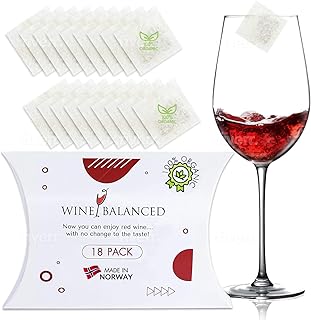
A range of consumer products claim to reduce sulfites in wine before drinking. The most common is hydrogen peroxide (H₂O₂) in very dilute solution — which does chemically oxidize bisulfite ions — but the process is imprecise, can strip aromatics, and is generally not recommended by winemakers or enologists as a practical solution.
More promising are small-format filter products that use activated carbon or ion exchange to reduce sulfite levels in poured wine. Products like Üllo (a wine filter), which uses selective sulfite capture technology, have developed genuinely enthusiastic user bases among sulfite-sensitive drinkers. Results vary by wine and sulfite level, but the technology is legitimate and improving rapidly.
If you’re exploring wine accessories that touch the serving experience, our guides to wine aerators and the aerator vs. decanter debate cover related territory — many aerators and decanters also help volatile SO₂ off-gas from wine during the serving process, which may reduce perceived sulfite intensity even if they can’t remove bound sulfites.
Sulfite-Free Wine: Frequently Asked Questions
Ready to Explore Sulfite-Free Wine?
Start with a USDA Organic bottle from Frey Vineyards, work up to a Marcel Lapierre Morgon, and let your palate decide what “no added sulfites” means to you. The bottles are better than ever — and the science is more interesting than the label suggests.
Explore the Full Natural Wine Guide →