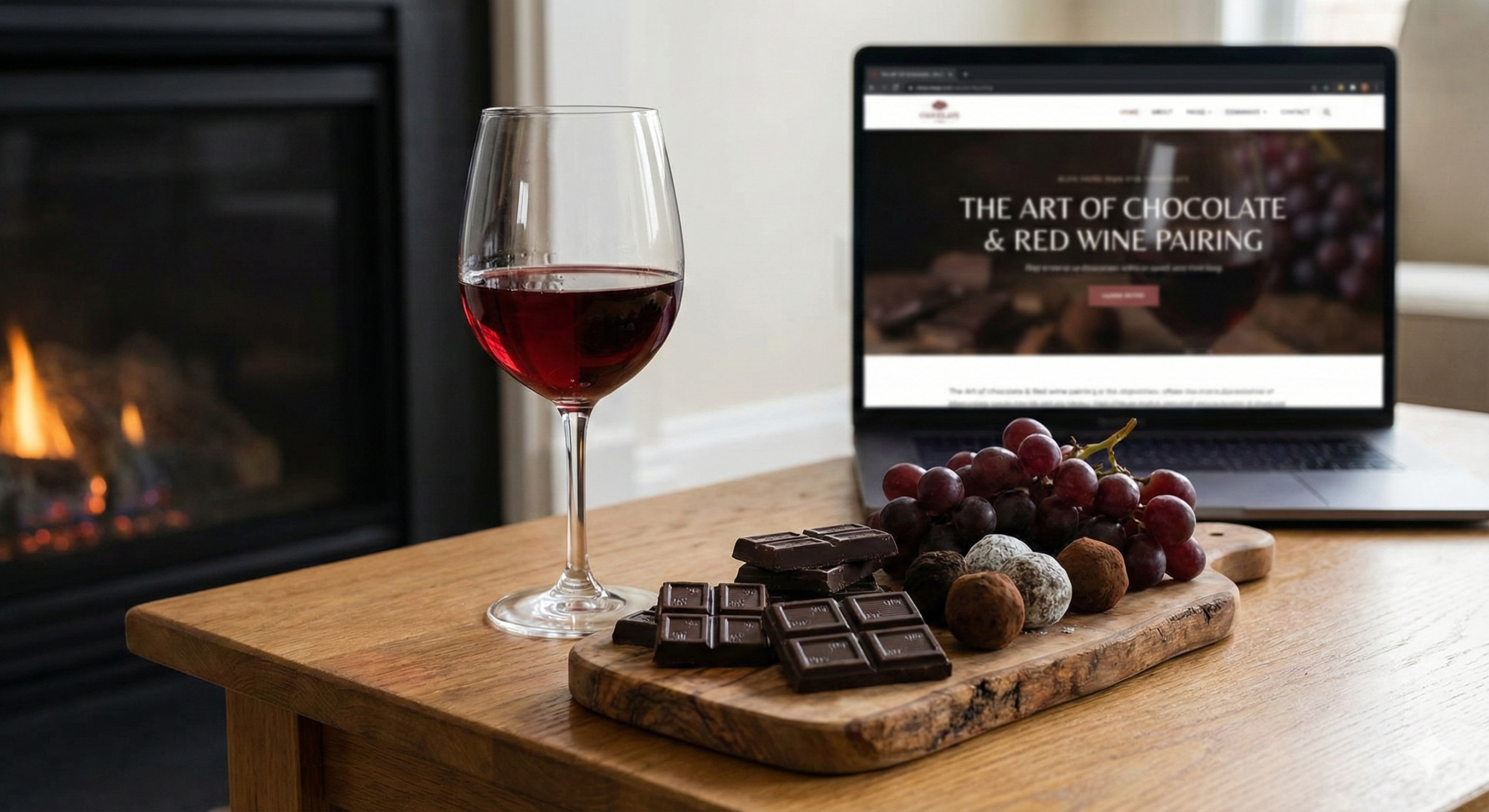
Mastering the Art of Chocolate and Red Wine Pairing: A Match Made in Heaven?
There is perhaps no romantic culinary duo more famous—yet more misunderstood—than chocolate and red wine. It is the cliché of Valentine’s Day, the staple of luxury gift baskets, and the go-to comfort for a Friday night in. Yet, if you have ever taken a bite of dark chocolate followed by a sip of Cabernet, you may have noticed something unexpected: a bitter, sour clash that leaves your palate dry and confused.
The truth is, chocolate and red wine pairing is notoriously difficult. Both contain intense flavors, high tannins, and complex chemical structures that often fight for dominance rather than harmonizing. But when you get it right? It is nothing short of transcendent.
In this comprehensive guide, we will strip away the myths and dive into the mechanics of flavor. We will explore why sweetness levels matter, how to navigate tannins, and which specific bottles unlock the hidden potential of your favorite cocoa treats. We will also cover the accessories, the glassware, the terminology, and the hosting know-how that transforms a casual nibble into a genuine sensory event. Whether you are planning a tasting party or just treating yourself, this is your complete roadmap.

The Science: Why It’s Harder Than You Think
To master this pairing, you must understand the chemistry happening on your tongue. The primary culprit in a “bad” pairing is tannin.
Both red wine (especially grapes like Cabernet Sauvignon and Syrah) and dark chocolate are rich in polyphenols—specifically tannins. Tannins are what cause that drying, astringent sensation in your mouth. When you pair a high-tannin wine with a high-tannin bittersweet chocolate, the effect is cumulative. The bitterness spikes, the fruit disappears, and your mouth feels like you’ve been chewing on cotton.
Furthermore, the sweetness in chocolate can strip the fruitiness from a dry red wine, making it taste thin and acidic. The fat in cocoa butter coats the palate and suppresses the perception of fruit, amplifying whatever is left—usually the tannin and the acid. To combat this, we need to balance sugar, fat (cocoa butter), and alcohol carefully. For a deep dive into the mechanics of wine structure, read our guide on what is tannin in wine.
The Role of Acidity
Acidity is the second critical variable. A wine with high acidity will taste sharp and sour when paired with sweet chocolate because the contrast is too jarring—the acidity cuts through the sweetness and exposes the underlying bitterness of the cocoa. However, a wine with moderate, well-integrated acidity can actually brighten a pairing by lifting the richness and preventing the combination from feeling heavy. This is particularly true with milk chocolate, where a wine with lively but not aggressive acidity can make the entire experience feel more elegant and refreshing.
The Role of Alcohol and Body
Higher alcohol wines feel richer and warmer in the mouth, which can balance the intense bitterness of very dark chocolate. When pairing with 70–90% cacao bars, a wine with 14.5–15.5% alcohol by volume (ABV) provides the weight needed to stand alongside the chocolate without being overwhelmed. Understanding how to read ABV on wine labels is a simple but powerful tool that will help you select the right body of wine before you ever open the bottle.
Residual Sugar: Your Most Important Ally
The single most effective way to make a chocolate and wine pairing work is to ensure the wine has at least as much sweetness as the chocolate—ideally slightly more. Residual sugar (RS) is the natural grape sugar left in the wine after fermentation. Even a modest amount of RS—just enough to soften the perception of tannin and acid—can transform a clashing pairing into a harmonious one. Our complete guide to residual sugar in wine explains how to identify sweetness from a label and what to expect in the glass.
The 3 Golden Rules of Chocolate Pairing
Before buying bottles, memorize these three principles to avoid palate disasters.
1. The Wine Must Be Sweeter Than the Chocolate
This is the cardinal rule of dessert pairing. If the chocolate is sweeter than the wine, the wine will taste bitter and sour. This is why dry reds are so hard to pair with sweet milk chocolate. The wine’s sweetness acts as a frame for the chocolate—it validates and amplifies the cocoa’s complexity rather than fighting it. When the chocolate outpaces the wine in sweetness, the wine loses the battle and tastes stripped, thin, and sharp.
2. Match Intensity (Body)
Delicate chocolates need delicate wines; intense chocolates need bold wines. A light Pinot Noir will be crushed by a 90% cacao bar. A heavy Port will drown out a delicate white chocolate truffle. Think of it as a volume dial—always match the volumes. This principle extends beyond chocolate to all food pairing; our comprehensive guide on how to pair wine with food covers this concept across every course of a meal.
3. Consider the Texture
Cocoa butter coats the tongue. You need a wine with enough acidity or alcohol to cut through that fat, or enough textural richness (like a luscious Zinfandel) to match it. A flat, low-acid wine will feel smothered by the richness of the chocolate, creating a heavy, cloying sensation. A wine with vibrant structure—whether from acidity, tannin, or alcohol—gives the pairing lift and makes each sip and each bite feel like a fresh beginning.
Key Wine Terms You Need to Know Before Pairing
Great pairing begins with great vocabulary. When you can accurately describe what you are tasting in a wine—and what you are tasting in a chocolate—you gain the analytical power to predict which combinations will succeed. Here are the core concepts, explained in plain language. For a full reference, bookmark our wine glossary for beginners and our detailed tasting vocabulary guide.
Tannin
The dry, grippy sensation on your gums and inner cheeks. Found in red wine skins and dark chocolate. High tannin + high tannin = bitterness overload.
Acidity
The refreshing, mouth-watering zing. Too much with sweet chocolate = sour clash. Moderate acidity = brightening lift. Think lemon vs. orange.
Body
The weight and texture of the wine in your mouth. Light-bodied (skim milk) vs. full-bodied (whole cream). Must match the intensity of the chocolate.
Residual Sugar
Unfermented grape sugar remaining in the wine. The key to making dessert pairings work. Wine must be at least as sweet as the chocolate.
Finish
How long flavor persists after swallowing. A long, warming finish from a fortified wine enhances and extends the pleasure of dark chocolate.
Fruit-Forward
A wine where ripe fruit flavors dominate over earth, oak, or tannin. Fruit-forward wines are naturally more forgiving with chocolate because they offer sweet-tasting flavor even when technically dry.
Understanding the distinction between a dry wine and a wine with residual sweetness is particularly crucial for this pairing. A wine can taste “fruit-forward” and lush without being technically sweet—but the ripe fruit character creates a perception of sweetness that can bridge the gap with moderately bitter chocolate. This is the secret behind why a ripe Napa Cabernet can sometimes work with dark chocolate when a cool-climate Bordeaux cannot.
White Chocolate Pairings
The Profile: Technically not “chocolate” as it lacks cocoa solids, white chocolate is pure cocoa butter, sugar, and milk solids. It is creamy, buttery, and very sweet with notes of vanilla, honey, and caramel. There are no tannins and no bitterness to contend with—only sweetness and richness.
The Strategy: You need acidity to cut the fat, or fruitiness to complement the vanilla. Since white chocolate contains no cocoa tannins, you have significantly more flexibility in wine selection. The primary challenge here is managing the sweetness—you still need the wine to be at least as sweet, or the wine will taste sharp and stripped.
- Pinot Noir: A New World Pinot (like one from California or Oregon) often has notes of strawberry and cherry. Pairing this with white chocolate creates a “strawberries and cream” effect. The lighter tannins of Pinot Noir don’t clash with the absence of cocoa bitterness. For a deeper understanding of how this grape behaves across regions, see our Bordeaux vs. Pinot Noir comparison.
- Ice Wine / Moscato d’Asti: The intense sweetness and tropical fruit notes of Ice Wine mirror the honeyed profile of white chocolate beautifully. Moscato d’Asti, with its gentle effervescence and peach-apricot notes, is one of the most flattering pairings imaginable.
- Rosé Port: A trendy and delicious option. The red berry flavors pop against the creamy backdrop of the chocolate, creating a vibrant, layered experience.
- Late Harvest Riesling: The honeyed sweetness and bracing acidity of a late harvest Riesling can cut through the richness of white chocolate while adding layers of stone fruit complexity.

Milk Chocolate Pairings
The Profile: The most popular chocolate. It contains cocoa solids (usually 30–45%), milk, and significant sugar. It is mellow, creamy, and caramel-like, with gentle cocoa notes and a smooth, melt-in-your-mouth texture. The tannin content is present but modest—manageable for most medium-bodied red wines if chosen correctly.
The Strategy: Because it is sweet and has moderate cocoa, you need a wine that is medium-bodied, fruit-forward, and lower in tannin. The key word is fruit-forward: ripe, generous fruit flavors create a perception of sweetness even in technically dry wines, which is exactly what you need to bridge the gap with milk chocolate.
- Merlot: A soft, fruit-forward Merlot is often the safest bet. The plum and cocoa notes in the wine bridge the gap perfectly without overwhelming the chocolate. Merlot’s naturally lower tannin and supple texture make it the most forgiving pairing partner for milk chocolate among the classic red varietals. Our comparison of Merlot vs. Cabernet Sauvignon explains exactly why Merlot wins this contest.
- Pinot Noir: Similar to white chocolate, a fruitier Pinot Noir works here, highlighting the creaminess of the milk and the gentle sweetness of the cocoa. New World styles (California, Oregon, New Zealand) are your best bets.
- Ruby Port: The vibrant red berry sweetness of Ruby Port is a classic match. It adds a “fruit-dipped-in-chocolate” vibe—the fortified sweetness aligns beautifully with the milk chocolate’s sugary profile.
- Rutherglen Muscat: If you love caramel and toffee notes, this fortified wine from Australia transforms milk chocolate into a decadent dessert experience. The deep raisin, fig, and orange peel notes create layers of complexity that elevate even a simple Hershey bar.
- Brachetto d’Acqui: A lightly sparkling, sweet red from Piedmont, Italy. Its low alcohol, pink bubbles, and intense raspberry-rose flavor make it an electric pairing with milk chocolate—particularly with chocolates that have caramel or hazelnut fillings.
If you are exploring different wine types for this category, check our breakdown of wine varietals explained—it covers everything from familiar Merlot and Pinot Noir to more obscure gems like Brachetto and Lambrusco that can be extraordinary with chocolate.
Milk Chocolate with Fillings
The filling inside a chocolate fundamentally changes the best wine pairing. A caramel-filled milk chocolate pairs beautifully with a Tawny Port (the oxidative, nutty notes echo the caramel). A hazelnut praline filling is magical with an Australian Rutherglen Muscat (the wine’s raisin and fig notes complement the nut paste). A raspberry-filled milk chocolate is best with a lively Brachetto d’Acqui or a fruit-forward Pinot Noir. Always consider the whole flavor profile—chocolate plus filling—when choosing your wine.
Dark Chocolate Pairings (50%–70% Cacao)
The Profile: Here we enter the danger zone. As cocoa percentage rises, sugar decreases and natural bitterness (from cocoa tannins) increases. The flavor is intense, earthy, and sometimes fruity—particularly with single-origin bars from fruit-forward origins like Ecuador, Madagascar, or Peru.
The Strategy: You need a wine with bold fruit, higher alcohol (to cut the intensity), and perhaps a touch of perceived sweetness. “Perceived sweetness” in a dry wine comes from very ripe fruit—think blackberry jam rather than blackberry tart. Warm-climate New World wines are your greatest allies here.
- Zinfandel: Often the best dry red pairing for dark chocolate. Zinfandel is jammy, spicy, and often reaches 14.5–15.5% alcohol. The “fruit bomb” nature of Zin counteracts the bitterness of the dark chocolate, and its trademark raspberry and blackberry jam flavors create an irresistible chocolate-fruit jam combination.
- Shiraz / Syrah (Australian): Bold, spicy, and fruity. The dark pepper notes in Australian Shiraz can complement the earthy bitterness of the cocoa, and the ripe plum and blackberry fruit provides the sweetness bridge. See our breakdown of Shiraz vs. Syrah by regional style—Australian Shiraz (riper, jammier) is far more successful here than cool-climate Northern Rhône Syrah (leaner, more savory).
- Cabernet Sauvignon: Proceed with caution. Look for a warm-climate Cab—Napa Valley, California, or Barossa Valley, Australia—which will have riper fruit and softer tannins. Avoid young, tannic Cabs or cool-climate Bordeaux. The blackcurrant and cedar notes of a ripe Napa Cab can be genuinely complementary with a 60% dark chocolate bar that has some fruit character.
- Malbec (Mendoza): Argentine Malbec, with its signature violet floral note and plummy dark fruit, is a surprisingly successful pairing for dark chocolate at the 55–65% range. The lower acidity compared to Cabernet makes it gentler, and the fruit generosity provides the sweetness bridge.
Dark Chocolate Pairing Quick Reference
| Chocolate | Best Wine | Why It Works |
|---|---|---|
| 50–60% Cacao | Merlot, fruit-forward Pinot Noir | Low enough tannin, enough fruit-sweetness |
| 60–70% Cacao | Zinfandel, Shiraz, ripe Malbec | Bold fruit, higher alcohol, jammy character |
| 70–80% Cacao | Banyuls, Vintage Port, Tawny Port | Fortified sweetness matches bitterness perfectly |
| 80–90%+ Cacao | Pedro Ximénez Sherry, Vintage Port | Intense sweetness & body needed to tame extreme bitterness |
| Sea Salt Dark Chocolate | Zinfandel, Tawny Port | Salt reduces bitterness perception, more wine options open up |
| Chili Dark Chocolate | Shiraz, off-dry Riesling | Spice complements spice; slight sweetness cools the heat |
Extra Dark & Single Origin Chocolate (70%+ Cacao)
The world of craft chocolate has exploded in the past decade, and single-origin bars from specific growing regions—Porcelana from Venezuela, Trinitario from Trinidad, Nacional from Ecuador—have introduced a new level of complexity and variability to the pairing equation. These chocolates are not simply “more bitter”—they can be intensely fruity, deeply earthy, brightly acidic, or profoundly floral depending on their origin. This variability requires a more nuanced pairing approach.
Pairing by Chocolate Origin
- Madagascar (bright, fruity, red berry): The high natural acidity and red berry character of Madagascar cacao creates a chocolate that almost acts like a fruit preserve. Pair with a Tawny Port or a lightly chilled Banyuls—the oxidative richness of these wines marries beautifully with the tart-sweet fruit quality of the cocoa.
- Ecuador / Nacional (floral, jasmine, tropical): Floral chocolates are ethereal and delicate despite their high cacao content. A Banyuls is superb here—it shares that red fruit-meets-floral aromatic quality. A fine Tawny Port with its orange peel and dried rose notes is another exceptional match.
- Venezuela / Criollo (nutty, creamy, low bitterness): Venezuela’s Criollo bean is the rarest and most prized cacao variety. It has extraordinary complexity but remarkably low bitterness, making it more approachable with dry wines than its cacao percentage suggests. A ripe Zinfandel or a Vintage Port is ideal.
- Ghana / Forastero (earthy, bold, classic): The workhorse cacao of the world. Dense, earthy, and quite bitter. This origin demands a fortified wine—Vintage Port or Pedro Ximénez Sherry—to tame its power.
Single-origin chocolate pairing is one of the most rewarding explorations in gastronomy. As you develop your palate for fine chocolate, you will find that the same principles apply as in wine—terroir, farming practices, and processing all profoundly shape the final flavor. Our guide to wine terroir explores these same ideas in the wine world, and the parallels are striking.
The Secret Weapon: Fortified Wines
When you reach Extra Dark Chocolate (70%–90% Cacao), dry red wines almost always fail. The chocolate is simply too bitter and intense. This is where fortified wines shine.
Fortified wines have distilled spirit added to them, halting fermentation and leaving natural grape sugars behind. This creates a wine that is sweet, high in alcohol, and full-bodied—the perfect match for intense chocolate. The combination of sweetness (to balance bitterness), alcohol (to cut through cocoa butter), and rich, complex flavor (dried fruit, spice, nuts, oxidative notes) makes fortified wines uniquely suited to the challenge of dark chocolate.
- Vintage Port: The undisputed king of chocolate pairings. Intense, sweet, and structured enough to stand alongside anything. A young Vintage Port delivers explosive dark fruit and grippy tannin that can tame even the most aggressive dark chocolate. An older Vintage Port develops layers of dried fruit, leather, and spice that pair with the most complex single-origin bars imaginable.
- Tawny Port: Where Vintage Port is fresh and fruity, Tawny Port is oxidative and nutty—think dried apricot, orange peel, walnut, and caramel. This makes it the ideal pairing for dark chocolate with nut inclusions (almonds, hazelnuts, pecans) and for salted dark chocolate, where the oxidative complexity mirrors the savory notes.
- Banyuls: A French fortified wine made from Grenache in the Roussillon region near the Spanish border. It is often called the “chocolate wine” because it naturally tastes of strawberries, cocoa, and dried herbs. The combination of sweet, red-berry-forward fruit and a savory, slightly earthy character makes Banyuls arguably the single most versatile wine with dark chocolate. It is the sommelier’s number-one choice and remains relatively obscure—which means outstanding value.
- Pedro Ximénez (PX) Sherry: Like liquid raisins and molasses. This extraordinarily dense, sweet Sherry from Andalusia in southern Spain is produced by sun-drying the Pedro Ximénez grapes to concentrate their sugars to an almost supernatural degree. Pour a small amount into a glass alongside a piece of 85% dark chocolate, and the combination is revelatory—a deep, resonant harmony of dried fruit, tobacco, coffee, and bittersweet cocoa.
- Maury: Like Banyuls, Maury is a French fortified wine from the Roussillon, made primarily from Grenache Noir. It is slightly less well-known than Banyuls but equally excellent, with a more forward dark fruit character (plum, blackberry) that works beautifully with intense dark chocolate.
Varietal-by-Varietal Guide to Chocolate Pairing
Now that we’ve covered the principles, here is a systematic, varietal-by-varietal guide to help you navigate the wine shelf confidently. For anyone new to the major red wine grapes, our complete wine varietals explained guide provides the foundational knowledge to understand each grape’s personality.
Pinot Noir
Pinot Noir is the most elegant of the classic red grapes—lighter in body, lower in tannin, and higher in acidity than most reds. This makes it one of the more challenging pairings for chocolate but also one of the most rewarding when it works. The sweet spot is milk chocolate and white chocolate. With dark chocolate above 65%, most Pinot Noirs are overpowered. The exception is a richer, riper New World Pinot from a warm vintage—look for something with 13.5–14.5% alcohol and notes of black cherry and chocolate-covered cherry. The structural differences between Bordeaux and Pinot Noir help explain why Bordeaux-style blends are often better with dark chocolate while Pinot excels with lighter, sweeter confections.
Merlot
Merlot is the safest entry point for chocolate and wine pairing. Its soft tannins, plummy fruit, and natural cocoa-like finish make it a natural companion for milk chocolate and 50–55% dark chocolate. A good Merlot from Washington State or the Right Bank of Bordeaux (Saint-Émilion, Pomerol) is particularly successful. Avoid lean, high-acid Italian Merlots here—you want warmth and fruit generosity. For a head-to-head analysis, our Merlot vs. Cabernet Sauvignon guide is essential reading.
Cabernet Sauvignon
This is wine’s most storied grape and one of the trickiest for chocolate pairing. Young, tannic Cabernet from cool climates (Bordeaux, Napa at non-ripe vintages) will clash violently with any chocolate. Ripe, warm-climate Cabernet with soft tannins and jammy blackcurrant fruit can work with dark chocolate in the 55–65% range. The key indicator to look for on the label: if the wine is from a warm vintage in a warm region (Paso Robles, Barossa, McLaren Vale), you have a better chance. If the wine is described as “structured,” “firm,” or “age-worthy,” leave it on the shelf for now.
Syrah / Shiraz
The same grape, dramatically different styles depending on where it’s grown. Australian Shiraz (Barossa Valley, McLaren Vale) is typically ripe, jammy, full-bodied, and has a characteristic sweet-spice character from American oak that pairs wonderfully with dark chocolate. Northern Rhône Syrah (Hermitage, Crozes-Hermitage) is leaner, more savory, and peppery—a less reliable match for chocolate, though it can work with very earthy, savory dark bars. Our complete breakdown of Shiraz vs. Syrah by regional style and flavor will help you identify which style you’re holding before you open it.
Zinfandel
Often the sommelier’s secret weapon for dark chocolate pairing. Zinfandel—particularly from California’s Sonoma, Dry Creek Valley, or Amador County—is typically high in alcohol, rich in jammy red and black fruit, and has a characteristic spice (cinnamon, allspice, white pepper) that creates a gorgeous complexity when paired with good dark chocolate. Because it is fruit-forward and often has a perception of sweetness despite being technically dry, it outperforms most other dry reds with dark chocolate. Look for Zinfandels in the 14.5–15.5% ABV range for maximum effectiveness.
Grenache / Garnacha
Often overlooked for chocolate pairing, Grenache (or Garnacha in Spain) can be a revelation with the right chocolate. Its natural strawberry and raspberry fruit, spicy warmth, and medium-weight body make it particularly good with milk chocolate and chocolate with dried berry inclusions. Look for warm-climate expressions—Southern Rhône blends, Spanish Garnacha from Campo de Borja or Cariñena, or Grenache from McLaren Vale. The Grenache-based fortified Banyuls (discussed above) is the ultimate expression of this grape’s affinity for cocoa.
Glassware and Decanting: The Unsung Heroes
The right glass and proper decanting can dramatically improve any chocolate and wine pairing. These are not mere aesthetics—they have a genuine, measurable impact on the sensory experience of both the wine and the chocolate.
Choosing the Right Glass
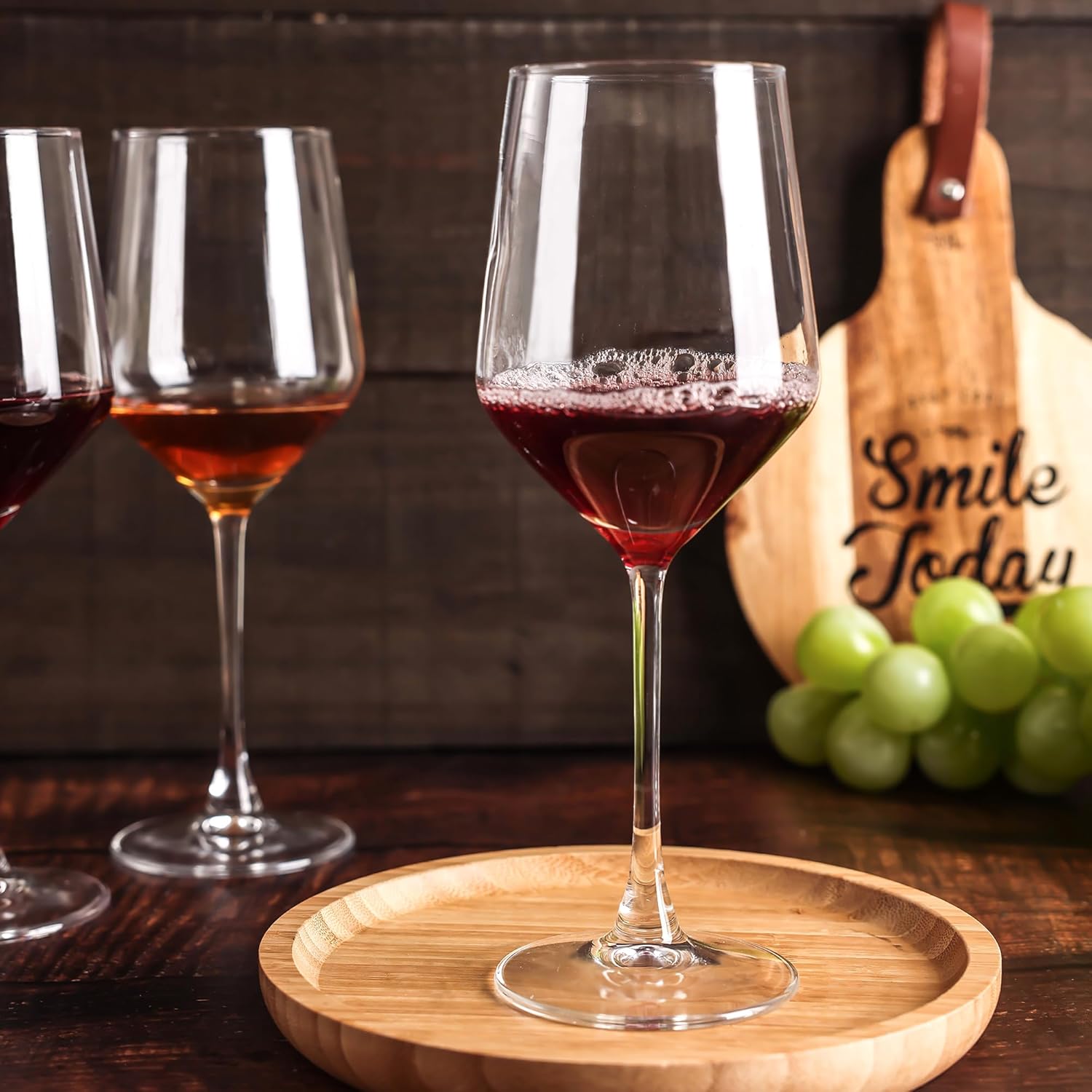
The shape of a wine glass is engineered to deliver wine to specific parts of your palate and concentrate specific aromas. For chocolate pairing, using the correct glass means the wine’s best qualities—its fruit, its sweetness, its texture—are front and center when it meets the chocolate on your palate. Our comprehensive guide to kinds of wine glasses and their uses covers every style, but here’s the quick guide for chocolate pairing:
- Large Bordeaux Glass: The ideal vessel for full-bodied reds like Cabernet Sauvignon, Merlot, Zinfandel, and Shiraz. The tall chimney and wide bowl maximize aeration and concentrate the powerful dark fruit aromas that complement dark chocolate. The deep dive into Bordeaux vs. Burgundy glass shapes explains why this matters.
- Burgundy Globe Glass: Best for Pinot Noir. The wide, globe-shaped bowl captures the subtle, aromatic complexity of Pinot’s red fruit and floral notes—the very qualities that make it work with lighter chocolates. See our guide on red vs. white wine glasses by shape and aroma for more.
- Smaller Fortified Wine Glass: Port, Sherry, and Banyuls are served in smaller portions (2–3 oz) in a smaller tulip-shaped glass. The smaller format concentrates the intense aromatics—dried fruit, spice, oxidative notes—and keeps the portions appropriate for a dessert pairing.
If you’re investing in quality glassware for this kind of pairing, the key comparison to understand is Riedel vs. Zalto—the two dominant names in serious wine glassware—or the more accessible Riedel vs. Schott Zwiesel comparison for everyday use.
Decanting Before Pairing
For any young, tannic red wine (Cabernet Sauvignon, Zinfandel, young Vintage Port), decanting before a chocolate pairing is not optional—it is essential. Aeration softens the tannins, releases suppressed aromatics, and transforms a potentially harsh wine into a supple, generous one. A wine that clashes with chocolate when poured straight from the bottle may pair beautifully after 30–60 minutes in a decanter.
The science behind this is the same principle at play in the debate between aerators vs. decanters: both introduce oxygen to the wine, but decanting achieves this more gently and thoroughly. For a chocolate pairing session, we recommend the decanter—it’s more elegant for a tasting setting and provides more complete aeration. Our guide to the top-rated wine decanters will help you find the right vessel. For a comparison of the leading brands, our wine decanter shape, capacity, and material guide is indispensable.
For those who prefer the instant gratification of an aerator over decanting time, the top electric aerators for wine flow and speed can soften a wine’s tannins in seconds—a practical choice when you’ve forgotten to decant in advance.

Serving Temperature & Technique
Just like cheese, temperature matters enormously in this pairing. If your chocolate is frozen, you won’t taste it. If your wine is too warm, the alcohol jumps out and overwhelms everything. Getting both components to their ideal temperature is one of the simplest and most impactful things you can do to improve your pairing experience.
- Chocolate Temperature: Serve at room temperature—approximately 65–68°F (18–20°C). Cold chocolate is waxy and muted; it releases its aroma compounds only as it warms and begins to melt. Remove your chocolate from the refrigerator at least 30 minutes before your tasting session.
- Red Wine Temperature: Serve your reds slightly cooler than room temperature, around 60–65°F (15–18°C). This keeps the alcohol in check and allows the fruit character to remain expressive. A wine served too warm will taste boozy and heavy, which amplifies any negative interactions with the chocolate’s bitterness. For a complete reference, check our guide on wine storage temperature and humidity.
- Fortified Wine Temperature: Serve slightly cooler—around 55–60°F (13–15°C). Their higher alcohol means they taste warmer, and a slight chill helps balance that impression without suppressing their extraordinary aromatics.
- Tasting Order: Sip the wine first to coat your palate and assess its character. Then take a bite of chocolate and let it melt slightly—do not chew it into mush. Sip the wine again while the chocolate is still on your tongue to experience the merger of flavors. This sequence allows you to appreciate both components individually before experiencing their interaction.
- Palate Cleansing: Between different chocolate and wine combinations, cleanse your palate with a piece of plain, unsalted bread or cracker and a sip of still water. This neutral reset ensures that you are experiencing each new pairing with fresh perception rather than carrying over residual flavors.
Maintaining the correct serving temperature throughout a tasting session is where a good wine thermometer proves its worth. Slide it onto the neck of the bottle for an instant reading—no guesswork, no disappointment. We explore why this tool is so underrated in our piece on why a wine thermometer is your most important tool. A wine chiller sleeve can also keep a bottle of red at the ideal temperature on a warm evening.
Reading Wine Labels to Find the Right Pairing Partner
Standing in the wine aisle about to choose a bottle for a chocolate pairing can feel overwhelming. But the wine label contains more useful information than most people realize—once you know how to decode it. Our detailed guide on how to read wine labels covers every element comprehensively, but here are the label clues most relevant to chocolate pairing:
What to Look For on the Label
- Grape Variety: If listed, this immediately tells you the tannin level (Cabernet = high; Merlot = medium; Pinot Noir = low) and likely flavor profile. Some labels (particularly Old World European wines) only list the region rather than the grape. Learning which grapes are used in which regions is part of developing wine literacy—our Old World vs. New World wine guide is an excellent primer.
- Region/Appellation: A warm region (Napa Valley, Barossa Valley, Mendoza, Rioja) generally means riper fruit and softer tannins—more chocolate-friendly. A cool region (Bordeaux, Burgundy, Northern Rhône) often means more structure and acidity—less forgiving with sweet chocolate. Understanding wine appellations is one of the most empowering skills a wine lover can develop.
- Vintage: In warm, ripe vintages (look up the vintage report for the region online), even naturally tannic grapes like Cabernet Sauvignon develop softer tannins and richer fruit—making them more suitable for chocolate pairing. In cool, difficult vintages, the same wine can be lean, acidic, and tannic—a disaster with chocolate. Our wine vintage guide explains how to assess this.
- ABV (Alcohol by Volume): For chocolate pairing, ABV is a proxy for body and ripeness. Higher ABV (14%+) generally indicates riper grapes, warmer climate, and richer fruit—all positives for chocolate. Lower ABV (12–12.5%) often signals leaner, more acidic wines—potentially problematic with sweet chocolate. Learn more about ABV on wine labels.
- “Reserve” or “Old Vine”: These terms on a label (when used legitimately) suggest lower yields, greater fruit concentration, and often softer, more integrated tannins. Both are positive indicators for a chocolate pairing.
Blend vs. Single Varietal
For chocolate pairing, a well-crafted blend can often outperform a single varietal because blending allows the winemaker to maximize the strengths of each grape while mitigating weaknesses. A Southern Rhône blend (Grenache + Syrah + Mourvèdre) might combine Grenache’s sweetness, Syrah’s body, and Mourvèdre’s earthiness into a wine that is more chocolate-compatible than any of the three grapes alone. Our guide on blend vs. varietal wine dives deep into when blends win and when single varietals shine.
Organic, Natural & Biodynamic Wine Options for Chocolate Pairing
One of the most exciting developments in the world of wine over the past decade is the explosion of high-quality, affordable organic and natural wines. For chocolate pairing, these wines offer some distinct advantages—and a few considerations worth understanding.
Natural wines—made with minimal intervention, native yeasts, and little or no added sulfites—often display a more direct, unmediated expression of their fruit. This transparency can make their fruit character seem more vivid and immediate, which is excellent for pairing with chocolate that has prominent fruity notes (Madagascar bars, raspberry fillings, cherry-infused truffles). Our comprehensive guide to organic and natural wine farming practices explains the key distinctions, and our natural wine guide will help you find quality producers.
Biodynamic wines, farmed according to the principles pioneered by Rudolf Steiner, take organic farming a step further by treating the vineyard as a self-sustaining ecosystem. Our biodynamic wine guide explores the philosophy and practice in detail. Many sommeliers find that biodynamic wines display a particular vibrancy and clarity of flavor that can make for especially memorable pairings—the fruit flavors are clean and precise, which allows the complementary or contrasting flavors of the chocolate to register clearly rather than blurring together.
One caveat: some natural wines can be funky, volatile, or unstable—qualities that will clash with the already complex flavors of quality chocolate. Stick to natural wines from reputable producers with a track record of consistency. A faulty natural wine is far more disruptive in a pairing context than it would be on its own.
Seasonal & Occasion-Based Pairing Ideas
Chocolate and wine pairing doesn’t have to be a formal event. Here is how to adapt these principles to the key occasions throughout the year.
Valentine’s Day
The obvious occasion, and the one most people get wrong by defaulting to cheap chocolates and a random bottle of red. Elevate the experience: choose a selection of three chocolates (white, milk, dark) and match each with a specific wine. A Brachetto d’Acqui for the white chocolate, a Pinot Noir for the milk chocolate, and a Banyuls for the dark chocolate. Present them in order from lightest to most intense—a natural tasting progression that doubles as a conversation experience.
Thanksgiving & Holiday Season
Holiday chocolates often feature complex fillings—peppermint, eggnog, caramel, gingerbread, pecan. Tawny Port is the single most versatile holiday pairing wine, matching the nutty, spiced, dried fruit character of the season’s flavors perfectly. For a broader holiday wine pairing guide, see our article on the best wines for Thanksgiving turkey and sides—many of these same wines work beautifully as dessert pairings.
Summer Wine and Chocolate Events
Summer heat creates a unique challenge—both the chocolate and the wine are at risk of being served too warm. Focus on lightly chilled wines (a Brachetto d’Acqui at 55°F, a light Pinot Noir at 58°F) and chocolate that has been stored properly (not in a hot car or direct sun). A chilled Tawny Port with dark chocolate and fresh raspberries is an extraordinary warm-weather dessert combination.
Dinner Party Dessert Course
Serving chocolate and wine as a stand-alone dessert course is a sophisticated and surprisingly easy hosting move. A simple slate board with three or four different chocolates (by increasing cocoa percentage), a decanted red wine, and a small pour of Port or Banyuls on the side is genuinely impressive and requires almost no culinary skill. The experience does the work. Pair this with our guide to wine accessories every host needs to assemble the perfect entertaining toolkit.
Extending the Principles: Wine Pairing Beyond Chocolate
The principles you’ve learned for chocolate pairing—matching sweetness levels, balancing tannin, considering body and texture—apply directly to every other food and wine pairing challenge you will ever encounter. Chocolate pairing is, in many ways, the ultimate stress test for wine pairing principles because the flavors are so intense and the margin for error so small. Mastering it gives you a robust framework for everything else.
Cheese and Wine Pairing
Cheese, like chocolate, contains fat (in the form of dairy fat) that coats the palate and requires acidity or tannin to cut through. The general principle—match intensity, ensure the wine has enough sweetness or acidity to stand alongside the cheese—is identical to chocolate pairing. Our comprehensive cheese and wine pairing chart is the definitive guide for hosts. Interestingly, a dessert wine like Sauternes with a blue cheese like Roquefort is one of the greatest pairings in all of gastronomy—the same principle of matching a sweet wine to an intense, salty, funky flavor profile that applies to dark chocolate.
Dessert Wine Pairing More Broadly
Once you have discovered the magic of Tawny Port with chocolate, your next step is to explore the wider world of dessert wine pairings. The same fortified and sweet wines that work with chocolate are also spectacular alongside crème brûlée (Sauternes), apple tarte tatin (Tawny Port), and tiramisu (Banyuls or Vin Santo). Understanding the spectrum of dessert wines is one of the most pleasurable educational journeys in wine.
Chocolate and Wine vs. Chocolate and Other Beverages
It is worth acknowledging that wine is not the only beverage that pairs beautifully with chocolate. Coffee—particularly single-origin espresso—can create extraordinary harmonics with dark chocolate, as both share roasted, complex flavor profiles. Whisky (especially a lightly peated Scotch or a sherried Speyside expression) can be spectacular with dark chocolate. And artisanal craft beer—a rich Imperial Stout, or a barrel-aged sour—can outperform wine with certain chocolate styles. The philosophy is always the same: match intensity, balance opposing elements, and find complementary or contrasting flavor bridges.
Hosting a Chocolate and Wine Tasting Night
A chocolate and wine tasting is one of the most rewarding and accessible events you can host. You don’t need a sommelier’s training, a professional kitchen, or an expensive wine collection. What you need is a thoughtful selection, the right accessories, and a spirit of curiosity. Here is a step-by-step guide to hosting an unforgettable evening.
Step 1: Plan Your Selection
Choose three to five chocolates in ascending order of cocoa percentage: a white chocolate, a 40–45% milk chocolate, a 60% dark chocolate, a 75% dark chocolate, and optionally an 85%+ bar or a single-origin specialty. Pair each with a corresponding wine as outlined in this guide. Three wines for five chocolates is usually sufficient—some wines can span two chocolates.
Step 2: Assemble Your Equipment
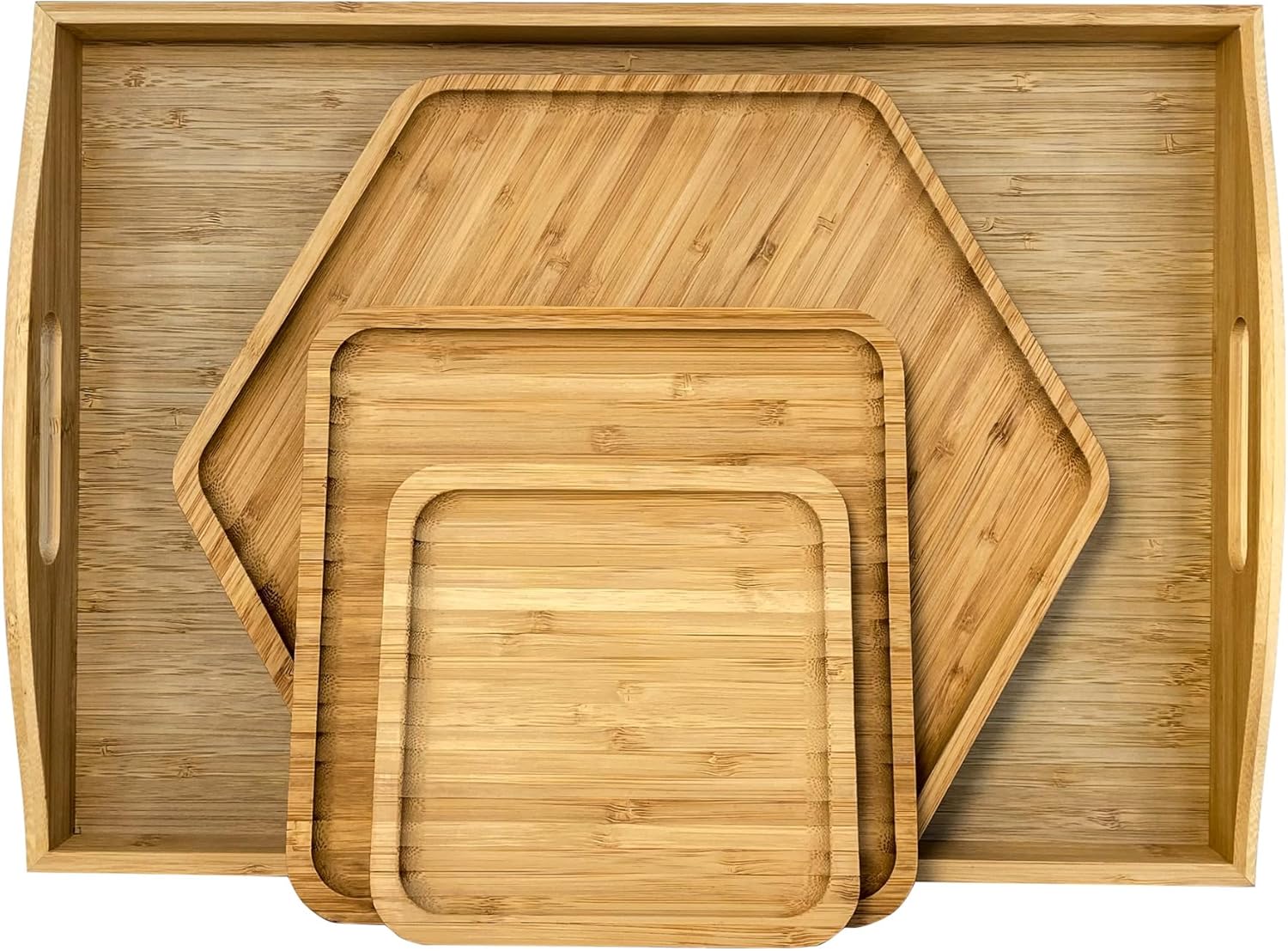
You will need: proper glasses for each wine style, a decanter for any tannic reds, a wine opener, a thermometer, a serving board or tray for the chocolates, small tasting cards for notes, and palate-cleansing bread and water. For elegant serving, a beautiful wine serving tray elevates the entire presentation. Our roundup of the best wine serving trays covers the top options. A good electric wine opener ensures no fumbling with corks when you’re entertaining. See the top electric corkscrews for ease and performance.
Step 3: Prepare the Wines
Decant any young reds at least 30–45 minutes before your guests arrive. Chill your whites, sparkling wines, and fortified wines to appropriate temperatures. If you are serving a Port, open it an hour before service to allow it to breathe slightly. For any bottles you open and don’t finish, use a quality wine preservation system to maintain freshness. Our guide to the top-rated wine preservers will help you choose the right system, and the debate between Coravin vs. Vacu Vin covers the two leading approaches in detail.
Step 4: Present the Chocolates
Break each chocolate bar into bite-sized pieces and arrange on a slate board, wooden board, or parchment paper. Label each with a small card indicating the percentage and origin (if single-origin). The visual presentation—dark chocolate shards, pale white chocolate pieces, different textures—is part of the experience. Remove the chocolates from the refrigerator 30 minutes before guests arrive.
Step 5: Guide the Tasting
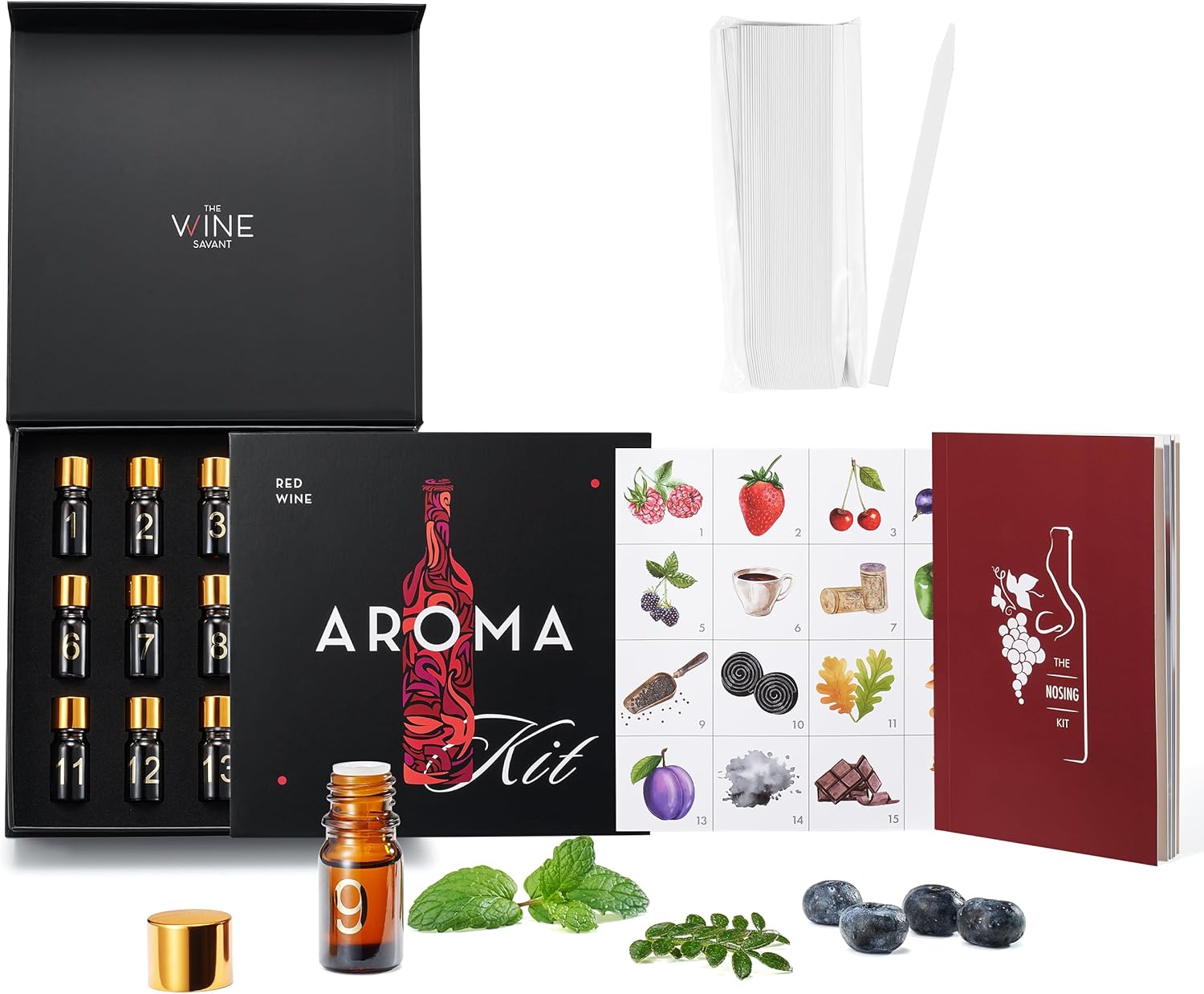
Lead guests through the pairings from lightest to most intense. Encourage them to taste the wine first, then the chocolate, then the wine again. Provide tasting notes for each wine—flavor descriptors, region, grape—so guests have context. Encourage them to write down their own observations. A wine journal for each guest is a thoughtful touch that extends the educational value of the evening. You might also consider investing in a wine tasting kit which includes structured tasting guides and curated selections.
For thoughtful gift ideas for the wine lovers at your tasting event, our guides on best wine gift baskets and top wine accessory gifts offer excellent inspiration.
Storing and Preserving Your Pairing Wines
When you’re curating wines specifically for a chocolate pairing event, proper storage in the days or weeks leading up to the occasion is crucial. A bottle stored incorrectly—exposed to heat, vibration, or light—will taste muted, flat, and disappointing, regardless of how much you spent on it.
Short-Term Storage
For wines you plan to open within the next few weeks, the key variables are temperature (55–65°F / 13–18°C), darkness, and stillness. A cool interior room, a dark pantry, or a corner of a basement all work well. Avoid the kitchen (too warm, too much light), the garage in summer (temperature swings), or anywhere near appliances that vibrate. Our detailed guide on how to store wine at home covers every variable. If you don’t have a wine fridge, our guide on how to store wine without a wine fridge is full of practical solutions.
After Opening: Preserving the Rest
For a tasting event, you may open three to five bottles and only pour a small amount from each. Preserving the remaining wine is essential. The most effective methods, in ascending order of effectiveness:
- Re-cork and refrigerate: Works for 24–48 hours for lighter wines. Use a quality wine stopper rather than the original cork for a better seal. Understanding the difference between a wine stopper vs. the original cork matters more than most people realize.
- Vacuum pump (Vacu Vin): Extends life to 3–5 days. The pump removes excess oxygen from the bottle before sealing. Affordable, effective, and widely available.
- Inert gas spray (Private Preserve): Sprays a blanket of argon gas over the wine surface before corking. Excellent for preserving partially consumed bottles for a week or more.
- Coravin: The gold standard. Preserves wine for weeks or even months without ever removing the cork. Ideal for expensive bottles you want to sample without committing to finishing.
How long your specific wines will last after opening depends on their style. Our guide on how long wine lasts after opening breaks this down by type—fortified wines like Port last significantly longer (weeks to months) than dry reds (3–5 days) once opened.
Building a Small Collection for Pairing
If chocolate and wine pairing becomes a regular pleasure, consider building a small dedicated collection. A modest selection of six to twelve bottles—a few reds at different tannin levels, a Banyuls, a Tawny Port, and a PX Sherry—gives you maximum flexibility for any chocolate encounter. Our guide to the best wine fridges will help you find the ideal storage solution, and our modular wine rack guide covers the most expandable options for growing collections. For those questioning whether a dedicated fridge is necessary, our piece on whether you need a wine fridge addresses this honestly.
Frequently Asked Questions
This happens when the chocolate is sweeter or more tannic than the wine. The sweetness of the chocolate strips the fruit flavor from the wine, leaving only the acid and bitter tannins. Try a fruitier wine like Zinfandel or a sweeter wine like Port. Understanding what tannin is in wine helps explain why this chemical clash occurs.
Yes, but be selective. Dry acidic whites (like Sauvignon Blanc) are terrible with chocolate—the acidity clashes violently with the sweetness. However, buttery Chardonnays can work with white chocolate, and sweet Rieslings or Gewürztraminers can be lovely with milk chocolate. The comparison of Pinot Grigio vs. Sauvignon Blanc shows you which whites lean more acidic—avoid those for chocolate pairing.
Look for Brachetto d’Acqui or a Sparkling Shiraz. Both are bubbly, sweet, and bursting with red berry flavors that complement both the fruit and the chocolate shell. The bubbles provide a textural contrast that makes each bite feel light and celebratory. Brachetto d’Acqui is particularly magical because it naturally tastes of raspberry and rose—the same flavors already present in the strawberry itself.
It is a risky pairing. It works best with dark chocolate (55–60%) if the Cabernet is very ripe, fruit-forward, and has soft tannins. Look for warm-climate Cabs from Napa, Barossa, or McLaren Vale. Avoid young, tannic Cabs as they will clash with the bitterness of the cocoa. The Merlot vs. Cabernet tannin comparison explains why Merlot is typically the safer choice.
Salt acts as a bridge, reducing the perception of bitterness and enhancing fruit. This allows you to pair drier wines that would otherwise clash. A bold Zinfandel or even a Tawny Port works exceptionally well here. The salt essentially lowers the bar on how sweet your wine needs to be, opening up more options than plain dark chocolate would allow.
Dry Champagne (Brut) is usually too acidic and lean for chocolate—the contrast is simply too harsh. However, a Demi-Sec (medium-sweet) Champagne pairs beautifully with white chocolate or milk chocolate truffles. For a deeper understanding of Champagne sweetness levels and styles, our comparison of Prosecco vs. Champagne production methods explains the sweetness nomenclature.
It depends on the truffle’s filling and coating. Dark chocolate ganache truffles pair best with Banyuls or Vintage Port. Milk chocolate truffles with caramel centers love a Tawny Port or Rutherglen Muscat. White chocolate truffles with fruit centers are spectacular with Brachetto d’Acqui or a Demi-Sec Champagne. The filling is often the deciding factor—always taste the inside, not just the outside.
Absolutely—especially for young, tannic reds like Cabernet Sauvignon, Zinfandel, and young Vintage Port. Decanting softens tannins and releases suppressed aromatics, making the wine far more compatible with the bitterness of chocolate. Even 30 minutes of decanting can transform a clashing pairing into a harmonious one. For details on when and how to decant, see our complete decanting guide and the aerator vs. decanter debate.
Banyuls is a French fortified wine from the Roussillon region in the far south of France, near the Spanish border. It is made primarily from Grenache Noir, grown on dramatic terraced hillsides above the Mediterranean. It is naturally sweet, richly aromatic (red berries, dried fruits, chocolate, herbs), and has a moderate alcohol level compared to Port. It can be found at well-stocked wine shops, specialty wine retailers, and through online wine merchants. Its relative obscurity in the U.S. market means it often represents extraordinary value compared to Port of equivalent quality.
Dry rosé is generally too light and acidic for most chocolate, but a Rosé Port or a sweet Rosé sparkling wine (like a Rosé Demi-Sec) can be exceptional with white and milk chocolate. The red berry fruit character of rosé is a natural complement to chocolate with fruit fillings—particularly raspberry, cherry, or strawberry centers. Avoid bone-dry Provence rosé for any chocolate above 50% cacao.